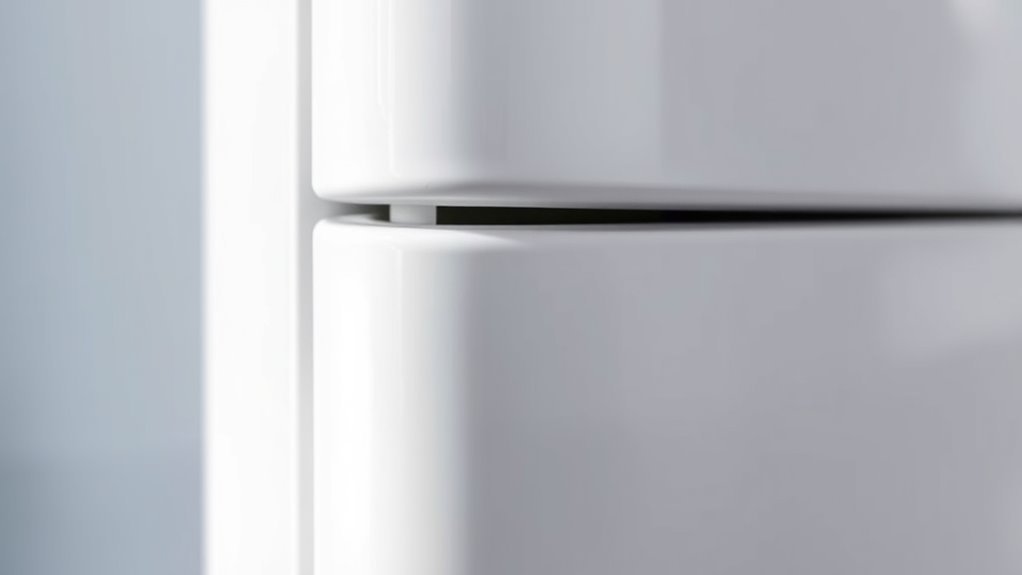
Refrigerator Door Gasket Guide: What to Know Before You Buy
Are you tired of warm spots in your fridge or sky-high energy bills? You’re not alone—many people struggle with keeping their refrigerators running efficiently. One common culprit is a worn-out door gasket that doesn’t seal properly.
You need a refrigerator door gasket that fits your fridge model perfectly, ensuring an airtight seal to keep food fresh and save energy. Check your fridge’s make and model, and choose between PVC, silicone, or rubber based on durability and flexibility.
Watch for cracks, frost, or higher bills as signs to replace it. Proper cleaning and installation help avoid leaks and maintain efficiency.
Keep exploring to understand how to pick, install, and care for the right gasket.
Key Takeaways
- Refrigerator door gaskets keep a tight seal, which helps maintain the right temperature and lowers energy bills.
- Make sure to match your fridge’s make, model, and gasket type before buying to ensure compatibility.
- Pick gasket material—PVC, silicone, or rubber—based on how durable and flexible you need it, plus your budget.
- Replace gaskets if you notice cracks, frost buildup, or warm air leaks to keep your fridge running efficiently.
- Regularly clean and inspect the gaskets, and measure carefully when replacing or installing to ensure a proper fit.
What Is a Refrigerator Door Gasket and Why It Matters
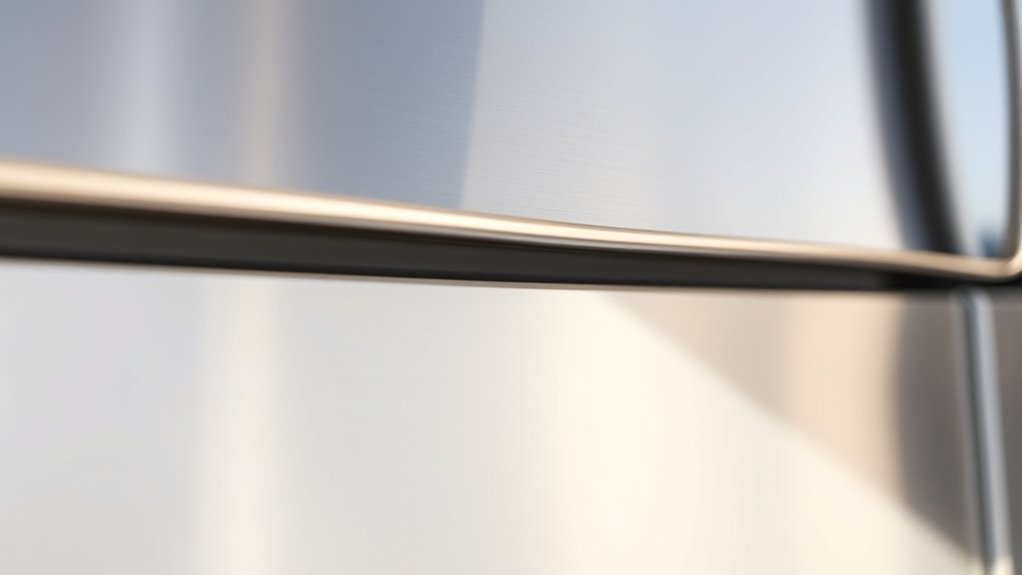
A refrigerator door gasket is the flexible seal that runs along the edge of your fridge door, making sure it closes tightly. You might not think about this small part, but its job is really important. It keeps cold air inside and warm air out.
When the gasket works properly, it helps maintain a steady internal temperature. This keeps your fridge running efficiently and can save you money on energy bills. A good gasket means less energy waste and a longer-lasting appliance.
If the gasket gets damaged or worn out, cold air can escape. That forces your fridge to work harder to stay cool. Over time, this can reduce energy efficiency and even shorten your fridge’s lifespan.
Understanding how important this seal is helps you see why maintaining or replacing your refrigerator door gasket is a smart move. It’s a simple fix that keeps your fridge running smoothly, your food fresh, and your energy costs down.
How to Identify the Right Refrigerator Door Gasket for Your Model
How do you guarantee you pick the right refrigerator door gasket for your model? Start by checking your fridge’s make and model number. This info is usually inside the fridge or on the door frame.
Using the exact model number helps you avoid gasket compatibility issues that could lead to poor sealing or the need for a return. Next, compare the old gasket’s shape and size with the replacement options.
Using your exact model number and comparing gasket shapes ensures a perfect fit without sealing problems or returns.
Don’t rely solely on generic sizes. Even slight differences can cause installation challenges or gaps. Also, verify whether your fridge requires a magnetic or non-magnetic gasket.
Before buying, read product details carefully and consult manufacturer guides or customer reviews to confirm compatibility. Taking these steps guarantees you’ll get a gasket designed specifically for your model.
This makes installation smoother and prevents costly mistakes. Plus, it keeps your fridge running efficiently without worrying about leaks or cold air escaping.
Common Refrigerator Gasket Materials Compared: PVC, Silicone, and Rubber
When it comes to refrigerator gaskets, it’s good to know how PVC, silicone, and rubber stack up over time and in different temperature conditions. Each one has its own strengths and quirks, so understanding these can help you choose the right gasket for your fridge.
PVC gaskets are pretty common and tend to be budget-friendly. They’re generally durable enough for everyday use, but they might not handle extreme temperatures or prolonged exposure to moisture as well as other materials. Cleaning PVC is usually straightforward, but over time, it might crack or lose its flexibility if not maintained properly.
Silicone gaskets are known for being super flexible and resistant to temperature changes. They can handle hot and cold environments without much fuss, making them great for maintaining a tight seal. Plus, silicone is pretty easy to clean and doesn’t stain easily. The downside is that silicone gaskets can sometimes be a bit more expensive, but their longevity often makes up for it.
Rubber gaskets are a classic choice and offer good sealing properties. They’re quite resilient to wear and tear but can degrade over time, especially if exposed to harsh cleaning chemicals or extreme temperatures. Rubber is generally easy to clean, but you should be mindful of the type of cleaner you use, as some can cause the rubber to deteriorate faster.
Material Durability Comparison
When choosing a refrigerator door gasket, understanding the durability of materials like PVC, silicone, and rubber can save you time and money. PVC gaskets usually last reasonably well and do a good job sealing, making them a popular, budget-friendly choice.
Silicone gaskets stand out because they’re flexible and last longer. They keep a strong seal even after frequent door openings, which is a big plus for busy households.
Rubber gaskets also provide excellent seal effectiveness and resist wear well. However, they might degrade faster than silicone depending on environmental conditions.
Knowing these differences helps you pick a gasket that matches your fridge’s needs and how often you use it. This way, you get a reliable seal that keeps your appliance running smoothly without needing frequent replacements.
Temperature Resistance Levels
Although durability is important, understanding the temperature resistance of PVC, silicone, and rubber gaskets helps you pick the best material for your fridge’s environment.
PVC gaskets work well at typical fridge temperatures but can harden or crack in extreme cold, which might affect temperature regulation.
Silicone gaskets handle a wider range of temperatures and stay flexible even in freezing conditions, helping maintain a good seal and energy efficiency.
Rubber gaskets offer moderate resistance but can degrade faster when temperatures fluctuate, risking air leaks.
Choosing a gasket with the right temperature resistance ensures your fridge keeps cool efficiently without overworking the compressor.
This balance improves energy efficiency, saving you money on electricity bills and keeping your food fresh.
Pick wisely to keep your refrigerator running smoothly.
Maintenance And Cleaning Tips
Maintaining and cleaning your refrigerator gasket is essential to guarantee a tight seal and prevent energy loss. To get the most out of your gasket, clean it regularly with a mild detergent and warm water.
Avoid harsh chemicals that can degrade PVC, silicone, or rubber materials. Pay close attention to the gasket’s folds and crevices where dirt and mold often gather.
Your cleaning frequency should be at least once a month, but do it more often if you notice grime buildup or sticky residue.
After cleaning, dry the gasket thoroughly to prevent mold growth.
Inspect the gasket for cracks or tears during each cleaning, as damaged gaskets reduce sealing efficiency.
When to Upgrade Your Refrigerator Door Gasket to a Premium Option
If you notice your refrigerator struggling to maintain a consistent temperature or your energy bills creeping up, it might be time to consider upgrading your door gasket to a premium option.
Premium gaskets offer better sealing, which reduces air leaks and helps keep your fridge at the right temperature. This also means lower energy consumption and potentially lower bills.
Premium gaskets improve sealing, reducing air leaks to maintain temperature and lower energy costs.
These gaskets are made from higher-quality materials designed to last longer and resist wear and tear better than standard models.
While they might cost more upfront, the energy savings and longer lifespan can make it a smart investment over time.
Plus, a premium gasket can boost your fridge’s overall efficiency, possibly preventing costly repairs related to temperature fluctuations.
Before you decide, think about your fridge’s specific needs and weigh the upgrade cost against the long-term benefits like savings and better performance.
This upgrade can help keep your food fresher and your energy bills in check.
7 Common Signs Your Refrigerator Door Gasket Needs Replacement
Seven clear signs can indicate your refrigerator door gasket needs replacing to keep your fridge running efficiently. First, check for visible cracks or tears—gasket wear like this compromises the seal.
If you notice condensation or frost buildup inside the fridge, your gasket might not be sealing properly. Another sign is increased energy bills since a faulty gasket reduces energy efficiency by letting cold air escape.
You may also feel warm air or notice that the door doesn’t close tightly. If your fridge runs constantly or food spoils faster than usual, the gasket could be the culprit.
Furthermore, sticky or warped door edges suggest the gasket’s shape is compromised. Finally, if you hear a hissing sound when the door closes, it means air leaks through the worn gasket.
Replacing your gasket promptly guarantees your refrigerator maintains its ideal performance and energy efficiency.
How to Measure Your Refrigerator Door Gasket for the Perfect Fit
Noticing signs that your refrigerator door gasket needs replacing is just the first step. Making sure you get the right fit is just as important. Using accurate measurement techniques will save you time and hassle.
Start by gathering your tools, like a tape measure or ruler. Then, measure the height and width of the door frame where the gasket sits. Check the thickness of your current gasket to match the new one’s profile.
Pay attention to the shape of the gasket’s edges. Are they rounded or squared? Noting these details helps you buy a gasket that seals perfectly, keeping cold air in and energy costs down.
Taking a few minutes to measure properly ensures a better fit and keeps your fridge contents fresh longer. Proper gasket measurement is worth the effort for the best results.
Remove and Install Your Refrigerator Door Gasket
Start by carefully pulling the old gasket away from the door frame, working slowly to avoid damage. Use gasket replacement tools like a putty knife or flathead screwdriver to help loosen stubborn sections without harming the door.
Once removed, clean the groove thoroughly to guarantee a smooth surface for the new gasket. When installing, align the new gasket evenly, pressing it firmly into the channel around the door.
Warm the gasket slightly with a hairdryer if it feels stiff; this helps it flex and fit better. Follow gasket installation tips such as starting at the bottom corner and working your way around, making sure the magnetic strip sits flush for a tight seal.
After installation, close the door to check for gaps and adjust as needed. Using the right gasket replacement tools and these tips will help you get a perfect fit, keeping your fridge airtight and efficient.
How to Clean and Maintain Your Refrigerator Door Gasket
Keeping your refrigerator door gasket clean is key to maintaining a tight seal and preventing energy loss. Regular cleaning can also help extend its lifespan and keep your fridge running efficiently.
Maintaining a clean refrigerator door gasket ensures a tight seal, saves energy, and prolongs fridge efficiency.
Start by wiping the gasket with warm, soapy water using a soft cloth or sponge. This will remove dirt and grime without damaging the rubber. Steer clear of harsh chemicals that could cause damage.
Here are some gasket maintenance tips to keep in mind:
- Clean the gasket every few months to prevent mold and mildew buildup.
- During cleaning, inspect the gasket for cracks or wear to catch any issues early.
- After cleaning, dry the gasket thoroughly to prevent moisture-related damage.
Troubleshooting Refrigerator Door Gasket Leaks and Seal Issues
If your fridge isn’t cooling properly, it could be due to a gasket leak. Sometimes, the door seal isn’t forming a tight enough fit, which lets cold air escape and messes with the cooling.
So, what should you look for? Common signs include cracks, warping, or if dirt and debris are building up on the gasket. These little issues can make a big difference in how well your fridge seals.
The good news is, fixing this is often pretty straightforward. You can try cleaning the gasket thoroughly or inspecting it for damage. In some cases, a simple DIY fix like replacing a worn-out gasket can do the trick and help keep your fridge running smoothly.
Identifying Gasket Leak Signs
When your refrigerator door gasket doesn’t seal properly, you might notice frost buildup, warm spots inside, or higher energy bills. These signs can help you catch leaks early.
Start by inspecting the gasket visually for cracks, tears, or warping. These physical damages can affect the seal’s effectiveness.
Next, try the dollar bill test. Close a dollar bill or piece of paper in the door and see if it slips out easily. If it does, the seal isn’t tight enough.
Finally, look for condensation or moisture around the door edges. This usually indicates air is escaping and the gasket may need attention.
These simple steps help you identify gasket leaks before they get worse.
Common Seal Problem Causes
Several factors can cause your refrigerator door gasket to fail, leading to leaks and seal problems. Over time, seal wear naturally occurs, making it less effective at keeping air out.
Temperature fluctuations inside and outside your fridge can cause the gasket material to expand and contract, weakening the seal. Poor gasket alignment also plays a role; if the door doesn’t close evenly, air leaks develop and weaken the seal.
Moisture buildup around the gasket can cause mold or deterioration, further reducing its ability to seal properly. These issues directly affect your refrigerator’s energy efficiency, making it work harder to maintain the right temperature.
Understanding these common causes helps you spot problems early and keep your fridge running its best.
DIY Repair Tips
Start by inspecting your refrigerator door gasket for visible cracks, tears, or dirt that could cause leaks. If you see any issues, consider doing a DIY gasket replacement to save time and money. Before swapping it out, clean the gasket thoroughly with warm, soapy water to remove grime, which can prevent a good seal.
When installing a new gasket, make sure it fits snugly and lines up with the door frame to stop air leaks. Here are some quick tips to keep your gasket working well:
- Regularly clean the gasket to prevent dirt buildup.
- Check the door alignment and adjust hinges if needed.
- Apply a thin layer of petroleum jelly to keep the gasket flexible.
Following these steps will help you troubleshoot and fix leaks efficiently.
Where to Find Quality Refrigerator Door Gaskets
Where can you find quality refrigerator door gaskets that guarantee a perfect seal and long-lasting performance? Start by exploring specialized gasket suppliers who offer a wide range of gasket types tailored to different refrigerator models. These suppliers often provide original equipment manufacturer (OEM) parts, ensuring compatibility and durability.
You can also check online marketplaces where verified sellers list various gasket options, but be sure to verify reviews and specifications. Local appliance repair stores are another reliable source, as they typically stock gaskets for popular brands and can advise on the best fit.
When choosing, focus on the material quality and precise dimensions to match your refrigerator’s requirements. Avoid generic or low-quality gaskets, since they may fail prematurely.
Frequently Asked Questions
Can a Damaged Gasket Cause Higher Energy Bills?
Yes, a damaged gasket can cause higher energy bills because it lets cold air escape, making your refrigerator work harder.
To avoid this, regularly clean and check for cracks or gaps in the gasket. Keeping it in good shape helps maintain a tight seal.
A good seal reduces energy waste and helps your fridge run smoothly. Don’t ignore worn gaskets if you want to save on electricity costs.
Are Refrigerator Door Gaskets Interchangeable Between Brands?
Think of refrigerator door gaskets like puzzle pieces—they rarely fit perfectly across brands. You can’t just swap them because gasket materials and dimensions vary, affecting the seal’s effectiveness.
To keep your fridge running efficiently, focus on proper gasket maintenance instead of cross-brand swaps. Regularly clean and inspect your gasket to avoid air leaks.
This helps ensure your appliance stays energy-efficient and your food stays fresh.
How Long Does a Typical Refrigerator Gasket Last?
A typical refrigerator gasket lasts about 5 to 10 years, depending on use and care.
To extend its life, regularly clean the gasket and check for cracks or gaps.
Common issues include warping, tears, and loss of flexibility, which can cause poor sealing and energy loss.
Catching these problems early helps you replace the gasket before it affects your fridge’s performance.
Can DIY Gasket Repairs Void My Refrigerator Warranty?
Think of your refrigerator warranty as a fragile glass vase. It can shatter if mishandled. Yes, DIY gasket repairs can void your warranty, especially if you don’t follow proper gasket maintenance tips.
Common gasket issues like cracks or warping might tempt you to fix them yourself, but unauthorized repairs risk damage and warranty loss. It’s safer to call a professional who can preserve both your fridge’s seal and your peace of mind.
Do Refrigerator Door Gaskets Affect Food Freshness?
Yes, refrigerator door gaskets directly affect food freshness. If the gasket materials aren’t high quality or the sealing effectiveness is compromised, cold air escapes and warm air enters.
This temperature fluctuation speeds up food spoilage and wastes energy. When you ensure your gasket seals tightly, you keep a consistent temperature.
That helps your food stay fresh longer and keeps your fridge running efficiently. Don’t overlook the gasket condition—it’s key to preserving your groceries.
Conclusion
Now that you know what makes a refrigerator door gasket essential, don’t overlook its condition. You might think it’s just a simple seal, but a worn-out gasket can silently hike your energy bills or spoil your food.
Before it’s too late, check your gasket closely—those subtle signs could save you from costly repairs. Look for cracks, tears, or gaps that aren’t sealing properly.
Ready to protect your fridge and your wallet? Choosing the right gasket is more important than you ever imagined. A good gasket keeps your fridge running efficiently and prevents energy leaks.