
What Are the Rules of 9 Ball: A Complete Guide for Fast Learning
The rules of 9 ball pool require players to always hit the lowest-numbered ball on the table first, aiming to legally pocket the 9 ball. Pocketing the 9 ball wins the rack, as long as the shot follows the official rules. This fast-paced game emphasizes skillful positioning and strategic shot choices.
This guide is for casual and beginner 9 ball players wanting a clear understanding of what are the rules of 9 ball and how to apply them. You’ll get straightforward explanations of the essential game rules, common fouls, and how to set up and win in 9 ball.
Key Takeaways
- The 9 ball rack uses balls numbered 1 through 9, arranged in a diamond shape with the 1 ball at the front.
- The break shot must hit the 1 ball first and drive at least four balls to the rails, or it is illegal.
- Pocketing the 9 ball on a legal break shot is an immediate win, called a “golden break.”
- Common fouls include missing all balls, hitting the wrong ball first, or scratching the cue ball; fouls give the opponent ball-in-hand.
- The push-out shot is only allowed right after the break, letting the player reposition without penalty.
- You win the rack by legally pocketing the 9 ball at any time after first contacting the lowest-numbered ball.
What Are the Essential Rules of 9 Ball Pool?

The objective in 9 ball pool is to legally sink the nine ball by striking the lowest-numbered ball on the table first with the cue ball. This game involves one cue ball and nine object balls numbered one through nine. Because 9 ball follows a rotation system, players must always aim at the lowest-numbered ball on the table at the start of each shot, even when planning to pocket another ball later in the same shot using a combination or carom.
Turn order is straightforward: players alternate turns unless one player pockets a ball legally. When you pocket any ball on a legal shot, you keep shooting until you either miss, commit a foul, or pocket the nine ball. Your turn ends whenever you miss pocketing a ball or commit a foul, allowing your opponent to take their shot. This system rewards accuracy and control, encouraging you to take calculated risks for extended runs at the table.
Calling pockets is not a requirement in standard 9 ball pool. According to official rules, you only need to strike the lowest numbered ball first; you don’t have to specify which pocket the ball will go into. The 9 ball itself can be pocketed on any legal shot and wins the rack immediately. Calling pockets is more common in games like 8 ball, but in 9 ball, it keeps the pace fast and the game simple.
To play a shot properly, first identify the lowest numbered ball on the table. This ball must always be the first one the cue ball contacts. You can pocket the lowest ball or any other ball by using combos as long as you hit the lowest ball first. Not hitting the lowest-numbered ball first, or failing to have any ball contact a cushion or drop into a pocket after the cue ball strikes, results in a foul. Fouls result in loss of turn, and any balls pocketed during the foul shot typically stay down, except if the nine ball is pocketed in a foul, it is spotted back on the table.
Because 9 ball is fast-paced and relies on sequential ball contact, knowing the correct shot order and turn rules helps you avoid penalties and maximize scoring opportunities. Playing by these essentials ensures a fair match and keeps the game competitive. Quick and accurate decisions combined with precise shot execution lead to better results, while mistakes like hitting the wrong ball first or fouling stop your momentum and give your opponent an advantage.
How Is the 9-Ball Rack Set Up and Positioned?
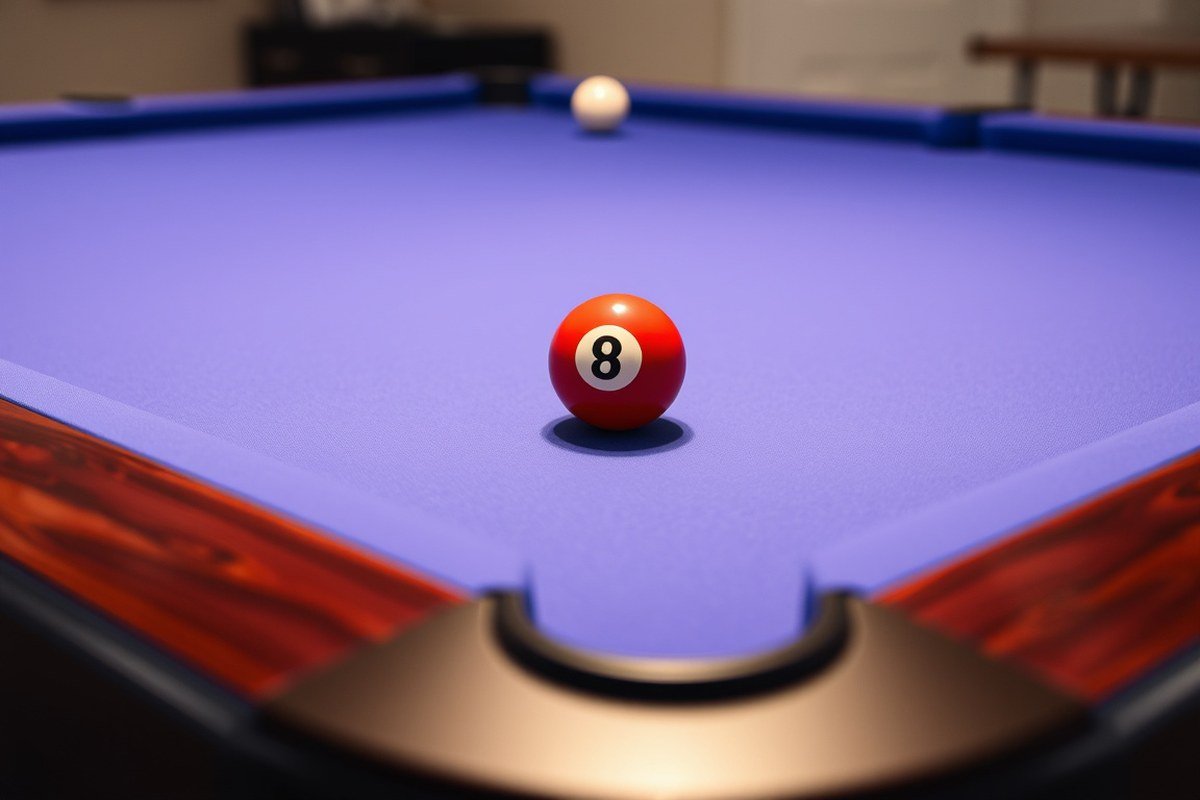
Setting up the 9-ball rack correctly is essential for fair play and consistency. The 1 ball must be placed at the front of the diamond-shaped rack, while the 9 ball goes in the center. The other balls are arranged randomly around them, and the rack is positioned at a specific point on the table to prepare for the break.
Positions of the Balls in the Rack
The 9-ball rack forms a diamond shape using all nine balls. The 1 ball must occupy the apex of the diamond, this is the front ball touching the head spot. The 9 ball, often called the “money ball,” is placed precisely in the center of the rack.
The seven remaining balls are placed in the rack in no particular order or pattern, but the goal is to pack them tightly. This compact positioning ensures the balls spread properly when the break shot is made.
Make sure the balls touch each other firmly to prevent a weak break and uneven ball spread.
Table Placement of the Rack
The rack must sit on the head spot of the pool table, which is the mark near the head rail where the front ball (the 1 ball) rests. The diamond is oriented so that its long axis points toward the foot rail, the far end of the table.
For the break shot, the table’s baulk line (also called the head string) is a reference line. The cue ball must be placed behind this baulk line. The rack itself extends slightly past this line toward the foot rail, ensuring several balls can cross the head string when the break is executed.
Preparation Checklist Before Breaking
Before you break, confirm the rack and table setup are correct to avoid penalties or delays. Here’s a checklist to guide your preparation:
- Place the 1 ball at the apex of the diamond on the head spot.
- Position the 9 ball at the center of the rack.
- Arrange the other seven balls randomly but tightly within the diamond.
- Align the diamond so its long axis points toward the foot rail.
- Place the rack so the apex ball touches the head spot mark on the table.
- Set the cue ball anywhere behind the baulk line for the break shot.
- Ensure all balls are touching firmly to prevent gaps in the rack.
Checking these details before the break helps avoid common problems like balls jumping off the table, fouled breaks, or receiving ball-in-hand penalties. Each part of the setup influences how the balls will scatter and the fairness of the opening shot.
What Makes a Break Shot Legal in 9 Ball?
A legal break shot in 9 ball requires the cue ball to start behind the head string and specific ball movement after the break. Pocketing the 9 ball on the break can instantly win the game, but the shooter must meet the three-ball rule, meaning at least three balls must be pocketed or hit the head string. Failing to meet these rules results in an illegal break, giving the incoming player options on how to proceed.
Cue Ball Placement Rules
Place the cue ball behind the head string, an imaginary horizontal line near the break end of the table. You may set it anywhere behind this line as long as it does not touch or cross the line before striking. This ensures that the break shot is fair and provides both players with a consistent starting position.
You have the cue ball in hand behind the head string before the break. Take your time to line up a shot that can scatter the balls effectively. The exact spot can vary depending on your preferred break style, but staying behind the line is mandatory.
Required Ball Movement on Break
The break must satisfy the three-ball rule: at least three balls must either be pocketed or reach the head string line after the break. This means that after your break shot:
- Three or more balls should hit cushions or be pocketed.
- The balls have to move far enough from the rack into open play.
- Fewer than three balls reaching these designated spots results in the break being declared illegal.
- It’s not necessary to pocket three balls; balls reaching the head string count.
- Pocketing the 9 ball on the break wins the rack immediately if the shot is legal.
For example, if you strike and the cue ball contacts the rack, but only one ball reaches the head string line or none are pocketed, this does not meet the requirement. On the other hand, if two balls are pocketed and multiple balls cross the head string line, that break is legal.
Consequences of Illegal Breaks
An illegal break means the incoming player can decide how to respond. Options include accepting the table layout as it stands or forcing the original breaker to shoot again. Three consecutive illegal breaks may lead to severe penalties or loss of the frame, depending on local tournament rules.
When the break is illegal, the incoming player usually has the cue ball in hand behind the head string for their shot. This rule gives an advantage to the opponent, often encouraging the breaker to aim for a legal and tactical break. Pocketing the 9 ball on a legal break counts as a win as long as the break shot meets the necessary requirements.
What Are Common Fouls and Their Penalties in 9 Ball?
Common fouls in 9 ball include hitting the wrong ball first, scratches, and errors with the push-out shot. You commit a foul when you do not strike the lowest-numbered ball on the table at the start of your shot. A scratch happens when the cue ball is pocketed or leaves the table. Violations of the push-out rule occur when the player does not announce or perform the push-out correctly. The opponent then receives cue ball in hand, allowing them to place it anywhere on the table before shooting.
The cue ball in hand penalty matters because it gives the incoming player a strategic advantage by letting them position the cue ball for an easier shot. When a foul occurs, your opponent can move the cue ball freely, improving their chances of continuing their run. The advantage can shift momentum in a match, so avoiding fouls is important for maintaining control.
Committing a foul means that any balls pocketed during that shot don’t count, and your opponent receives cue ball in hand. Balls on the table remain where they landed unless specific exceptions apply. If the nine ball goes in on a foul or during a wrong push-out, it must be placed back on the foot spot. Balls other than the cue ball that fly off the table are returned to play on the table. These rules ensure fairness and prevent players from benefiting from fouls. The following table reviews these fouls and penalties:
| Foul Type | What Happens | Penalty |
|---|---|---|
| Illegal Hit (no hit on lowest-numbered ball first) | Shot voided; any balls pocketed don’t count | Opponent gets cue ball in hand |
| Scratch (cue ball pocketed or off table) | Shot voided; any balls pocketed don’t count | Opponent gets cue ball in hand |
| Jumped Ball (any ball except cue ball leaves table) | Ball is spotted back on foot spot; | Opponent gets cue ball in hand |
| Push-Out Violation (push-out not declared or illegal) | Shot voided; balls pocketed don’t count | Opponent gets cue ball in hand |
| Combination Fouls (scratch + jumped ball) | All balls pocketed voided | Opponent gets cue ball in hand |
After a foul, your opponent places the cue ball anywhere on the table before shooting. This placement is called “cue ball in hand.” The ability to position the cue ball optimally helps set up shots and can heavily influence the flow of the game. When a foul requires a ball to be spotted, it is placed on the foot spot or the next open spot along the line to maintain consistent play.
Keeping these fouls in mind helps you avoid handing your opponent control. Playing cautiously to avoid scratches or illegal hits and understanding how fouls affect ball positions and penalties is key. The cost of fouls is losing positional advantage and potential control of the rack, so focus on accurate, rule-abiding shots to maintain your turn and pressure your opponent.
How Does the Push-Out Shot Work and When Is It Used?
A push-out shot in 9 ball happens right after the break and lets you reposition the cue ball anywhere on the table without following the usual rules about hitting the lowest-numbered ball first. You play it only when you don’t have a clear shot and want to create a better offensive or defensive position. The opponent then decides whether to take the shot from the new position or pass it back to you.
Conditions for Playing a Push-Out
The push-out can only be declared immediately after the break shot. This means once the balls have scattered and the cue ball is in play, the incoming player can choose a push-out instead of a standard shot. You cannot play a push-out if the previous player scratched during the break. That situation forces you to play a normal shot from behind the head string instead.
Players often use the push-out when the 1-ball is snookered or blocked by clusters, leaving no practical shot for the next rack phase. After the break, this offers a chance to clear the cue ball to an open spot, trying to avoid a tough safety or a forced foul.
- Must be the shot immediately following the break
- Cannot play if the breaker scratches
- The cue ball can be placed anywhere on the table
- Declared before striking any ball
- The shot does not require contacting the lowest-numbered ball first
- Only one push-out allowed per rack
- Opponent decides who shoots next after the push-out
Rules Applying During Push-Out
A push-out shot skips several normal rules. The cue ball may be struck and moved freely without the obligation to contact the lowest ball first or even a ball at all. You can also push the cue ball to an ideal position to set up your next shot or create a safe situation against your opponent.
The push-out still counts as a shot, so the cue ball must be legally struck. It cannot be a foul shot like a double hit or a shot where the cue ball fails to hit any balls if the intention is to push it freely. The 9 ball can be pocketed during the push-out, but if so, it remains on the table, spotted on the foot spot because it does not count as a legal pot until pocketed in a proper shot.
Re-position the cue ball during a push-out only if you clearly improve your chances or force your opponent into a difficult shot, otherwise, take a normal shot instead.
Possible Outcomes After Push-Out
After the push-out, the opponent has the option to shoot from the new cue ball position or to pass the shot back to you. This decision depends on the table layout and which player believes they have the better chance of making a legal shot. When your opponent decides to pass, you take your next shot following the usual rules.
Pocketing the 9 ball during the push-out requires placing it back on the foot spot right away. This keeps the rack going since sinking the 9 ball in a push-out doesn’t win the game. Also, fouls or other balls pocketed during the push-out don’t change who has ball-in-hand or the turn order until the next shot happens.
How Do You Win a Rack in 9 Ball Legally?
To win a rack legally in 9 ball, the key rule is that you must hit the lowest-numbered ball on the table first during your shot. The lowest ball could be the 1-ball at the start of a rack or the next lowest as balls are pocketed. You can pocket other balls, including the 9 ball, during the same shot, as long as the cue ball first strikes the lowest ball. This rule maintains order in the shot sequence and ensures fairness.
The 9 ball does not have to be pocketed by directly hitting it with the cue ball. You can win by pocketing the 9 ball through a combination or carom shot, where the lowest ball you hit first causes the 9 ball to go into a pocket. For example, if the 1-ball is the lowest ball and you strike it first, the 1-ball can then collide with the 9 ball, sending it into a pocket legally. This counts as winning the rack immediately.
If the 9 ball is pocketed without first contacting the lowest-numbered ball, the shot is not legal and the rack does not end. Instead, this is a foul, and typically your opponent would then have the option to continue shooting. Pocketing the 9 ball off an illegal shot usually means losing the chance to win the rack on that turn. You must always ensure your cue ball strikes the lowest ball on the table first before the 9 ball drops for it to count as a legal win.
The moment the 9 ball legally drops into a pocket after a proper first hit on the lowest ball, the player is declared the winner of the rack immediately. There is no need to clear the table of remaining balls since 9 ball is about pocketing the 9 ball correctly. A simple example: you hit the 1-ball first, it caroms off the 9 ball, and the 9 ball sinks. You have won the rack at that point.
Precision in targeting the lowest ball first matters because hitting any higher-numbered ball first is a foul, losing you the turn. Skilled players often plan multi-ball interactions where the cue ball hits the lowest ball but causes the 9 ball to be pocketed through combinations. This strategic element differentiates casual play from competitive play and demands good cue ball control and shot planning.
The cost of unsuccessfully attempting such a shot is giving the opponent a strong advantage, as your turn ends, and they have a chance to clear balls more easily. Good results show up as quick wins by maneuvering the cue ball around to the lowest ball, sinking the 9 ball early, and minimizing risks of fouls.
What Are the Rules Around Safety Play in 9 Ball?
A safety shot in 9 ball is a strategic move where you aim to leave the cue ball and the object balls in positions that make it difficult or impossible for your opponent to execute a legal shot. Unlike an offensive shot intended to pocket a ball, a safety focuses on controlling the table by forcing your opponent into a tough situation. Safety shots are allowed at any point in the game when you cannot or do not want to attempt a shot on the lowest numbered ball. You are not required to call pockets on safety shots because the goal is not to pocket a ball but to position the balls defensively.
Playing a safety means carefully hitting the cue ball to avoid fouls. Fouls occur if the cue ball is pocketed, no ball contacts a rail after the cue ball hits the lowest numbered ball, or if no ball is legally pocketed or driven to a rail. A common mistake during safety shots is unintentionally pocketing a ball, which results in a foul and hands your opponent control. When you execute a successful safety, your turn ends, and your opponent takes over with the challenging task you left them.
Choosing to play safe comes down to assessing the table layout and your skill level. If you face a difficult shot on the lowest numbered ball or a risky bank or combination, playing safe can minimize your chances of committing a foul or giving your opponent an easy shot. For example, if the 3-ball is nestled behind the 5-ball near a pocket but requires a thin angle, a well-placed safety can leave the cue ball behind the cluster, forcing the opponent to attempt a low-percentage shot or risk a foul.
When executing a safety, aim to gently strike the lowest numbered ball while controlling the cue ball’s speed and direction. Position the cue ball so that it ends up hidden behind other balls or close to a rail, making it hard for your opponent to both hit the lowest numbered ball first and have a clear shot at pocketing a ball. A common strategy is to leave the cue ball close to a rail with at least one ball blocking direct shots, increasing the chance your opponent fouls by failing to contact the lowest ball or driving a ball to a rail.
Keep in mind that while safety shots give you a defensive advantage, they also pass the turn to your opponent, who may capitalize on even a slight mistake. Consistent practice helps you judge the force and angles needed to execute safeties accurately. Avoid overhitting the cue ball since leaving it too open or too close to an object ball might present an easy shot for your opponent. Balance aggression and control by assessing whether the table’s layout favors a safety or an offensive attempt.
What Are Official Match Formats and Tournament Rules?
Most official 9 ball matches use a “race to” format, where players compete to reach a set number of racks first. Common race distances include 7, 9, or 11 racks in amateur tournaments, while higher-level events might go up to a race to 13 or more. For example, a race to 7 means the first player to win 7 racks wins the match. This format keeps matches clear and manageable in length, typically lasting between 30 minutes to two hours depending on race length and player pace.
Matches end immediately when a player reaches the target number of racks, even if the opponent has racks left to play. However, if the match reaches a tied score near the race limit, some tournaments use an overtime system or extend the race until a player leads by two racks. This prevents ties and ensures a decisive winner. Casual or local leagues sometimes allow friendly variations, such as time-limited sessions or cumulative score formats, to fit social or scheduling needs.
Equipment standards are strictly enforced in official tournaments. Tables must be regulation size, usually 9 feet long, with a slate bed covered by green felt. The balls are standard 2 1/4 inch diameter, and cues must meet quality and length requirements, often set by tournament organizers. These standards ensure consistency and fair play across all matches. In casual settings, tables and equipment might vary widely, so it’s essential to check local rules beforehand. The table below compares typical tournament formats and casual play:
| Aspect | Tournament | Casual/Local Play |
|---|---|---|
| Match Format | Race to 7, 13 racks | Varies; sometimes timed sessions or single racks |
| Session Length | 30, 120 minutes depending on race | Flexible; often shorter or open-ended |
| Tie Handling | Overtime extensions or win-by-two racks | Rarely formalized; may agree to replay or share |
| Equipment Standards | Regulation 9′ tables, official balls, approved cues | Varies by venue; less strict |
Race formats encourage strategic play and stamina, rewarding consistent performance across multiple racks. Shorter races can lead to more unpredictable results, which might appeal to casual players but frustrate competitors seeking skill-based outcomes. Longer races favor patience and skill but demand more time commitment.
Players should arrive early for tournaments to check equipment and understand local rules, as minor differences in format or equipment can affect match flow. Knowing when and how a match concludes helps avoid confusion and ensures fair play. Always confirm race length and tie procedures before starting to play.
To avoid disputes, always clarify match format and race length with your opponent before the match begins.
Step-by-Step Action Plan to Play 9 Ball Correctly and Confidently
Follow these steps to put the official 9 ball rules into practice and improve your game smartly.
- Before your first rack: Set up the balls with the 1 ball at the rack’s front apex and the 9 ball in the center, making sure the rack is tight. This ensures a proper break and fair start.
- During the break shot: Hit the cue ball from behind the head string aiming to hit the 1 ball first, and watch for at least four balls to hit cushions or a ball to be pocketed, confirming a legal break.
- After the break: Call a push-out strategically only if your next shot is tough, then let your opponent decide to accept or take the shot back. Winning this tactical choice can shift control.
- Before each shot: Identify the lowest-numbered ball on the table and aim to strike it first, avoiding common fouls like hitting the wrong ball or cue ball scratches. This keeps your turn going legally.
- Throughout the rack: Use safety play to leave your opponent without an easy shot, while sticking to the rule that the lowest-numbered ball must be struck first, maintaining legal play and strategic edge.
- Upon pocketing the 9 ball: Confirm it was the lowest-numbered ball or legally pocketed via combination shots. Winning the rack this way follows official match rules.
- During matches: Follow the match format rules about racks needed to win and fouls stated by your tournament or house rules, adapting your style to the competitive environment.
- After each rack: Reset the balls properly before the next rack to maintain fairness and consistency for you and your opponent.
Frequently Asked Questions
What Are the Basic Pool Rules?
Basic pool rules require players to hit balls in a specific order and follow fouls as defined. In 9 ball, you must always strike the lowest numbered ball on the table first to avoid penalties.
What If You Hit a Ball Out of Order in 9-ball?
Hitting a ball out of order causes a foul, giving your opponent ball-in-hand. This gives them the chance to place the cue ball anywhere on the table for their next shot.
Is 9ball Harder Than 8ball?
9 ball is generally faster and more strategic due to the shot order, making it different rather than strictly harder than 8 ball. 8 ball involves more pattern play and ball grouping strategy.
Does 10-ball Have the Same Rules as 9-ball?
10-ball rules are similar but more strict, often requiring players to call shots and follow stricter foul penalties. It’s considered more challenging and less luck-based than 9 ball.
What Are the Rules of 9 Ball?
9 ball is a rotational game where players must strike the lowest numbered ball first and legally pocket the 9 ball to win. Fouls result in ball-in-hand for the opponent, and safety plays are allowed.
Can You Push the Cue Ball After a Foul in 9 Ball?
Only the incoming player may perform a push-out shot, not immediately after a foul. Push-outs are specifically allowed after the break or an opponent’s legal shot.
The Bottom Line
Understanding and following the detailed rules of 9 ball lets you play confidently and fairly. Focus on controlling the cue ball, making legal shots, and using tactical pushes and safeties to your advantage. Next time you play, pay close attention to the balls’ order and when to use a push-out to strengthen your game strategy.






2 Comments