How to Cook Cod Perfectly: 8 Methods with Times, Tips & Storage
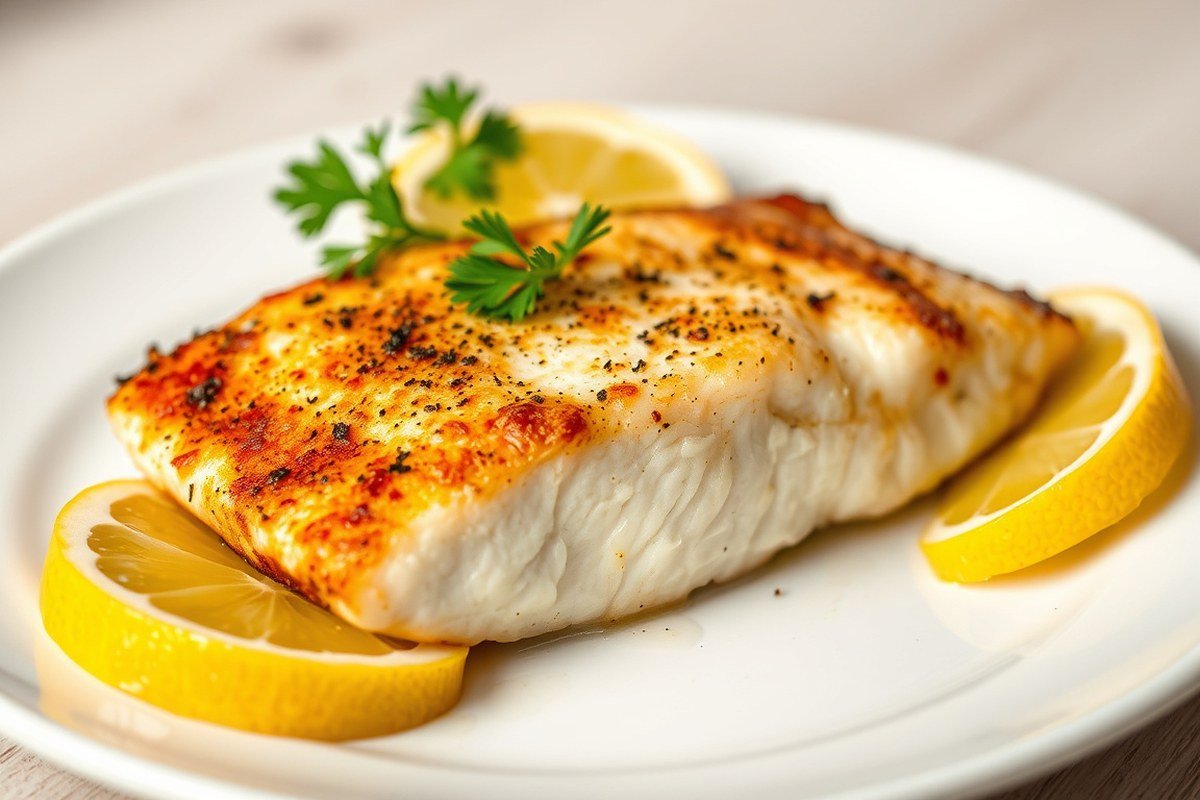
Cooking cod perfectly means knowing the right cooking time and method for tender, flaky fish. For cod fillets, bake at 400 degrees F for 12 to 15 minutes or pan-sear for 4 to 6 minutes to get a golden crust. Follow simple steps like checking the flesh’s opacity and flakiness to avoid overcooking and dry fish.
This advice is for home cooks wanting reliable results every time they prepare cod. You will find clear tips on cutting, cooking methods, timing, seasoning, and storage to make your cod dishes consistently delicious and easy to manage.
Key Takeaways
- Bake cod fillets at 400°F for 12 to 15 minutes based on thickness for tender, flaky fish.
- Pan-sear cod fillets 4 to 6 minutes total, letting skin crisp for 2 to 3 minutes each side.
- Use an instant-read thermometer to confirm cod has reached 145°F internal temperature before serving.
- Cod loins require longer baking, about 20 minutes at 400°F, due to their thickness.
- Broiled cod cooks quickly in 6 to 8 minutes, ideal for a fast, flavorful meal.
- Air fryer cooks cod in 6 to 10 minutes, offering a convenient, healthy alternative.
1. How to Cook Cod Fillets Perfectly Every Time

Cooking cod fillets properly delivers tender, juicy fish with a mild flavor and flaky texture. Cod cooks quickly, usually within 12 to 15 minutes, making timing essential to avoid overcooking. Seasoning is simple and should complement the natural flavor rather than overpower it. The fish is done when it reaches an internal temperature of 145°F and the flesh flakes easily with a fork. Pan-frying is popular for crisp skin, while baking provides gentle, even heat suitable for a variety of seasonings.
- Pat dry the cod fillets. Use paper towels to remove excess moisture. This helps the seasoning stick better and promotes even cooking, especially when pan-frying for a crispy exterior.
- Season the fish evenly. Sprinkle salt and pepper on both sides, and add herbs or spices of your choice. You can marinate the fillets with a mixture of olive oil, lemon juice, and herbs for up to 2 hours to boost flavor. Avoid too much salt before marinating to prevent drying out the fillets.
- Choose your cooking method carefully. For pan-frying, heat a non-stick or cast-iron skillet to medium-high and add a tablespoon of oil with a high smoke point, such as canola or avocado oil. For baking, preheat your oven to 400°F. If using frozen fillets, baking or broiling works better than pan-frying because it promotes even cooking.
- Cook pan-fried cod fillets for 2 to 3 minutes on the skin side. The skin should turn crisp and golden. Flip carefully and cook for another 1 to 2 minutes until the fish turns opaque and flakes easily. Avoid overcrowding the pan to maintain heat and crispiness.
- Bake cod fillets for 12 to 15 minutes at 400°F. Thawed fillets cook more evenly, but you can bake frozen fillets by increasing cook time by about 50 percent, around 18 to 22 minutes. Baking uncovered allows moisture to evaporate slightly for a firm texture. Add toppings or butter before baking if desired.
- Check doneness with temperature and texture. Use an instant-read thermometer to confirm the internal temperature reaches 145°F. The flesh should flake easily when gently pressed with a fork but remain moist. Cooking beyond this temperature can dry out the fish.
- Rest the fillets briefly. Let cooked cod sit for 2 to 3 minutes off the heat to redistribute juices. This keeps the fish tender and prevents it from drying during serving.
Following these steps ensures you cook cod fillets that balance crisp skin with moist, flaky flesh. Adjust seasoning and cooking times based on fillet thickness and whether the fish is fresh or frozen for the best results.
2. Choosing the Right Cut: Cod Loins vs. Fillets

Cod loins and fillets differ mainly in size, thickness, and source on the fish, which affects their cooking time and texture. Loins come from the thickest part of the fish and are smaller, while fillets are larger cuts from the sides. These differences influence how quickly they cook and how they respond to various cooking methods like baking, frying, or broiling.
Overview of Cod Loins and Fillets
Cod loins are smaller, thicker pieces taken from the central thickest part of the cod’s body. They are usually boneless and skinless, offering a consistent, firm texture that holds well during cooking. In contrast, fillets are larger cuts taken from the sides of the fish and can vary more in thickness and size. Fillets tend to be more delicate and can break apart more easily if overcooked or handled roughly.
Choosing between loins and fillets depends on the recipe and desired texture. Loins provide a denser and meatier bite, which works well for structured presentations and slower cooking methods. Fillets can be quicker to cook but require more careful handling to avoid dryness or flaking apart.
Cooking Time Differences by Cut Thickness
The thickness of the cod cut is the main factor affecting cooking time. Loins, being thicker, generally need longer cooking times. For example, cod loins baked at 400°F (204°C) typically take about 20 minutes. Fillets that are thinner usually require less time, generally 12 to 15 minutes until the flesh becomes opaque and flakes easily with a fork.
A general rule of thumb is to bake for 10-12 minutes per inch of thickness regardless of the cut. Using an instant-read thermometer is recommended to confirm doneness. Cooking loins or fillets that are crowded in the pan can increase cooking time and cause uneven results.
| Cut Type | Typical Thickness | Recommended Baking Temperature | Approximate Baking Time | Texture After Cooking |
|---|---|---|---|---|
| Cod Loin | About 1 inch or thicker | 400°F (204°C) | 20 minutes | Firm, meaty, holds shape well |
| Cod Fillet | Less than 1 inch | 350°F to 375°F (175°C to 190°C) | 12-15 minutes | Flaky, delicate |
These guidelines adjust based on size, thickness, and whether the fillet is skinless. Pan-frying or broiling can shorten cooking times compared to baking, especially with thinner fillets.
Best Uses for Each Cut in Recipes
Cod loins are ideal for recipes needing uniform thickness and firmness, such as broiling or baking with toppings because they withstand heat well without falling apart. They also work well for pan-searing followed by oven baking at medium-high heat.
Fillets suit quicker cooking methods like pan-frying, sautéing, or poaching. Their delicate texture absorbs flavors quickly, so dusting with flour before cooking can help form a light crust and protect the fish. Baking fillets requires care to avoid overcooking, and spacing them well in the pan ensures even heat distribution.
Do not overcrowd the cooking pan; cod pieces need space to cook evenly and develop proper texture whether baking or frying.
3. 8 Ways to Cook Cod: Oven, Stovetop, Broil, and More
Eight popular methods can help you cook cod with good results, whether you want a crispy crust or a tender, flaky texture. Each technique varies in timing and equipment, so match your choice to your available tools and desired dish style. The most common ways include baking, pan-frying, searing, air frying, broiling, steaming, poaching, and microwaving.
Baking Cod: Temperature and Timing
Baking is a straightforward and dependable way to cook cod, particularly thicker cuts or loins, yielding moist and evenly cooked fish. Preheat your oven to 400°F (200°C). Place the seasoned cod on a baking pan or dish, skin side down if it has skin. Bake for 12 to 15 minutes, until the fish flakes with a fork and appears completely opaque. If using frozen cod, increase the baking duration by 5 to 10 minutes.
To ensure juicy cod, remove it from the oven and let it rest for 2 minutes before serving. Baking allows you to cook other ingredients like vegetables simultaneously by using separate pans at the same temperature.
Pan-Frying and Searing Cod on Stove
Pan-frying and searing are excellent methods for achieving a golden crust on the cod. Use a nonstick or cast iron skillet and heat a tablespoon of oil over medium-high heat. Place the cod skin-side down first to help crisp the exterior. Pan-frying usually takes about 5 to 8 minutes total, turning the fish halfway through. Searing is faster, around 4 to 6 minutes, giving a more intense crust but requires careful attention to avoid overcooking.
The downside is less even cooking compared to baking, so thinner fillets work best. Pan-frying also allows for easy seasoning variations during the cooking process and gives a more intense flavor through caramelisation.
Air Fryer and Broiling Basics
Air fryers cook cod quickly by circulating hot air around the fish. This method takes about 6 to 10 minutes at 360°F (180°C), usually with no need to preheat. Place seasoned cod in the air fryer basket skin-side down. It offers a crispy texture similar to frying but uses less oil. After cooking, you can reheat cod in the air fryer at 340°F (170°C) for 2 minutes to avoid dryness.
Broiling exposes the cod to direct high heat from above and cooks fish in approximately 4 to 8 minutes, depending on thickness. Keep the fish a few inches below the broiler element. This method quickly browns the surface, creating a crisp top but can dry out the fish if left too long. The following table summarizes these cooking methods to help you decide based on your equipment, time, and desired texture.
| Cooking Method | Temperature | Time | Equipment | Pros | Cons |
|---|---|---|---|---|---|
| Oven Baking | 400°F (200°C) | 12-15 mins (add 5-10 mins frozen) | Baking sheet or dish, oven | Even cooking, hands-off, tender texture | Longer cooking time |
| Pan-Frying | Medium-high heat | 5-8 mins | Skillet, stove | Crispy crust, flavorful | Requires attention, uneven cooking |
| Searing on Stove | High heat | 4-6 mins | Skillet, stove | Fast, good crust | Easy to overcook |
| Air Frying | 360°F (180°C) | 6-10 mins | Air fryer | Crispy, quick, less oil | Limited batch size |
| Broiling | High broiler heat | 4-8 mins | Oven broiler | Fast, crisp top | Can dry out, watch closely |
| Steaming | 212°F (100°C) steam | 8-10 mins | Steamer or pot with steaming basket | Moist, gentle cooking | Less texture variation |
| Poaching | Low simmer (~180-190°F) | 8-12 mins | Pot, stove | Delicate, moist | No crust, bland texture |
| Microwaving | Variable, medium power | 3-5 mins | Microwave-safe dish, microwave | Fast, convenient | Uneven cooking, risk of dryness |
Choosing the right cooking method depends on your time, equipment, and preferred texture. Baking and air frying suit hands-off approaches, while pan-frying and broiling let you achieve a crispy crust quickly. Steaming and poaching preserve moisture but don’t add surface texture. Microwaving is fast but can sometimes cook unevenly or dry out the fish. Use these guidelines and times for best results.
4. How to Prepare Cod Before Cooking for Best Flavor and Texture
Before cooking cod, start by properly thawing if using frozen fillets to ensure even cooking. Thaw cod in the refrigerator overnight or place frozen fillets in a sealed plastic bag and submerge them in cold water for about 30 to 60 minutes. Avoid thawing at room temperature to reduce bacterial risk. Once thawed, rinse the fillets briefly under cold water and pat them completely dry with paper towels. Removing excess moisture helps seasonings stick better and prevents the fish from steaming, which leads to a watery base and less desirable texture.
Seasoning cod well is essential for flavor. Lightly salt both sides after drying to improve natural flavors. You can add herbs, spices, or citrus zest at this stage. If you like, marinate the cod to infuse additional flavor. Acidic marinades with lemon juice, lime, or vinegar brighten the taste but should be used carefully, as marinating too long can break down the flesh and change texture.
- Pat fillets dry on all sides using paper towels before seasoning
- Season simply with salt and pepper for a clean taste or add garlic, paprika, and herbs for depth
- Use a marinade of olive oil, lemon juice, minced garlic, and herbs for 15 to 30 minutes maximum
- Avoid marinating cod longer than 30 minutes to prevent mushy texture
- Cook cod soon after seasoning or marinating to maintain freshness
Applying these steps helps the cod cook evenly and develop a tender, flaky texture without wateriness. Thorough drying and proper seasoning create a flavorful surface that browns nicely. Marinating offers an optional boost but keep it brief, over-marinating softens the cod excessively and compromises the final dish. Patience in thawing and careful drying take little time but greatly improve moisture retention and taste. Prepare your cod just before cooking for best results.
5. How to Know When Cod Is Cooked: Visual and Temperature Guides
Cod should reach an internal temperature of 145°F (63°C) for safe consumption, according to USDA guidelines. Use an instant-read thermometer to check the temperature by inserting it into the thickest part of the fillet. This provides a precise way to confirm doneness and avoid undercooking or overcooking. For moist and tender results, some cooks aim for slightly lower temperatures around 135°F to 140°F, but the fish must reach 145°F for safety, especially if serving vulnerable groups like children or the elderly.
Visual cues help you know when cod is perfectly cooked. The flesh changes from shiny and translucent to white and opaque. When you press the fillet lightly with a fork, the fish should flake easily into distinct sections without falling apart completely. When the fish resists flaking or still appears glossy inside, it needs more time to cook. Flaking is a reliable and quick test when you don’t have a thermometer on hand, but combining both methods ensures great results.
Do not eat cod that is slightly undercooked. Raw or undercooked fish may carry parasites or bacteria that cooking at the recommended temperature will kill. Unlike some seafood preparations that serve raw fish safely when handled properly, cod needs to reach 145°F internally to be safe to eat. Follow this temperature rule regardless of cooking method, whether baking, pan-frying, broiling, or grilling.
The timing to reach doneness varies by thickness and cooking method. For example, when baking cod fillets about 1 inch thick, bake at 400°F for 15 to 20 minutes. Pan-frying thin fillets may only take 2 to 3 minutes per side on medium-high heat. Always test the temperature in the thickest portion and check flaking to avoid dryness or raw spots.
Using a fork to test flaking works best near the end of cooking. Insert the fork gently and twist it slightly; the fish should separate into flakes easily. When it crumbles or becomes mushy, it has been overcooked. Overcooked cod turns dry because it is a lean fish with little fat to keep it moist. To prevent that, start checking the internal temperature a few minutes before the estimated cooking time ends.
Insert your thermometer into the thickest part of the cod, not near the bones or edge, for an accurate temperature reading that ensures safety and the best texture.
6. Common Cooking Mistakes with Cod and How to Fix Them
Cod frequently dries out or falls apart because it is cooked beyond the ideal time and temperature. This fish has a delicate, flaky texture that needs gentle handling and precise heat control. Overcooking causes the proteins to tighten excessively, expelling moisture and leading to a dry, rubbery feel. Similarly, cooking the fish unevenly results in some parts being overdone while others remain undercooked.
To avoid uneven cooking and a rubbery texture, cook cod fillets with minimal disturbance and at the right temperature. For pan-searing, heat the oil until hot, then cook the fish undisturbed for 2 to 3 minutes per side until the skin becomes golden and crisp. Cooking undisturbed gives an even sear and prevents the fish from breaking. Lower the heat if the exterior cooks too fast, leaving the inside raw. When baking, setting the oven to 375°F and cooking cod for 10 to 12 minutes usually ensures even doneness. Use a thermometer to check for an internal temperature of 130°F to 135°F for moist, tender cod.
- Use a nonstick or well-oiled pan to prevent sticking and breaking
- Cook fillets skin-side down first for a crisp surface and intact fish
- Avoid flipping the cod multiple times; one flip is sufficient
- Remove cod from heat just as it becomes opaque; residual heat finishes cooking
- Let the fish rest briefly to redistribute juices
- Cut thicker pieces into uniform sizes for consistent cooking
- Use a digital thermometer to monitor doneness precisely
In case the cod is overcooked and turns dry, try serving it with moist sauces like a lemon butter or tomato-based dressing to compensate for the dryness. Breaking the fish into smaller pieces and mixing with a creamy element can also improve texture and flavour. To prevent this issue altogether, focus on timing and heat control, and avoid reheating cooked cod multiple times, as this compounds dryness and texture loss. Leftover cod should be refrigerated in an airtight container and consumed within one day to maintain quality.
7. Proper Storage and Reheating of Cooked and Frozen Cod
Fresh cod should be cooked within two days of purchase to ensure safety and quality. Keep it refrigerated at or below 40°F (4°C) in its original packaging or wrapped tightly in plastic wrap or foil. Once cooked, store leftovers in an airtight container and keep them in the fridge for no longer than three to four days. This prevents bacterial growth and keeps the fish tasting fresh.
Freezing cod is a good option if you won’t use it quickly. Wrap the fresh or cooked cod tightly in plastic wrap and then place it inside a freezer-safe container or heavy-duty freezer bag. Label with the date and use within two to three months for best quality. Freezing longer than three months can cause the texture to become dry and firm, impacting flavour and mouthfeel.
The best way to reheat cooked cod without drying it out is gentle and slow heating. Avoid high heat that can toughen the delicate fish. Here are the key steps to reheat cod properly:
- Preheat your oven to 275°F (135°C).
- Place the cod in a baking dish and add a splash of water, broth, or a light sauce to keep moisture.
- Cover tightly with foil to trap steam.
- Heat for about 10-15 minutes, depending on thickness.
- Check that the internal temperature reaches about 125-130°F (52-54°C) for warm but not overcooked fish.
- Alternatively, reheat gently in the microwave on low power in short intervals, covered, stirring gently if possible.
Skipping reheating or using high heat methods like broiling or frying can dry out cooked cod quickly. Steaming or reheating with moist heat preserves tenderness. Cooked fish leftovers will lose some texture but should still be moist and flaky when done correctly.
8. Best Seasonings, Oils, and Pairings to improve Cod Flavor
Cod’s mild flavor works well with a variety of herbs, spices, and oils that bring out its natural taste without overpowering it. Simple, fresh seasonings like lemon, garlic, and herbs brighten the dish, while a few pantry spices add warmth and complexity. Light oils, especially those with higher smoke points, suit both frying and baking methods, preserving texture and flavor. Pairing cod with mild, fresh sides improve its delicate profile.
Top Seasonings and Herbs for Cod
Seasonings that highlight cod’s mild flavor include lemon zest or juice, garlic, and fresh herbs such as dill, parsley, and thyme. These add a bright, refreshing touch that balances the fish’s subtle taste. For a bit more warmth, a light sprinkle of paprika or dried oregano works well. Mixing 1 teaspoon of dried herbs or a tablespoon of chopped fresh herbs with salt and pepper provides an easy, versatile seasoning blend. Here’s a list of common seasonings to try when cooking cod:
- Fresh lemon juice or zest
- Minced garlic or garlic powder
- Fresh dill or parsley
- Dried thyme or oregano
- Paprika, for mild smoky notes
- Cracked black pepper and kosher salt
Adjust the amount of herbs and spices to your taste. Start with about 1 teaspoon of dried herbs or 1 tablespoon of fresh herbs per pound of fish. These seasonings work well both sprinkled on raw cod before cooking and added to a finishing sauce or marinade.
Best Oils for Different Cooking Methods
Choosing the right oil depends on how you cook cod. For frying and pan-searing, oils with high smoke points around 400°F to 450°F are best. Avocado oil and grapeseed oil suit frying because they tolerate heat without breaking down. Use about 1 to 2 tablespoons for a standard 6-ounce fillet.
For baking cod, light oils like olive oil or melted butter add flavor without overpowering the fish. Olive oil is ideal for roasting or baking at temperatures near 375°F, while unsalted butter or vegan butter (for dairy-free) gives a richer taste. Brush the fillets lightly, about 1 tablespoon per fillet, then season before baking.
| Original Ingredient | Substitute | Why It Works |
|---|---|---|
| Avocado Oil (2 tbsp) | Grapeseed Oil (2 tbsp) | Similar high smoke point |
| Unsalted Butter (3 tbsp) | Vegan Butter (3 tbsp) | Similar fat content, slightly different flavor |
| Dried Oregano (1 tsp) | Dried Thyme (1 tsp) | Similar earthy notes |
Use oils with lower smoke points like extra-virgin olive oil only for baking or low-heat cooking to avoid a burnt taste.
Ideal Side Dishes and Wine Pairings
Mild and fresh side dishes complement cod best, allowing its flavor to shine. Simple steamed or roasted vegetables like asparagus, green beans, or zucchini keep the meal light. Rice pilaf or quinoa adds a neutral base without competing with the fish’s taste. A crisp garden salad dressed with lemon vinaigrette pairs well too. When serving cod, consider these easy side options:
- Steamed asparagus or green beans with a squeeze of lemon
- Light rice pilaf with herbs
- Roasted or sautéed zucchini and summer squash
- Fresh garden salad with lemon-based dressing
- Boiled baby potatoes tossed with parsley and olive oil
For wine pairings, a light white such as Sauvignon Blanc or Pinot Grigio works well. Their crisp acidity complements the bright herb and lemon flavors on the fish and balances richer sauces if used.
Quick-Start Action Plan for Cooking Cod
Follow these steps to cook cod with confidence today, focusing on preparation, cooking, and storage for the best results.
- Before you cook: Choose fresh cod fillets or loins with firm flesh and mild scent. Freshness shows in texture; it should spring back when pressed.
- 15 minutes before cooking: Rinse cod under cold water and pat dry to ensure good seasoning adhesion and avoid steaming during cooking.
- Right before cooking: Season with salt, pepper, and your preferred herbs or spices. Well-seasoned fish improve flavor without overpowering the delicate cod.
- During cooking: Use medium heat on the stovetop or set the oven to 400°F for baking. Cook until the flesh flakes easily and reaches 145°F internal temperature for safety.
- After cooking: Let the cod rest for 2 to 3 minutes to redistribute juices, making the texture moist and tender.
- Immediately after your meal: Place any leftovers into a sealed container and refrigerate within 2 hours to keep them fresh and minimize the chance of spoilage.
- Within 1 to 2 days: Use or freeze leftover cod properly wrapped to keep quality intact for up to 3 months.
Frequently Asked Questions
Can You Freeze Cooked Cod Safely for Later Meals?
Yes, you can freeze cooked cod by wrapping it tightly and storing it in an airtight container to prevent freezer burn. Use it within 2-3 months for best flavor and texture.
How Long Does It Take to Pan-Fry Cod Fillets?
Pan-fry cod fillets for about 2-3 minutes on one side until golden, then flip and cook an additional 1-2 minutes until opaque. This quick method yields a crispy exterior.
What Should I Do If My Cod Is Too Dry After Cooking?
To add moisture, try serving with a sauce or drizzle of olive oil. Avoid overcooking next time by checking for flakiness early.
Is It Better to Cook Cod with the Skin on or Off?
Cooking cod with the skin on helps retain moisture and can make the skin crispy when pan-fried. Remove skin after cooking if preferred.
Can I Use Leftover Cooked Cod for Fish Tacos?
Yes, leftover cooked cod works well in fish tacos when flaked and combined with fresh toppings for added texture and flavor.
How Can I Prevent Cod Fillets from Sticking to the Pan?
Ensure the pan is hot before adding oil and dry the fillets well to avoid sticking. Use a nonstick or well-seasoned pan for best results.
Key Points to Remember
Cooking cod can be simple and rewarding when you focus on freshness, seasoning, and proper timing. Try these steps starting with choosing quality fish, and you’ll enjoy tender, flavorful cod every time. For your next meal, experiment with one new cooking method or seasoning to expand your cod-cooking skills.