How to Cook a Ham: A Step-by-Step Guide for Perfect Results
Cooking a ham involves choosing the right preparation and cooking method to ensure a juicy, flavorful meat centerpiece. Whether you have a pre-cooked, spiral-cut ham or a fresh raw ham, understanding the proper cooking steps is key to achieving tender results with a delicious glaze.
Many people think cooking a ham is complicated, but with clear instructions on temperature, timing, and glazing, the process becomes straightforward. This matters because a poorly cooked ham can become dry or lack flavor, ruining your meal or celebration.
This article will cover the different types of ham, preparation tips, cooking techniques including baking and slow cooking, glazing options, and how to store leftover ham safely. You’ll gain confidence to cook a ham that pleases any crowd.
Understanding Types of Ham and Their Preparation

Differences Between Fresh, Cured, and Pre-cooked Ham
Hams come in three main forms: fresh (raw), cured (salted or smoked), and pre-cooked. Fresh ham requires thorough cooking to a safe internal temperature, while cured hams often are already cooked or only partially cured, needing reheating.
Knowing the type you have is essential since fresh ham typically requires longer cooking times and different handling compared to pre-cooked hams, which mainly need warming and glazing to enhance flavor.
Basic Preparation Steps Before Cooking
For most hams, start by removing any plastic casing or netting. Rinse the ham under cold water and pat it dry. If it’s a fresh ham, scoring the fat in a diamond pattern helps render it during cooking and allows glazes to penetrate.
Preheat your oven according to your recipe, and if you plan to apply a glaze, prepare it in advance. For bone-in hams, place them fat side up in a roasting pan with a little water or broth to keep moisture.
Oven Cooking Methods for Ham

Baking a Pre-cooked Ham
Most spiral-cut or pre-cooked hams require warming rather than full cooking. Remove them from packaging, place on a rack in a shallow pan, and cover loosely with foil to keep moisture.
Bake at 275°F (135°C) for about 10 to 12 minutes per pound until heated through, using a meat thermometer showing 140°F (60°C). Glaze during the last 20 to 30 minutes uncovered for best caramelization.
- Use low and slow heat for tenderness
- Apply glaze only in final cooking phase
- Avoid overcooking to prevent dryness
For more on this, see our related guide: How to Cook Oysters Perfectly: 8 Methods with Safety & Flavor Tips.
Cooking a Fresh Ham
Raw fresh ham requires cooking to 145°F (63°C), followed by a 3-minute rest. Bake at 325°F (163°C), allowing about 18 to 20 minutes per pound.
Cover loosely with foil during most of the cooking to retain moisture and uncover during the last 30 minutes to brown. Baste occasionally to improve flavor and keep the surface moist.
- Cook uncovered near end for browning
- Use a meat thermometer to verify doneness
- Rest after removal for juiciness
Alternative Cooking Techniques for Ham

Slow Cooker Ham Cooking
Using a slow cooker for smaller hams offers a convenient low-temperature option that locks in juices. Place the ham fat side down with prepared glaze and a bit of liquid, cover, and cook on low for 4 to 6 hours.
This results in tender meat though the outside may not caramelize as oven-glazing would. To add color, broil the fully cooked ham in an oven briefly before serving.
- Ideal for boneless hams
- Prepares evenly tender meat
- Finish under broiler for glaze
Grilling Ham for Smoky Flavor
Grilling ham slices or smaller cuts imparts a smoky, caramelized crust. Use medium indirect heat and cook the slices for 3-4 minutes per side, brushing with glaze frequently to avoid drying out.
You can also grill a whole pre-cooked ham wrapped in foil over indirect heat for 1-2 hours until heated through, adding wood chips for extra smokiness.
- Works well for ham steaks and slices
- Use indirect heat for whole hams
- Keep glaze handy for basting
How to Make and Apply Glazes for Ham
Classic Glaze Ingredients
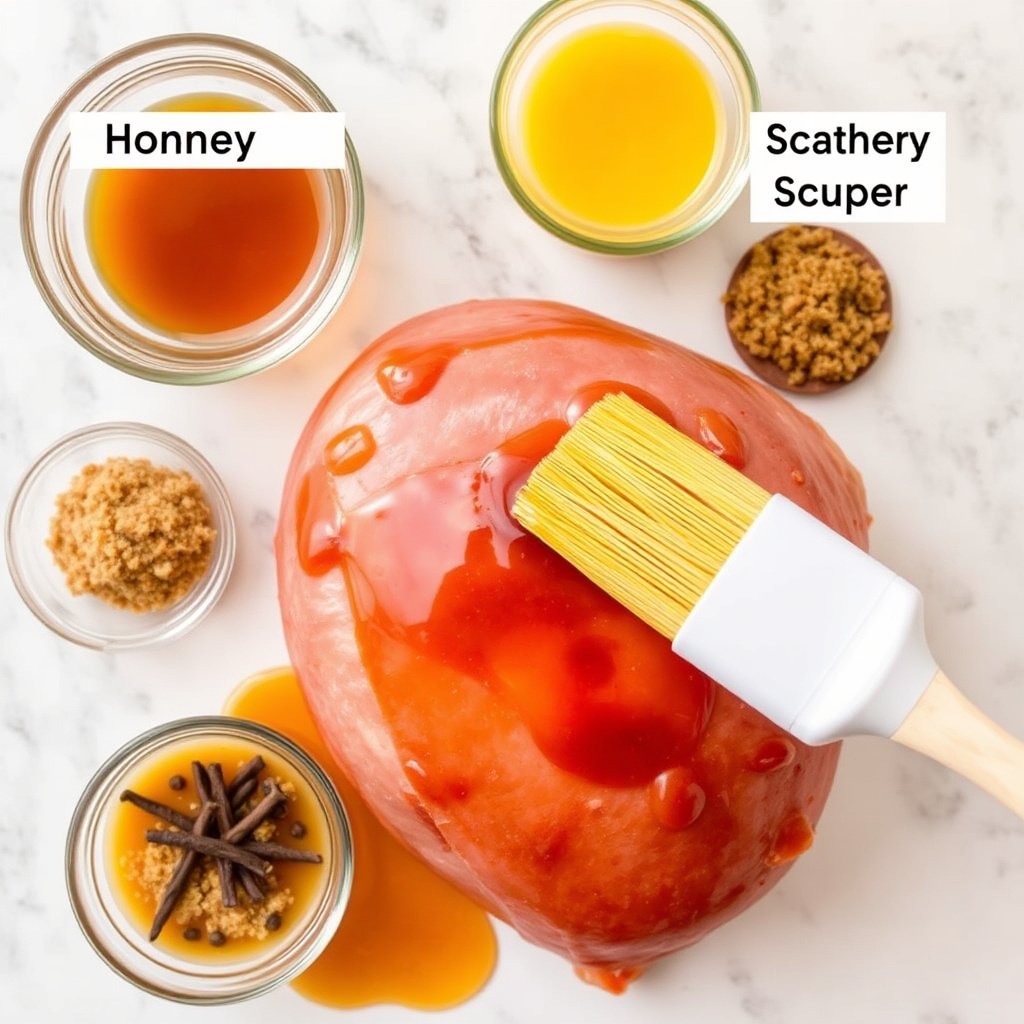
Common glaze ingredients include brown sugar, honey, mustard, pineapple juice, cloves, and maple syrup. These add sweetness and a caramelized crust that complements the salty, smoky ham.
Mixing a glaze beforehand helps flavors meld. Adjust ingredients based on taste preferences; for example, mustard adds a tangy bite while pineapple introduces acidity and tropical notes.
- Brown sugar
- Honey or maple syrup
- Mustard or Dijon
- Pineapple juice or orange juice
- Cloves or cinnamon
For more on this, see our related guide: How to Make French Fries: Easy Steps and 8 Cooking Methods Compared.
Applying Glaze During Cooking
Glaze should be brushed on during the last 20 to 30 minutes of cooking at intervals of 10 minutes. This prevents burning sugars and helps build a sticky, flavorful coating.
Start with a thin coat and add layers gradually. For pre-cooked ham, apply glaze after warming starts to ensure it adheres well without cooking too long.
- Brush glaze multiple times
- Apply gently over scored fat
- Avoid applying too early
Storing and Using Leftover Ham

Proper Refrigeration and Freezing Techniques
Wrap leftover ham tightly in plastic wrap or aluminum foil, then place in an airtight container. Refrigerate and use within 3 to 5 days for best quality.
For longer storage, ham freezes well for up to 2 months. Slice before freezing in airtight bags with as much air removed as possible to prevent freezer burn.
- Store in airtight packaging
- Consume refrigerated ham within 5 days
- Freeze for up to 2 months safely
For detailed food safety standards and cooking temperatures, consult USDA's official ham cooking guidelines. ham cooking guidelines.
Creative Uses for Leftover Ham
Leftover ham can be turned into soups, sandwiches, omelets, salads, and casseroles. Its salty, smoky flavor adds depth to many dishes and reduces food waste.
Cube or shred the ham before adding it to recipes. Heating gently preserves moisture and texture for pleasant eating.
- Ham and bean soup
- Ham salad or sandwiches
- Quiche or frittata additions
- Pasta and rice dishes
Comparison of Ham Cooking Methods
Here’s a side-by-side comparison of common ham cooking techniques to help you choose the best method based on your needs and equipment.
| Cooking Method | Typical Time | Temperature | Suitability | Flavor Result |
|---|---|---|---|---|
| Oven Baking (Pre-cooked) | 10-12 min per pound | 275°F (135°C) | Large whole hams | Moist, caramelized glaze |
| Oven Baking (Fresh Ham) | 18-20 min per pound | 325°F (163°C) | Raw bone-in hams | Tender, browned crust |
| Slow Cooker | 4-6 hours (low) | Low heat | Boneless or small hams | Juicy, less caramelization |
| Grilling | 3-4 min per side (slices) | Medium indirect heat | Slices or small hams | Smoky, crisp edges |
| Microwave (Reheating) | 5-10 min | High power | Pre-cooked slices | Quick but less even |
Frequently Asked Questions
Do I need to cook a pre-cooked ham?
Pre-cooked ham does not require thorough cooking, only heating to about 140°F to ensure it is warm and ready to eat safely.
How do I know when my ham is done?
Use a meat thermometer; fresh ham should reach 145°F with a 3-minute rest, while pre-cooked ham should be heated to 140°F.
Can I freeze cooked ham leftovers?
Yes, cooked ham freezes well for up to two months when wrapped tightly to prevent freezer burn.
What is the best glaze for ham?
A glaze with brown sugar, honey or maple syrup, mustard, and a touch of pineapple juice creates a classic, flavorful crust.
Is it necessary to score the ham before glazing?
Scoring helps the glaze penetrate the fat and promotes even caramelization but can be skipped for pre-sliced or spiral-cut hams.
Key Takeaways
- Identify your ham type to select the correct cooking method
- Use a meat thermometer to monitor doneness accurately
- Apply glaze in the final cooking stages for best flavor
- Properly store leftovers to maintain quality and safety
Conclusion
Deciding how to cook a ham largely depends on the type of ham you have and the flavor profile you want to achieve. Fresh hams require longer cooking at higher temperatures to reach safe internal temperatures, while pre-cooked hams mainly need warming with well-timed glazing for caramelization. Always rely on a meat thermometer and manage moisture by covering during early cooking stages and uncovering later for crispness. This balanced approach guarantees tender, flavorful results without dryness or overcooking.
For those seeking convenience, slow cooker or oven-baking pre-cooked hams provide consistent, juicy outcomes with minimal supervision. If you prefer smoky, charred notes, grilling ham slices or wrapping a whole ham for indirect heat on the grill can enhance your meal uniquely. Classic glazes combining brown sugar and mustard elevate all these methods, while leftover ham finds new life in soups, quiches, or sandwiches. Tailor your choice to occasion size, equipment availability, and desired taste nuances to delight guests easily.
To start, figure out your ham’s type and weight, prepare necessary glaze ingredients, and set your equipment accordingly. Whether you warm a spiral-cut ham or cook a fresh bone-in ham, this guide equips you to create a centerpiece that complements any feast. Remember to rest your ham after cooking for juiciness, and save leftovers safely for versatile second meals. This practical knowledge transforms cooking a ham from a chore into a rewarding culinary experience.