How to Cook Salmon on the Stove: A Step-by-Step Guide
Cooking salmon on the stove is a quick and reliable method to achieve tender, flavorful fish with a crispy exterior. Start by heating a skillet over medium-high heat, adding a bit of oil or butter, then placing the salmon skin-side down to sear for about 4-5 minutes. Flip and cook for another 3-4 minutes until the salmon flakes easily with a fork. This technique locks in moisture while delivering a satisfying texture.
Stovetop cooking matters because it allows precise control over heat, preventing overcooking or drying out the salmon. Unlike baking or grilling, the skillet method gives you that delicious, golden crust that elevates the flavors and keeps the fish juicy inside. Plus, it’s a versatile approach you can use year-round regardless of weather or equipment availability.
In this article, you’ll find detailed instructions on how to cook salmon on the stove, tips on seasoning and preparation, information about the best pans to use, various cooking styles, troubleshooting common issues, and suggestions for serving. Whether you want pan-seared, butter-basted, or steamed salmon, this guide covers everything to help you cook salmon like a pro.
Preparing Salmon for Stovetop Cooking

Selecting the Right Salmon Cut
To cook salmon on the stove effectively, picking the right cut makes a big difference. Fillets are the most common choice because they cook evenly and quickly. Skin-on fillets hold together better and benefit from crispy skin when seared. Steaks and whole sides also work but require more attention during cooking.
Make sure the salmon is fresh or properly thawed if frozen. Fresh salmon should have a vibrant pink to reddish-orange color, and the flesh should be firm and springy. Avoid fish with any fishy smell or discoloration, as that will affect the final dish's quality.
Seasoning and Marinating Tips
Light seasoning enhances the salmon's natural flavor without overpowering it. Simple salt and freshly ground black pepper work very well. Adding a squeeze of lemon or fresh herbs like dill or parsley brightens the taste, especially right before serving.
If you prefer more flavor, marinate salmon for 15-30 minutes with ingredients like soy sauce, garlic, olive oil, or mustard. Avoid overly acidic marinades or extended marinating times, as they can break down the flesh and make it mushy.
Selecting the Best Pan for Cooking Salmon
Non-Stick vs Stainless Steel Pans
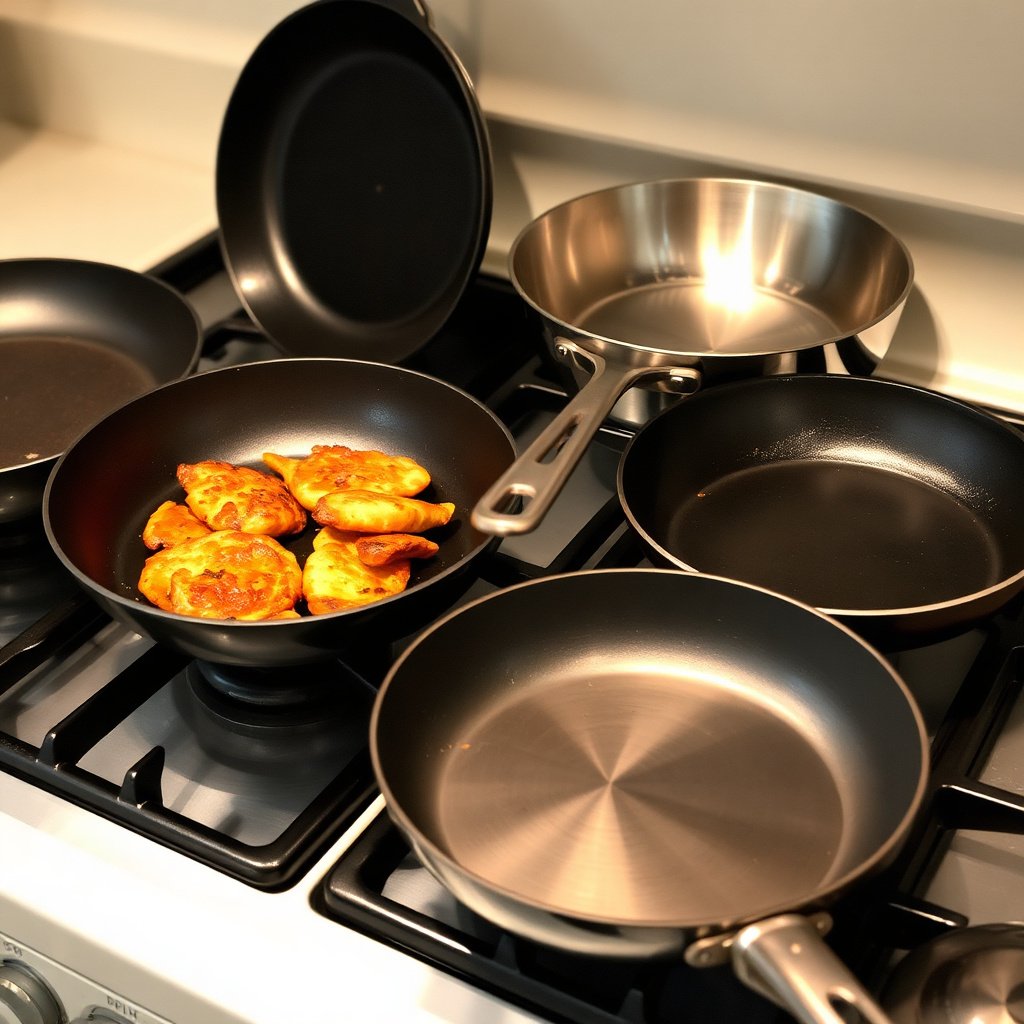
Non-stick pans provide easy release and cleanup, making them excellent for delicate salmon fillets. They prevent the skin from sticking and ensure an even sear without needing excessive oil.
Stainless steel pans deliver superior heat conduction and can create a beautiful crust when preheated properly. However, they require more oil and careful temperature control to avoid sticking or tearing the salmon.
- Non-stick pans: easy cleaning, gentle cooking
- Stainless steel: excellent browning, requires skill
- Use enough oil to prevent sticking in both types
Cast Iron and Other Options
Cast iron skillets are excellent for stovetop salmon because they hold and distribute heat evenly, creating a perfect sear. They need seasoning and some oil to prevent sticking but reward cooks with superb textures.
Other options include ceramic-coated pans which combine some benefits of non-stick and cast iron but may not hold up as well under high heat. Choose the pan that suits your preferred cooking style and maintenance willingness.
- Cast iron: excellent heat retention, requires maintenance
- Ceramic-coated: easier to clean, moderate heat tolerance
Mastering the Stove Cooking Technique for Salmon
Pan-Seared Salmon Step-by-Step
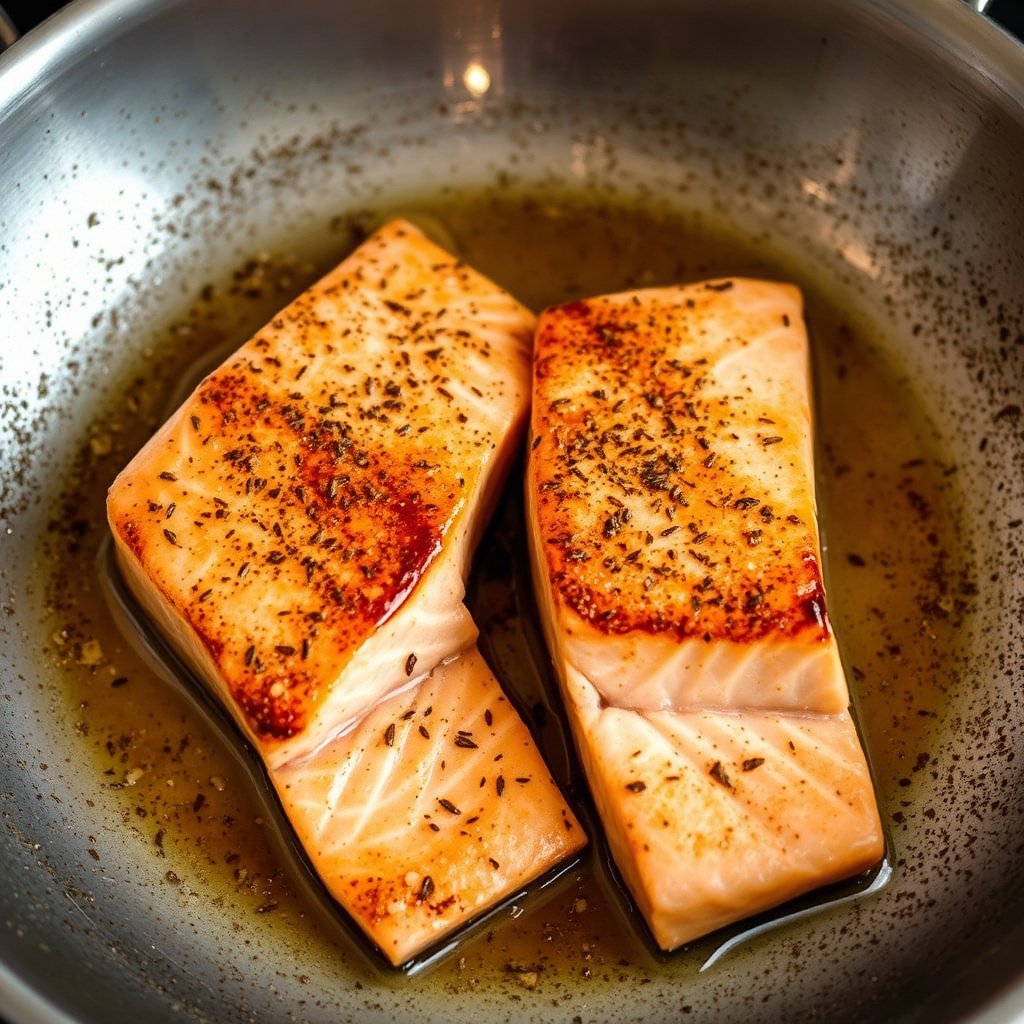
Heat your preferred pan over medium-high heat and add a small amount of oil with a high smoke point, such as canola or avocado oil. Once the pan is hot, place the salmon fillets skin-side down without crowding the pan.
Cook for 4-5 minutes until the skin is crisp and golden. Flip the fillets carefully and cook the other side for about 3-4 minutes. The salmon is done when it flakes easily but remains moist inside. Remove from the pan and let it rest briefly before serving.
- Preheat pan thoroughly
- Use oil with high smoke point
- Avoid moving salmon too early
- Check doneness by flaking with fork
For more on this, see our related guide: How to Cook Seafood for a Crowd: A Complete Guide with Timing & Tips.
Butter-Basting for Extra Flavor
Toward the last minute of cooking, add a couple tablespoons of butter, crushed garlic, and fresh herbs to the pan. Tilt the pan slightly and spoon the melted butter over the salmon repeatedly to baste it.
This technique adds richness and enhances flavor while helping keep the fish tender. It also creates a glossy finish and a wonderful aroma that elevates your meal.
- Use fresh herbs like thyme or rosemary
- Add butter near end to avoid burning
- Spoon butter continuously for best results
Alternative Stove Cooking Methods for Salmon

Steaming Salmon on the Stovetop
Place salmon fillets in a steamer basket over simmering water. Cover the pot and steam for around 6-8 minutes depending on thickness. This gentle method keeps the fish moist and delicate without browning.
Steamed salmon is ideal if you want a tender, light texture and is great for incorporating subtle herbs or citrus slices for aroma.
- Use fresh water and maintain gentle steam
- Avoid overcooking to retain moisture
- Add herbs or lemon for extra fragrance
Poaching Salmon on the Stove
Poaching involves cooking salmon gently in simmering liquid such as broth, wine, or water with aromatics. Submerge the fillets and cook for about 10 minutes until just cooked through.
This method infuses the fish with flavor and preserves tenderness. It produces a very moist result but without the crispy exterior typical of searing.
- Maintain low simmer, not a rolling boil
- Use flavorful liquids for best taste
- Handle gently to keep fillets intact
Common Mistakes and Troubleshooting When Cooking Salmon on the Stove
Avoiding Overcooked and Dry Salmon
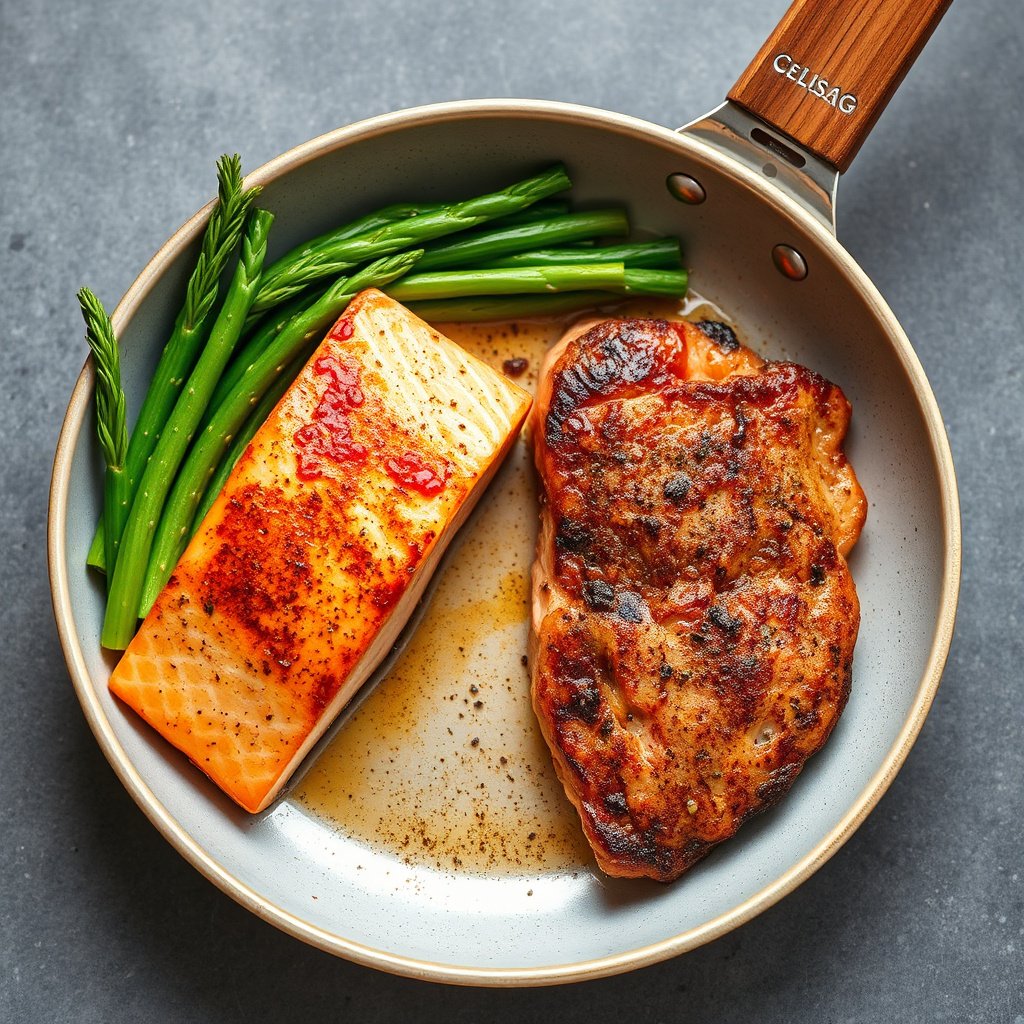
Overcooking salmon causes dryness and loss of flavor. To avoid this, monitor cooking times closely and check for doneness by looking for opaque flesh that flakes easily but still feels moist.
Resting the salmon for a few minutes off the heat allows residual cooking to finish and juices to redistribute, improving texture and flavor.
- Use a timer to track cooking time
- Check doneness early to prevent drying
- Rest fillets briefly after cooking
For more on this, see our related guide: How to Cook Salmon Perfectly: 8 Proven Methods with Timing & Tips.
Preventing Salmon from Sticking to the Pan
Sticking often results from insufficient preheating or lack of oil. Ensure your pan is hot before adding salmon and use enough fat to create a barrier. Resist the urge to move the fish too soon; wait until it naturally releases.
Using non-stick pans or well-seasoned cast iron can reduce sticking risks. Proper technique ensures you get a clean flip and perfect presentation.
- Preheat pan fully before adding salmon
- Use adequate oil or butter
- Do not flip before skin crisps
Serving Suggestions and Pairings for Stove-Cooked Salmon

Classic Side Dishes to Complement Salmon
Roasted or steamed vegetables such as asparagus, broccoli, or green beans pair beautifully with seared salmon. Rice pilaf, quinoa, or mashed potatoes provide a hearty base that absorbs the juices well.
Simple salads with fresh greens, avocado, or cucumber add brightness and balance the richness of the fish, making for a well-rounded meal.
- Roasted asparagus with garlic
- Lemon herb quinoa
- Mixed green salad with vinaigrette
For more detailed information on salmon cooking techniques, consult this comprehensive resource. Salmon cooking techniques.
Sauces and Garnishes for Flavor Boost
Toppings like dill sauce, chimichurri, or a squeeze of fresh lemon juice elevate the dish. A dollop of creamy horseradish or mustard sauce adds zest and pairs well with skillet-cooked salmon.
Fresh herbs such as parsley or chives sprinkled on top provide color and subtle fragrance, completing the presentation and flavor.
- Lemon dill sauce
- Garlic herb butter
- Chopped fresh parsley or chives
Comparison of Popular Stove Cooking Methods for Salmon
Here’s a quick look at several common stovetop methods for cooking salmon, highlighting their key features to help you choose.
| Method | Flavor & Texture | Ease of Cooking | Typical Cooking Time |
|---|---|---|---|
| Pan-Searing | Crispy skin, tender inside | Moderate; requires attention to heat | 7-9 minutes |
| Butter-Basting | Rich, juicy, flavorful | Moderate; adds steps during cooking | 8-10 minutes |
| Steaming | Delicate, moist, no browning | Easy; low risk of burning | 6-8 minutes |
| Poaching | Very tender, infused flavors | Easy; gentle heat control needed | 10 minutes |
Frequently Asked Questions
Should I cook salmon skin-side down first on the stove?
Yes, cooking salmon skin-side down first helps protect the flesh from overcooking and creates a crispy skin that adds texture and flavor.
How can I tell when salmon is cooked on the stove?
Salmon is cooked when its flesh turns opaque and flakes easily with a fork but still feels moist inside. Avoid cooking until it’s dry or tough.
Is it necessary to use oil when cooking salmon on the stove?
Using oil or butter helps prevent sticking and promotes even browning. Choose oils with a high smoke point for best results.
Can I cook frozen salmon directly on the stove?
It’s best to thaw salmon fully before stovetop cooking to ensure even cooking and prevent the exterior from burning while the inside remains raw.
What is the best pan for cooking salmon on the stove?
Non-stick pans are excellent for beginners due to ease of use, while cast iron and stainless steel pans offer superior browning if you manage heat carefully.
Key Takeaways
- Start cooking salmon skin-side down for a crisp finish and juicy interior.
- Choose a suitable pan; non-stick and cast iron are top options.
- Use simple seasonings or light marinades to highlight natural flavor.
- Avoid overcooking by monitoring time and checking doneness carefully.
Conclusion
Cooking salmon on the stove requires balancing heat control with timing to achieve a tender, flavorful result with an appealing crust. Selecting fresh salmon and preparing it adequately sets the foundation. Choosing the right pan and mastering techniques like pan-searing or butter-basting elevate your cooking while avoiding common pitfalls like sticking or dryness.
For those seeking a classic approach, pan-searing skin-side down in a well-preheated cast iron or non-stick pan remains unmatched for flavor and texture. Butter-basting adds richness, while steaming or poaching offers gentle alternatives that preserve moisture and subtlety. Depending on your experience and taste preferences, each method has merits supported by proper seasoning and careful monitoring.
Begin with fresh salmon fillets, season simply with salt and pepper, and select a good pan for cooking salmon on the stove. Experiment with these methods to find your ideal combination of ease, flavor, and presentation. Next time you cook salmon, try pan-searing with butter-basting for a crowd-pleasing meal that’s both juicy and crunchy.