How to Make a Dry Rub for Perfectly Seasoned Meat
Making a dry rub is an easy way to add rich, layered flavor to your meats without any wet marinades or sauces. A dry rub is simply a carefully blended mix of spices and herbs rubbed onto the surface of meat before cooking, creating a flavorful crust and infusing taste during grilling, roasting, or smoking. To make a dry rub, combine your chosen spices in measured proportions and apply generously to your protein, allowing time for the flavors to meld before cooking.
Using a dry rub matters because it can dramatically elevate the taste and texture of meats like chicken, pork ribs, brisket, or even vegetables. Unlike wet marinades, dry rubs absorb into the meat's surface and create a caramelized outer crust when cooked at high heat. This technique is essential for barbecue lovers and home cooks who want flavorful results without the fuss of lengthy marinade times.
This article will cover the essential ingredients for dry rubs, how to balance flavors, different rub styles from spicy to sweet, steps for applying dry rubs effectively, and tips for storing your blends. Whether you want a simple all-purpose rub or one tailored for a specific meat, you’ll find practical guidance to craft your own signature seasoning mix.
Essential Ingredients for a Dry Rub

Common Spice Components
Most dry rubs start with a base of salt, which enhances flavor and draws moisture to create a crust. Black pepper adds warmth and sharpness, while paprika introduces a mild smoky sweetness. Additional spices like chili powder, garlic powder, onion powder, and cumin bring depth and complexity to the blend.
Selecting the right combination depends on your taste preference but keeping salt as the most prominent ingredient ensures the rub penetrates the meat effectively. Experimenting with different peppers or smoked versions of spices can add unique nuances to your rub.
- Salt (kosher or sea salt)
- Black pepper
- Paprika (sweet or smoked)
- Garlic powder
- Onion powder
- Chili powder
- Cumin
Sweet and Aromatic Additions
Balancing savory and spicy flavors with sweetness can make a dry rub more rounded. Common sweeteners include brown sugar, which caramelizes nicely when grilled, adding a pleasant crust and contrast to spicy elements. Cinnamon, nutmeg, or clove can add aromatic warmth, especially for pork or poultry rubs.
Adding herbs like dried thyme, oregano, or rosemary introduces herbal notes that complement rich meats. Fresh herbs are less ideal for dry rubs as moisture can impede crust formation.
- Brown sugar
- Cinnamon
- Nutmeg
- Clove
- Dried thyme
- Oregano
- Rosemary
Balancing Flavors in Your Dry Rub
Achieving the Right Salt and Sugar Ratio
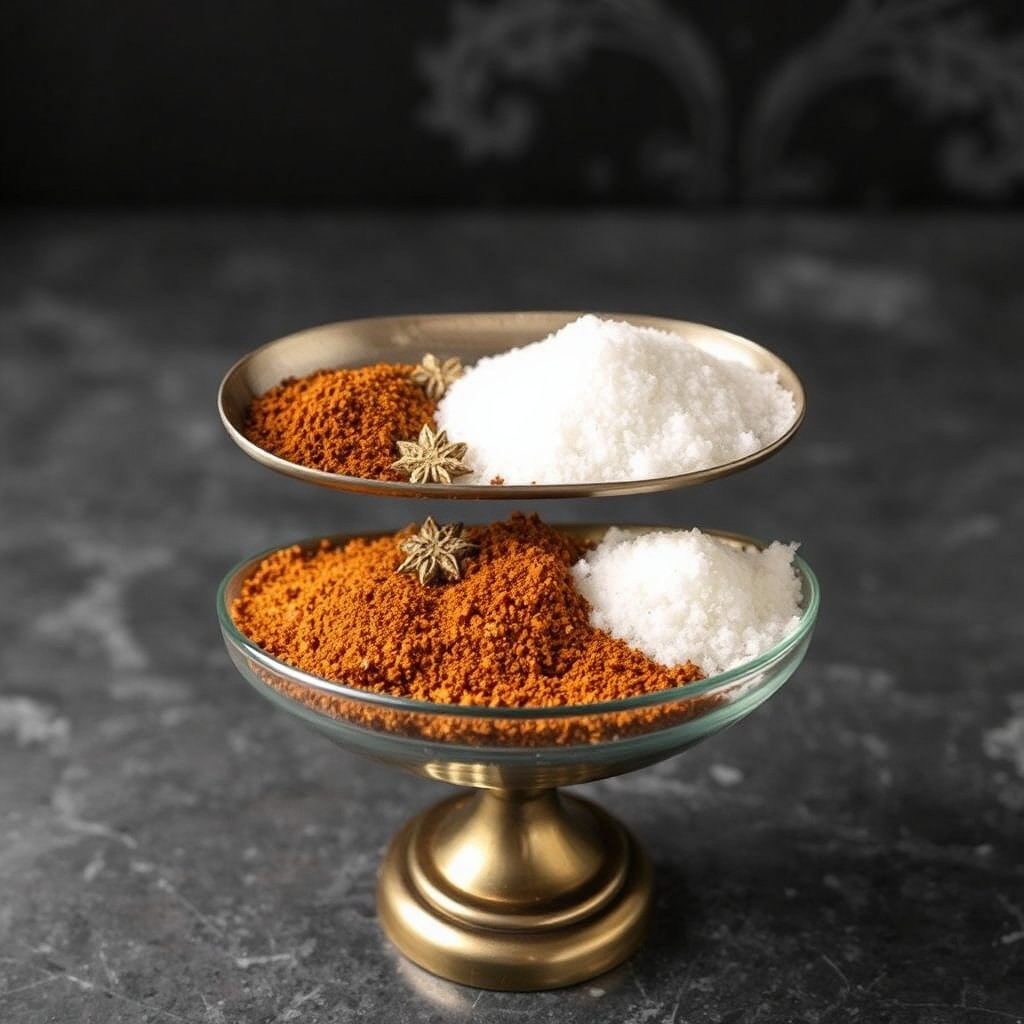
Salt is the key to flavor absorption and crust development, but too much can overpower the meat. A good rule of thumb is to keep salt at around 40-50% of the total rub weight. Sugar should be roughly 20-30% to provide sweetness and caramelization without burning, especially important when cooking with direct heat.
Adjust ratios based on your cooking method. Longer, slower cooking methods allow more sugar because the heat is lower, preventing burning. For high-heat grilling, use less sugar or replace it with milder sweet spices.
Spice Intensity and Heat Levels
To modify heat, include spices like cayenne pepper, crushed red pepper flakes, or chipotle powder. Start with small amounts and taste-test your blend. Remember that cooking mellows heat slightly, but too much spicy kick can mask other flavors.
Balancing heat with sweetness or bulk ingredients like paprika helps create harmony. Avoid making the rub too pungent; a blend of several spices rather than one dominating flavor usually yields the best results.
Popular Dry Rub Styles and Their Uses
Classic BBQ Dry Rub
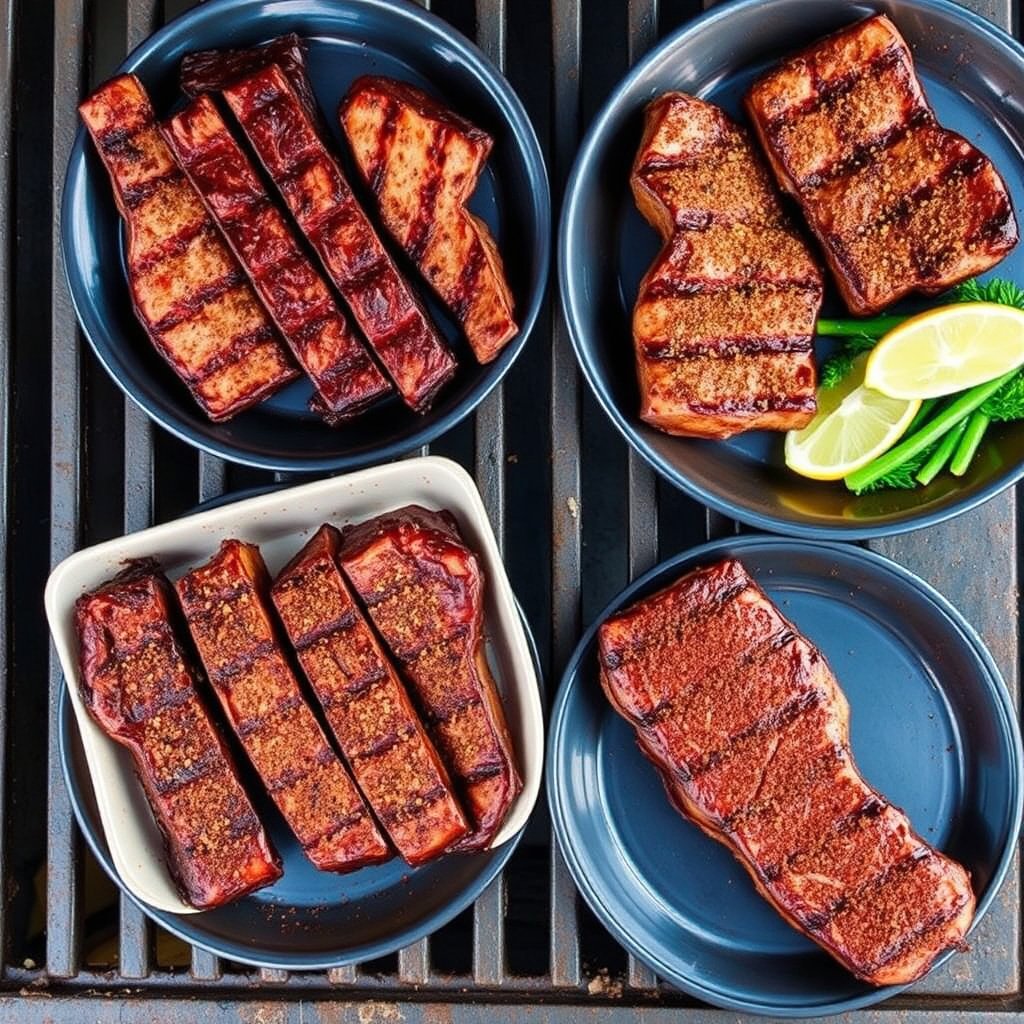
This style emphasizes smoky, sweet, and spicy notes perfect for pork ribs or beef brisket. It typically combines smoked paprika, brown sugar, kosher salt, black pepper, garlic powder, onion powder, and cayenne. The sugar balance and spice heat work well during slow smoking to produce tender, flavorful meat.
BBQ rubs vary regionally; for example, Memphis rubs highlight sweetness while Texas rubs often focus on peppery heat and minimal sweetness. Customizing to your preference is key to creating a rub that suits your barbecue style.
For more on this, see our related guide: How to Make French Toast: A Complete Guide for Perfect Results.
Simple All-Purpose Rub
An all-purpose dry rub is versatile for chicken, pork, beef, and even vegetables. Typically consisting of salt, black pepper, garlic powder, onion powder, and paprika, it imparts balanced flavor without overpowering the natural taste of the food.
Because of its simplicity, this rub is great for everyday meals, allowing you to season quickly before grilling, roasting, or pan-searing. It’s ideal for home cooks who want flavor without fuss.
How to Apply a Dry Rub Correctly

Preparing Meat for the Dry Rub
Start with dry meat by patting it with paper towels to remove surface moisture, which helps the rub adhere and form a crust once cooked. You can trim excess fat but leaving some improves flavor retention.
Applying rub to meat at room temperature is preferable as it promotes even seasoning. For best results, apply the rub at least 30 minutes before cooking or up to overnight in the refrigerator, wrapped tightly to allow flavors to penetrate.
Techniques for Even Coverage
Generously sprinkle the dry rub over all sides of the meat and use your hands to massage it in with firm pressure. Don’t forget edges or folds where flavor can intensify. Avoid over-handling to keep the rub intact.
For thicker cuts, score the surface lightly to help the rub penetrate deeper. After applying, pat off any excess rub that feels clumpy to prevent burning during cooking.
Dry Rub Storage and Shelf Life
Best Containers and Conditions
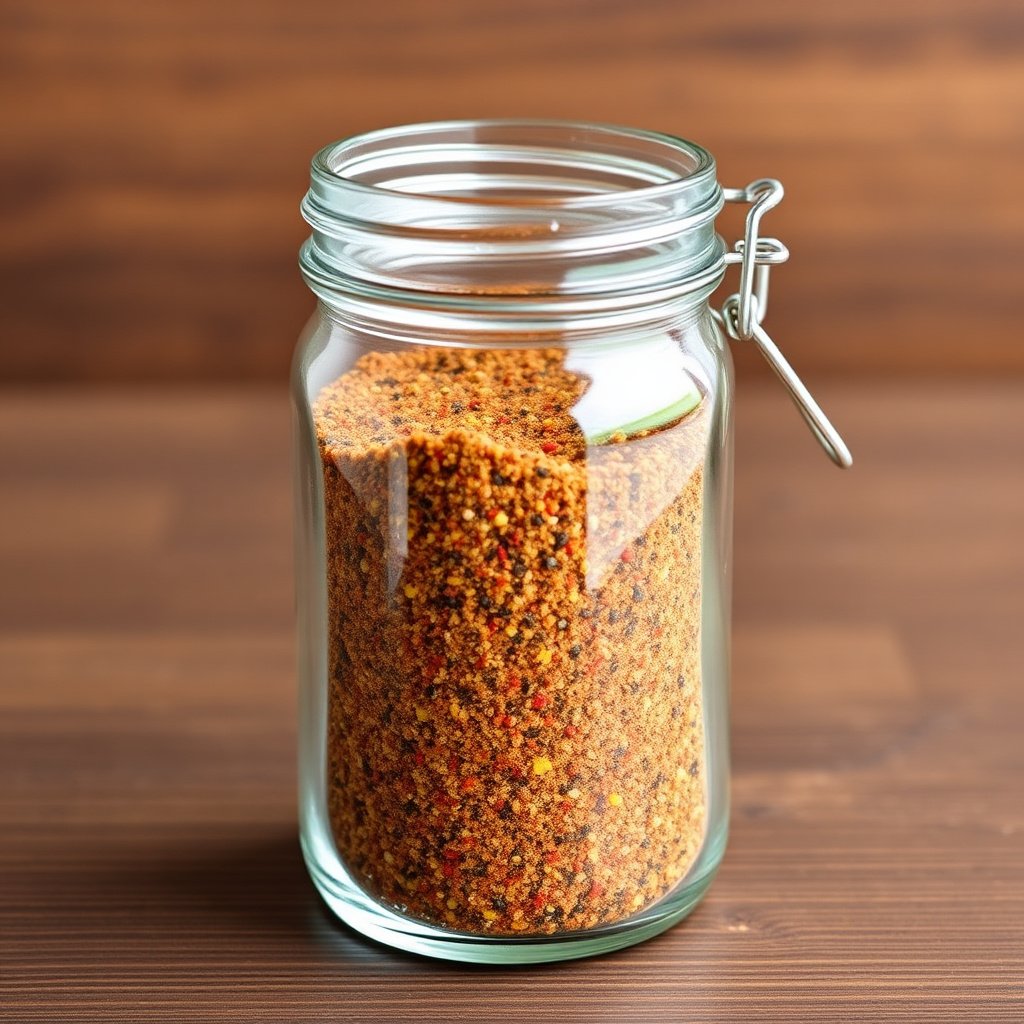
Store your dry rubs in airtight containers such as glass jars or plastic lidded containers placed in a cool, dark pantry or cupboard. Exposure to heat, light, or air degrades the flavors and potency of the spices over time.
Avoid storing near stove tops, ovens, or windows where sunlight can rapidly age the rub. Proper storage helps maintain freshness for months.
- Airtight glass or plastic containers
- Cool, dark storage location
- Avoid sunlight and heat exposure
For more on this, see our related guide: How to Make Omelette with Perfect Results: A Complete Guide for Beginners.
How Long Do Dry Rubs Last?
Dry rubs generally keep their best flavor for 6 to 12 months if stored properly. Over time, spices lose their aroma and strength but remain safe to consume. Regularly sniff or taste a small pinch to judge potency.
If your rub includes sugar, check for any clumping or moisture contamination, which signals the need for replacement to avoid spoilage.
Using Dry Rubs with Different Cooking Methods
Grilling and Smoking
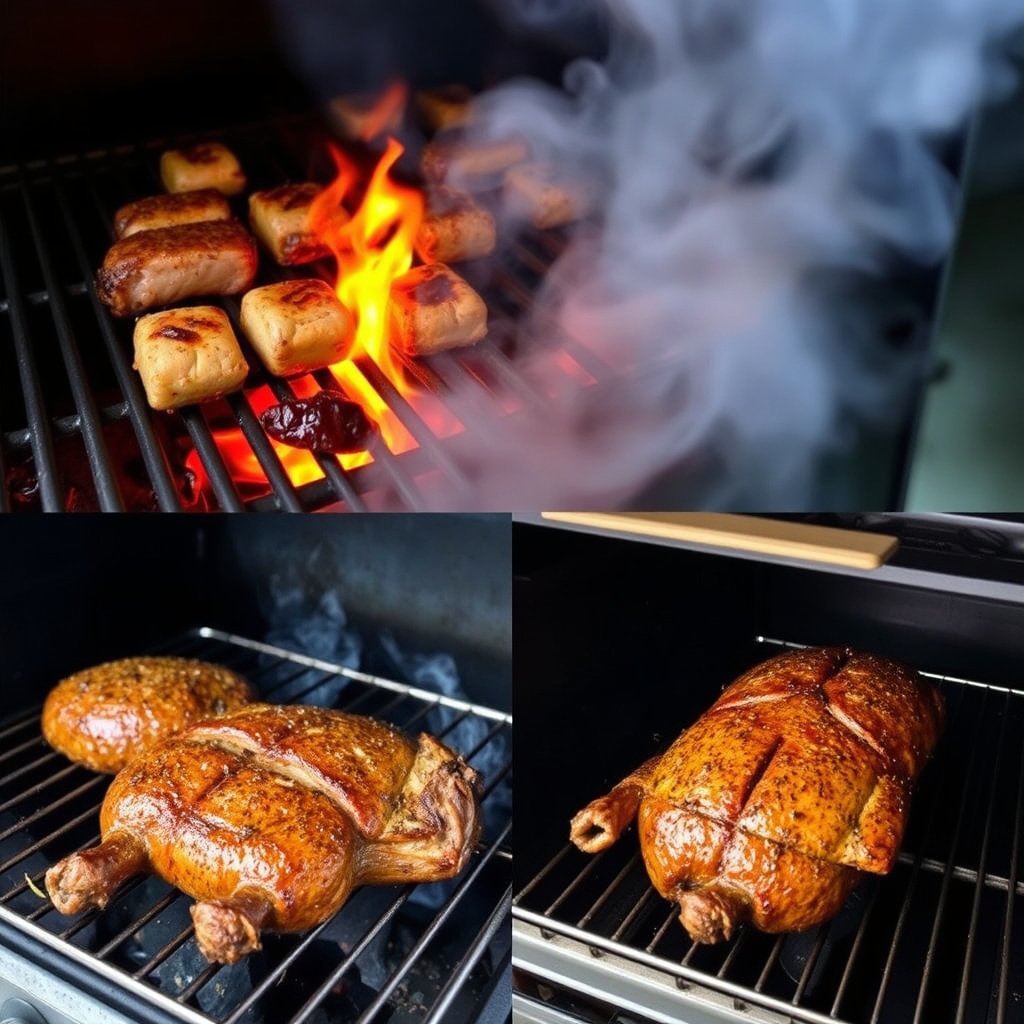
Dry rubs excel on the grill or smoker because the direct and indirect heat intensifies the crust formation and flavor concentration. Smoking is ideal for rubs with higher sugar content because slow cooking allows caramelization without burning.
Applying rubs before smoking also helps the smoky flavor complement the spices. Keep the cooking temperature moderate to prevent rub charring.
For more detailed background and variations on dry rub seasoning, check out the dry rub seasoning Wikipedia page. dry rub seasoning Wikipedia.
Oven Roasting and Pan Searing
Oven roasting with a dry rub benefits from even heat distribution, which helps create a consistent crust. For pan searing, rubs provide immediate flavor and a golden-brown exterior but require careful heat control to avoid burning sugars.
In both methods, resting the rubbed meat after cooking keeps juices in balance and enhances overall taste.
Popular Dry Rub Types Comparison
Here’s a comparison of some of the most common dry rub styles and their ideal uses, flavor profiles, and key ingredients.
| Rub Style | Ideal Meat | Flavor Profile | Key Ingredients |
|---|---|---|---|
| Classic BBQ | Pork ribs, brisket | Smoky, sweet, spicy | Smoked paprika, brown sugar, cayenne, garlic powder |
| All-Purpose | Chicken, pork, beef, vegetables | Balanced, mild, savory | Salt, black pepper, garlic powder, onion powder, paprika |
| Texas Pepper | Beef brisket, steak | Bold, peppery, savory | Coarse black pepper, kosher salt, garlic powder |
| Spicy Cajun | Chicken, shrimp, pork | Hot, smoky, savory | Cayenne, smoked paprika, thyme, oregano, garlic powder |
| Sweet & Warm | Pork, poultry | Sweet, aromatic, mild heat | Brown sugar, cinnamon, nutmeg, clove, salt |
Frequently Asked Questions
Can I use fresh herbs in a dry rub?
Fresh herbs contain moisture, which can prevent the dry rub from forming a proper crust and may affect storage. Dried herbs are preferred for dry rubs to maintain texture and flavor intensity.
How long should I leave the dry rub on meat before cooking?
Applying the rub at least 30 minutes before cooking allows flavors to penetrate. For deeper flavor, refrigerate meat with the rub for several hours or overnight.
Will too much sugar in a dry rub cause burning?
Yes, high sugar content can burn at high temperatures, especially during grilling. Use sugar moderately or adjust cooking methods to lower heat for sweet rubs.
Can I reuse a dry rub once applied to meat?
It's not recommended to reuse a dry rub after applying it to meat due to potential contamination and flavor loss. Always use fresh rub for best results.
Are dry rubs suitable for vegetables?
Absolutely. Many dry rubs enhance vegetables like potatoes, mushrooms, and zucchini, providing an extra layer of seasoning and flavor when grilled or roasted.
Key Takeaways
- A dry rub is a mix of spices and salt rubbed onto meat to enhance flavor and texture.
- Balancing salt, sugar, and spices in your dry rub affects taste and cooking results.
- Different rub styles suit various meats and cooking methods like grilling or roasting.
- Proper application and storage of dry rubs maintain freshness and flavor effectiveness.
Conclusion
Creating a dry rub involves blending the right proportions of salt, spices, and sometimes sugar to complement your chosen meat and cooking method. The key is balancing flavors to build complexity without overpowering the meat’s natural taste. Understanding ingredient roles and experimenting with heat and sweetness levels makes building a perfect dry rub achievable for any home cook.
For those who enjoy classic barbecue, a smoked paprika and brown sugar-based rub works wonderfully on pork ribs and brisket, lending a sweet and smoky crust after low and slow cooking. Alternatively, an all-purpose rub with simple salt, pepper, and garlic powder suits quick grilling or roasting of chicken or vegetables. Spicy rubs with cayenne or chipotle powders add kick to dishes like shrimp or pork, while sweet and aromatic blends with cinnamon and clove pair especially well with poultry.
If you’ve never mixed a dry rub, start small with a basic recipe and adjust spices based on your taste preference. Make your blend in advance and store it properly to keep it fresh. When ready to cook, apply the rub evenly and give it time to infuse before grilling or roasting. This straightforward technique will add impressive flavor to your meals and elevate your cooking skill with minimal effort.