How to Smoke Salmon: A Step-by-Step Guide for Rich, Flavorful Results
Smoking salmon is a great way to enhance its natural flavor while preserving it. The process involves curing the salmon and then exposing it to smoke from burning wood, which imparts a delicious smoky taste and tender texture. This method can produce everything from cold-smoked, silky fillets to hot-smoked, flaky pieces.
Many people find smoking salmon worth the effort because it transforms ordinary fillets into a gourmet delicacy with complex layers of taste. Whether you want to serve it as an appetizer, in salads, or on bagels with cream cheese, learning how to smoke salmon is a rewarding skill for any home cook or outdoor enthusiast.
This guide will cover the types of salmon best suited for smoking, the curing process with brines or dry cures, selecting the best wood for smoking salmon, differences between cold and hot smoking, equipment options, and tips for achieving consistently great results.
Selecting and Preparing Salmon for Smoking
Choosing the Right Type of Salmon
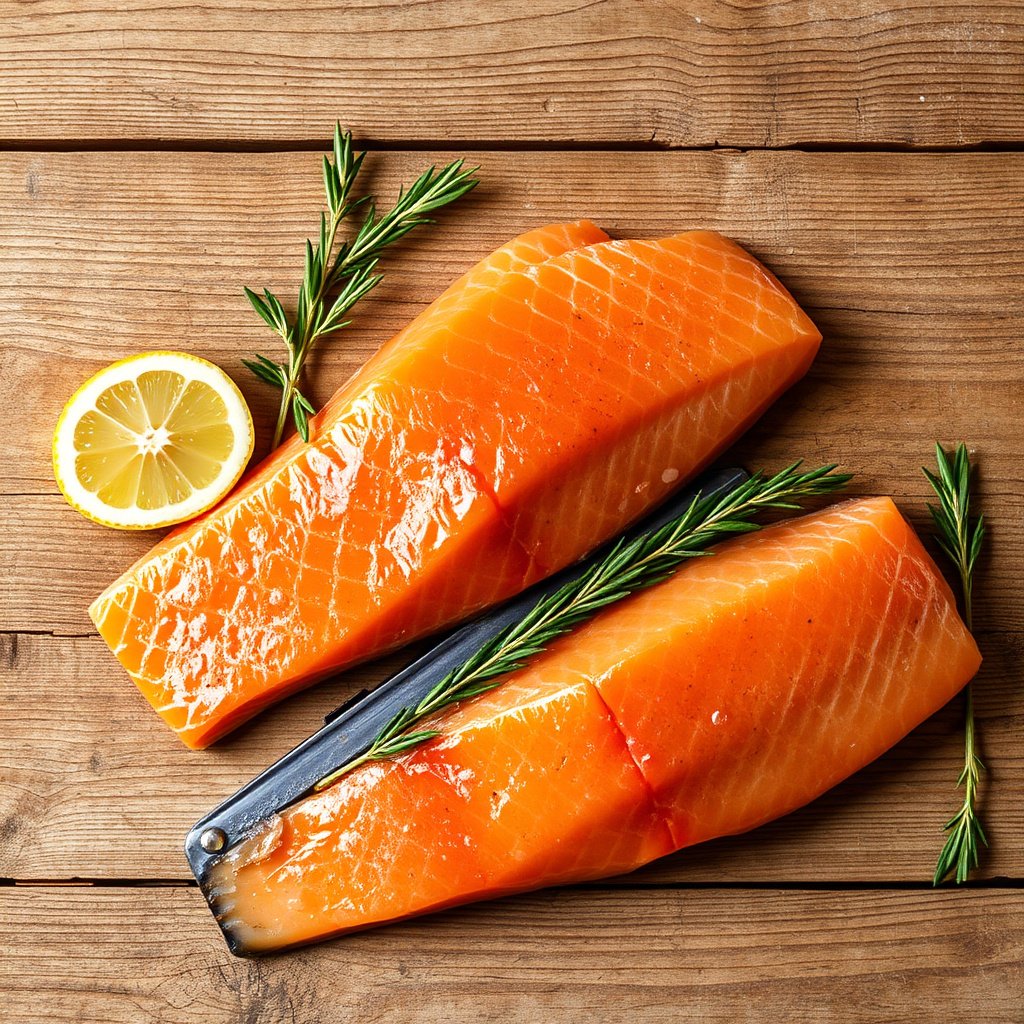
Sockeye, king, and coho salmons are popular choices for smoking due to their firm texture and rich fat content. Wild-caught salmon often has a more intense flavor, but farmed salmon is more widely available and consistent in fat levels. Avoid overly thin fillets as they can dry out during smoking.
Look for fresh, skin-on fillets that are free from pin bones. The skin helps hold the fish together and reduces sticking to grates. Thick, evenly sized portions also smoke more uniformly, making the result more predictable.
Cleaning and Preparing the Fish
Rinse the salmon under cold water to remove any residual scales or slime, then pat dry thoroughly. Removing excess moisture helps the cure to penetrate the flesh better and achieves a better smoke ring.
Trim any damaged sections of the fillet and remove pin bones with tweezers. Some cooks prefer to leave skin intact while others prefer skinless fillets based on personal preference or recipe requirements.
Curing Salmon: Brine vs. Dry Cure Methods
Brining Salmon Before Smoking
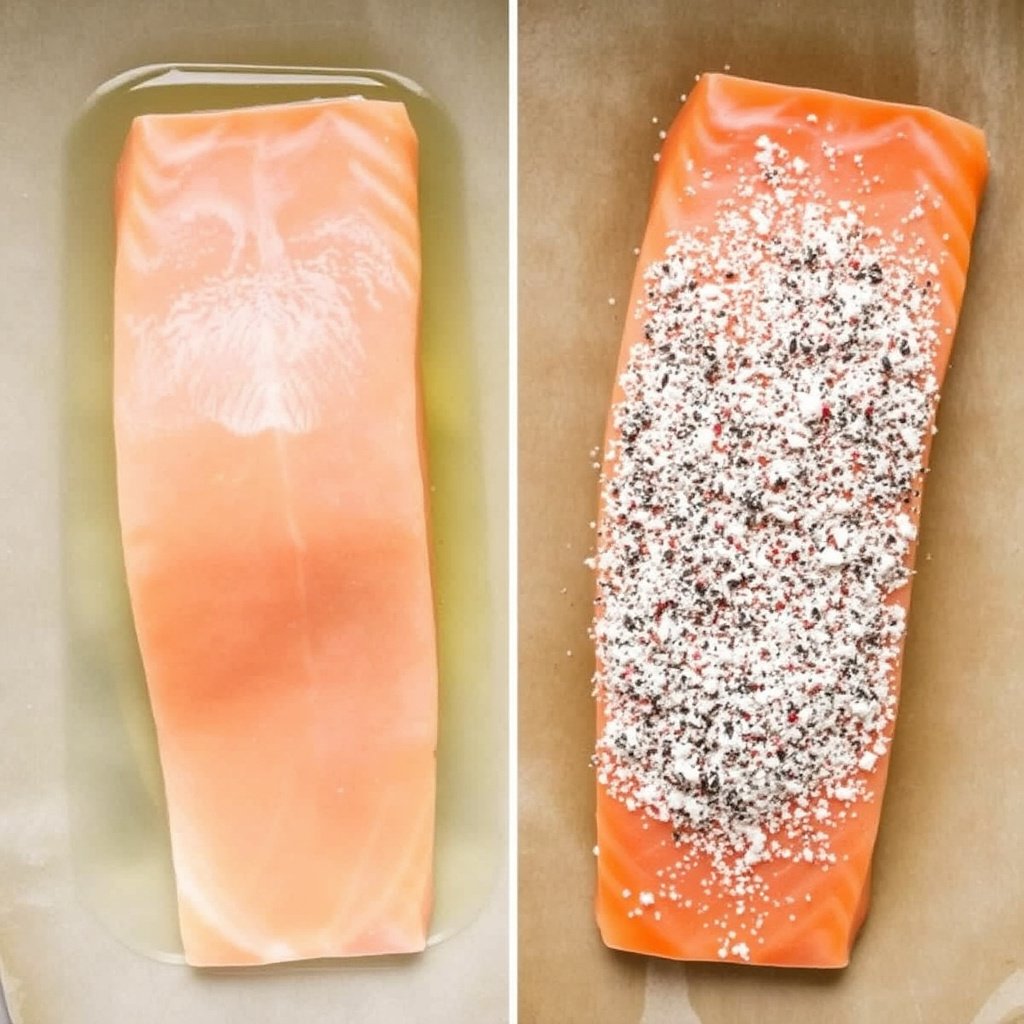
Brining involves submerging the salmon in a saltwater solution that often includes sugar, herbs, or spices. The salt in the brine draws moisture out of the fish and infuses it with flavor, creating a tender, juicy texture after smoking.
Typical brine solutions use 5-8% salt by weight, with optional sugar and aromatics like peppercorns or bay leaves. Soaking time usually ranges from 4 to 12 hours, depending on fillet thickness and desired saltiness.
- Use cold water to prevent bacterial growth
- Refrigerate during brining
- Rinse and dry the fillet thoroughly before smoking
Dry Curing Salmon with Salt and Sugar
Dry curing is a simpler alternative where a mixture of salt and sugar—sometimes with flavor enhancers like dill or mustard seeds—is massaged onto the fish. This method pulls moisture out more aggressively and leads to a firmer texture.
After applying the cure, wrap the fillet tightly and refrigerate for 12 to 24 hours. Then rinse off the cure completely and pat dry. Allowing the salmon to air-dry forms a pellicle, a tacky surface that helps the smoke flavor adhere better.
- Use fine sea salt for even curing
- Include equal parts sugar to balance saltiness
- Do not over-cure to prevent an overly salty result
Choosing the Best Wood for Smoking Salmon

Mild Woods for a Delicate Flavor
Alder is the traditional choice for smoking salmon on the West Coast of the U.S. Its mild, slightly sweet smoke imparts a delicate flavor that complements rather than overpowers the fish.
Fruitwoods like apple and cherry also yield subtle, sweet smoke profiles. These woods are perfect for beginners or those who want a light smokiness that pairs well with salmon’s natural richness.
- Alder wood
- Apple wood
- Cherry wood
For more on this, see our related guide: How to Cook Salmon Perfectly: 8 Proven Methods with Timing & Tips.
Stronger Woods and Blends for Bold Flavor
Hickory and mesquite produce a more robust, intense smoke that can easily dominate delicate fish if not used sparingly. These are better for experienced smokers who prefer a smoky punch or when smoking denser cuts.
Mixing mild fruitwoods with small amounts of hickory can create a balanced flavor. Experimentation lets you tailor the smokiness to your taste without overwhelming the natural salmon flavor.
- Hickory wood
- Mesquite wood
- Wood chip blending
Cold Smoking vs. Hot Smoking Methods
Cold Smoking for Silky, Raw Texture
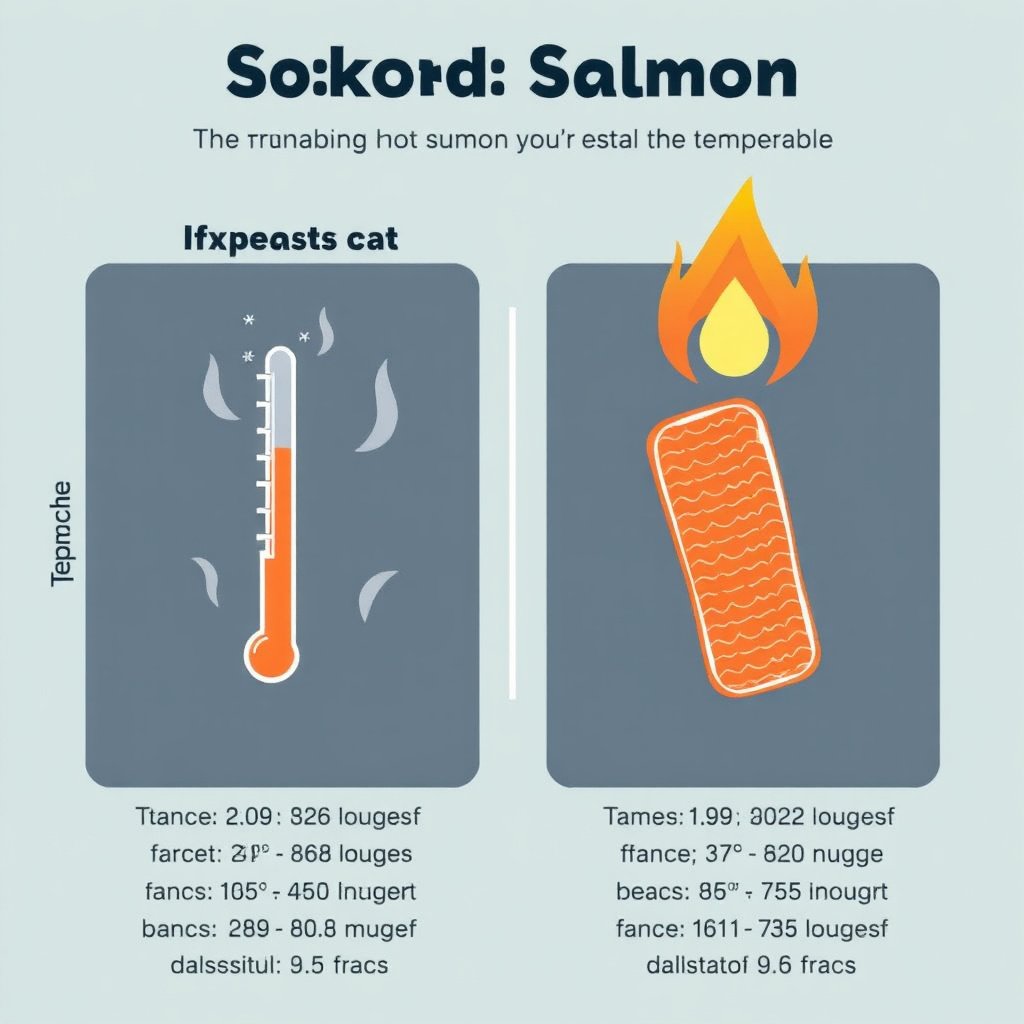
Cold smoking salmon is performed at temperatures between 68°F and 86°F (20°C to 30°C), making it more like a flavor infusion than cooking. This process requires a longer smoke time, often 12 to 24 hours, and yields tender, translucent fish close to sashimi.
Because the fish isn’t cooked, curing and hygiene are paramount to prevent spoilage. Cold-smoked salmon is commonly called lox and used in thin slices for bagels or salads.
- Maintains silky texture
- Requires refrigeration and salted curing
- Longer smoke duration
Hot Smoking for Flaky, Fully Cooked Salmon
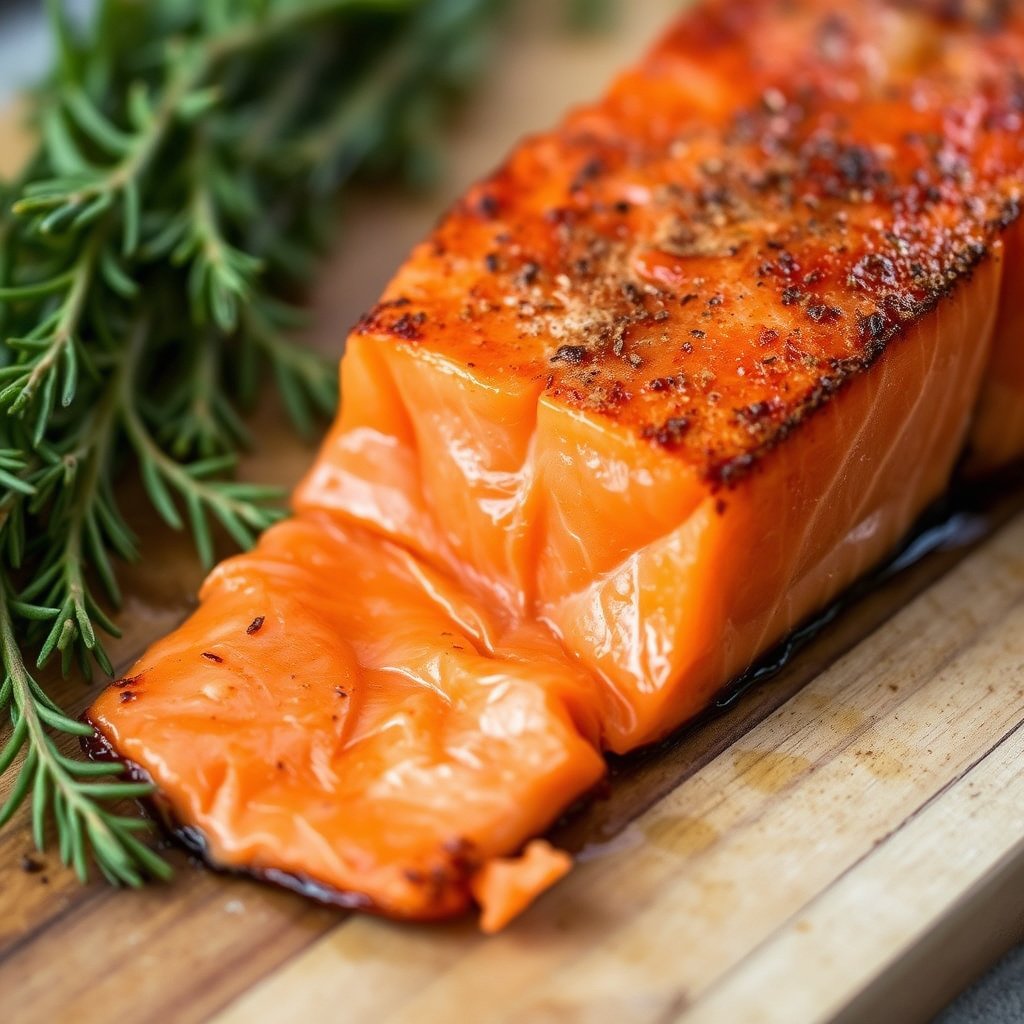
Hot smoking occurs at higher temperatures between 120°F and 180°F (49°C to 82°C), cooking the fish while smoking it. It produces a flaky, tender texture with a golden interior and smoky crust.
This method is faster—usually 1 to 4 hours depending on thickness—and safer since the fish is fully cooked by the end. Hot-smoked salmon is versatile and can be eaten cold or reheated.
- Fully cooks the fish
- Shorter smoking time
- More forgiving process
Tools and Equipment for Smoking Salmon
Dedicated Smokers and Outdoor Grills
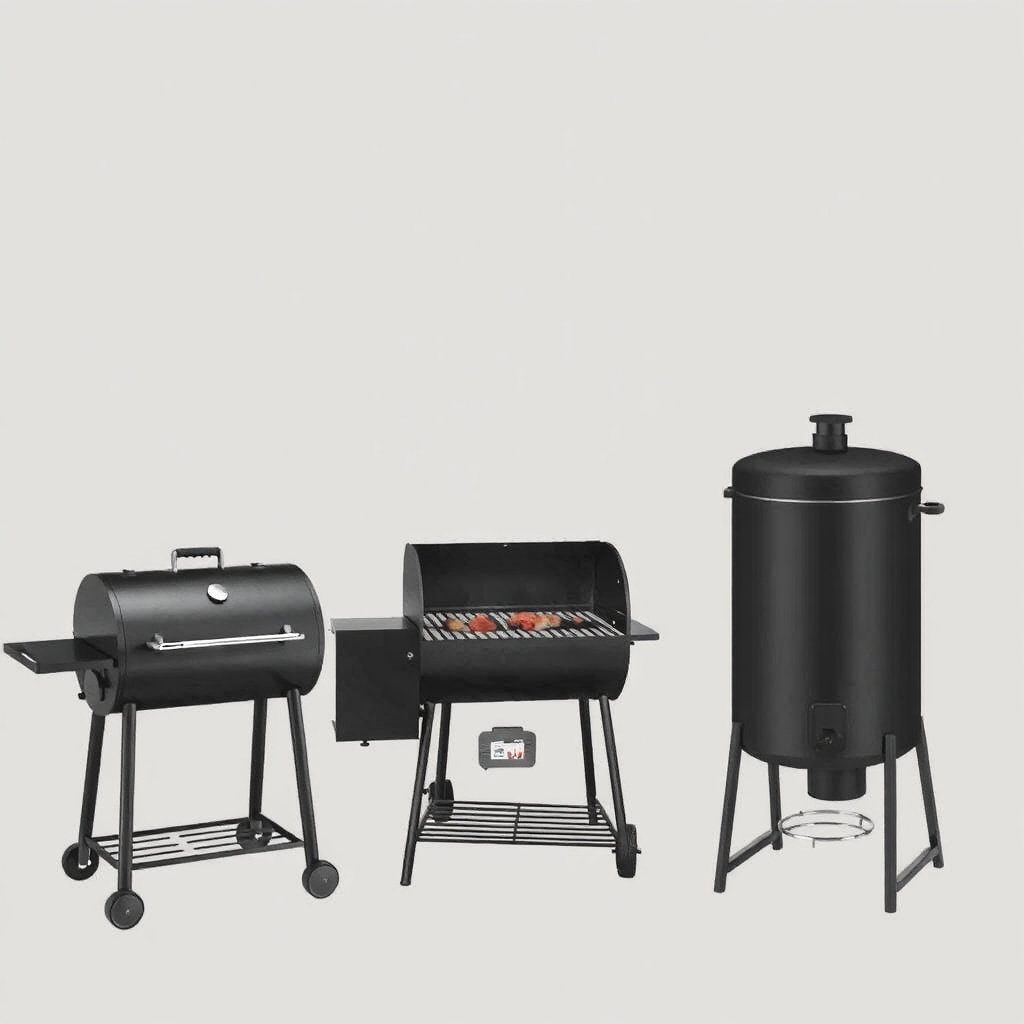
Dedicated vertical or horizontal smokers provide good temperature control and smoke circulation. Pellet smokers are especially convenient, automatically feeding wood pellets for consistent smoke and heat.
Traditional charcoal or gas grills can be modified for smoking by adding a smoker box or wood chips on indirect heat. This method is budget-friendly but requires close monitoring of temperature and smoke levels.
- Vertical smokers
- Pellet smokers
- Charcoal and gas grills with smoker boxes
For more on this, see our related guide: How to Make French Toast: A Complete Guide for Perfect Results.
Cold Smoking Attachments and Indoor Solutions
Cold smoking accessories like small smoke generators allow you to cold smoke foods safely at low temperatures indoors or in controlled spaces. These devices produce smoke without adding heat.
For small batches, electric smokers or specialized cold smokers are practical options, especially for hobbyists who want more control without building large outdoor setups.
- Cold smoke generators
- Electric smokers
- Indoors cold smoking gear
Tips for Perfectly Smoked Salmon Every Time
Managing Temperature and Smoke Levels
Consistent temperature control is essential for evenly smoked salmon. Use a reliable thermometer to monitor your smoker’s ambient heat and the internal fish temperature during hot smoking.
Avoid over-smoking, which results in bitterness. Use good quality, well-seasoned hardwoods and moderate smoke production to achieve a balanced flavor.
- Use digital thermometers
- Keep smoke thin and steady
- Avoid prolonged smoke exposure
For more detailed background on the smoking process, you can read this comprehensive Smoking (cooking) detailed guide. Smoking salmon detailed guide.
Storing and Serving Your Smoked Salmon
After smoking, wrap salmon tightly and refrigerate to preserve freshness. Smoked salmon can also be frozen for longer storage but may lose some texture quality.
Serve cold-smoked salmon thinly sliced or hot-smoked in chunks. It pairs well with cream cheese, crackers, fresh herbs, or in salads and pasta dishes.
- Wrap tightly to avoid drying out
- Refrigerate promptly
- Serve with light accompaniments
Smoking Salmon Methods Comparison
This table compares major aspects of cold smoking and hot smoking techniques for salmon, helping you choose the best method for your needs.
| Method | Temperature Range | Smoke Time | Texture Result | Safety Level |
|---|---|---|---|---|
| Cold Smoking | 68°F – 86°F (20°C – 30°C) | 12-24 hours | Silky, raw-like | Requires strict curing and refrigeration |
| Hot Smoking | 120°F – 180°F (49°C – 82°C) | 1-4 hours | Flaky, cooked | Fully cooked, safer for beginners |
Frequently Asked Questions
How long can smoked salmon be stored safely in the refrigerator?
Properly wrapped smoked salmon can last up to a week in the refrigerator. For longer storage, freezing is an option, although freezing may affect texture slightly.
Is it necessary to cure salmon before smoking?
Yes, curing is crucial to draw out moisture, enhance flavor, and prevent bacterial growth, especially for cold smoking where the fish isn’t cooked.
Can I smoke salmon outdoors on a charcoal grill?
Absolutely, a charcoal grill can be adapted for smoking by setting up for indirect heat and adding wood chips or chunks in a smoker box.
Which wood type is best for beginners smoking salmon?
Alder wood is considered ideal for beginners because it provides a mild and sweet smoke flavor that complements salmon without overpowering it.
What internal temperature should I look for when hot smoking salmon?
For hot smoked salmon, an internal temperature of 140°F (60°C) indicates the fish is fully cooked and safe to eat.
Key Takeaways
- Use fresh, thick salmon fillets with skin on for best smoking results
- Cure salmon via brine or dry cure to enhance flavor and safety
- Choose mild woods like alder or fruitwoods for a balanced smoke
- Cold smoking yields silky texture; hot smoking cooks salmon fully
Conclusion
Learning how to smoke salmon involves understanding the balance between preparation, curing, choice of wood, and smoking technique. Whether opting for cold smoking’s silkiness or hot smoking’s flaky texture, focusing on salmon quality, proper curing, and steady temperature control will guide your success. Matching the method to your culinary goals ensures the best flavor and food safety throughout the process.
For those seeking delicate, translucent slices perfect for canapés or bagels, cold smoking with a mild wood like alder is ideal, provided you carefully handle curing and temperature to prevent spoilage. Alternatively, hot smoking suits anyone craving a ready-to-eat dish with a rich, smoky crust and flaky interior, using temperatures high enough to cook the fish and simpler curing steps. Your choice ultimately hinges on personal taste and how you plan to serve the smoked salmon.
Start your salmon-smoking journey by selecting fresh, properly sized fillets and deciding between brine or dry curing. Experiment with wood types and smoking durations in small batches, noting what flavors you prefer. With practice, your ability to produce perfectly smoked salmon tailored to your tastes will steadily improve, adding a gourmet touch to your meals and gatherings.