How Long Does a Gas Range Last? The Complete Answer
Are you tired of replacing your gas range sooner than expected? Many people struggle with figuring out how long their appliances will last and whether they’re making the most of their investment.
If you’re wondering about the lifespan of a gas range and how to keep it running smoothly, you’re not alone.
You can expect your gas range to last about 15 to 20 years with proper care, though budget models may wear out around 10 years.
How well it lasts depends on installation, fuel type, cooking habits, and maintenance. Regular cleaning and timely repairs prevent issues and extend its lifespan.
Signs like uneven heating or rust mean it might be time to act.
Keep in mind, brand quality also plays a big role—you’ll find out more details on this and other tips next.
Key Takeaways
- Gas ranges usually last 15 to 20 years if you take good care of them. Budget models might only last around 10 years.
- Choosing quality brands, proper installation, and good materials can help your gas range last longer and work better.
- Heavy use speeds up wear, but regular cleaning and fixing issues early can help it last longer.
- Watch out for signs like uneven heating, gas smells, rust, or trouble with ignition. These are clues it might be time to repair or replace.
- Most gas ranges come with warranties of 1 to 5 years. These usually cover key parts but not everyday wear and tear.
How Long Does a Typical Gas Range Last?
Although the lifespan of a gas range can vary, you can generally expect it to last between 15 and 20 years with proper care. When choosing a gas range, it’s helpful to consider brands known for their durability because they often last longer than average.
Brands like GE, Whirlpool, and Bosch have built reputations for making reliable models that stand the test of time. Knowing the average lifespan gives you a realistic idea of when you might need to replace or upgrade your appliance.
Keep in mind that budget-friendly options might last closer to 10 years. Investing in a reputable brand usually means your range will last longer and perform better over the years.
Understanding these lifespan expectations helps you make smarter decisions when buying and maintaining your gas range. This ensures you get the most value and avoid having to replace it sooner than you’d like.
Key Factors That Influence Gas Range Lifespan
Because several factors affect how long your gas range lasts, understanding them can help you extend its lifespan. First, installation quality plays an essential role. Improper setup can lead to early malfunctions.
Proper installation is crucial, as it prevents early malfunctions and helps extend your gas range’s lifespan.
The fuel type you use also matters. Propane and natural gas have different impacts on wear and efficiency. Your cooking habits influence wear patterns. Frequent high-heat cooking may stress components faster.
Environmental factors like humidity and temperature fluctuations can cause rust or damage over time. Your user experience, including regular maintenance and cleaning, directly affects how well your range performs and lasts.
Age impact is inevitable, but ranges with advanced safety features often enjoy longer operational lives by preventing damage. Finally, model variations matter. Higher-end models typically use more durable materials and technology, which can extend lifespan compared to budget options.
How Usage Frequency Affects Gas Range Lifespan
Your gas range’s lifespan closely ties to how often you use it. If you cook daily and heavily, your range will face more wear and tear, which can shorten its life.
On the flip side, using it only occasionally means less strain on the parts, helping your range last longer. Your cooking habits also matter; frequently cooking at high heat can stress burners and valves, affecting how well it heats over time.
In contrast, cooking at moderate heat and being careful while using it reduces the risk of early breakdowns. A smooth operation depends a lot on how much you rely on your range day to day.
Knowing these factors helps you predict how durable your range will be. Recognizing how your routines impact performance allows you to decide when it might need replacing.
Ultimately, balancing your cooking frequency with mindful use helps keep your gas range working efficiently and extends its overall lifespan.
How Maintenance Helps Your Gas Range Last Longer
Taking good care of your gas range really helps it last longer. Just keeping it clean and fixing things as soon as they break down can make a big difference. When you clean it regularly, you prevent all that gunk and grease from building up, which can mess with how well it works.
And don’t wait too long to fix small problems—you know, those tiny issues that pop up now and then. Addressing them right away stops them from turning into bigger, more expensive problems down the road. Basically, staying on top of maintenance means your gas range will keep running smoothly for many years to come.
Regular Cleaning Benefits
Although gas ranges are built to last, neglecting regular cleaning can shorten their lifespan quite a bit. Sticking to a proper cleaning schedule with the right products helps ensure your range performs well and stays safe.
Regular maintenance gets rid of grease buildup, preventing clogs and potential hazards. Plus, cleaning often keeps your kitchen looking tidy and appealing.
Using effective techniques and following simple tips can really extend your range’s life. It’s all about consistency and using the right approach to keep everything running smoothly.
Timely Repairs Importance
When small issues go unchecked, they can quickly turn into costly repairs that shorten your gas range’s lifespan. Staying on top of timely repairs reduces repair frequency and helps keep repair costs manageable. You’ll also avoid bigger problems that might force you to replace your range prematurely.
Regular maintenance helps you spot wear and tear early, so your range runs efficiently longer. Here’s why timely repairs matter:
- Prevent small malfunctions from escalating
- Maintain consistent cooking performance
- Reduce the chance of safety hazards
- Save money by lowering overall repair costs
Signs Your Gas Range Needs Repair or Replacement
How can you tell if your gas range is on its last legs? Look out for signs like uneven heating, a persistent gas smell, or burners that won’t light. These are common repair indicators that you should have a professional check it out.
Signs that it might be time to replace your range include rust, broken knobs, or frequent malfunctions that make cooking difficult. Catching these early can help prevent unexpected breakdowns and keep your kitchen safe.
| Issue | What It Means |
|---|---|
| Uneven heating | Repair indicator |
| Persistent gas smell | Repair indicator |
| Burners won’t light | Repair indicator |
| Rust and corrosion | Replacement sign |
| Broken knobs | Replacement sign |
If your range shows multiple repair signs or any replacement indicators, it’s time to act. Spotting these early helps maintain safety and keeps your cooking running smoothly.
When to Repair vs. Replace Your Gas Range
Deciding whether to repair or replace your gas range can be tricky. It’s all about weighing the repair costs against the value of your current stove. If the repairs are piling up or you notice some pretty serious damage that doesn’t seem fixable, then replacing the unit might be the smarter move. Getting it right can save you both time and money in the long run, so it’s worth taking a moment to consider what makes the most sense for your situation.
Repair Cost Considerations
Although repairing your gas range might seem simple, it’s important to carefully consider the costs before making a decision. Doing a repair cost analysis helps you figure out if fixing it fits your budget or if replacing it makes more sense.
Think about how much the repair will extend your range’s lifespan compared to the cost of a new model. Keep these key points in mind:
- Compare repair costs with the age and condition of your gas range
- Consider any potential future repairs that might be needed
- See if the repair expenses are close to or more than half the price of a new range
- Think about how urgent the repair is and what your current budget allows
Following this approach will help you make an informed choice about repairing or replacing your gas range.
Signs of Irreparable Damage
When your gas range shows multiple serious issues, it’s usually a sign that repair isn’t worth the effort. Faulty igniters, cracked cooktops, uneven heating, and persistent burner problems can all indicate irreparable damage. Gas leaks or rust damage to the gas line and control panel raise serious safety concerns. Improper installation may make things worse, so replacing the unit is often the safer choice.
| Issue | Reason to Replace |
|---|---|
| Faulty Igniter | Fails often and repairs can be costly |
| Cracked Cooktop | Unsafe and impacts cooking performance |
| Gas Leaks | Immediate safety risk and hazardous |
| Rust Damage | Weakens the structure and safety of the range |
| Control Panel Issues | Expensive to fix and affects how it works |
If you notice these signs, prioritize safety and think about replacing your gas range.
How Gas Range Lifespan Compares to Electric Ranges
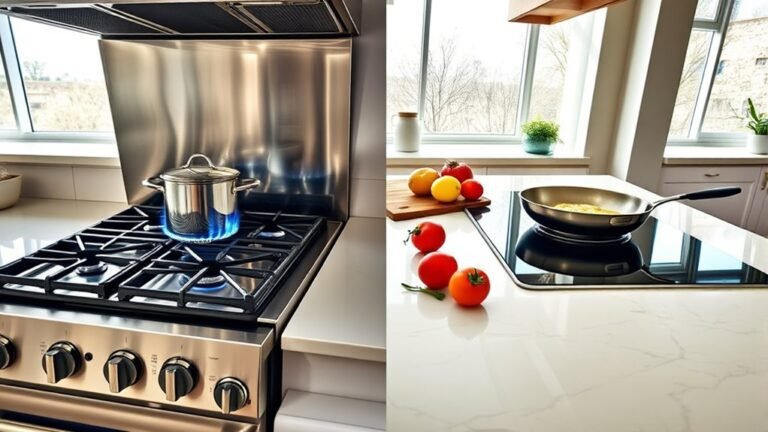
While gas ranges often attract cooks with their immediate heat control, their lifespan tends to differ from electric ranges in notable ways. You’ll find gas ranges usually last around 15 years, slightly shorter than electric ranges, which can reach 17-20 years. This difference partly comes down to the parts involved—gas ranges have burners and gas lines that may wear out faster, whereas electric ranges have fewer mechanical components.
However, gas efficiency and cooking performance often make gas ranges worth the trade-off for many users. Here’s what to reflect on when comparing their lifespans:
- Gas ranges need regular maintenance for burners and gas valves.
- Electric ranges have simpler elements but can suffer from heating element burnout.
- Gas ranges offer better cooking performance with instant heat adjustments.
- Electric ranges may be more energy-efficient in some models but vary widely.
Choosing between them depends on your cooking style and how much maintenance you’re willing to do.
What Gas Range Warranties Cover
Gas range warranties typically last anywhere from one to five years, depending on the brand and model you choose. They usually cover parts and labor if something goes wrong due to defects or malfunctions during normal use. It’s always a good idea to check what’s included so you know when repairs will be covered and when you might need to handle it yourself.
Typical Warranty Duration
Although gas range warranties vary by brand and model, most typically cover parts and labor for about one year. This standard warranty ensures that any defects or malfunctions during this period are fixed at no extra cost to you.
It’s important to know the warranty limits, as some parts might have shorter or longer coverage. For example, cooktop components sometimes come with extended warranties.
Wear-and-tear or cosmetic damages are usually not covered. Plus, extended warranty plans may be available if you want extra protection.
Understanding these typical durations helps you manage expectations and plan for repairs beyond the initial coverage period.
Coverage Details Explained
Because gas range warranties vary widely, it’s important to understand what parts and issues they cover. Most warranties include major components like burners, valves, and ignition systems, which are essential for proper cooking and safety.
Some brands also cover electronic controls and sensors, reflecting recent innovations aimed at improving efficiency and user experience.
However, warranties often exclude wear-and-tear parts such as knobs and seals, or damage caused by improper use.
Knowing these details can help you avoid unexpected repair costs and ensure your gas range stays safe to use.
Always read the fine print to see if labor and service visits are included.
Tips to Keep Your Gas Range Running Smoothly
To keep your gas range running smoothly, regular maintenance and mindful use are really important. Establishing a routine helps ensure safety precautions are met while also improving fuel efficiency and energy use. Proper cooking techniques also help extend your range’s lifespan.
Here are some key tips to keep in mind:
- Regularly clean the burners and grates to prevent clogging and keep the flames consistent.
- Follow installation instructions carefully to prevent leaks and ensure good ventilation.
- Use troubleshooting tips to fix minor issues quickly, which can save you money on repairs.
- Take advantage of feature upgrades when available—they can boost performance and save energy.
How Quality and Brand Impact Gas Range Durability
When choosing a gas range, the quality and brand really matter for how long it will last. Focus on brand reliability because well-known brands usually have strict quality control and better customer support.
A reputable brand generally means you’re getting a product built to last with dependable parts and solid warranties. Material quality also plays a big role in durability.
Gas ranges made with high-grade stainless steel or cast iron tend to resist wear, rust, and heat damage better than cheaper options. Choosing better materials helps reduce repairs and extends the life of your appliance.
Frequently Asked Questions
How Do Gas Ranges Impact Indoor Air Quality?
Gas ranges can impact your indoor air quality by increasing emission levels of pollutants like nitrogen dioxide and carbon monoxide. If you don’t use proper ventilation solutions, these emissions can build up and affect your health.
You should always run a range hood or open windows while cooking to reduce pollutant concentration. Using well-maintained and efficient ventilation solutions helps you keep your indoor air cleaner and safer when using a gas range.
Are Gas Ranges More Energy-Efficient Than Electric Ones?
Yes, gas ranges are generally more energy-efficient than electric ones because they heat instantly and allow precise temperature control, boosting your cooking performance. You’ll spend less energy preheating and can cook faster.
However, keep in mind that regular gas range maintenance is essential to maintain efficiency and safety. If you don’t maintain your gas range well, it could waste energy or impact performance, so stay on top of cleaning and inspections.
Can I Convert a Gas Range to Use Propane Instead of Natural Gas?
Yes, you can convert a gas range to use propane instead of natural gas, and it’s easier than you might think.
Many models come with propane conversion kits, but you’ll need to check if your gas range is compatible first. These kits usually include new burners and orifices designed for propane’s different pressure.
Just make sure to follow the manufacturer’s instructions or hire a professional. That way, your propane conversion will be safe and efficient.
What Safety Features Should I Look for in a New Gas Range?
You should look for flame failure devices that automatically cut gas if the flame goes out, preventing leaks. Child safety locks on knobs are essential to keep little ones from turning on burners accidentally.
Also, check for automatic shut-off features and cool-to-touch surfaces. These safety measures give you peace of mind while cooking and protect your family from accidents or gas hazards.
Don’t skip these when choosing your new gas range!
How Do I Properly Dispose of an Old Gas Range?
You’re ready to say goodbye to your old gas range, so let’s make sure it’s done responsibly. First, check your local disposal guidelines to ensure you handle it safely.
Many communities offer recycling options that help you get rid of it with less environmental impact. You can also reach out to appliance retailers or waste management services for pick-up or drop-off options.
Taking these steps ensures you dispose of your old range properly, keeping your space clean and the planet happy.
Conclusion
You might’ve heard gas ranges last around 15 years, but the real truth depends on how often you use and maintain it.
If you treat your range well, with regular cleaning and timely repairs, it can easily last longer than that average.
Don’t just rely on brand or warranty alone—your daily care makes the biggest difference.
So, keeping up with maintenance isn’t just a good idea; it’s the secret to making your gas range truly last.