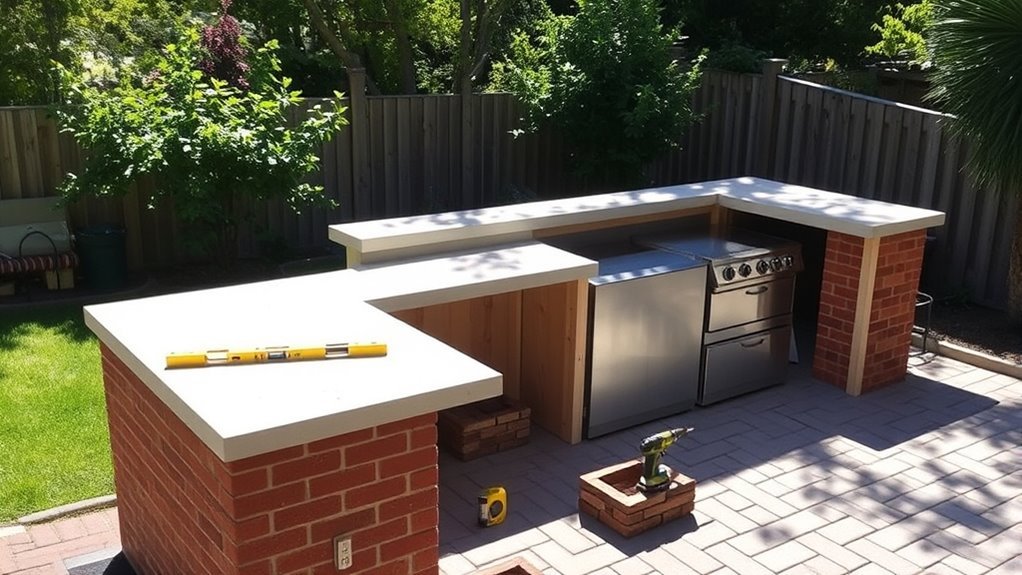
How to Build Outdoor Kitchen: A Step-by-Step Guide
Thinking about creating an outdoor kitchen but feeling overwhelmed by where to start? You’re not alone—many people struggle with designing a space that’s both functional and inviting.
Building the perfect outdoor kitchen can seem daunting, but breaking it down into steps makes it manageable.
To build your outdoor kitchen, start by planning a functional layout with enough space for cooking and guests, and set a realistic budget including permits and utilities.
Choose durable, weather-resistant materials like granite and stainless steel, and pick appliances that suit your cooking style.
Verify safe plumbing and electrical setups, plus proper ventilation to keep air clear.
Add lighting, heating, and comfortable seating to improve usability.
Keep your kitchen well-maintained for lasting enjoyment. You’ll find detailed tips to make your outdoor kitchen perfect.
Key Takeaways
- Plan your outdoor kitchen layout considering space, location, and proximity to utilities for convenience and comfort.
- Choose durable, weather-resistant materials like granite countertops and stainless steel cabinets to ensure they last.
- Install safe plumbing and electrical systems with licensed professionals, and use weatherproof fixtures for added protection.
- Add efficient lighting and heating to make the space more usable and inviting during evenings and cooler months.
- Perform regular maintenance, including cleaning, rust prevention, and using protective covers to keep everything in top shape year-round.
Plan Your Outdoor Kitchen Layout and Location
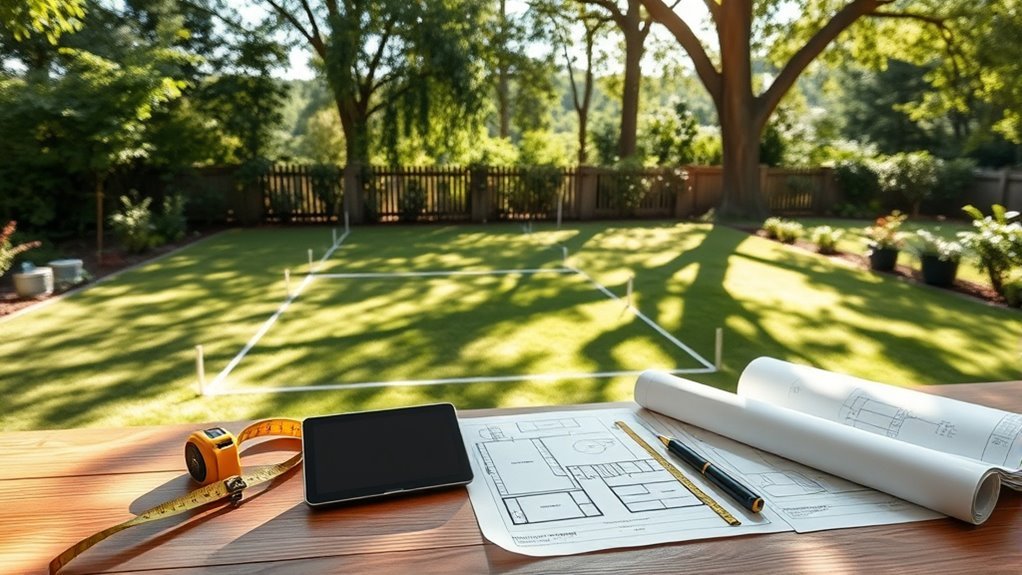
Before you build your outdoor kitchen, pinpoint the ideal layout and location. Think about your available space to find a size that fits comfortably without overwhelming your yard.
You want enough room for cooking, prepping, and storage, but also space for guests to move freely. Pay close attention to traffic flow so pathways aren’t blocked and people can circulate easily between the kitchen, dining, and lounge areas.
Placing your outdoor kitchen near your indoor kitchen or dining area can make things more convenient. Positioning it under some shade or near natural windbreaks can also make cooking more comfortable.
Also, consider utilities like water, gas, and electricity, as they will influence where you can set up. By planning a practical layout that balances kitchen size and smooth traffic flow, you’ll create a space that’s both functional and inviting for gatherings.
Set a Realistic Budget for Your Outdoor Kitchen
Setting a clear budget is key to keeping your outdoor kitchen project on track and avoiding surprises.
Start by researching typical costs for appliances, countertops, and installation to get a realistic estimate. Don’t forget permits and utilities in your calculations.
To keep costs manageable, look into budget-friendly options like prefab cabinetry or multi-functional appliances. These can offer great value without sacrificing quality.
Use tips like comparing multiple suppliers and shopping off-season to save money. Prioritize must-haves over nice-to-haves to make sure your funds go where they matter most.
Choose Durable Materials for Your Outdoor Kitchen
Because your outdoor kitchen will face weather and heavy use, choosing durable materials is essential to guarantee it lasts and looks great over time. Focus on materials that offer excellent weather resistance to withstand rain, sun, and temperature changes without deteriorating.
For countertops, consider granite or concrete—they provide both durability and style. Stainless steel is ideal for cabinets and fixtures because it resists rust and corrosion, ensuring material longevity even in humid or wet conditions.
When selecting flooring and structural elements, look for treated wood or stone that can endure outdoor elements while maintaining strength. Avoid materials prone to fading, cracking, or warping, as these can compromise your kitchen’s appearance and function.
Prioritizing quality materials upfront saves you costly repairs and replacements later. By carefully choosing weather-resistant, long-lasting materials, you’ll create an outdoor kitchen that remains both functional and attractive for years to come.
Select Essential Appliances for Outdoor Cooking
When designing your outdoor kitchen, choosing the right appliances ensures efficient cooking and a better experience. Start with different types of grills—gas, charcoal, pellet, or electric—each with its own perks.
Gas grills heat up fast and let you control the temperature precisely. Charcoal grills bring a smoky flavor that many love. Pellet grills are convenient and flavorful, while electric grills are great if you can’t have open flames.
Gas grills offer quick heat and control, charcoal adds smoky flavor, pellet grills are convenient, and electric suits flame-free spaces.
Pick your fuels carefully to match your lifestyle. Propane and natural gas are easy to use, but charcoal and wood give you that authentic flavor. Besides grills, think about adding a side burner for sauces and a small fridge to keep drinks and ingredients cool.
A sink can make cleanup easier, and depending on your cooking style, you might want a pizza oven or smoker. By choosing appliances that fit your needs and fuel preferences, you’ll create a fun, functional outdoor cooking space.
Design Functional Storage and Counter Space
To keep your outdoor kitchen organized, it’s a good idea to focus on making the most of your storage. Think about adding cabinets and drawers that really fit your needs—this way, everything has its place, and you’ll avoid clutter. It’s all about finding that sweet spot where your storage is both functional and easy to access.
When it comes to your counters, durability is key. You want materials that can handle the weather and heavy use without showing wear and tear. Materials like granite, quartz, or even certain types of treated wood can work well. Taking the time to plan these details will help ensure your outdoor kitchen stays practical and looks great for years to come.
Maximizing Storage Efficiency
Although outdoor kitchens offer plenty of space to cook and entertain, you’ll want to focus on designing functional storage and counter areas that keep everything organized and accessible. Start by adding vertical storage solutions like wall-mounted racks and shelves to free up counter space and keep utensils within reach.
Using multi-purpose furniture, such as benches with built-in storage or islands with drawers, helps you get the most out of every inch. Keep your frequently used items handy and store less-used tools in enclosed cabinets to protect them from the elements.
Thoughtful placement of storage near prep and cooking zones makes your workflow smoother. By prioritizing efficient storage, you’ll create a clutter-free outdoor kitchen that’s both practical and inviting for guests.
Choosing Durable Counter Materials
Since outdoor kitchens face changing weather conditions, it’s important to choose durable counter materials to ensure they last and stay looking good. When picking your options, consider granite, concrete, or stainless steel—they handle moisture, heat, and UV rays well.
Granite offers natural beauty and strength, while concrete lets you customize shapes and colors to fit your style. Stainless steel gives a sleek, modern look and is simple to clean.
Avoid porous materials like untreated wood or laminate, which can warp or stain quickly and aren’t as durable outside. For maintenance, seal stone surfaces once a year to prevent damage.
Cleaning stainless steel counters with mild soap and water helps avoid corrosion. By choosing the right materials and keeping up with simple care, your outdoor kitchen counters will stay functional and attractive for many years.
Install Safe Plumbing and Electrical Systems
When you install plumbing and electrical systems for your outdoor kitchen, safety should be your top priority. Start by familiarizing yourself with local plumbing codes to make sure your water supply and drainage meet legal standards.
Use durable, weather-resistant pipes and fittings designed for outdoor use, and ensure all connections are secure to prevent leaks. For electrical safety, hire a licensed electrician to install GFCI outlets and waterproof fixtures.
Choose weather-resistant plumbing and hire a licensed electrician for GFCI outlets and waterproof electrical fixtures.
Make sure your wiring is rated for outdoor conditions and properly grounded to avoid hazards. Plan the layout carefully, keeping water and electrical lines separate to reduce risks.
Test all systems thoroughly before use. Check for leaks, shorts, or faulty connections. By following plumbing codes and electrical safety best practices, you’ll create a safe, functional outdoor kitchen that lasts.
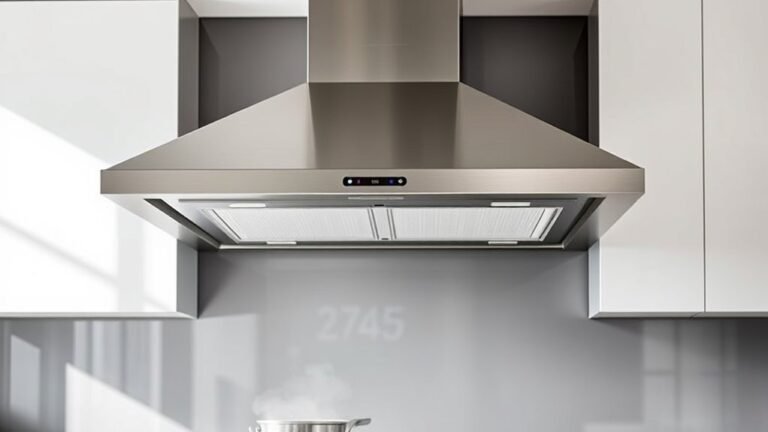
Build Safe, Efficient Ventilation for Your Outdoor Kitchen
Want to keep your outdoor kitchen safe and comfy? The key is having the right vent placement—making sure smoke and heat are directed away from where you cook and relax. It’s all about creating a space that’s both enjoyable and safe to hang out in.
And don’t forget about choosing the right materials for your ventilation system. You want stuff that’s durable and efficient so it keeps working well over time. Let’s take a look at how you can set up a ventilation system that’s perfect for your outdoor space.
Proper Vent Placement
Although many overlook it, proper vent placement plays a critical role in keeping your outdoor kitchen safe and comfortable. When planning your ventilation, it’s important to understand different types—like exhaust vents or intake vents—and how their placement affects airflow.
Position vents so fresh air flows in naturally while smoke and heat exit efficiently. Avoid placing vents where wind could blow fumes back toward your cooking area or seating.
Also, think about surrounding structures that might block airflow, causing heat to build up. Proper spacing between vents helps ensure balanced ventilation, preventing stagnant air pockets.
Choosing Ventilation Materials
Selecting the right materials for your outdoor kitchen ventilation is essential for durability and safety. When choosing ventilation options, focus on materials that can handle outdoor elements like rain, heat, and wind.
Stainless steel and aluminum are popular choices because they resist corrosion and last a long time. Avoid using materials prone to rust or warping, as they can reduce your kitchen’s efficiency and safety.
Make sure the materials you choose support good airflow to prevent smoke buildup. Also, look for options that are easy to maintain so your ventilation system stays in great shape over time.
Add Lighting and Heating to Enhance Comfort
When you add proper lighting and heating to your outdoor kitchen, you can enjoy it well into the evening and during cooler months. Start by installing ambient lighting to create a warm, inviting atmosphere, and make sure there’s enough brightness for safe cooking.
You might consider LED string lights, recessed fixtures, or solar-powered lamps—they’re energy-efficient and add a nice touch to your design. For heating, reliable sources like propane heaters, electric infrared panels, or a built-in fire pit can keep you comfortable on chilly nights.
Place these heat sources strategically so they cover seating and cooking areas without blocking ventilation or causing discomfort. This way, your outdoor kitchen stays cozy and functional no matter the weather.
Create Seating and Dining Areas Near Your Outdoor Kitchen
With lighting and heating in place, it’s time to focus on where you and your guests will relax and enjoy meals. Start by choosing durable outdoor furniture that matches your preferred dining style—whether you want a casual lounge area or a formal dining table.
Focus on durable outdoor furniture that suits your style, creating a comfortable space for meals and relaxation.
Arrange your seating to encourage conversation and make it easy to access the kitchen. Add shade options like umbrellas or pergolas to keep the space comfortable on sunny days. Incorporate cushions, rugs, and planters to create a warm, inviting atmosphere.
Consider installing fire pits nearby to extend your gatherings into cooler evenings. Use privacy screens and thoughtful landscaping to make the space feel cozy and secluded. Combining functional seating with inviting décor and practical shade will help you craft an outdoor dining area that complements your kitchen.
This space will invite friends and family to linger longer and enjoy every moment outside.
Maintain and Protect Your Outdoor Kitchen Year-Round
Keeping your outdoor kitchen in top shape requires regular maintenance and protection against the elements. Seasonal upkeep is key to making sure it’s usable all year round, so create a checklist for deep cleaning, rust prevention, and pest control.
Use protective covers and follow weatherproofing tips to shield your kitchen from rain, sun, and temperature swings. Proper temperature regulation helps prevent damage and extends your outdoor kitchen’s lifespan.
Don’t forget to think about upgrades that boost durability and make caring for your kitchen easier. Regular maintenance will keep your outdoor space inviting and functional through every season.
| Challenge | Solution |
|---|---|
| Rust and corrosion | Apply rust prevention coatings |
| Pest infestations | Use natural pest control |
| Weather damage | Install weatherproof covers |
| Dirt and grime build-up | Schedule deep cleaning regularly |
Stick to your maintenance checklist, and your outdoor kitchen will stay inviting and functional through every season.
Frequently Asked Questions
What Permits Are Needed for Building an Outdoor Kitchen?
You’ll need to check your local building codes and zoning regulations before building an outdoor kitchen. Most areas require permits for electrical, plumbing, and gas installations to ensure safety and compliance.
Sometimes, you might also need a zoning permit if your kitchen changes your property’s use or size. It’s a good idea to contact your city or county building department to find out the specific requirements.
This way, you can avoid fines or having to redo work later. Being informed upfront makes the process smoother and helps your outdoor kitchen turn out just the way you want.
How Do I Handle Pests Around My Outdoor Kitchen?
You handle pests around your outdoor kitchen by focusing on pest prevention. Keep your cooking area clean and free of food scraps, and store food in sealed containers.
Use natural repellents like citronella candles, essential oils, or plant herbs such as basil and mint nearby to keep insects at bay. Regularly check for nests or standing water, which can attract pests.
Can I Install a Pizza Oven in My Outdoor Kitchen?
You can install a pizza oven in your outdoor kitchen just like adding the perfect spice to a recipe.
Choose from types like wood-fired, gas, or electric, each offering its own flavors and convenience.
For installation tips, make sure you have a sturdy, heat-resistant base and proper ventilation.
Place it away from flammable materials and check your local building codes.
With some careful planning, your pizza oven will become the highlight of your outdoor cooking space.
What Are the Best Plants to Complement an Outdoor Kitchen?
You’ll want to choose plants that add both beauty and function. An herb garden is a great option—it provides fresh flavors right at your fingertips. Think basil, rosemary, and thyme in decorative planters to brighten your space and keep herbs organized.
You can also add colorful flowers or low-maintenance succulents to create a vibrant, inviting atmosphere. These choices will complement your outdoor kitchen while boosting its practical and aesthetic appeal.
How Do I Winterize My Outdoor Kitchen Appliances?
Winterizing your outdoor kitchen appliances requires careful care and consistent appliance maintenance. Start by shutting off and safely storing gas lines or disconnecting electrical connections.
Clean every component thoroughly to prevent grime buildup. Cover your appliances with waterproof wraps to ward off weather wear.
Drain water from plumbing to avoid freezing damage. These winter preparations will prolong your appliance’s life and keep your outdoor kitchen ready for sizzling summer sessions once the cold clears.
Conclusion
Now that you’ve got the steps to build your outdoor kitchen, isn’t it exciting to imagine cooking under the open sky with friends and family?
By planning carefully, choosing durable materials, and adding the right appliances and lighting, you’ll create a space that’s both functional and inviting.
With proper maintenance, your outdoor kitchen will be a go-to spot for gatherings all year round.
Ready to bring your dream outdoor kitchen to life?