How Long Does Beer Stay Fresh in a Growler? A Complete Guide
Beer in a growler generally stays fresh for about 24 to 48 hours if it is unpasteurized and kept refrigerated. For pasteurized or well-sealed growlers, freshness can last up to 3 days, but once opened, oxidation begins rapidly, affecting taste and aroma.
Understanding how long beer stays fresh in a growler matters because beer is sensitive to exposure to oxygen, light, and temperature changes. Growlers are popular for transporting craft beer, but improper handling can lead to flat or off-flavored beer quickly.
This article will explain factors influencing growler beer freshness, how to properly store and handle your growler, signs that beer has gone stale, and compare different types of growlers to help you enjoy your beer at its best.
Factors Affecting How Long Beer Stays Fresh in a Growler
Oxygen Exposure and Its Impact on Flavor
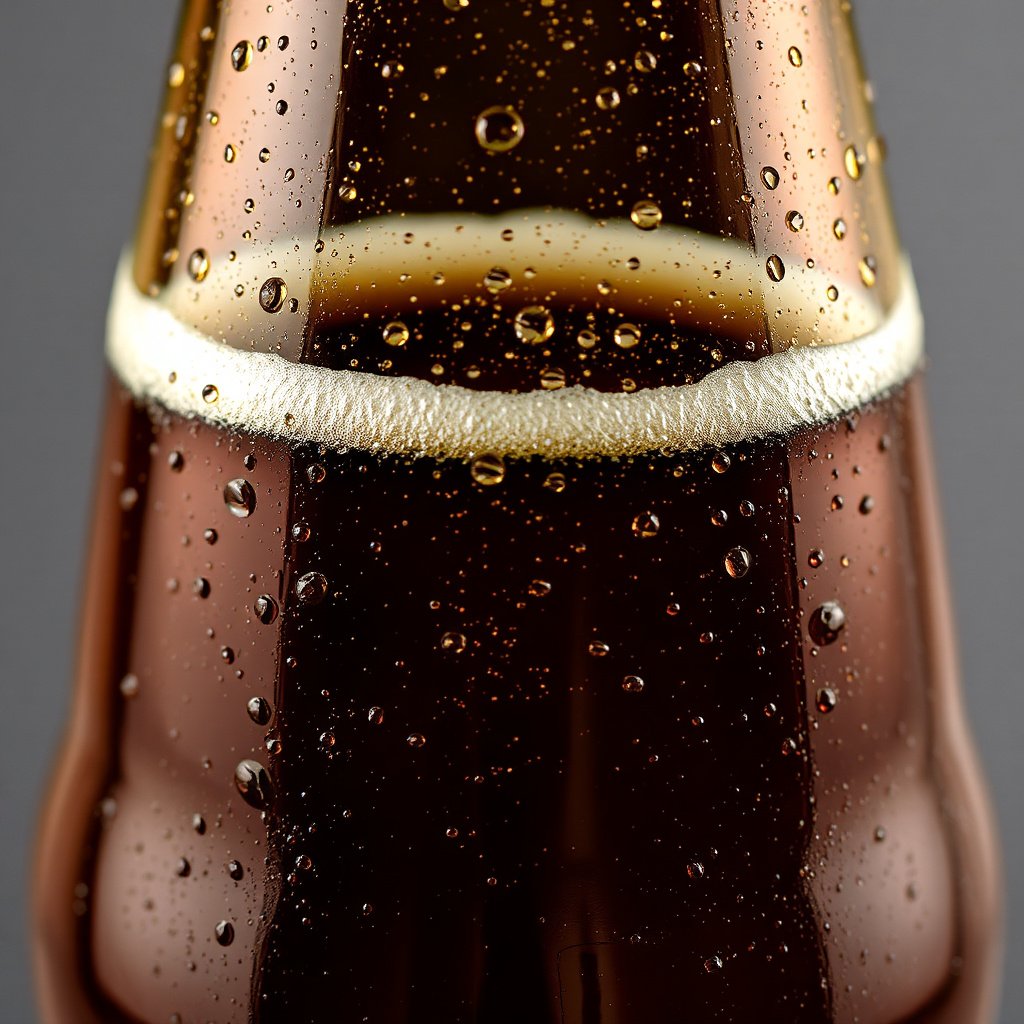
Oxygen is the main enemy of fresh beer once it is poured into a growler. It reacts with compounds in the beer, causing oxidation that produces stale or cardboard-like flavors. Even small amounts of air trapped inside the growler can accelerate spoilage.
Sealing methods and how full your growler is can greatly influence oxygen exposure. A tightly sealed growler with minimal headspace reduces oxygen contact, preserving beer freshness longer.
Temperature Control and Storage Conditions
Beer freshness degrades faster at warmer temperatures. Refrigeration slows the chemical reactions that cause spoilage, so keeping your growler cold is essential after filling.
Leaving a growler at room temperature or exposing it to sunlight can intensify off-flavors and carbonation loss, shortening the window when the beer stays enjoyable.
Types of Growlers and Their Effects on Freshness

Glass Growlers: Traditional but Vulnerable
Glass growlers are the classic choice for beer enthusiasts due to their ability to showcase the beer’s color and cleanliness. However, they are more permeable to oxygen and prone to breakage.
Because glass growlers typically have a screw cap or swing-top seal, they are effective but less airtight than some newer designs, slightly limiting how long beer stays fresh.
- Transparent appearance
- Easily cleaned
- Vulnerable to oxygen ingress
Stainless Steel and Insulated Growlers
Stainless steel growlers offer durability and better resistance to oxygen infiltration. Many models feature specialized seals that reduce oxygen exposure even after multiple openings.
Insulated growlers keep beer cold for longer periods, slowing degradation from temperature changes. These are ideal when growlers are transported over distances or stored without immediate refrigeration.
- Durable and shatterproof
- Insulation extends freshness
- Advanced sealing technology
Best Practices to Extend Beer Freshness in a Growler

Fill and Seal Correctly to Minimize Oxygen
Fill your growler completely to minimize the amount of oxygen inside. Some breweries have growler fillers that purge oxygen using CO2 before sealing, which can significantly extend freshness.
Make sure the cap or lid is screwed on tightly and free of damage. A worn or loose seal allows oxygen to spoil the beer quickly.
- Fill to the brim
- Use oxygen-free filling if possible
- Check seals before closing
For more on this, see our related guide: What Is a Growler? A Complete Guide to Craft Beer Storage & Use.
Keep Your Growler Refrigerated and Out of Light
After filling, store the growler immediately in a refrigerator at temperatures between 34°F and 38°F (1°C to 3°C). This slows flavor changes and carbonation loss.
Avoid leaving it in direct sunlight or warm environments. Even short exposure reduces freshness and can cause skunky off-flavors, especially in glass growlers.
- Store upright in fridge
- Avoid sunlight
- Keep temperature consistent
Signs Your Growler Beer Has Gone Stale

Flavor Changes Indicating Spoilage
Common signs of stale beer include flavors described as cardboard, wet paper, or sourness that weren’t present fresh. Elevated oxidation also diminishes hop aroma and malt character.
A noticeable flatness or loss of carbonation often accompanies these flavor shifts, making the beer dull and less enjoyable.
Appearance and Aroma Clues
Visual cues like a cloudy beer or faded color may also suggest age, especially for unfiltered or hazy styles. Off-putting aromas like skunkiness or unusual sourness can signal spoilage.
If your growler beer has developed unusual smells or looks significantly different from when fresh, it’s likely past its prime.
How to Clean and Maintain Your Growler for Optimal Freshness
Proper Cleaning Techniques
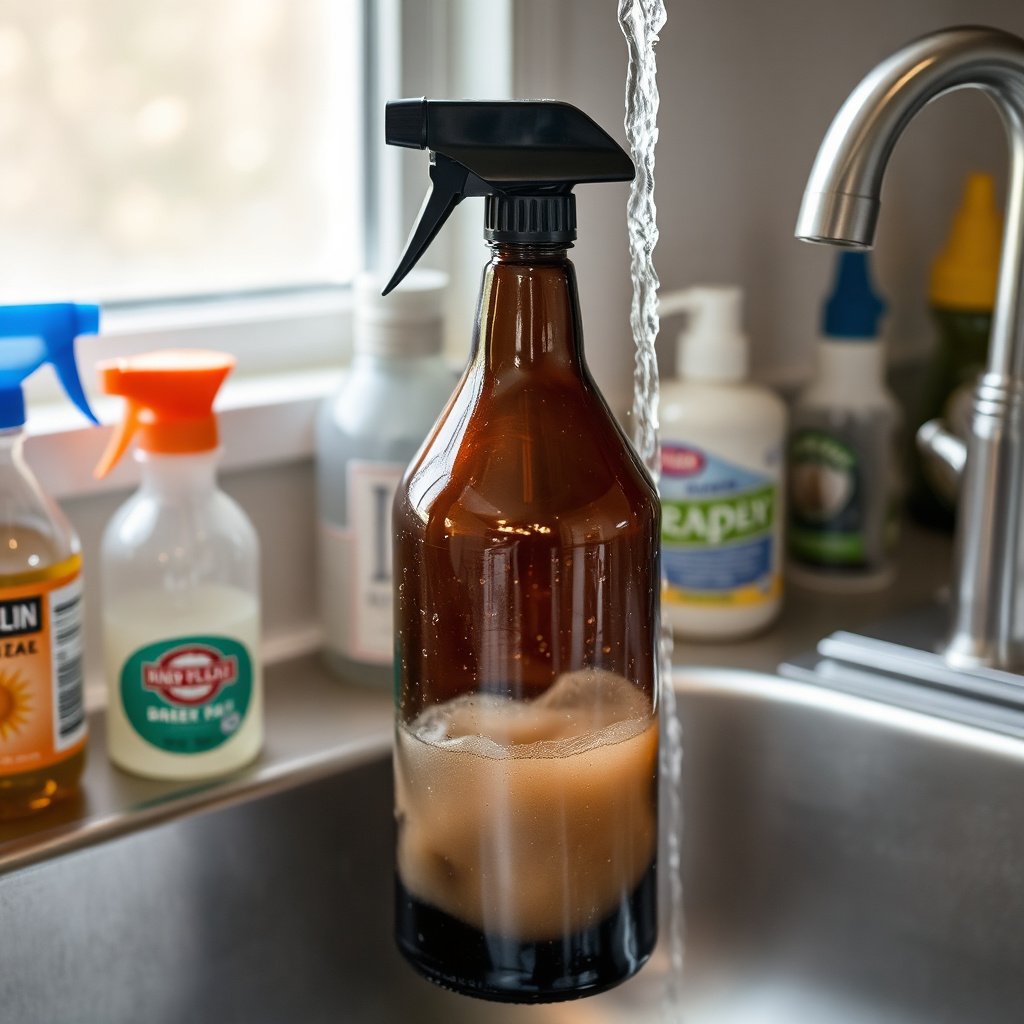
Rinse your growler immediately after emptying to remove residual beer that can sour and cause off flavors. Use warm water and avoid harsh detergents that can leave residues affecting taste.
Periodically sanitize with a brewery-approved solution to eliminate bacteria and yeast that can spoil future fills.
- Rinse promptly
- Use brewery-approved sanitizers
- Avoid soap residues
For more on this, see our related guide: What Is a Draft Beer? A Complete Guide Explaining Its Taste, Serving & Types.
Seal and Cap Maintenance
Inspect and replace the growler’s cap or sealing gaskets regularly. Damaged seals fail to keep oxygen out, shortening beer freshness.
Store your growler with the lid off or loosely fitted after cleaning to prevent moisture buildup and mold growth inside.
- Check seals regularly
- Replace worn parts
- Store with lid off after washing
Comparing How Long Different Beer Styles Stay Fresh in a Growler

Light Beers vs. Hoppy Beers
Light lagers and pilsners tend to hold freshness slightly longer because they have fewer hop compounds vulnerable to oxidation. They can taste acceptable for up to 48 hours in a properly sealed, refrigerated growler.
Hoppy beers like IPAs spoil faster as hop aromas degrade quickly once exposed to oxygen, often losing freshness after about 24 hours. Careful handling is crucial to enjoy their vibrant flavors.
For more detailed background and history about growlers, visit the growler beer information on Wikipedia. growler beer information on Wikipedia.
Dark and Barrel-Aged Beers
Stouts, porters, and barrel-aged beers often have more complex malt and oak flavors which can mask some oxidation effects. They may remain drinkable for 2-3 days, but freshness benefits taper off after 48 hours.
Certain sour or wild ales intentionally embrace some aging characteristics, but most growler beer drinkers prefer to consume these styles sooner for best experience.
Growler Types and Freshness Duration Comparison
Below is a comparison of common growler types and how long they typically keep beer fresh under ideal storage conditions.
| Growler Type | Material | Sealing Method | Freshness Duration (Opened) | Durability |
|---|---|---|---|---|
| Glass | Glass | Screw cap or swing-top | 24-48 hours | Fragile |
| Stainless Steel | Stainless steel | Vacuum seal or screw cap | 48-72 hours | Highly durable |
| Insulated Stainless Steel | Stainless steel with insulation | Vacuum seal | Up to 72 hours | Very durable, keeps cold |
| Ceramic | Ceramic | Cork or screw cap | 24-48 hours | Fragile, decorative |
Frequently Asked Questions
Can I reuse a growler without cleaning it thoroughly?
Reusing a growler without proper cleaning can cause off-flavors and bacterial contamination. Always rinse and sanitize your growler after each use.
Does pasteurized beer last longer in a growler?
Yes, pasteurized beers resist spoilage longer due to reduced microbial activity but still lose freshness from oxygen exposure after opening.
How important is the type of seal on a growler?
The seal is critical. A tight, oxygen-proof seal helps maintain carbonation and prevents stale flavors by minimizing air contact.
Can I store a growler lying down?
It is best to store growlers upright to maintain seal integrity and reduce the risk of leaks or oxidation.
Is it safe to drink beer that tastes slightly off from a growler?
If the beer tastes off or has unusual aromas, it’s better to discard it to avoid unpleasant flavors or mild stomach discomfort.
Key Takeaways
- Unopened, refrigerated growlers keep beer fresh up to 48-72 hours depending on type.
- Minimizing oxygen exposure by filling full and tight sealing is essential.
- Cold, consistent storage dramatically extends freshness.
- Different beer styles vary in how long they maintain quality in a growler.
Conclusion
Determining how long beer stays fresh in a growler centers on controlling oxygen exposure, temperature, and sealing quality. These factors combine to dictate how quickly oxidation and carbonation loss degrade beer flavor. Choosing the right growler material and maintaining strict refrigeration are key parts of prolonging your beer’s peak taste.
For practical use, glass growlers remain popular but stainless steel or insulated growlers provide longer freshness and durability benefits. Consider your typical drinking timeline—if you plan to consume within a day or two, any well-sealed growler works well. For longer times, insulated or vacuum-sealed stainless steel models reduce oxidation risk and maintain chill, especially for delicate hoppy beers that spoil quickest.
As a next step, focus on proper filling methods and immediate refrigeration after purchase. Simple habits like filling to the top and tightly sealing will add hours to freshness. Keep your growler clean and inspect seals regularly to enjoy fresh-tasting beer whenever you pour from your growler.