How to Clean and Sanitize Brewing Equipment for Safe, Flavorful Beer
To clean and sanitize brewing equipment properly, start by thoroughly washing all surfaces with a suitable cleaner to remove visible residues. Follow this by applying a no-rinse sanitizer specifically designed for brewing gear to eliminate bacteria and wild yeast that can spoil your beer. This two-step process is vital for preventing off-flavors and infections in your brewing batch.
Brewing equipment often harbors yeast residues, proteins, and bacteria from previous batches, which can alter the fermentation and taste of your beer if not removed. Using dedicated cleaning agents avoids abrasive damage while sanitizers kill microorganisms, ensuring a pure brewing environment. Neglecting either cleaning or sanitizing can lead to batch spoilage and wasted ingredients.
This article will guide you through different cleaning solutions and sanitizing methods, explain their target contaminant profiles, and help you choose the right products and techniques. It also covers how to maintain equipment longevity and hygiene best practices from mash tun to fermenter.
Effective Cleaning Techniques for Brewing Equipment

Selecting the Right Cleaning Agents
Choosing a cleaning agent depends on the type of soils to be removed. Alkaline cleaners like PBW (Powdered Brewery Wash) are excellent for breaking down proteins and hop residues. Oxygen-based cleaners provide powerful oxidation of stubborn organic material without harsh chemicals.
Avoid using soaps or dish detergents as they leave residues that can interfere with fermentation. Specialized brewery cleaners are formulated to rinse completely, leaving no flavor impact.
- Alkaline cleaners for protein and hop buildup
- Oxygen-based cleaners for organic stains
- Avoid detergents that leave residues
Cleaning Different Types of Equipment
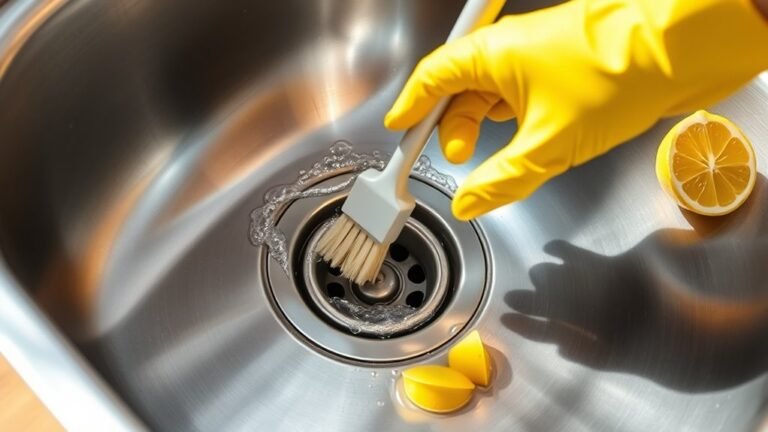
Stainless steel kettles tolerate scrubbing with brushes or pads, while plastic fermenters require gentler tools to avoid scratches that harbor bacteria. Glass carboys should be cleaned with soft brushes or specialized cleaning beads.
Sanitize immediately after cleaning, before drying, to keep the surface free from airborne microbes. Pay special attention to hard-to-reach spots like valve seals and threads.
- Use soft brushes on plastic and glass
- Scrub stainless steel with non-abrasive pads
- Clean valves and seals thoroughly
Choosing the Best Sanitizers for Homebrewing

Types of Sanitizers
Sanitizers fall primarily into iodine-based, peracetic acid, and no-rinse phosphoric acid types such as Star San. Iodine sanitizers are effective but require thorough rinsing. Peracetic acid offers broad-spectrum kill but can be corrosive if not diluted properly.
No-rinse acid sanitizers no longer require water rinsing after use, which reduces contamination risk and water usage. They also tend to be less harsh on brewing equipment.
- Iodine-based sanitizers require rinsing
- Peracetic acid is strong but corrosive
- No-rinse sanitizers like Star San are popular
For more on this, see our related guide: What Is the Best Beer for Beginners: A Complete Guide to Easy & Enjoyable Choices.
Application Methods for Sanitizing
Sanitizers can be applied via soaking, spraying, or filling fermenters entirely with sanitizer solution. Soaking ensures full contact on complex parts, while spraying speeds up the process for simpler surfaces. Fill and swirl works well for carboys.
Contact time and sanitizer concentration are critical; always follow manufacturer recommendations to avoid ineffective sanitization or equipment damage.
- Soak small parts for at least 2 minutes
- Spray larger surfaces thoroughly
- Fill carboys to contact all internal surfaces
Cleaning and Sanitizing Specific Brewing Components

Fermenters and Carboys
Rinse immediately after use to remove sediment, then clean with oxygen-based cleaners for any stubborn debris. Follow with a no-rinse sanitizer to eliminate lingering microbes before filling with wort.
Avoid scratches inside plastic fermenters which harbor bacteria long-term. Frequent inspection of seals and bungs ensures tight sanitization without leaks.
Hoses, Tubing, and Valves
These components often trap wort residues and bacteria. Use cleaning brushes and soak tubing in an alkaline cleaner to dissolve biofilms. Sanitize by filling tubing with sanitizer solution and letting it drain.
Regularly inspect for discoloration or odors that indicate failed cleaning. Replace hoses every few years to prevent contamination risks.
Maintaining Hygiene During the Brewing Process

Avoiding Cross-Contamination
Use separate cleaning brushes and cloths for different batches and equipment types. Rinse and sanitize tools between uses, and wash hands thoroughly before handling sanitized equipment.
Label cleaning and sanitizing solutions clearly to prevent mix-ups, and never reuse old sanitizer solutions which lose efficacy.
- Dedicated brushes for different equipment
- Label cleaning solutions clearly
- Wash hands before handling sanitized gear
Storing Clean Equipment Properly
Keep sanitized equipment covered or sealed to protect from dust and airborne bacteria. Store fermenters bungs and lids detached slightly to avoid mold growth inside. Ensure storage areas are clean and dry.
Regularly inspect and sanitize stored equipment before use to maintain optimal cleanliness.
- Cover or seal sanitized items
- Store in clean, dry spaces
- Inspect before reusing stored equipment
Troubleshooting Common Cleaning and Sanitizing Issues

Dealing with Persistent Off-Flavors
Off-flavors often trace back to inadequate cleaning or sanitizing. Residual bacteria produce unwanted acids or phenols. Re-examine your cleaning routine and sanitize all equipment thoroughly.
Switching to oxygen-based cleaners and no-rinse sanitizers can improve microbial kill and reduce off-flavor risk.
For further information on brewing hygiene practices, see this detailed cleaning and sanitizing brewing equipment guide. Cleaning and sanitizing brewing equipment guide.
Preventing Equipment Corrosion and Damage
Harsh chemicals or prolonged exposure to strong sanitizers can degrade stainless steel or plastic components. Always dilute sanitizers properly and avoid abrasive scrubbers on sensitive surfaces.
Use manufacturer-approved cleaning products and follow recommended contact times to preserve equipment lifespan.
- Dilute sanitizers as instructed
- Avoid abrasive cleaning on plastics
- Use manufacturer-recommended products
Comparing Popular Cleaning and Sanitizing Methods for Brewing Equipment
This table compares common cleaning and sanitizing methods used by homebrewers, highlighting their effectiveness, ease of use, and impact on equipment.
| Method | Effectiveness | Ease of Use | Equipment Impact |
|---|---|---|---|
| Alkaline cleaners (e.g. PBW) | High for organic soils | Moderate — requires soaking | Gentle on stainless steel |
| Oxygen-based cleaners | Very high for stubborn residue | Moderate — soaking and scrubbing | Safe for most materials |
| Iodine sanitizers | High against bacteria | Low — requires rinsing | Can stain plastic |
| No-rinse acid sanitizers (Star San) | High against bacteria | High — spray or soak | Gentle and non-corrosive |
| Peracetic acid sanitizers | Very high spectrum | Moderate — proper dilution essential | Corrosive if misused |
Frequently Asked Questions
Why can't I just rinse my brewing equipment with water?
Water rinsing alone does not remove organic residues or kill microorganisms. Without dedicated cleaning and sanitizing, bacteria and wild yeast can remain and spoil your beer.
Is it necessary to sanitize everything that touches the wort?
Yes. Any equipment contacting wort during or after boiling needs sanitizing to prevent contamination and off-flavors.
How often should I clean and sanitize my brewing equipment?
Clean equipment thoroughly after each use and sanitize just before brewing or transferring wort to maintain hygiene.
Can I use household bleach to sanitize brewing gear?
Chlorine bleach is effective but not recommended because residues can impart off-flavors and it requires careful rinsing. Specialized no-rinse sanitizers are safer choices.
How do I know if my sanitizer is still effective?
Check the product expiration date and store sanitizers in a cool, dark place. Old or diluted solutions may lose effectiveness and should be replaced.
Key Takeaways
- Thorough cleaning with brewery-specific cleaners is essential before sanitizing.
- No-rinse sanitizers like Star San offer effective and safe microbial control.
- Handle different materials with appropriate brushes and sanitizing techniques.
- Proper storage of sanitized equipment prevents reinfection and spoilage.
Conclusion
Choosing how to clean and sanitize brewing equipment requires balancing effectiveness, safety, and care for your gear. Consistently removing all organic material followed by sanitizing creates the best environment for yeast fermentation, preventing off-flavors and contamination. Attention to detail and following manufacturer instructions will maintain product quality and equipment longevity.
For beginner homebrewers or those seeking reliable methods, alkaline cleaners such as PBW combined with no-rinse sanitizers like Star San provide a simple yet powerful approach. More advanced brewers facing stubborn residues may add oxygen-based cleaners or iodine-based sanitizers, ensuring thorough microbial kill but requiring careful rinsing or handling.
Ultimately, your next step should be to select trusted cleaning agents suited for your brewing materials and to develop a routine that includes immediate cleaning after use and sanitizing before wort contact. Consistency in this routine will enhance your brewing success and help craft flavorful, safe beer batches every time.