How to Make Ice Cream at Home: Easy and Delicious Recipes for Beginners
Making ice cream at home is simpler than most people think and can yield incredibly creamy and flavorful results. By combining basic ingredients like milk, cream, sugar, and flavorings, you can create customized ice cream without needing expensive equipment or additives.
Homemade ice cream allows you to control what goes in, avoiding preservatives and artificial flavors found in many store-bought options. Plus, crafting your own batches is a fun, rewarding activity that can be tailored seasonally or to your dietary preferences.
This article guides you through essential methods, from no-churn recipes requiring no machine, to using an ice cream maker, as well as outlining key tips for texture, flavor variations, and storage so you can enjoy perfect homemade ice cream anytime.
Understanding Basic Ice Cream Ingredients and Their Roles
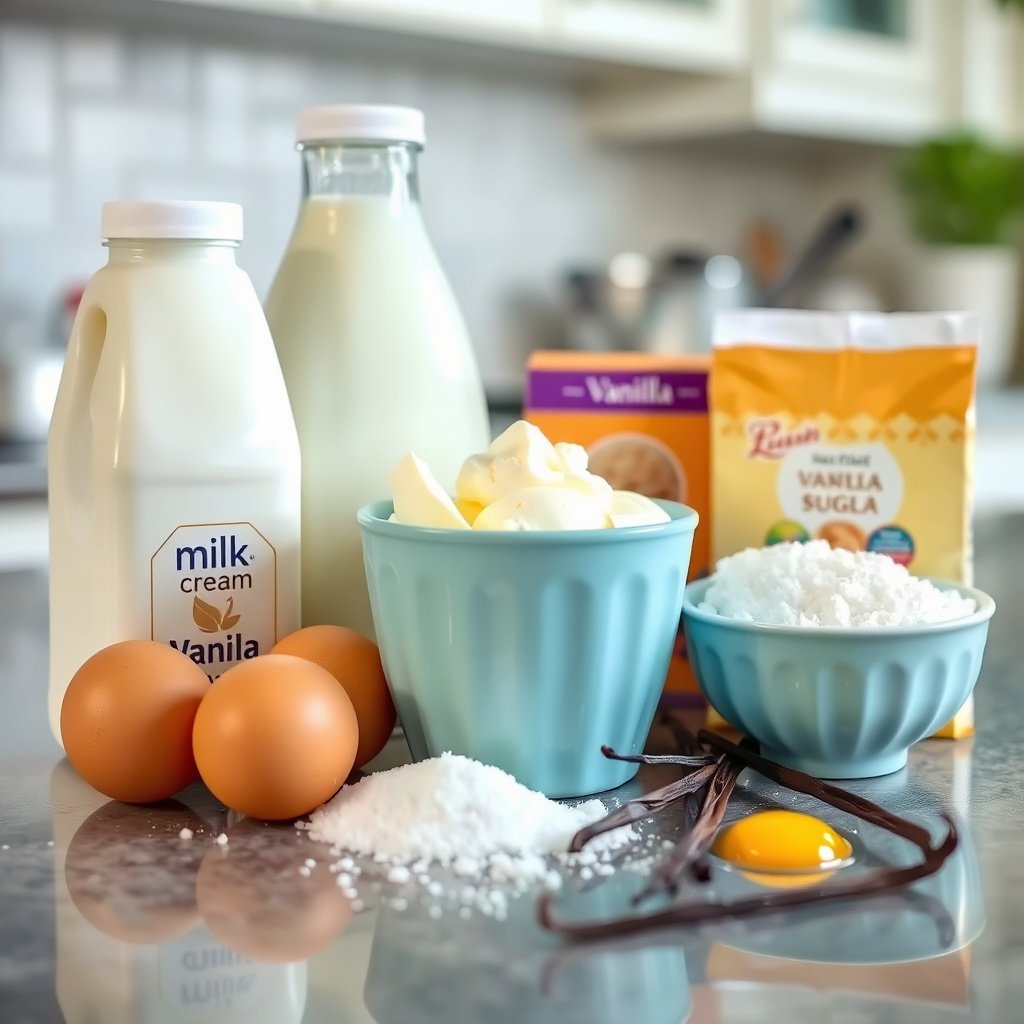
Key Ingredients: Milk, Cream, Sugar, and Eggs
Milk and cream form the rich, smooth base of ice cream, while sugar sweetens the mixture and helps lower the freezing point to achieve a creamy texture. Eggs, often used in custard-based ice creams, add thickness and improve stability by emulsifying fats and liquids.
Adjusting the fat content between milk and cream affects creaminess, with higher cream ratios producing richer ice cream. Balancing sugar levels is essential to avoid iciness and ensure scoop-friendly consistency once frozen.
Flavorings and Add-Ins: From Vanilla to Mix-Ins
Vanilla extract or beans are classic flavor enhancers, but a wide variety of natural flavorings such as cocoa, fruit purees, or coffee can be incorporated. Add-ins like chocolate chips, nuts, or cookie pieces are typically stirred in near the end of the churning process to maintain their texture.
When using fresh ingredients such as fruits, preparing them properly—pureeing, macerating, or cooking down—helps integrate their flavor seamlessly into the creamy base without adding excess water that causes ice crystals.
No-Churn Ice Cream Methods for Quick Homemade Treats
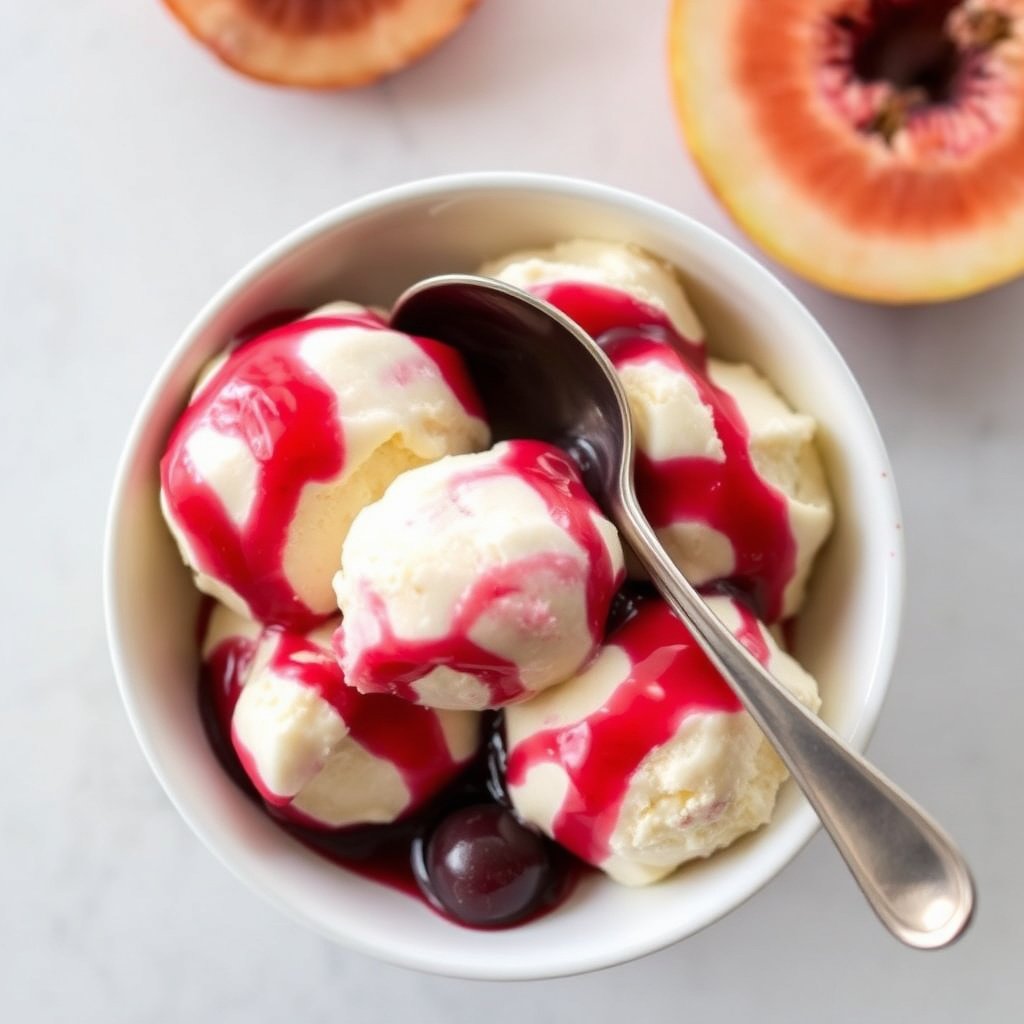
Basic No-Churn Ice Cream Using Sweetened Condensed Milk
One of the most popular no-churn ice cream methods requires only sweetened condensed milk and whipped cream as primary ingredients. After whipping heavy cream to soft peaks, combine it gently with the condensed milk and your desired flavorings before freezing.
This method is forgiving and needs no special equipment, producing a soft, creamy ice cream that solidifies well in the freezer. Variations include adding cocoa powder for chocolate ice cream or fruit purée for a fresh flavor.
- Heavy cream whipped to soft peaks
- Sweetened condensed milk for sweetness and body
- Flavorings like vanilla extract, fruit purée, or chocolate
Using a Blender or Food Processor for Smooth Texture
When fresh or frozen fruits are used in no-churn recipes, a blender or food processor can help create a smooth mixture that mimics traditional churned ice cream. First, puree the fruit and then gently fold it into the cream and condensed milk blend.
Some recipes also use frozen banana slices as a base to achieve creaminess without additional dairy. After blending, the mixture can be frozen directly, stirring periodically to reduce ice crystals.
Using an Ice Cream Maker for Professional Results
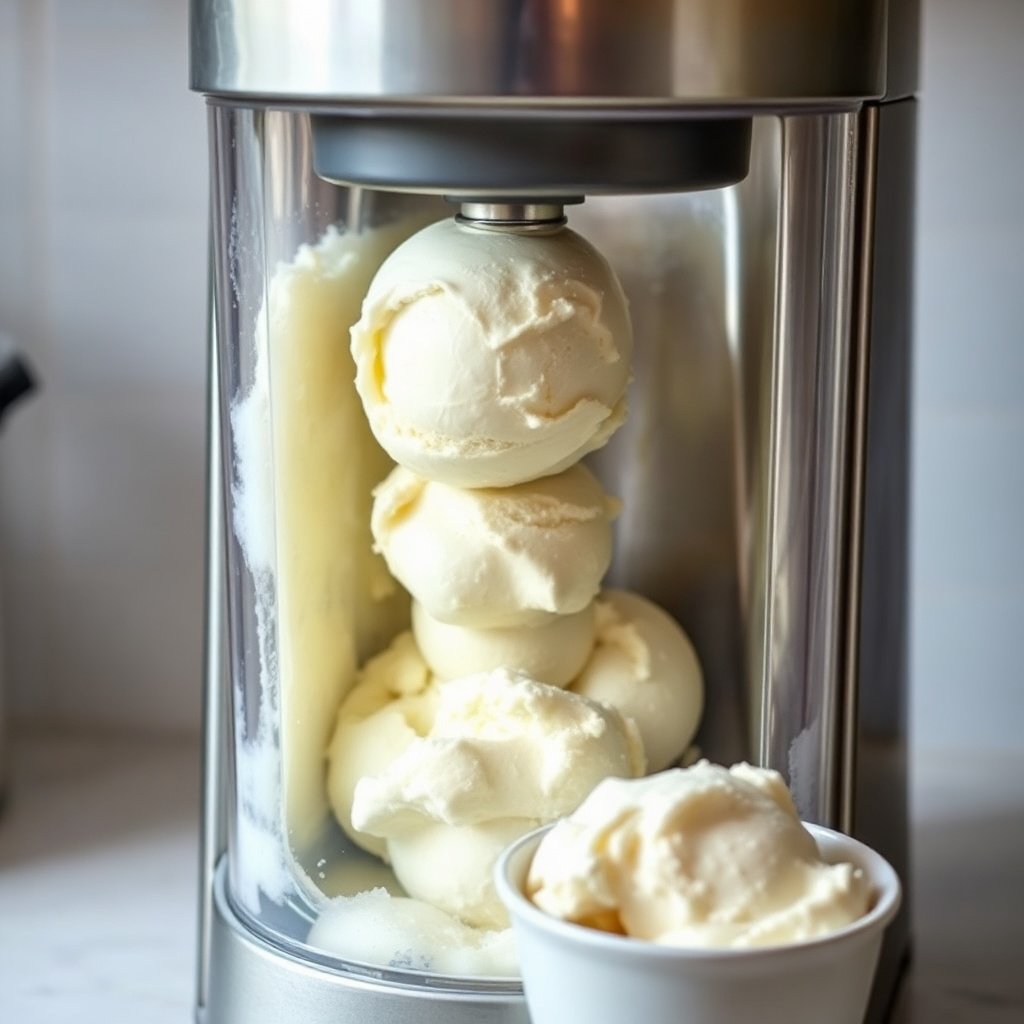
Choosing the Right Ice Cream Maker Model
There are three common types of home ice cream makers: manual hand-crank, electric bowl-freeze, and compressor-based machines. Manual models require effort and time, while electric versions with pre-frozen bowls offer convenience but limited batch sizes. Compressor machines are best for frequent use, allowing continuous batches without pre-freezing.
Choosing a model depends on budget, storage space, and how often you'll make ice cream. Compressor machines cost more but generally produce creamier textures due to consistent temperature control.
- Manual hand-crank: affordable but labor-intensive
- Electric freezer bowl: user-friendly and affordable
- Compressor-based: premium performance, no pre-freezing
For more on this, see our related guide: How to Make French Toast: A Complete Guide for Perfect Results.
Preparing the Custard Base and Churning Process
For ice cream makers, many recipes start with a cooked custard base made from egg yolks, cream, milk, and sugar. Cooking the base slowly thickens it and improves texture once churned. Once cooled completely, the mixture is poured into the ice cream maker for churning.
Churning incorporates air and prevents large ice crystals from forming. Depending on the machine, churning usually takes 20 to 40 minutes, resulting in a smooth, creamy ice cream ready to freeze further for firm texture.
Techniques for Perfect Ice Cream Texture and Storage
Preventing Ice Crystals and Achieving Creaminess
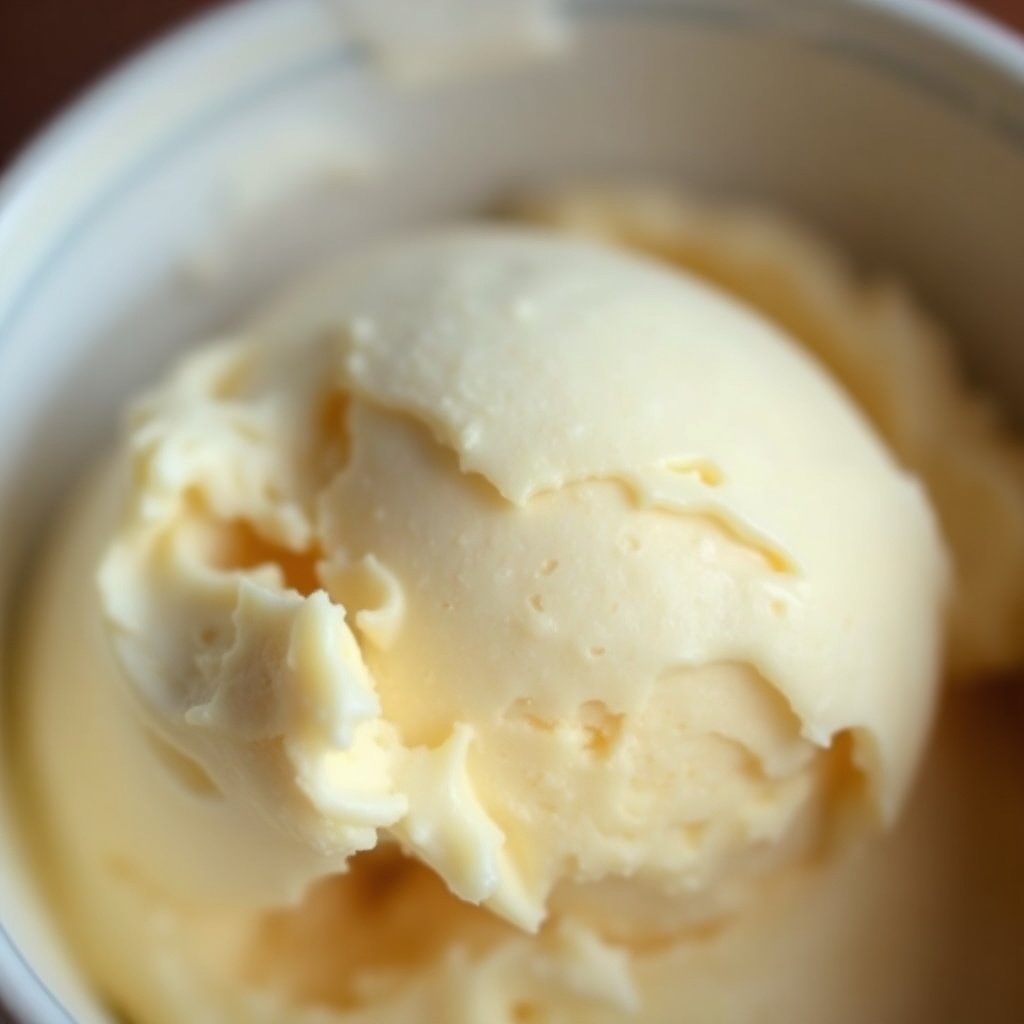
Smooth, creamy ice cream depends largely on minimizing ice crystal formation. Rapid freezing and continuous churning help break up emerging crystals. Adding stabilizers like gelatin or cornstarch can also improve mouthfeel by binding water.
After churning, transferring ice cream to a flat container and covering tightly reduces air exposure and slows crystal growth in the freezer. Gentle stirring during early freezing stages can also enhance texture.
- Churn thoroughly to incorporate air
- Freeze quickly and store in airtight containers
- Add stabilizers like gelatin or cornstarch if desired
Storing Homemade Ice Cream for Best Quality
Homemade ice cream is best consumed within one to two weeks for optimal flavor and texture due to the absence of preservatives. Store it in a freezer-safe container with a tight-fitting lid, and consider placing a sheet of parchment or plastic wrap on the surface to prevent freezer burn.
Avoid frequent thawing and refreezing cycles by scooping ice cream quickly and returning it immediately to the freezer. Labeling containers with the date also helps track freshness.
Popular Homemade Ice Cream Flavors and Variations
Classic Flavors: Vanilla, Chocolate, and Strawberry
Vanilla bean remains the most versatile classic flavor, enhancing other mix-ins or toppings. Rich chocolate ice cream can be achieved using cocoa powder or melted dark chocolate, while fresh strawberry ice cream benefits from ripe fruit purée with a balanced sweetness.
These foundational flavors serve as excellent starting points for experimenting by adding nuts, swirls, or sauces to create more complex profiles.
For more on this, see our related guide: How to Make Pizza at Home Fast and Easy with Perfect Dough and Baking Tips.
Creative Twists and Seasonal Ingredients
Incorporating herbs like mint or basil, spices such as cinnamon or cardamom, or seasonal fruits expands your homemade ice cream repertoire. Combining flavors, for example, peach with ginger or pumpkin with nutmeg, adds intriguing complexity.
Alternative bases using coconut milk or yogurt cater to dietary preferences and provide unique flavors and textures. Rotating seasonal ingredients keeps homemade ice cream exciting year-round.
Troubleshooting Common Ice Cream Making Problems
Dealing with Ice Crystals and Grainy Texture
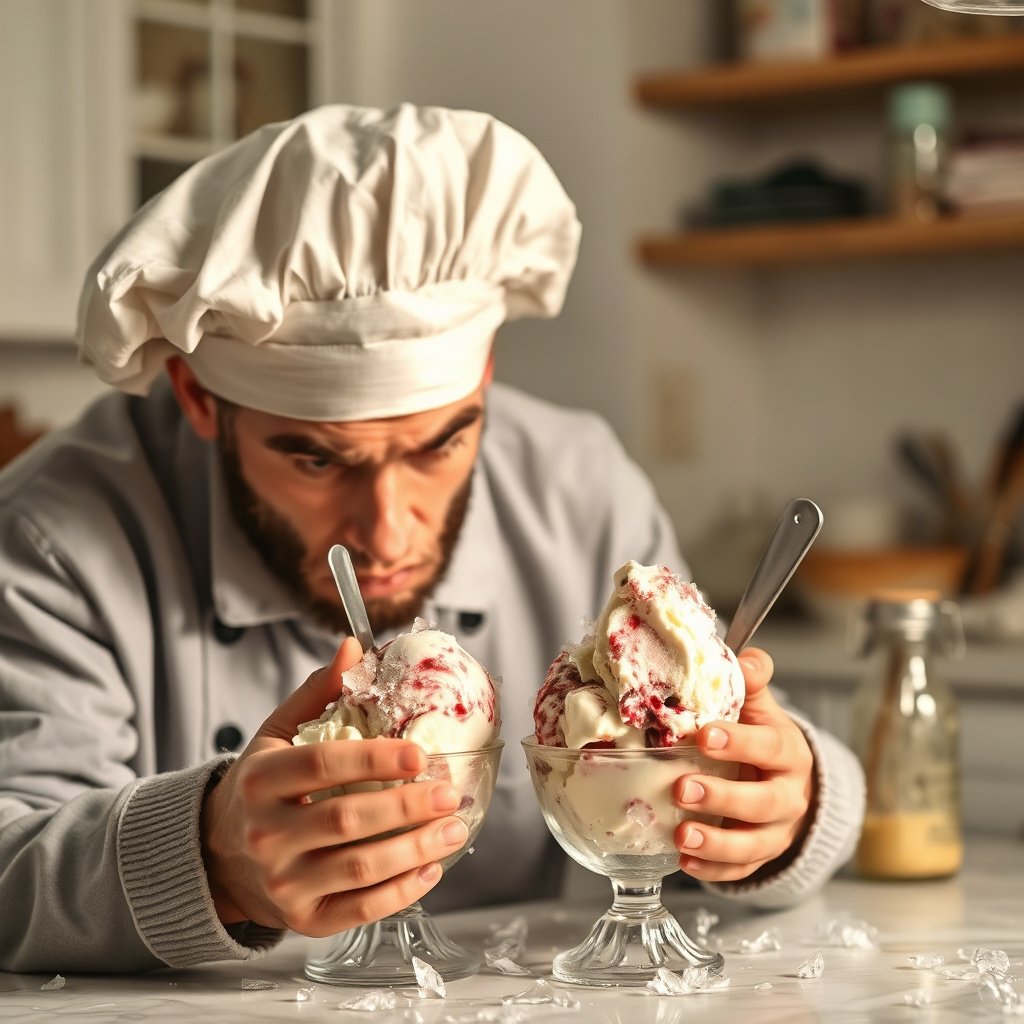
Large ice crystals usually mean insufficient churning or slow freezing. If ice cream is grainy, increase mixing speed, chill all ingredients prior to churning, and use proper freezing containers. Incorporating a bit of alcohol or corn syrup can also reduce crystallization.
When scooping is overly hard, it often indicates excessive freezing time or lack of fat, signaling a recipe adjustment to the dairy content or sugar ratios might be needed.
For a thorough overview of ice cream’s history and varieties, visit the Ice cream on Wikipedia page. Ice cream on Wikipedia.
Issues with Melting and Soft Ice Cream
Several factors lead to soft homemade ice cream melting quickly: low fat content, lack of stabilizers, or insufficient freezing time. Using a higher cream ratio or adding ingredients like gelatin can help with structure.
Also, storing ice cream at the coldest freezer setting and sealing containers well slows melting. Avoiding frequent thaw-refreeze cycles prolongs quality.
Ice Cream Making Methods Comparison
Here is a comparison of popular ice cream making methods to help you pick the best fit for your kitchen and lifestyle.
| Method | Equipment Needed | Skill Level | Preparation Time | Typical Texture | Cost |
|---|---|---|---|---|---|
| No-Churn Sweetened Condensed Milk | No equipment required | Beginner | 5 minutes prep + freeze time | Smooth, creamy | Low |
| Blender/Food Processor with Frozen Fruit | Blender or processor | Beginner | 10 minutes prep + freeze time | Soft, creamy with fruit texture | Low |
| Electric Ice Cream Maker with Freezer Bowl | Electric machine, pre-frozen bowl | Intermediate | 15 minutes prep + 20-40 min churn | Creamy, smooth | Moderate |
| Compressor Ice Cream Maker | Compressor machine | Advanced | 20-30 minutes prep + churn | Professional texture, very creamy | High |
| Manual Hand-Crank Ice Cream Maker | Hand crank machine | Intermediate | 30 minutes prep + manual churning | Traditional texture, slightly less creamy | Moderate |
Frequently Asked Questions
Can I make ice cream without an ice cream maker?
Yes, no-churn recipes use ingredients like sweetened condensed milk and whipped cream to create creamy ice cream without special equipment. Blending frozen fruits also offers a quick alternative.
How can I prevent ice crystals in homemade ice cream?
Churn ice cream thoroughly to incorporate air and freeze it quickly in an airtight container. Adding stabilizers like gelatin or cornstarch and stirring during initial freezing can help reduce ice crystals.
What is the difference between custard and Philadelphia style ice cream?
Custard ice cream contains egg yolks, which provide richness and thicker texture, while Philadelphia style omits eggs, resulting in a lighter, simpler ice cream with a cleaner dairy flavor.
How long does homemade ice cream last in the freezer?
Homemade ice cream is best eaten within one to two weeks. Over time, texture and flavor degrade since it lacks preservatives, so proper airtight storage is recommended.
Can I use alternative milks for making ice cream at home?
Yes, coconut, almond, and soy milk can substitute dairy to make ice cream for dietary needs. However, texture might vary due to lower fat and protein levels, often requiring recipe adjustments.
Key Takeaways
- Homemade ice cream requires basic ingredients with control over texture and flavor.
- No-churn recipes offer quick, equipment-free options perfect for beginners.
- Using an ice cream maker yields smoother, creamier results with more control.
- Proper freezing and storage techniques are essential to maintain quality.
Conclusion
Deciding how to make ice cream at home revolves around your available tools, time, and desired texture. While no-churn methods provide straightforward, fast results, investing in an ice cream maker expands creative possibilities and refines texture. Understanding the role of ingredients like cream, sugar, and eggs empowers you to tailor each batch to taste preferences and diet requirements.
For casual home cooks looking for quick, satisfying treats, no-churn recipes using sweetened condensed milk and whipped cream are a reliable choice. Those seeking to replicate professional ice cream textures benefit from electric or compressor ice cream makers, especially when making custard-based recipes. Experimenting with flavors and mix-ins keeps the process enjoyable, encouraging seasonal and creative homemade ice cream adventures.
Ultimately, starting with simple recipes and gradually experimenting with equipment and ingredients will develop your skills and confidence. Carefully freezing and storing your ice cream preserves freshness and enhances enjoyment. Whether preparing a single container or frequent batches, homemade ice cream offers a rewarding culinary experience for any level.