How to Make Mac and Cheese: A Step-by-Step Guide to Classic Comfort Food
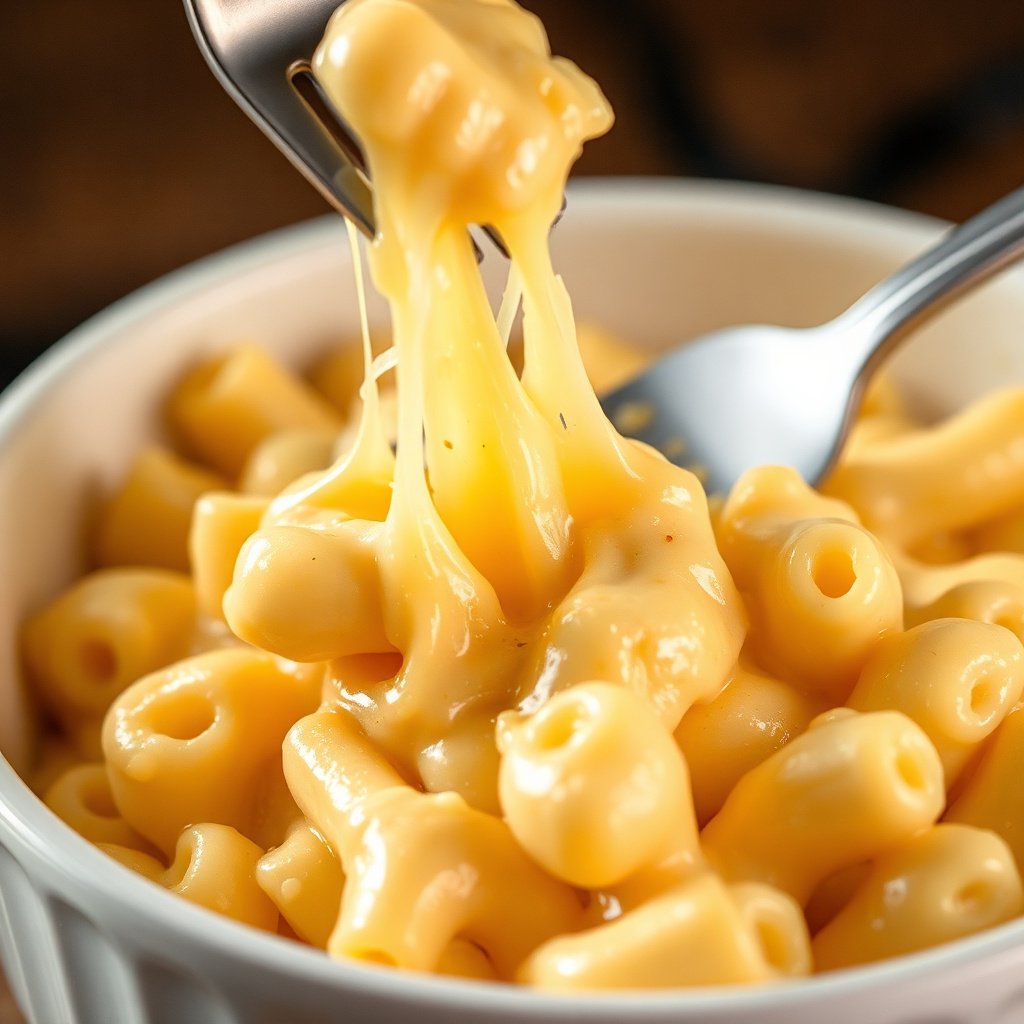
Making mac and cheese involves cooking macaroni pasta until tender, then combining it with a creamy cheese sauce made from butter, flour, milk, and cheddar cheese. This straightforward process results in a warm, gooey dish that’s a favorite comfort food for many.
This recipe matters because homemade mac and cheese beats boxed versions in flavor and texture. It allows control over ingredients and lets you customize it with different cheeses or toppings to suit your tastes and dietary preferences.
In this article, you’ll learn how to prepare classic mac and cheese, from cooking pasta correctly to making a smooth béchamel base, mixing cheeses, and baking tips. We’ll also explore variations and helpful tricks to perfect your homemade mac and cheese.
Understanding the Basics of Making Mac and Cheese
Cooking the Macaroni Perfectly
Cooking the pasta al dente is essential for mac and cheese because it ensures the noodles hold their shape and don’t become mushy after baking. Use plenty of salted boiling water and cook for about 7-8 minutes, or follow the package instructions minus one minute.
Once cooked, drain the macaroni but reserve a small amount of pasta water. This starchy water can be added later to thin the cheese sauce if it becomes too thick, helping maintain a creamy texture.
Mastering the Cheese Sauce
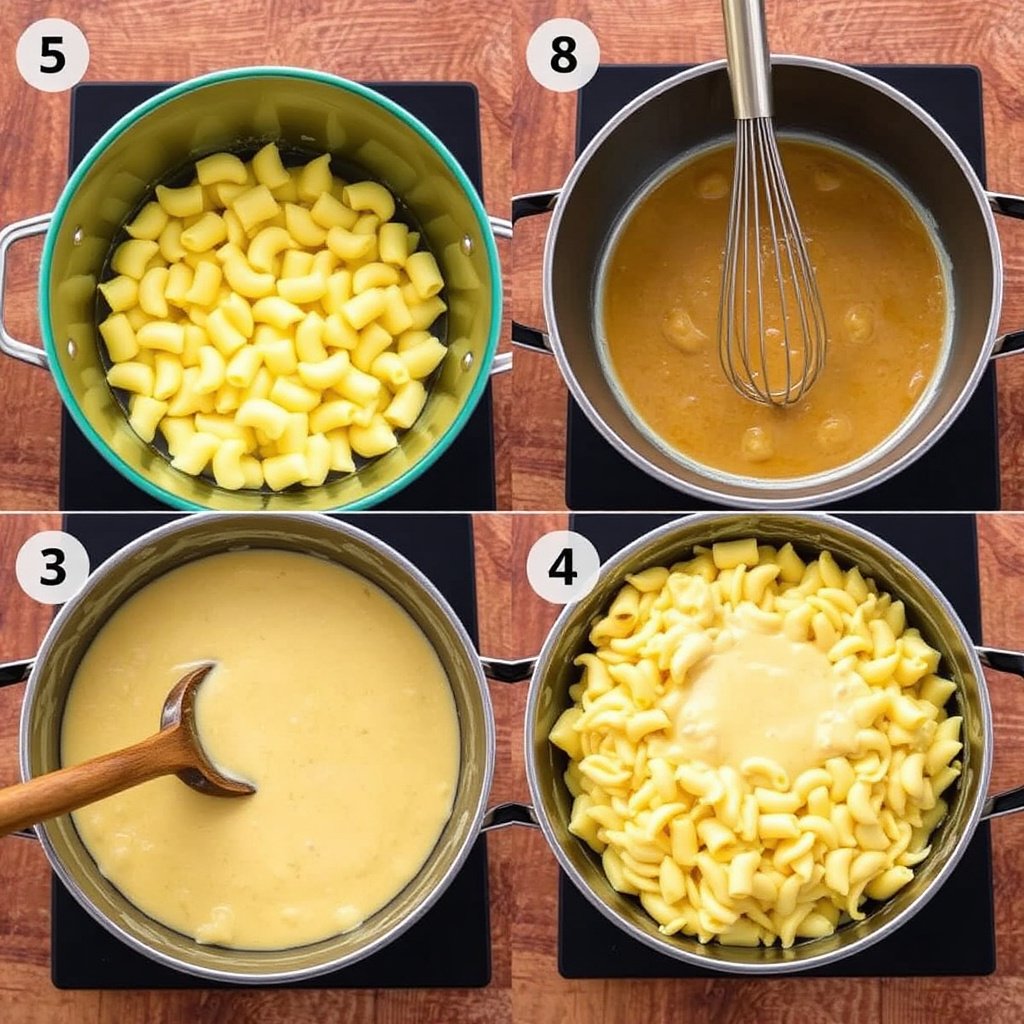
The key to a rich cheese sauce is creating a roux by melting butter and whisking in flour, cooking it just enough to eliminate the raw flour taste. Then slowly add warmed milk, whisking continuously to avoid lumps and form a smooth béchamel sauce.
Once the béchamel thickens, remove from heat and stir in shredded cheddar cheese gradually. Using a sharp cheddar offers a good balance of flavor and meltability. You can also mix cheeses like mozzarella or Gruyère for different tastes.
Essential Ingredients and Their Roles

Choosing the Right Cheese
Cheddar cheese is traditional for mac and cheese, offering a rich, tangy flavor and excellent melting qualities. Young cheddar melts smoothly, while aged cheddar adds sharpness but can be grainier when melted.
Blending cheeses, such as combining mild cheddar with Gruyère or mozzarella, can enhance texture and flavor. Avoid pre-shredded cheese if possible, as it often contains anti-caking agents that hinder smooth melting.
- Sharp cheddar for flavor
- Mozzarella for stretchiness
- Gruyère for nuttiness
Milk and Butter Choices
Whole milk is best for a creamy sauce due to its fat content that enriches the sauce. For lower fat versions, you can use 2% milk but expect a slightly thinner texture.
Butter is crucial for the roux and flavor. Using unsalted butter gives more control over seasoning, but salted butter can be used if it's all you have. Avoid margarine for best taste.
Step-by-Step Cooking Process for Creamy Mac and Cheese
Preparing the Roux and Cheese Sauce
Start by melting butter in a saucepan over medium heat. Whisk in flour and cook for about 2 minutes to form a smooth paste. Gradually add warm milk while whisking to avoid lumps and cook until sauce thickens enough to coat the back of a spoon.
Remove from heat and add shredded cheddar cheese gradually, stirring until fully melted and smooth. Season with salt, pepper, and a pinch of mustard powder or paprika if desired to enhance the flavor profile.
For more on this, see our related guide: What Is a Pub? A Complete Guide to British Public Houses and More.
Combining Pasta with Sauce and Baking
Mix the drained macaroni into the cheese sauce, adding a little reserved pasta water if the mixture is too thick. Stir gently to coat the pasta evenly in sauce.
Transfer the mac and cheese to a baking dish, top with extra cheese or breadcrumbs for a crunchy topping, and bake in a preheated oven at 350°F (175°C) for 20-25 minutes until bubbly and golden on top.
- Preheat oven to 350°F
- Use a greased baking dish
- Top with shredded cheese or breadcrumbs
Tips for Customizing Your Mac and Cheese

Adding Flavorful Mix-ins
To create a more exciting dish, add cooked ingredients like crispy bacon, sautéed onions, steamed broccoli, or diced tomatoes. These additions add texture, color, and flavor complexity to your mac and cheese.
Spices such as smoked paprika, cayenne pepper, or a dash of hot sauce can be stirred into the cheese sauce for a subtle kick without overwhelming the creamy base.
- Cook bacon until crispy
- Steam vegetables before adding
- Use spices sparingly to complement
Baking Techniques for Texture
Baking mac and cheese gives it a golden crust that contrasts nicely with creamy inside. For an extra crunchy top, sprinkle panko breadcrumbs mixed with melted butter over the assembled dish.
If you prefer no-bake mac and cheese, simply serve after mixing pasta and cheese sauce to keep it super creamy and soft. Baking is optional but adds a pleasant texture variation.
- Mix panko with melted butter for topping
- Bake at 350°F for 20-25 minutes
- Skip baking to keep saucier texture
Common Mistakes and How to Avoid Them When Making Mac and Cheese
Preventing Lumpy Sauce
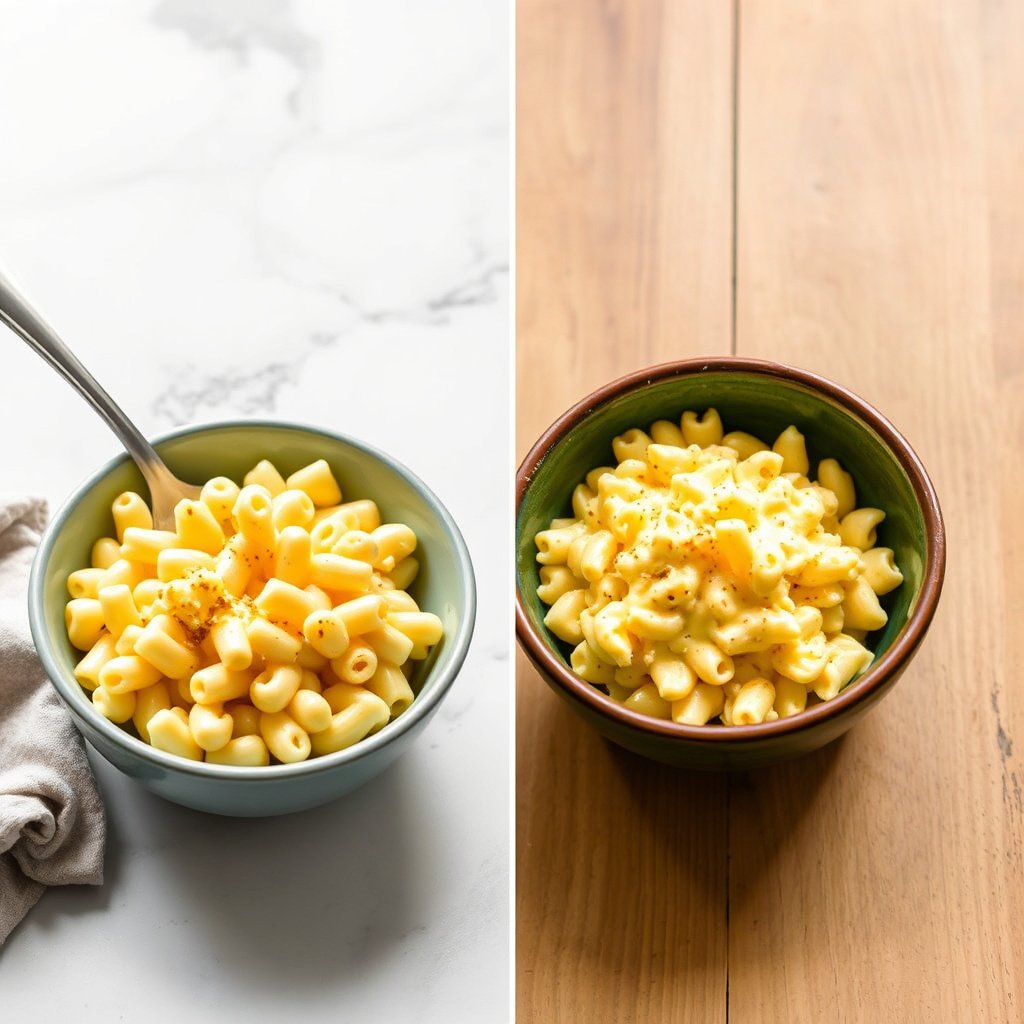
Lumpy cheese sauce is often caused by adding cold milk too quickly to the roux or insufficient whisking. To avoid lumps, always add warm milk gradually while whisking continuously and cook over moderate heat.
Using a whisk instead of a spoon helps create a smooth sauce by breaking up any clumps as the sauce thickens. Patience during this stage is key to a creamy result.
For more on this, see our related guide: How to Make Spaghetti and Meatballs with Easy Steps and Expert Tips.
Avoiding Overcooked Pasta
Pasta overcooked in boiling water becomes mushy after it's combined with sauce, ruining the final texture. Cook macaroni al dente and drain promptly. Resist the urge to cook pasta fully soft to compensate for baking time.
If baking mac and cheese, slightly undercook pasta by a minute or so to maintain firmness after the oven time.
Storing and Reheating Leftover Mac and Cheese

Proper Storage Techniques
Store leftover mac and cheese in an airtight container in the refrigerator for up to 3-4 days. Cool the dish to room temperature before sealing to prevent condensation and sogginess.
For longer storage, freeze mac and cheese in a freezer-safe container for up to 2 months. Thaw in the fridge overnight before reheating.
For historical background and additional variations, the macaroni and cheese Wikipedia article offers in-depth information. macaroni and cheese Wikipedia article.
Best Ways to Reheat
Reheat refrigerated mac and cheese in the oven at 350°F, covered with foil to retain moisture, until heated through. Alternatively, warm single portions in the microwave, adding a splash of milk to restore creaminess.
Avoid overheating to prevent drying out. Stir occasionally during reheating to distribute heat evenly.
Mac and Cheese Preparation Methods Comparison
Here’s a comparison of common mac and cheese preparation methods and their characteristics to help you decide which fits your needs.
| Method | Texture | Preparation Time | Equipment Needed |
|---|---|---|---|
| Stovetop Only | Creamy and soft | 20-25 minutes | Saucepan, whisk |
| Baked Mac and Cheese | Creamy inside with crispy top | 40-50 minutes | Saucepan, baking dish, oven |
| Instant Pot Mac and Cheese | Creamy and quick | 15-20 minutes | Pressure cooker |
| Microwave Mac and Cheese | Quick but less creamy | 10-15 minutes | Microwave-safe bowl, microwave |
Frequently Asked Questions
Can I use other types of pasta for mac and cheese?
Yes, other pasta shapes like shells, rotini, or penne can be used. Choose a shape that holds sauce well and cooks evenly, but classic elbow macaroni remains the most popular choice.
How do I prevent my mac and cheese from becoming greasy?
Use moderate amounts of butter and cheese, and maintain proper sauce balance with milk. Overusing cheese or not making a proper roux can cause separation and greasiness.
Is it necessary to bake mac and cheese?
No, baking is optional. You can serve mac and cheese directly after mixing pasta and cheese sauce for a creamier texture. Baking adds a golden crust and firmer structure.
Can I make mac and cheese ahead of time?
You can prepare mac and cheese sauce and pasta separately in advance and combine them before baking or serving. If baking, assemble just before cooking to avoid sogginess.
What cheese melts best for mac and cheese?
Mild to sharp cheddar melts well and gives classic flavor. Mixing in mozzarella or Gruyère improves meltability and adds texture diversity.
Key Takeaways
- Cook macaroni al dente to maintain texture after baking.
- Create a smooth roux-based cheese sauce for best creaminess.
- Customize with different cheeses and mix-ins for flavor variety.
- Baking adds a crisp topping but is not required for great mac and cheese.
Conclusion
Deciding how to make mac and cheese well involves balancing pasta texture, sauce creaminess, and flavor. Cooking pasta al dente, preparing a lump-free roux-based cheese sauce, and choosing quality ingredients create a satisfying dish. Understanding your preferences for texture—whether you prefer baked with a crunchy top or stovetop creamy—guides the final steps accurately. Being mindful of how each ingredient and step affects the final result helps craft a delicious mac and cheese tailored to your taste.
If you want classic comfort, stick with the traditional baked mac and cheese using sharp cheddar and a buttery breadcrumb topping. For quick weeknight dinners, easy homemade mac and cheese prepared stovetop without baking delivers creamy satisfaction. Incorporate additives like crispy bacon or steamed broccoli for extra nutrition and flavor layers. Each approach offers different benefits, letting you pick one that suits time, equipment, and flavor goals.
After mastering basic techniques, experiment with cheeses and mix-ins or try pressure cooker versions for speed. Keep leftovers for up to 4 days refrigerated and reheat gently to retain creaminess. With practice, making mac and cheese becomes intuitive and reliably delicious, making it an accessible recipe everyone can enjoy repeatedly.