What Is a Stout? A Complete Guide to This Rich Beer Style
A stout is a dark, robust beer known for its deep flavors and creamy mouthfeel. Originating from porter styles in the 18th century, stouts typically feature roasted malt notes, delivering flavors reminiscent of coffee, chocolate, and caramel. This beer style ranges from rich and heavy to lighter versions, but all share a distinctive dark color and bold taste.
Stouts matter to beer lovers because they offer complexity and a wide range of flavor experiences that contrast with lighter beers like lagers or pilsners. Their richness pairs well with hearty foods and desserts, making them popular choices in colder seasons and among those who enjoy a full-flavored beverage. Understanding what defines a stout helps enthusiasts select beers that fit their palate and occasion.
In this article, we’ll cover the defining characteristics of stouts, explore popular types of stout beer, guide you on tasting and pairing stouts, explain how to distinguish stouts from other dark beers, and compare stouts with related beer styles. Whether you are a casual drinker or a budding beer connoisseur, this guide will deepen your appreciation of stouts.
Understanding the Characteristics of a Stout

Flavor Profile and Appearance
Stouts are characterized by their intense roasted malt aromas and flavors that often include coffee, dark chocolate, and caramel notes. Their color ranges from deep brown to nearly black, and they usually feature a thick, creamy head due to nitrogen carbonation in some varieties.
The bitterness level can vary, but it generally balances the malt sweetness to create a smooth drinking experience. Mouthfeel tends to be full-bodied and rich, making the stout substantial compared to lighter beers.
Historical Origin of the Stout
The term 'stout' originally described a strong porter—an English dark beer popular in the 18th century. Brewers began marketing 'stout porters' which eventually shortened to 'stout'. These beers evolved in strength and flavor over time into the distinct style known today.
Understanding this history clarifies why stouts share similarities with porters but are often bolder, with deeper roasted character and a more robust body.
Popular Types of Stout Beer
Dry Stout
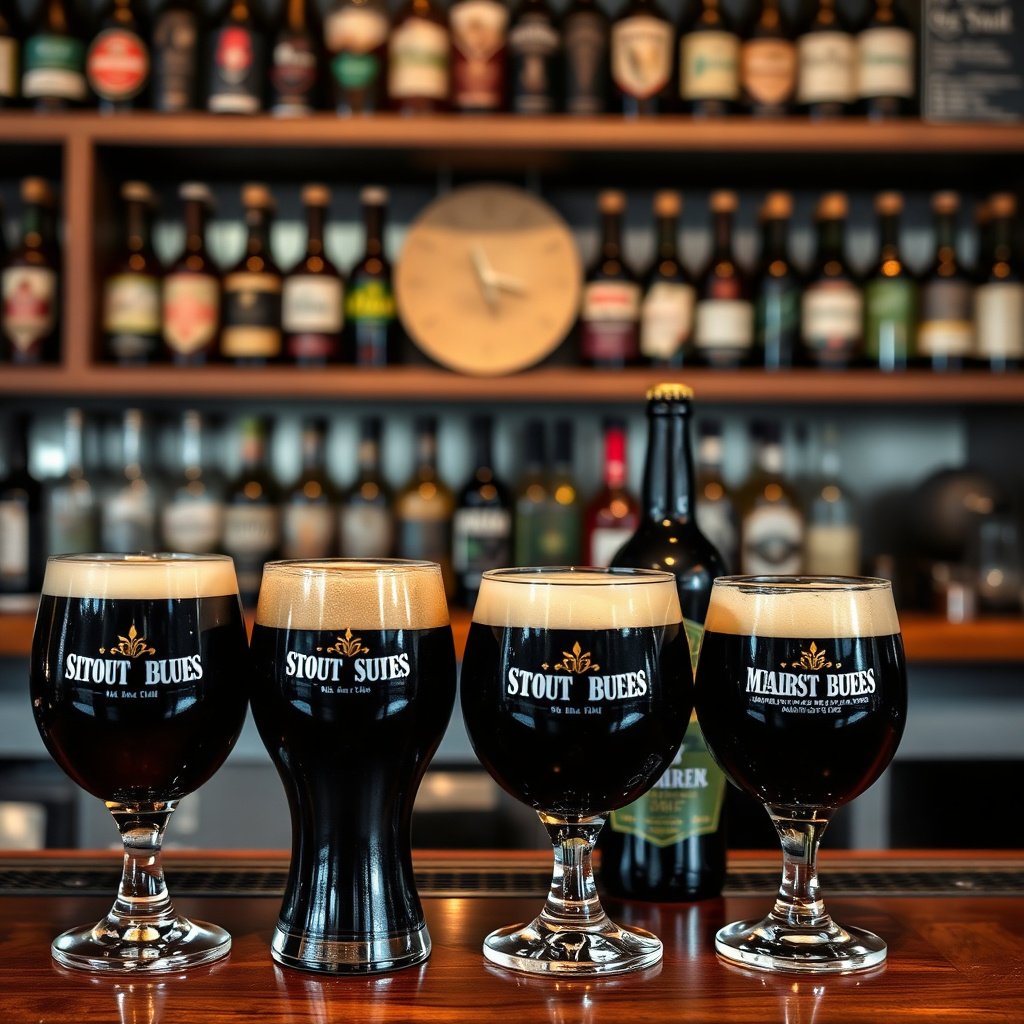
Dry stout, such as the iconic Guinness, is known for its relatively low sweetness and pronounced bitterness derived from roasted barley. It has a smooth, creamy mouthfeel and is lighter in alcohol compared to other stouts, making it accessible for many drinkers.
This style balances bitter and sweet notes expertly, often with hints of coffee and cocoa, creating a refreshing yet complex profile.
Imperial or Russian Stout
Imperial stouts are much stronger, with higher alcohol content—typically 8-12% ABV—and a fuller body. They showcase intense roasted flavors along with complex layers like dark fruit, molasses, and sometimes smokiness.
These stouts are rich and warming, suitable for sipping slowly or pairing with intense foods like smoked meats or rich chocolate.
How to Taste and Appreciate a Stout
Visual and Aroma Observation
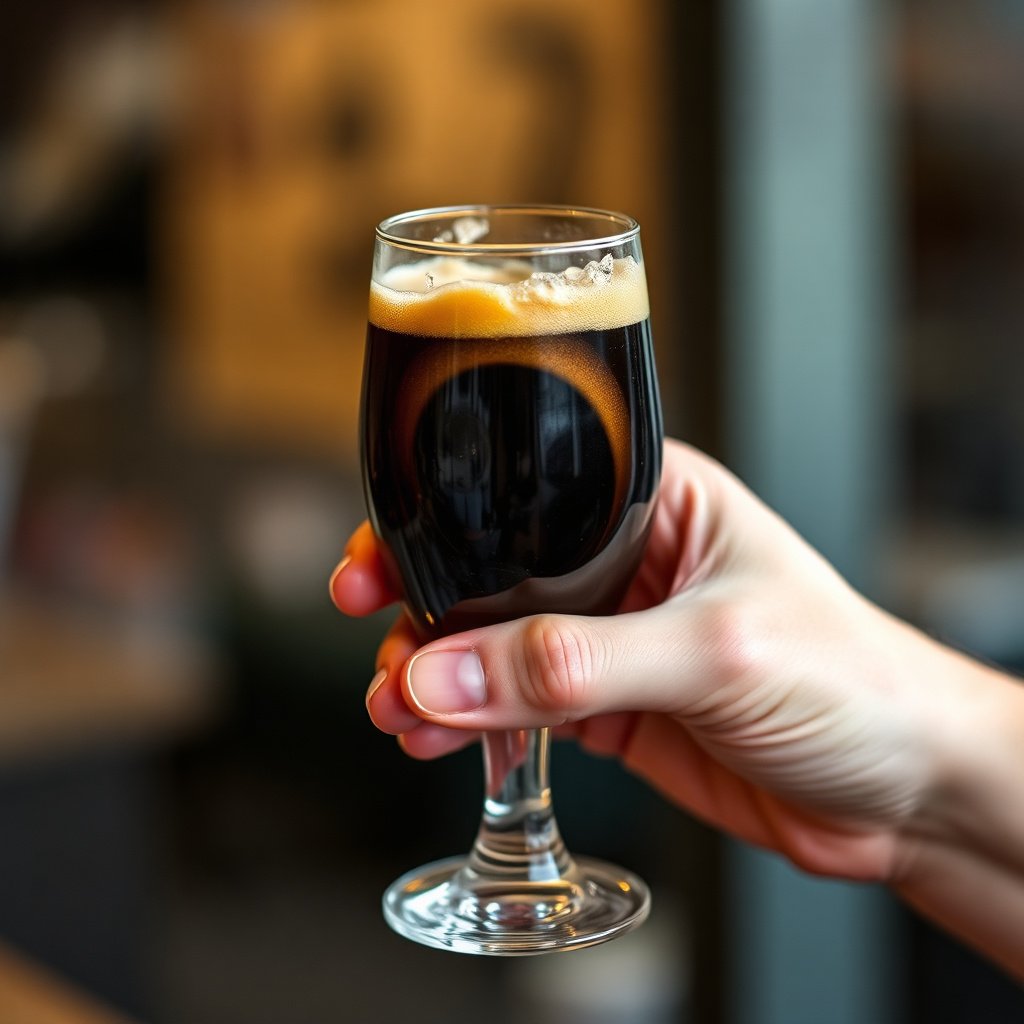
Start by examining the stout’s appearance—the color should be deeply opaque or very dark brown, often with a thick, creamy tan head. Next, inhale to notice the aromas, which might include roasted malt, coffee, chocolate, caramel, and sometimes a hint of dark fruit or vanilla.
The aroma gives important clues about the style and brewing process, such as whether the stout uses roasted barley or additional flavorings.
For more on this, see our related guide: What Is a Pub? A Complete Guide to British Public Houses and More.
Tasting Technique
Take a moderate sip, allowing the stout to coat your palate so you can experience its fullness and complexity. Identify the balance of bitterness, sweetness, roastiness, and any underlying flavors like nuts or fruit.
Swallow slowly to notice the finish, which in stouts is often smooth, slightly dry, or lingering with coffee or chocolate notes, depending on the style.
Food Pairings for Stouts
Savory Pairings
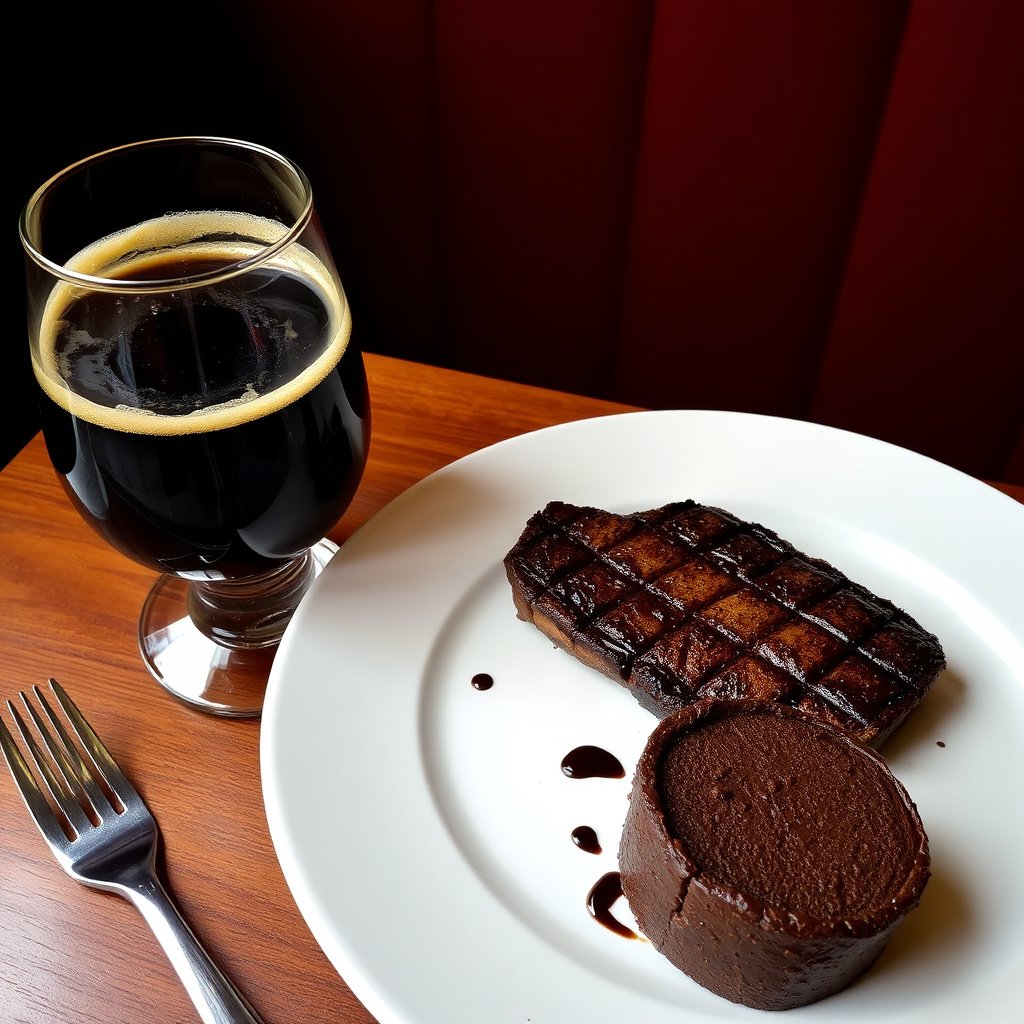
Stouts pair wonderfully with rich, hearty foods such as grilled or smoked meats, stews, and roasted vegetables. The roasted malt complements charred flavors and can stand up to intense spices without being overshadowed.
Classic combinations include stout with barbecue ribs, beef stew, or sharp cheddar cheese, each enhancing different stout characteristics.
Dessert Pairings
The inherent chocolate and coffee notes in many stouts make them an excellent match for desserts like chocolate cake, brownies, or tiramisu. Sweeter stouts or those with added flavors like vanilla or bourbon enhance dessert experiences.
Additionally, stouts can contrast well with saltier desserts such as salted caramel or pecan pie for a balanced bite.
Distinguishing Stouts from Other Dark Beers

Differences Between Stouts and Porters
Though both are dark beers, stouts typically have a more intense roasted flavor profile due to their use of roasted barley, which is unmalted and adds a sharper, coffee-like bitterness. Porters rely more on malted barley and have a generally sweeter, less roasted character.
Stouts often have a thicker body and creamier mouthfeel compared to the usually lighter and less aggressive porters.
For more on this, see our related guide: What Is the Best Craft Beer? Top Picks and Expert Selection Guide.
Comparisons with Other Dark Styles
Compared to dark ales or brown ales, stouts typically showcase deeper roast flavors and a heavier mouthfeel. Dark lagers tend to be cleaner and crisper, lacking the rich malt complexity found in stouts.
Recognizing these differences helps enthusiasts choose beers best suited for their taste and occasions.
Brewing Techniques Behind a Stout
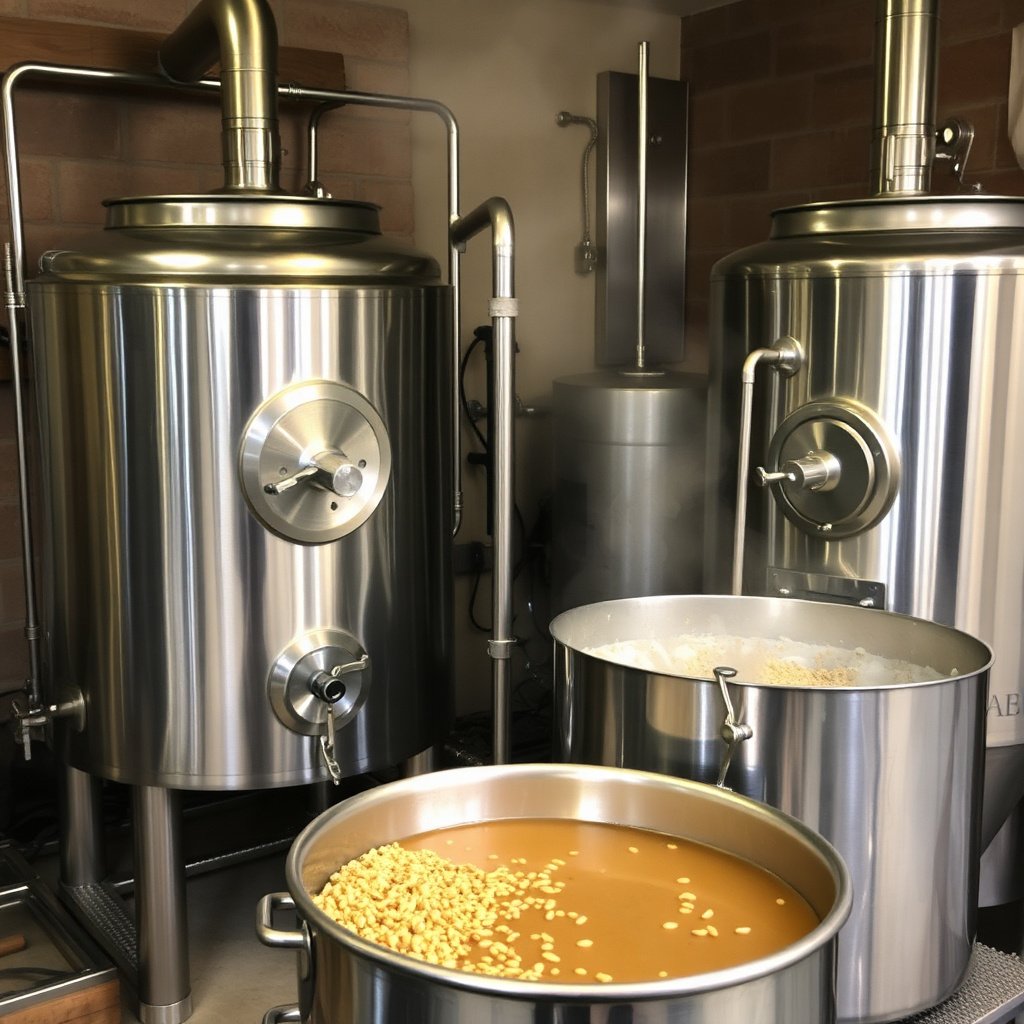
Role of Roasted Barley and Malts
Roasted barley, often unmalted, is a key ingredient that defines stout’s characteristic color and flavor. It imparts the roasted, coffee-like bitterness that distinguishes stouts from other beer styles.
In addition to roasted barley, a stout’s malt bill may include chocolate malt and caramel malts to bring depth and sweetness, balancing the roast.
For a detailed historical and technical overview, the stout beer Wikipedia entry offers extensive information. stout beer Wikipedia entry.
Fermentation and Conditioning Process
Stouts are typically fermented with ale yeasts at warmer temperatures, which contribute to their fruity esters and complexity. Some stouts use nitrogen for carbonation, producing the signature creamy texture and smooth head.
Conditioning times vary, but slower maturation helps meld roasted flavors and develop the stout’s signature smoothness.
Comparison of Popular Stout Types
Here is a comparison of various stout types highlighting their alcohol content, flavor profile, and typical serving styles.
| Type | Alcohol By Volume (ABV) | Flavor Profile | Typical Serving Style |
|---|---|---|---|
| Dry Stout | 4.0-5.0% | Roasty, bitter, smooth | Nitrogenated, creamy head |
| Imperial Stout | 8.0-12.0% | Rich, complex, intense | Bottle or draft, sipping style |
| Oatmeal Stout | 4.5-6.0% | Smooth, slightly sweet, creamy | Draft or bottle, pairs well with desserts |
| Milk Stout | 4.0-6.0% | Sweet, creamy, with lactose sweetness | Often bottled, dessert companion |
| Foreign Extra Stout | 6.0-8.0% | Bold, roasted, slightly bitter | Bottled, robust sipping beer |
Frequently Asked Questions
What makes a stout different from a porter?
Stouts use roasted barley, which is unmalted, giving them a sharper, coffee-like bitterness and darker color. Porters are usually sweeter, with malted barley contributing to a smoother, less roasted flavor.
Is a stout always very strong in alcohol?
Not necessarily. While imperial stouts can have high alcohol content, many stouts, like dry stouts, have moderate alcohol levels comparable to typical ales or lagers.
What foods pair well with stout beer?
Stouts pair well with hearty foods like grilled meats, stews, and sharp cheeses. They also complement desserts featuring chocolate or caramel flavors, enhancing the overall dining experience.
Can you drink stout beer year-round?
Absolutely. While stouts are popular in colder months due to their richness, many are approachable and enjoyable year-round with the right food pairing or occasion.
Why does some stout beer have a creamy head?
Many stouts use nitrogen gas instead of carbon dioxide for carbonation, which produces smaller bubbles resulting in a smooth, velvety head and creamy mouthfeel.
Key Takeaways
- Stout is a dark beer known for its roasted malt flavors and creamy texture.
- There are diverse types of stout beer from dry to imperial with varying strengths and flavors.
- Stouts pair well with both savory dishes and rich desserts.
- Roasted barley and fermentation methods shape stout's unique profile.
Conclusion
Choosing a stout involves understanding its defining elements: the deep roasted barley flavors, rich body, and typically creamy texture. Your preference might vary from a lighter, easy-drinking dry stout to a bold imperial stout with intense complexity. Recognizing these features helps you select a stout that matches the mood, meal, or personal taste, guiding a rewarding beer experience.
For those seeking balance and smoothness, a dry stout like Guinness offers approachability without sacrificing flavor complexity. If you prefer more depth and alcohol warmth, exploring imperial or foreign extra stouts is a solid choice. Oatmeal and milk stouts provide creaminess and sweetness ideal for dessert pairings or softer palates, illustrating the breadth within this beer family.
To deepen your appreciation further, consider sampling different types of stout beer, noting their unique characteristics and how they complement different foods or moments. Visiting a local craft brewery or beer festival can provide hands-on experience, and keeping in mind the distinct brewing techniques behind stouts enriches your tasting journey.