What Is the Average Lifespan of a Refrigerator? The Complete Answer
Are you tired of replacing your refrigerator sooner than you’d like? Many people struggle with the surprise of a sudden breakdown or noticing their fridge isn’t cooling properly. You’re not alone—knowing how long your fridge should last can help you plan better and save money.
You can expect your refrigerator to last between 10 and 20 years, depending on its type, brand, and how well you maintain it. Top-freezer models often last longer, while French door units may have a shorter lifespan.
Regular cleaning, checking seals, and setting the right temperature can help extend its life. If you notice cooling problems or strange noises, it might be time to act.
Keep exploring to understand how to maximize your fridge’s longevity.
Key Takeaways
- The average refrigerator lifespan is usually between 10 and 20 years, but it really depends on the make, model, and how well you take care of it.
- Top-freezer models tend to last around 14 to 17 years, while side-by-side and French door units can last anywhere from 10 to 20 years.
- Regular maintenance like cleaning coils, checking seals, and setting the right temperature can help your fridge last longer.
- Things like environmental conditions, how often you use it, and energy habits also play a big role in how durable and efficient your fridge stays.
- Signs that it might be time to replace your refrigerator include cooling problems, strange noises, frost buildup, and frequent repairs.
Average Refrigerator Lifespan
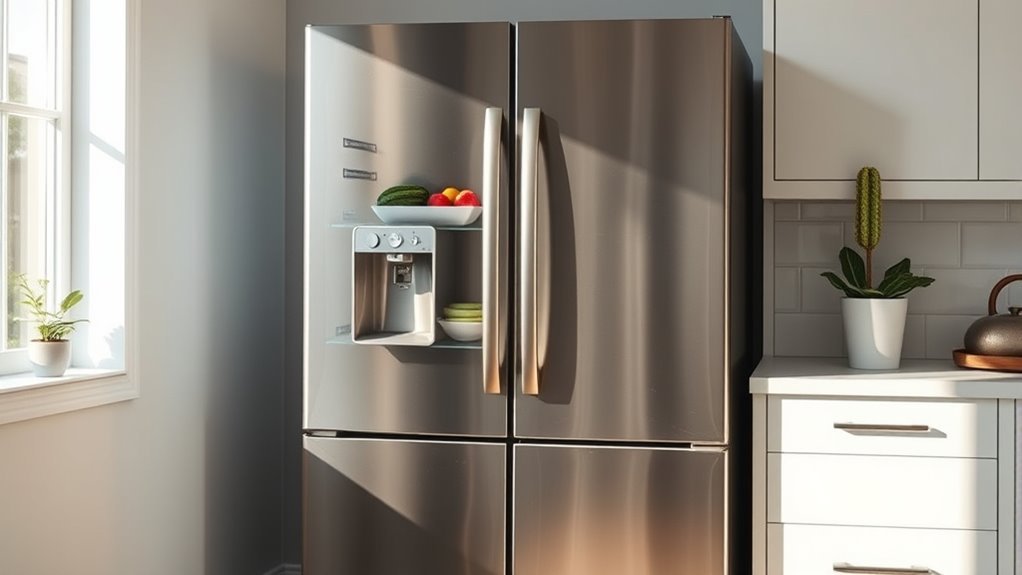
Most refrigerators last between 10 and 20 years, depending on their make, model, and how well you maintain them. You can extend your fridge’s lifespan by following simple maintenance tips like regularly cleaning the coils, checking door seals, and defrosting when needed.
Neglecting these steps can lead to higher energy use since your fridge has to work harder to stay cool. When it runs inefficiently, it not only hikes up your electricity bills but also shortens its overall life.
Staying proactive with regular upkeep helps reduce wear and tear on parts, keeping your fridge performing well for years. Keep in mind that factors like temperature and humidity where your fridge is located also affect how long it lasts.
If you want to get the most out of your investment, make regular maintenance a priority and keep an eye on energy consumption. That way, you can avoid unexpected breakdowns and save on costly repairs or replacements.
Refrigerator Types and Their Lifespans
When you’re looking at different types of refrigerators, you’ll notice they don’t all last the same amount of time. For example, top-freezer models usually have the longest lifespan, so they can be a good choice if you’re looking for something that will last for many years.
On the other hand, side-by-side refrigerators tend to be a bit more moderate in terms of durability—they might not last quite as long, but they still hold up pretty well. French door units, however, often need a little more maintenance as they age, which is something to keep in mind if you want a refrigerator that stays in great shape without much fuss.
Getting to know these differences can really help you pick the best fridge for your needs and avoid surprises down the line.
Top-Freezer Models Lifespan
Although top-freezer refrigerators have a more traditional look, they’re still popular because they’re reliable and efficient. When you go with a top-freezer model, you get simple features that make maintenance and repairs easier, which can help extend the fridge’s lifespan.
These models usually last around 14 to 17 years if you take good care of them. One reason they last so long is that they’re energy-efficient—they use less power than more complex designs, saving you money on electricity over time.
If you want a dependable fridge that balances cost, energy use, and durability, a top-freezer model is a smart choice. Just keep it clean and well-maintained to get the most years out of it.
Side-by-Side Refrigerator Durability
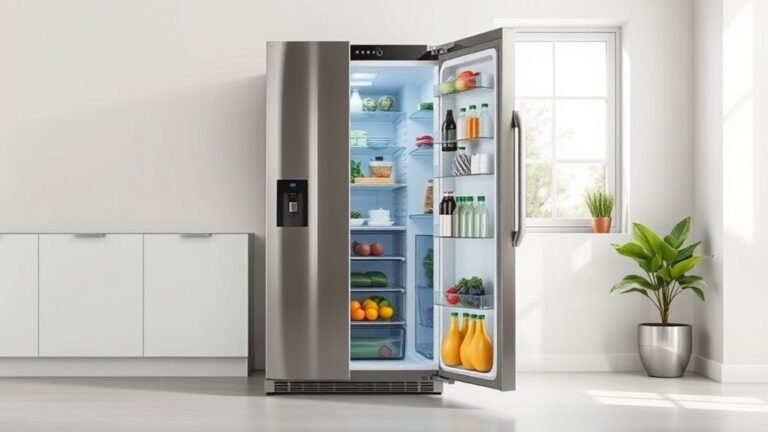
When you choose a side-by-side refrigerator, you get a stylish design that offers easy access to both fresh and frozen foods. This side-by-side design typically lasts around 12 to 20 years, balancing durability with convenience.
These models often score well in energy efficiency, which helps you save on electricity bills while keeping your food fresh. Proper maintenance can push their lifespan closer to the upper range.
Here’s a quick durability overview:
| Feature | Details |
|---|---|
| Average Lifespan | 12 to 20 years |
| Energy Efficiency | Moderate to high |
| Common Issues | Ice maker, door seals |
| Maintenance Tips | Clean coils, check seals |
| Typical Warranty | 1 to 3 years |
Side-by-side refrigerators offer a reliable, efficient option if you value style and function.
French Door Units Longevity
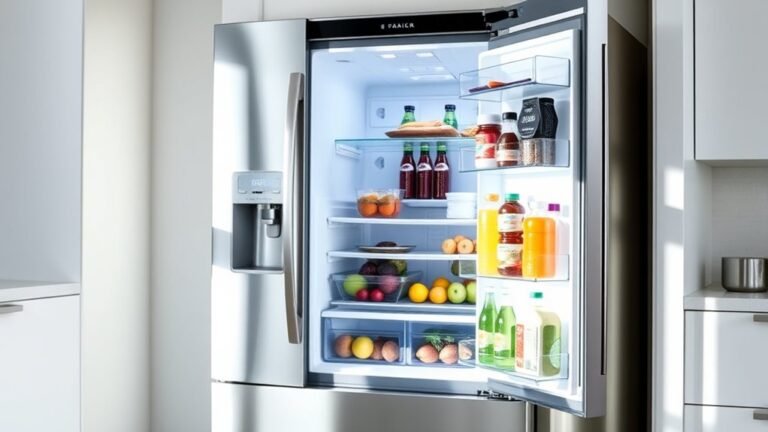
French door refrigerators combine the spaciousness of a side-by-side with the convenience of a bottom freezer, making them a popular choice for many households. You can expect these units to last around 10 to 15 years, depending on how well you handle French door maintenance.
Regularly cleaning the door seals and checking the hinges will keep the French door features functioning smoothly and help prevent costly repairs. Because of their design, these refrigerators often have more complex parts like dual evaporators, so staying on top of maintenance is essential.
If you avoid neglecting tasks like defrosting and keeping the condenser coils clean, your French door fridge will stay efficient and last longer. With proper care, your unit can serve you reliably well beyond the average lifespan.
Signs Your Refrigerator Is Failing
How can you tell if your refrigerator is starting to fail? One common sign is cooling issues. If your fridge isn’t keeping food cold enough or the temperature keeps fluctuating, it might be struggling.
You might also notice strange noises like buzzing, clicking, or rattling sounds that weren’t there before. These sounds can point to problems with the compressor, condenser fan, or other internal parts.
Another warning sign is excessive frost buildup in the freezer or water pooling inside or underneath the unit. You could also see condensation forming inside the fridge or around the door seals, which suggests poor sealing or insulation.
If your refrigerator runs constantly without cycling off, it’s working harder than it should. That indicates inefficiency or a failing component. Catching these signs early can help you decide whether to repair or replace your refrigerator before it completely breaks down.
Key Factors That Affect Refrigerator Longevity
Because several factors influence how long your refrigerator lasts, understanding them can help you maximize its lifespan. One major factor is energy consumption. Refrigerators that use too much energy often work harder, which can strain parts and shorten their life.
Understanding key factors like energy use can help extend your refrigerator’s lifespan.
Choosing an energy-efficient model and keeping it running smoothly reduces unnecessary wear. Temperature fluctuations also matter. When the inside temperature varies too much, the compressor cycles more often, increasing mechanical stress. This wastes energy and speeds up component failure.
Your usage habits play a role too. Frequently opening the door or overloading the fridge forces it to work harder to keep things cool, impacting its longevity. Environmental conditions like room temperature and humidity also affect how hard your fridge has to work, influencing its durability.
Finally, the build quality and brand reputation can determine how well a refrigerator withstands time and use. Knowing these factors helps you make smarter choices about caring for your appliance and deciding when to replace it.
Maintenance Tips to Make Your Refrigerator Last Longer
To keep your refrigerator running smoothly, it’s a good idea to stick to a regular cleaning routine and make sure you set the temperature just right. Trust me, doing these small things makes a big difference.
And don’t forget to check those key parts, like the door seals and coils, on a regular basis. Keeping an eye on these can really help prevent problems down the line. Following these simple steps can seriously extend your fridge’s lifespan and save you some headaches later on.
Regular Cleaning Routine
Maintaining a regular cleaning routine can really help extend your refrigerator’s lifespan. Stick to a cleaning schedule that fits how often you use it—about once every three months is usually good.
Use a maintenance checklist to stay organized: clean shelves, drawers, door seals, and the condenser coils. Ignoring these areas can make your fridge work harder and wear out faster.
Wipe up spills immediately to prevent odors and stains. Before doing a deep clean, make sure to unplug your fridge to avoid any damage.
If your model has water filters, check and replace them as needed.
By following a consistent cleaning routine and using a thorough checklist, you’ll keep your fridge running smoothly and avoid costly repairs later on.
This simple habit will save you money and help your appliance last longer.
Proper Temperature Settings
Keeping your refrigerator clean goes hand in hand with setting the right temperature. You want to maintain temperature stability to keep your food fresh and prevent your fridge from working overtime.
Aim for around 37-40°F (3-4°C) in the refrigerator and 0°F (-18°C) in the freezer. Setting temperatures too low wastes energy and strains your fridge’s components, reducing efficiency.
On the flip side, temperatures that are too high can lead to spoilage. Try not to adjust the thermostat too often, since that can disrupt temperature stability and make your fridge cycle more, which wears it out faster.
Timely Component Checks
Although it might seem minor, regularly checking key components like door seals, condenser coils, and drip pans can make a big difference in how long your refrigerator lasts. Doing these inspections on time helps you catch issues early and avoid costly repairs.
Try to include these simple maintenance steps in your routine:
- Door Seals: Make sure they’re clean and airtight so cold air stays in and energy use stays low.
- Condenser Coils: Dust and debris buildup makes your fridge work harder, so clean the coils every six months.
- Drip Pans: Empty and clean them regularly to prevent mold and bad odors.
Common Repairs That Extend Refrigerator Life
When your refrigerator starts making strange noises or isn’t cooling properly, fixing common problems quickly can help it last longer. First, check if your appliance is under warranty before scheduling repairs, which can save you money.
Typical fixes include replacing faulty thermostats, cleaning or swapping out condenser coils, and repairing worn-out door seals. These issues often cause poor cooling and higher energy bills.
You can extend your fridge’s life by addressing these problems early. Compressor issues and evaporator fan motor failures also need attention but might cost more to fix.
If you notice strange sounds or inconsistent temperatures, acting fast can prevent bigger damage. Staying proactive with repairs keeps your fridge running efficiently and helps you avoid rushing into a replacement.
Signs You Should Replace Your Refrigerator
How do you know it’s time to replace your refrigerator? Paying attention to key signs can save you from unexpected breakdowns and costly repairs, especially as it gets older. Here are three clear indicators you shouldn’t overlook:
- Frequent Repairs. If you’re calling a technician often, the cost and hassle might be more than just replacing the unit.
- Inconsistent Temperature. When your fridge can’t keep a steady temperature, your food is at risk of spoiling. That’s a sign it’s losing efficiency.
- Excessive Noise or Vibration. Loud humming or shaking sounds usually point to failing parts inside, which gets worse with age.
Spotting these signs early helps you make smarter choices and avoid bigger problems later. If you notice one or more of these, it’s probably time to think about getting a new refrigerator.
Energy Efficiency and Your Aging Refrigerator
As your refrigerator gets older, it doesn’t work as efficiently as it used to. You might start to see those energy bills creeping up because older models tend to use more power to keep your food cold. It’s pretty common to notice these changes over time.
Knowing this, you can decide if it’s time for an upgrade. Sometimes investing in a newer, energy-efficient fridge can save you money in the long run by cutting down on those electricity costs.
Declining Energy Performance
Although your refrigerator keeps your food cold, its energy efficiency tends to decline as it gets older. Over time, wear and tear can lead to higher energy use and less effective performance. Here’s what happens:
- Seal degradation: The door seals can wear out, letting cold air escape and making the fridge work harder.
- Compressor strain: An aging compressor becomes less efficient, using more energy to keep the temperature steady.
- Dust buildup: Dust on the condenser coils blocks heat dissipation, causing the system to run longer cycles.
Cost Implications of Inefficiency
When your refrigerator starts using more energy, you’ll notice a rise in your utility bills that can add up quickly. As your appliance ages, inefficiency creeps in, causing it to work harder and consume more electricity.
This increase directly impacts your energy bills, sometimes noticeably. While you might consider repairing the unit, keep in mind that repair costs can also climb as parts wear out or become outdated.
Frequent repairs may not be cost-effective compared to investing in a newer, more energy-efficient model. By monitoring your refrigerator’s performance and energy consumption, you can avoid unexpected expenses.
Staying proactive helps you manage both repair costs and energy bills, ensuring your kitchen runs smoothly without draining your wallet.
How to Choose a Long-Lasting Refrigerator
How can you guarantee your new refrigerator lasts for years to come? Choosing a long-lasting refrigerator means focusing on quality, efficiency, and support. Start by checking the energy ratings to confirm you’re getting an appliance that runs efficiently and reduces wear over time. Also, prioritize models with solid warranty options because they often indicate the manufacturer’s confidence in durability and provide peace of mind.
Here are three key tips to choose wisely:
1. Research energy ratings
Look for ENERGY STAR-certified refrigerators to save on electricity bills and enjoy longer appliance life.
2. Compare warranty options
A longer, extensive warranty can save you costly repairs down the road and signals reliable craftsmanship.
3. Select reputable brands
Brands known for quality parts and good customer service usually offer refrigerators that stand the test of time.
Safely Dispose or Recycle Your Old Refrigerator
After choosing a reliable refrigerator that will serve you well, you’ll eventually need to replace your old one. Don’t just toss it out—you should safely dispose or recycle your old refrigerator to protect the environment. Start by checking local recycling programs, which often accept refrigerators and handle them responsibly. These programs guarantee harmful substances like refrigerants and oils are removed without polluting the environment.
Before dropping off your appliance, familiarize yourself with disposal guidelines in your area. Some places require you to schedule a pickup or prepare the fridge by removing doors for safety. If you’re unsure, contact your local waste management or recycling center for instructions. Proper disposal prevents hazardous materials from contaminating landfills and allows valuable parts to be reused or recycled. Taking these steps not only keeps you compliant with regulations but also supports sustainable practices, so your old refrigerator is handled safely and responsibly.
Frequently Asked Questions
What Is the History of Refrigerator Development?
You’ll find that refrigerator innovations started in the 18th century with basic ice-based cooling methods. Over time, advancements in cooling technology transformed these early designs into electric refrigerators by the early 1900s.
You can thank pioneers like Carl von Linde for developing efficient refrigeration cycles. As technology progressed, refrigerators became more energy-efficient, reliable, and compact, changing how you store food today.
How Do Refrigerators Impact Food Safety?
Refrigerators impact food safety by preventing food spoilage through consistent temperature control. You’ll want to follow storage guidelines to keep items fresh and avoid cross-contamination.
Energy efficiency matters because a well-maintained fridge uses less power while maintaining safety standards. Regular maintenance tips like cleaning coils and checking seals help your fridge run smoothly.
This ensures it keeps your food safe longer and reduces the risk of harmful bacteria growth.
What Are the Most Popular Refrigerator Brands?
You’ll find brands like Whirlpool, Samsung, LG, and GE leading the market because they balance energy efficiency with sleek design trends. These brands are always innovating, offering smart features and stylish finishes that fit modern kitchens.
If you want a refrigerator that saves energy without sacrificing looks, these popular choices have you covered. Plus, they often come with great warranties and customer support, making your decision easier.
How Do Refrigerators Work Internally?
Think of your refrigerator like a mini winter kingdom inside your kitchen. It works by circulating a refrigerant through coils, absorbing heat from inside and releasing it outside. This cooling mechanism keeps your food fresh.
To keep this icy magic alive, regular refrigerator maintenance is essential. Clean coils and check seals regularly. When you care for it properly, your fridge continues its silent, cold dance, preserving your groceries day after day.
What Are Common Refrigerator Noises and Their Causes?
You’ll often hear humming, buzzing, or clicking noises from your fridge. These sounds usually come from the compressor running, the fans circulating air, or the defrost timer activating.
If you notice loud or unusual noises, it’s a good idea to check your fridge. Troubleshooting noise can help you spot issues like a dirty condenser coil, loose parts, or a failing motor.
Regular cleaning and inspection of components can keep your fridge running quietly and efficiently. Taking care of these small things helps prevent bigger problems down the line.
Conclusion
You might think replacing your refrigerator is just an unnecessary expense, but knowing its average lifespan helps you avoid costly breakdowns and inefficiencies.
By recognizing signs of failure and maintaining it well, you can extend its life and save money.
When it’s time to replace it, choosing an energy-efficient model benefits your wallet and the environment.
So, don’t wait—keep your fridge in top shape or upgrade wisely for long-term value. Understanding the average lifespan of a refrigerator is key to making smart decisions and ensuring your kitchen runs smoothly.