What Is Brunch? A Complete Guide to Times, Foods, History & Culture
Brunch is a meal eaten late in the morning that mixes elements of breakfast and lunch, usually offered from 10 a.m. To 2 p.m. It provides a laid-back setting where people often spend a few hours enjoying their food. This meal has grown into a favored social event, perfect for weekends or slow-paced weekdays.
This overview suits anyone curious about what is brunch, covering its times, foods, history, and cultural significance. You’ll learn when to expect brunch, what dishes and drinks are common, and how the tradition grew into a global phenomenon.
Key Takeaways
- Brunch usually takes place between 11 a.m. And 3 p.m., with peak times from 10 a.m. To 12:30 p.m. To avoid lunch crowds.
- Sunday brunches often last 2 to 3 hours, making them a relaxed social meal rather than a quick bite.
- The term “brunch” first appeared in print in 1895 in Britain, originating as a mix of breakfast and lunch.
- Popular brunch dishes range widely, including eggs, pastries, and more substantial options like sausage cakes and hash.
- Brunch beverages commonly feature coffee, fresh juices, and cocktails, blending morning and afternoon drink traditions.
- Brunch in the Philippines is often served between 9 a.m. And noon, while a late-afternoon snack called merienda is distinct.
What Is Brunch? Definition and Key Features

Brunch is a meal that blends breakfast and lunch, usually served between late morning and early afternoon. The word itself combines “breakfast” and “lunch,” reflecting how it features items from both meals. Unlike a straightforward breakfast or lunch, brunch allows you to enjoy dishes like pancakes or eggs alongside heartier fare such as sandwiches or salads. This mix caters to a wider range of tastes and appetites, making it a unique mealtime experience.
What sets brunch apart from breakfast or lunch is not just timing but the diversity of foods. You could find sweet and savory options side by side, think waffles next to roasted potatoes or fresh fruit beside a small steak. This range means brunch can feel both indulgent and relaxed at the same time. It’s not as rushed as a weekday breakfast or lunch, typically encouraging a slow, social vibe. From busy city cafes to a cozy weekend gathering, brunch offers a chance to take your time over a meal.
Brunch is often associated with a buffet setup, but the two are not the same. A buffet simply means self-service with many options, which some brunches use to showcase a wide variety of dishes. However, brunch can also be served as a plated meal or a menu with combined breakfast and lunch options. Its identity comes from what it serves and when, not just how it’s presented.
In practice, a brunch might start around 10 am and run until about 2 pm, overlapping traditional breakfast and lunch hours. At home, you might prepare scrambled eggs alongside sandwiches or quiches, while a restaurant brunch menu often extends to include salads, grilled vegetables, and sweet treats. Choosing to include savory and sweet dishes, or hot and cold items, helps capture the balance that defines brunch. A good brunch gives you enough variety to satisfy different preferences without feeling like two separate meals.
Doing brunch well means planning for a relaxed pace and plenty of options. Sticking only to breakfast or lunch foods, or serving too early, makes it feel like just one meal. Offering dishes that are too heavy or very similar in style causes you to lose the sense of a mixed occasion. With typical home or restaurant brunch costs varying, for example, a simple brunch might run $10 to $20 per person, whereas buffet-style restaurant brunches can cost $25 or more, you can adjust how elaborate your menu will be. The key is combining breakfast and lunch elements in both timing and food choices to create the inviting, unhurried mealtime that brunch represents.
When Is Brunch Served? Typical Times and Duration
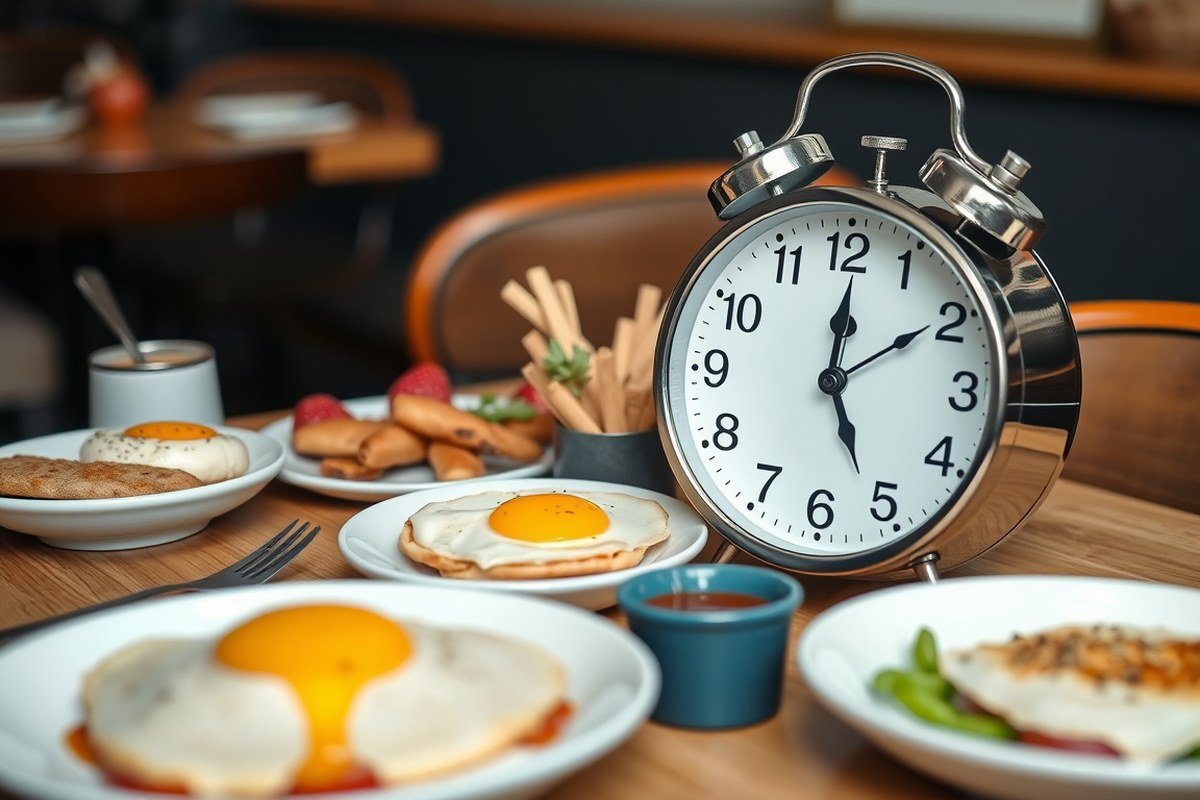
Brunch is generally served between late morning and early afternoon, making it a flexible meal that bridges the gap between breakfast and lunch. The most common window for brunch runs from 10 a.m. To 2 p.m., with peak popularity around 11 a.m. To 12:30 p.m. This timing allows diners to enjoy a relaxed meal without the early start of traditional breakfast or the busyness of lunch hour. On Sundays, brunch often lasts longer, typically 2 to 3 hours, catering to the leisurely weekend pace and giving guests time to savor multiple courses or drinks.
Weekdays and weekends can affect brunch timing and duration. Weekend brunches, especially on Sundays, tend to start later and extend longer. On Saturdays, brunch became popular in American cities during the 1990s and often runs similarly to Sunday times. In contrast, weekday brunches may be shorter and served earlier, often ending by 1 p.m., primarily targeting people with more structured daytime schedules.
Geography also influences brunch hours. In the UK, brunch traditionally takes place from 10 a.m. To 2 p.m., often on Sundays when many young adults wake later. In the Philippines, the typical brunch time is earlier, between 9 a.m. And noon. This variance accounts for local lifestyle and cultural patterns, showing that brunch adapts to community rhythms.
Restaurants design brunch hours strategically. Serving brunch between breakfast and lunch fills an otherwise quiet period, offering classic breakfast dishes alongside heartier lunch options. These extended hours often mean all-day breakfast items become available longer than usual, creating variety. Knowing when brunch ends is important since many places stop serving brunch menus around 2 p.m., transitioning to lunch or dinner options.
- Typical brunch timing: 10 a.m. To 2 p.m.
- Peak brunch hours: 11 a.m. To 12:30 p.m.
- Sunday brunch duration: 2 to 3 hours
- Weekend brunch starts later and lasts longer than weekday brunch
- UK brunch mostly on Sundays, 10 a.m., 2 p.m.
- Philippines brunch commonly 9 a.m., noon
- Brunch menus often end around 2 p.m.
Arriving after 2 p.m. Can mean missing the full brunch menu, so plan ahead if you want to enjoy classic brunch dishes.
The flexibility of brunch times lets you choose when you want to eat, depending on your schedule and social plans. A mid-morning brunch can serve as a main meal if you skip breakfast and lunch, stretching a couple of hours to enjoy food and company. Early afternoon brunches work well for gatherings that lead into afternoon activities. Adjust your timing based on what the venue offers and whether the day is a busy weekend or a quieter weekday.
Where Did Brunch Come from? Origins and Evolution
The term brunch comes from combining the words “breakfast” and “lunch.” It was first coined in England in the late 19th century. In 1895, writer Guy Beringer introduced the idea in his article “Brunch: A Plea,” published in a London magazine. He suggested a late Sunday meal to replace the heavy breakfasts that followed Saturday night’s festivities. Beringer described brunch as a cheerful, light meal to start around midday, which would brighten life for those recovering from a night out.
Brunch’s origin is tied to social habits and practical needs. In 19th-century Britain, Sunday was a day for church and rest, and a late morning meal fit well into the routine. It served as both a hangover cure and a chance to gather before afternoon activities. A year later, the term appeared in the United States, where brunch took hold and evolved into a more formal dining event.
By the early 20th century, brunch was mostly served in upscale hotels and restaurants in the U.S. At first, it catered to wealthy patrons who enjoyed a combination of breakfast and lunch foods, often accompanied by cocktails like mimosas or Bloody Marys. This luxurious setting helped make brunch a fashionable social event. Over time, it expanded beyond elite venues to become an accessible weekend ritual for many Americans.
Brunch’s global spread followed early 20th-century cultural exchanges and increasing travel, adapting to local customs. For example, in some Spanish-influenced countries, a similar late-afternoon meal called merienda replaces what many think of as brunch. In North America, cities like Toronto gained reputations for vibrant brunch scenes, with neighborhoods hosting numerous restaurants offering brunch buffets and diverse menus.
The meal’s evolution reflects changing tastes and lifestyles, moving from a simple late breakfast to a diverse mix of dishes and drinks. You’ll now find brunch featuring everything from classic egg dishes to international flavors, often paired with special cocktails. Its flexibility in timing, setting, and menu options helps keep brunch popular and relevant in many parts of the world.
Popular Brunch Foods Around the World
Brunch menus vary widely across the globe, reflecting local tastes and culinary traditions. Common foods range from hearty egg dishes and sweet pastries in North America and Europe to lighter, dim sum-style offerings in Asia. Comparing regional brunch dishes helps you appreciate how this meal adapts to different cultures while maintaining its blend of breakfast and lunch flavors.
North American Brunch Classics
In North America, brunch typically offers a blend of sweet and savory items to suit different tastes. Common dishes include eggs Benedict, which pairs poached eggs on English muffins with hollandaise sauce, and chicken and waffles, combining crispy fried chicken with soft waffles and syrup. Avocado toast is favored by people looking for a lighter or vegan-friendly option. Staples like pancakes and French toast are usually served with butter and maple syrup, accompanied by breakfast meats such as bacon and sausage.
This variety reflects the United States’ melting pot of culinary influences, combining traditional American breakfast items with additions inspired by other cultures. Brunch here generally emphasizes hearty portions ideal for social gatherings and celebrations.
British and European Brunch Staples
Brunch in Britain retains roots from its 19th-century origins, often highlighting classic breakfast items with a modern twist. Common staples include full English breakfast components like sausages, eggs, baked beans, and grilled tomatoes, sometimes simplified or adapted for brunch settings. Quiche and crepes, introduced during the 1960s and 1970s, provide savory or sweet options with a European flair.
London brunch menus tend to blend these traditional elements with innovative pairings, such as smoked salmon on toast or artisan pastries. This approach balances the hearty and refined, catering to a variety of tastes and appetites.
Brunch Traditions in Asia and Other Regions
Asian brunch offerings often differ significantly, focusing on lighter, shared plates rather than big individual servings. Yum cha, a Cantonese dim sum brunch, includes small steamed buns, dumplings, and fried or baked delicacies served with tea. This style of brunch encourages social interaction as everyone samples multiple small dishes together.
Other regions incorporate local specialties into their brunch menus, highlighting distinct flavors or ingredients. In many cases, brunch hours stretch into the early afternoon to accommodate leisurely eating and social time. The table below compares some popular brunch dishes from North America, Britain/Europe, and Asia, illustrating the diversity in typical foods served during this meal worldwide.
| Region | Popular Dishes | Characteristics |
|---|---|---|
| North America | Eggs Benedict, Pancakes, Chicken and Waffles, Avocado Toast | Combination of sweet and savory, hearty portions, inclusion of breakfast meats |
| Britain/Europe | Full English Breakfast (sausages, eggs, baked beans), Quiche, Crepes, Smoked Salmon | Hearty yet refined, traditional British items with European pastries and dishes |
| Asia (Cantonese) | Yum Cha – Steamed Buns, Dumplings, Fried/Savory Pastries | Light, shared plates served with tea, emphasis on variety and social dining |
Comparing menu options helps you choose dishes that align with your occasion and preferences. North American brunches fit occasions seeking filling, indulgent meals. British and European styles appeal to those who enjoy classic breakfast foods with continental touches. Asian brunches, like yum cha, work well for social group meals focusing on variety and communal sharing.
Brunch Drinks: Cocktails, Coffee, and Juices
Brunch drinks include a mix of both alcoholic and non-alcoholic beverages that complement the food and add to the social atmosphere. Alcoholic drinks like mimosas and Bloody Marys hold a special place in brunch culture because they turn a simple meal into a relaxed, festive occasion. Mimosas, made with equal parts champagne and orange juice, are light and refreshing, while Bloody Marys, a mix of vodka, tomato juice, and spices, offer a savory option. Champagne by itself or paired with fruit juices is also common at more upscale brunches.
Coffee and tea remain staples because many people still want their usual caffeine boost. Specialty coffee drinks such as lattes and cappuccinos are often offered in cafes specializing in brunch. Fresh juices like orange, grapefruit, and apple provide a healthy, non-alcoholic alternative, along with herbal teas and lemonades.
Some restaurants and home hosts take brunch to the next level by offering a “bottomless brunch” where patrons pay a fixed price for unlimited drinks during a set time frame. This usually includes unlimited mimosas or other light cocktails with the purchase of food. Bottomless brunches can attract larger crowds but make sure to check the rules and prices carefully. Offering bottomless drinks typically means charging anywhere from $20 to $40 per person depending on the location and selection.
- Mimosa: champagne and orange juice, light and bubbly
- Bloody Mary: vodka, tomato juice, and spices, savory and spicy
- Champagne solo or with juice for upscale brunches
- Coffee and specialty coffee (lattes, cappuccinos)
- Tea, including herbal and black varieties
- Natural fruit juices like orange, grapefruit, and apple
- Lemonade and other refreshing non-alcoholic options
Remember to pace yourself if attending a bottomless brunch to avoid overconsumption and stick to your limits.
Choosing what drinks to serve depends on your guests’ preferences and the formality of the event. For instance, a casual weekend brunch with friends might feature coffee, juice, and cocktails like mimosas or Bloody Marys. A family brunch may lean more on non-alcoholic options. Hosting brunch at home is easier with a coffee station, a variety of juices, and a pitcher of pre-made cocktails to simplify prep. When dining out, check whether the restaurant offers bottomless deals for better value. The inclusion of these varied drinks helps create the lively and communal spirit that brunch is known for.
How to Host a Memorable Brunch: Step-by-Step Guide
Hosting a memorable brunch means balancing tasty food, good timing, and a welcoming atmosphere where guests feel at ease. Focus on varied menus, clear timing, and attention to social dynamics to make sure your gathering goes smoothly. Avoid common pitfalls by planning carefully and adapting to your guests’ needs.
Planning the Menu and Drinks
Choose a diverse menu with options for different tastes and dietary needs. Include some classic breakfast items alongside heartier lunch choices. For drinks, offer a variety that includes coffee, fresh juices, and maybe a few cocktail options if your crowd enjoys them. Step-by-step checklist to build the menu and drinks:
- Decide on a theme or style for your brunch, such as traditional, health-focused, or plant-based.
- Include at least three types of dishes: proteins (eggs, sausage, tofu scramble), carbohydrates (toast, pastries, pancakes), and fruits or vegetables.
- Offer gluten-free or vegan substitutes if needed, such as almond or oat milk and gluten-free bread.
- Select beverages to match the menu, coordinating coffee types, teas, fresh juices, and alcoholic options like mimosas or Bloody Marys.
- Prepare dishes that can be made in advance to reduce kitchen stress during the event.
- Plan portion sizes based on your guest count, generally 1 to 1.5 servings per person per dish to allow variety.
Setting the Time and Ambience
Pick a start time between 10 a.m. And noon, which suits most guests and allows a relaxed morning. Keep the event length around two to three hours, so people aren’t rushed but it doesn’t drag on. Set a comfortable, casual atmosphere with simple table settings and soft background music.
Make sure to arrange enough seating and space for mingling. Use natural light if possible and avoid overly formal décor. This keeps the mood light and encourages conversation and enjoyment.
Managing Guest Preferences and Social Flow
Reach out to guests ahead of time about any allergies or preferences to tailor the menu. Encourage guests to help themselves buffet-style to promote interaction. If your group is large, consider seating arrangements that mix people to balance quieter and more talkative attendees.
Keep an eye on the pace of the brunch, don’t rush from one dish to the next, allowing food to arrive gradually while conversation flows. Offer refills on drinks regularly and provide comfortable areas for guests to relax or move around if the venue allows.
Avoiding Common Hosting Mistakes
A key mistake is overcomplicating the menu; choose dishes you can manage without last-minute stress. Another is poor timing: starting too early may leave guests unready, while too late can stretch the event unnecessarily. Avoid ignoring dietary restrictions, which can upset guests and limit their enjoyment.
Don’t forget to prepare for cleanup by having a plan to manage dishes and trash discreetly. Lastly, avoid overcrowding the space; make sure your venue comfortably fits everyone with room to move. These tips help prevent frustration and ensure your brunch feels inviting and well-organized.
Why Is Brunch so Popular? Social and Cultural Insights
Brunch’s rising popularity comes mainly from its blend of convenience and social enjoyment. It serves as a relaxed weekend ritual where people can catch up with friends or family over a meal that combines breakfast and lunch. This flexibility allows for late mornings without the pressure of an early breakfast or a rushed lunch, making it popular among those looking to unwind after a busy week. Booking a table ahead is often necessary at popular spots, especially on weekends, since many restaurants have made brunch a highlight of their weekend offerings.
The social role of brunch has expanded well beyond just a casual meal. It now often functions as a setting for special gatherings like birthday parties, bridal showers, or holiday celebrations. These occasions use brunch as a time to enjoy shared plates and drinks such as mimosas, which encourage long conversations and lingering at the table. Hotels and urban restaurants helped establish this by creating brunch experiences with large tables designed for group dining and dishes meant for sharing, cementing brunch’s image as a social event rather than just a meal.
Brunch also fits into current lifestyle trends that favour leisurely, communal eating experiences. Many people see it as a moment to slow down, relax, and enjoy a break from the hectic pace of everyday life. It offers a way to connect in a casual atmosphere without the formality or time commitment of dinner parties. This cultural habit aligns with the modern preference for food experiences that combine good company and culinary creativity. Brunch menus frequently include farm-to-table or artisanal dishes, reflecting current food trends that prioritize quality and local sourcing.
For first dates, brunch can be an ideal choice because it strikes a balance between casual and special. The midday timing opens up a welcoming environment without the formality of dinner, and the shared nature of many brunch dishes encourages light conversation. At the same time, a special brunch can feel like an event, especially at establishments known for unique or indulgent offerings. For family or social groups, brunch works as a collective experience where everyone can choose from an extensive menu, satisfying diverse tastes and dietary preferences. It also tends to be more affordable than dining out for dinner, which often means lower costs without sacrificing the fun.
Pulling off a great brunch involves timing and planning. Starting around 10 a.m. To noon allows guests to enjoy a leisurely morning before gathering. Providing a mix of sweet and savory dishes encourages broad appeal, and including both non-alcoholic and alcoholic options satisfies different preferences. Keeping the atmosphere relaxed and unhurried helps brunch achieve its role as a social ritual. Without thoughtful preparation, brunch can feel rushed or disjointed, losing its appeal. The best results happen when food, drinks, and conversation are balanced, creating a memorable experience rather than just a meal.
Brunch Etiquette and Common Myths Debunked
Brunch blends the ease of breakfast with the heartiness of lunch, setting a laid-back social tone rather than strict dining formalities. Expect a relaxed atmosphere where sharing plates and casual conversation are encouraged. Knowing some basic etiquette helps you enjoy brunch comfortably, whether you’re dining out or hosting.
Basic Brunch Etiquette Rules
Brunch is a social meal, so be mindful of your company and surroundings. Arriving on time shows respect for the host or restaurant schedule. Since brunch often involves sharing platters or ordering multiple small dishes, ask before reaching across the table or taking the last piece.
Use standard dining manners to keep the experience pleasant. Keep your phone off the table or on silent and stay engaged in conversations. Tipping around 15-20% at restaurants matches customary dining standards. When hosting, prepare a variety of foods and drinks to cater to different preferences, offer seating that facilitates easy talking, and set a casual but tidy table.
- Arrive punctually or inform your host if late
- Wait for everyone to be served before eating
- Avoid loud phone use or distraction
- Politely offer shared dishes before serving yourself
- Tip appropriately at restaurants
- Dress for comfort but neatness, matching the venue’s expected style
- Thank the host or staff graciously
These habits help maintain brunch’s relaxed vibe while respecting others’ time and space.
Common Brunch Myths Explained
Some think brunch is just breakfast served late or that it’s only for weekends. Brunch typically takes place midmorning to midafternoon, often from 11 a.m. To 4 p.m., but restaurants may open earlier on weekends to serve breakfast crowds. It’s also acceptable to have brunch as your sole morning meal, especially on days off or leisurely weekends. Unlike breakfast, brunch usually includes heartier, lunch-like items alongside traditional morning fare.
Another misconception is that brunch is always a buffet. While some brunch spots offer buffet options, many serve set menus or à la carte dishes. Brunch isn’t limited to fancy or expensive restaurants; diners and family establishments provide budget-friendly brunch meals that can be just as satisfying.
- Brunch is more than just a late breakfast
- Brunch is OK as a sole morning meal
- Not all brunches are buffets
- Brunch is both a social event and a meal
- Brunch prices vary widely depending on venue
- Brunch often includes a mix of breakfast and lunch dishes
Understanding these truths helps you choose and enjoy brunch without confusion or false expectations.
Buffet vs Brunch Differences
Brunch is a meal that can be served buffet-style, but buffets are a service format, not a meal type. A buffet offers a self-serve spread where diners can select any dishes, quantities, or combinations freely. Brunch often involves ordering specific dishes from a menu or sharing a predetermined set of items among a group. Buffets may include brunch foods but can also serve lunch or dinner items depending on the time.
The pacing differs too. Brunch encourages relaxed sitting and social interaction, while buffet dining might be faster as people come and go or serve themselves multiple platefuls. Prices for buffet brunches usually cover a fixed fee, whereas à la carte brunches vary by dish chosen. This affects the dining style and atmosphere significantly.
Know what type of brunch you’re attending so you can plan accordingly, buffet or plated meals call for different behavior and expectations.
Step-by-Step Action Plan to Enjoy or Host a Brunch
Use this plan to get started with brunch, whether you want to enjoy it as a guest or host one yourself.
- One day before: Choose your brunch menu based on your guests’ tastes and include a mix of breakfast and lunch items to fit the brunch style. Check if guests have dietary restrictions to ensure everyone can enjoy the meal.
- Morning of brunch: Prepare drinks and some dishes ahead, like coffee and cold juices, so you’re not rushed when guests arrive. Test coffee temperature and taste juices to confirm freshness.
- 30 minutes before start: Set the table with appropriate brunchware, plates, glasses, and napkins, and arrange seating to promote conversation. Make sure every place setting has room for plates and drinks.
- At brunch time (usually 10 a.m. To 2 p.m.): Serve the dishes and drinks, keeping hot items warm and refreshing cold ones as needed. Guests should find food easy to access without crowding.
- During brunch: Facilitate relaxed conversation by introducing topics or games, and offer refills on drinks and seconds on popular dishes. Notice if guests seem comfortable and engaged.
- After brunch: Clear the table and offer coffee or tea to extend the experience, allowing guests to linger if they wish. Watch for signs that guests are satisfied and relaxed.
- Next day: Reflect on what worked well and any improvements for next time, like food quantity or timing adjustments. Gather feedback if hosting regularly.
Frequently Asked Questions
How Do Dietary Restrictions Affect Brunch Menu Choices?
Brunch menus often include vegetarian, vegan, and gluten-free options to accommodate various dietary needs, ensuring everyone can enjoy the meal comfortably. Checking the menu beforehand can help you plan your order around restrictions.
Are Brunch and Breakfast the Same Meal?
Brunch combines elements of breakfast and lunch and is served later in the morning, typically between 10 a.m. And 2 p.m., offering a wider variety of dishes than a traditional breakfast.
Why Do People Choose Brunch over Breakfast or Lunch?
Brunch offers a relaxed, social dining experience with more food variety, making it a popular choice for weekend gatherings and late risers who want a combined meal.
Can You Have Brunch on Weekdays?
While brunch is mostly a weekend meal, some cafes and restaurants offer weekday brunch specials, often during late morning hours to attract customers outside typical breakfast and lunch times.
What Are Typical Brunch Portion Sizes?
Brunch portions tend to be larger than breakfast servings but smaller than a full lunch, allowing you to try multiple dishes without feeling overly full.
How Do You Handle Tipping at Brunch?
Standard tipping for brunch generally ranges from 15% to 20% of the bill, similar to lunch or dinner, reflecting the service staff’s efforts during often busier weekend hours.
The Bottom Line
Brunch blends the best of breakfast and lunch, served leisurely from late morning into early afternoon. Hosting or enjoying brunch offers a chance to connect over familiar and diverse foods in a relaxed setting. Try planning your first brunch soon, focusing on simple dishes and comfortable timing that suits your group.