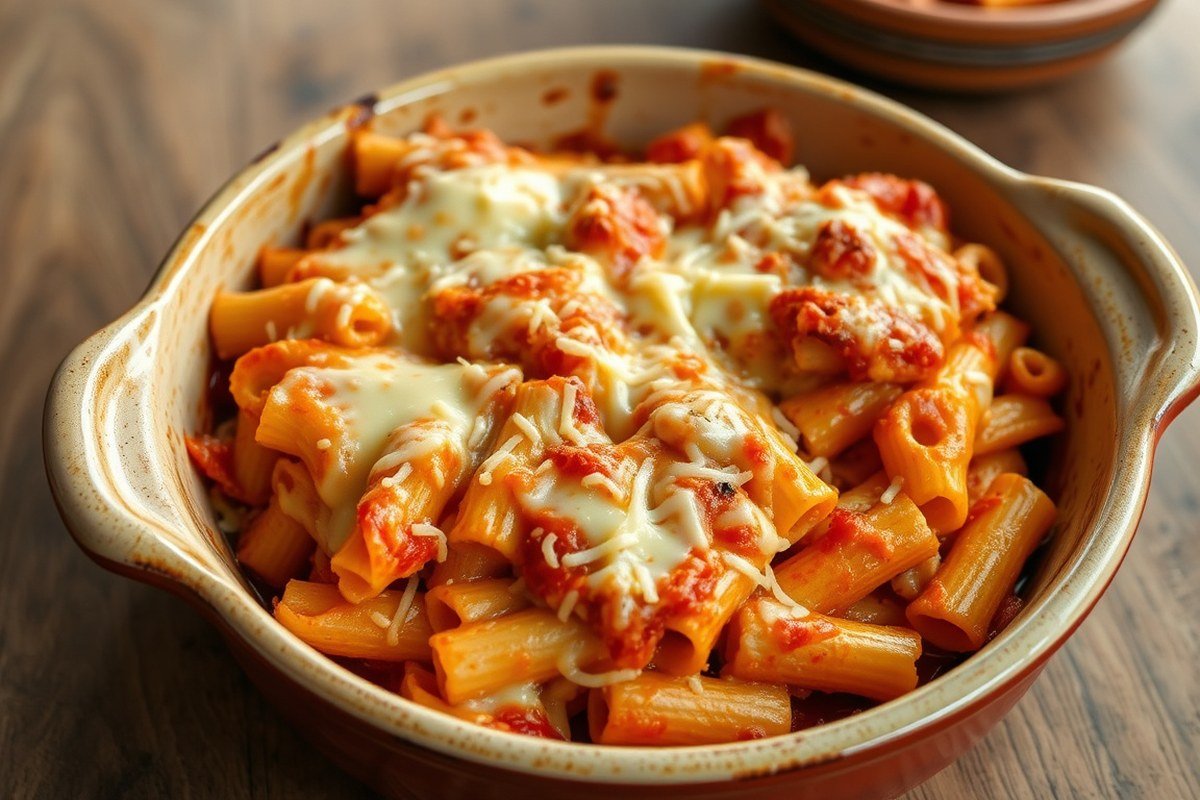
How to Make Baked Ziti: Simple Steps and Expert Tips for Perfect Results
To make baked ziti, cook ziti pasta just shy of al dente, mix it with a flavorful marinara and cheese blend, then bake until bubbly and golden. The process includes assembling layers of sauce, pasta, and cheese, and finishing it off with a brief broil for a crispy top. This straightforward dish suits home cooks wanting a satisfying Italian meal with a homemade touch.
Whether you’re planning a family dinner or preparing ahead for a gathering, this guide helps you understand essential ingredients, cooking tips, and timing to get perfect baked ziti every time. You’ll find instructions on making quick marinara, avoiding common mistakes, and techniques for freezing and reheating without losing taste or texture.
Key Takeaways
- Cook ziti pasta for 6 to 7 minutes in salted boiling water to keep it slightly undercooked for baking.
- Prepare homemade marinara sauce in about 10 minutes to boost the baked ziti’s flavor significantly.
- Assemble the baked ziti up to 24 hours ahead and refrigerate covered with foil for convenience.
- Bake assembled ziti covered at 350°F for 40 to 45 minutes until cheese melts and edges bubble.
- Let baked ziti rest 5 to 10 minutes after baking to allow layers to set for easier serving.
- Use the broiler for 30 seconds to 1 minute at the end to achieve extra crispy, golden cheese topping.
How to Cook and Assemble Baked Ziti Step-by-Step
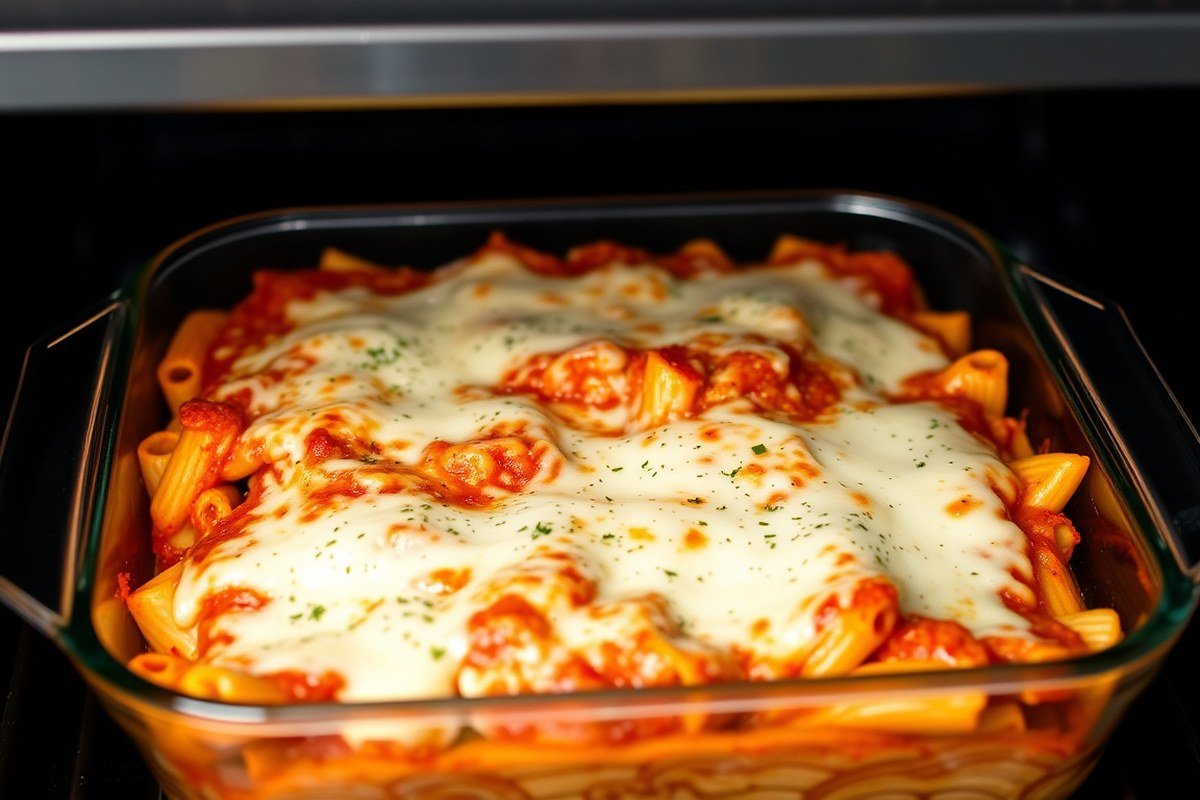
Cook the ziti pasta shortly before it’s fully done, prepare a rich meat and tomato sauce, then layer pasta, sauce, and cheeses evenly in your baking dish. Bake the casserole at 425°F for 40 to 45 minutes until the cheese melts and browns slightly, and the sauce bubbles. These steps ensure the pasta is tender but not mushy, and the flavors blend well during baking.
Cooking Pasta to Just Al Dente
Heat a large pot of water until it reaches a rolling boil and add salt generously, use 1 to 2 tablespoons for every 4 quarts, to give the pasta good flavor. Put the ziti pasta into the boiling water and cook it for 6 to 7 minutes, which is about 2 minutes less than the package recommends for al dente. This way, the pasta will stay firm after baking and avoid becoming mushy.
After cooking, reserve 1 cup of the starchy pasta water and drain the pasta. Rinse the noodles quickly with cool water to stop them from cooking further and set aside. The reserved water can thin the sauce later if needed, keeping your baked ziti moist.
Preparing the Meat and Tomato Sauce
Start your meat sauce by browning ground beef in a large skillet over medium heat, breaking up the meat until fully cooked and no longer pink. Drain excess fat for a cleaner taste. Add garlic and onions if you like, then pour in your homemade or store-bought marinara sauce.
Let the sauce simmer gently for about 20 to 25 minutes to develop flavor. When 5 to 7 minutes remain on the simmer timer, begin cooking the ziti pasta. This timing helps to have both components ready simultaneously. Stir occasionally to prevent the sauce from sticking or burning.
Layering Ingredients in the Baking Dish
Use a 15″x10″ baking dish for best results. Start by spreading half of your cooked ziti evenly in the bottom. Sprinkle half of the ricotta cheese dollops or spread evenly, then pour a generous layer of meat sauce over it. Follow with a coating of shredded mozzarella and a dusting of grated Parmesan cheese.
Repeat the layering with the remaining pasta, ricotta, sauce, mozzarella, and Parmesan. This order ensures every bite has balanced flavors and textures. Avoid mixing everything together; layering helps the ziti bake evenly and creates appealing cheesy pockets.
Baking and Finishing Steps
Preheat your oven to 425°F before assembling the ziti. Cover the baking dish loosely with foil to prevent the cheese from browning too fast while allowing steam to escape. Bake the casserole for about 25 minutes, then remove the foil and bake for 15 to 20 more minutes until the cheese is bubbly and golden brown in spots.
Check the edges for bubbling sauce and a firm but tender pasta texture. Allow the baked ziti to rest for about 5 to 10 minutes after removing it from the oven; this helps the layers set and makes serving easier.
- Bring 4 to 6 quarts of salted water to a boil; add 1 pound of ziti pasta and cook for 6 to 7 minutes.
- Reserve 1 cup of pasta water, drain pasta, rinse with cool water, and set aside.
- Brown 1 pound of ground beef in a skillet, drain fat, add marinara sauce, and simmer for 20 to 25 minutes.
- Preheat oven to 425°F while sauce simmers and pasta cooks.
- Spread half the pasta in a 15″x10″ baking dish, layer half the ricotta, half the sauce, half the mozzarella, and Parmesan.
- Repeat layers with remaining pasta, ricotta, sauce, mozzarella, and Parmesan.
- Cover with foil and bake for 25 minutes; remove foil and bake 15 to 20 minutes until bubbly and golden.
- Let rest 5 to 10 minutes before serving.
Essential Ingredients and Their Roles in Baked Ziti
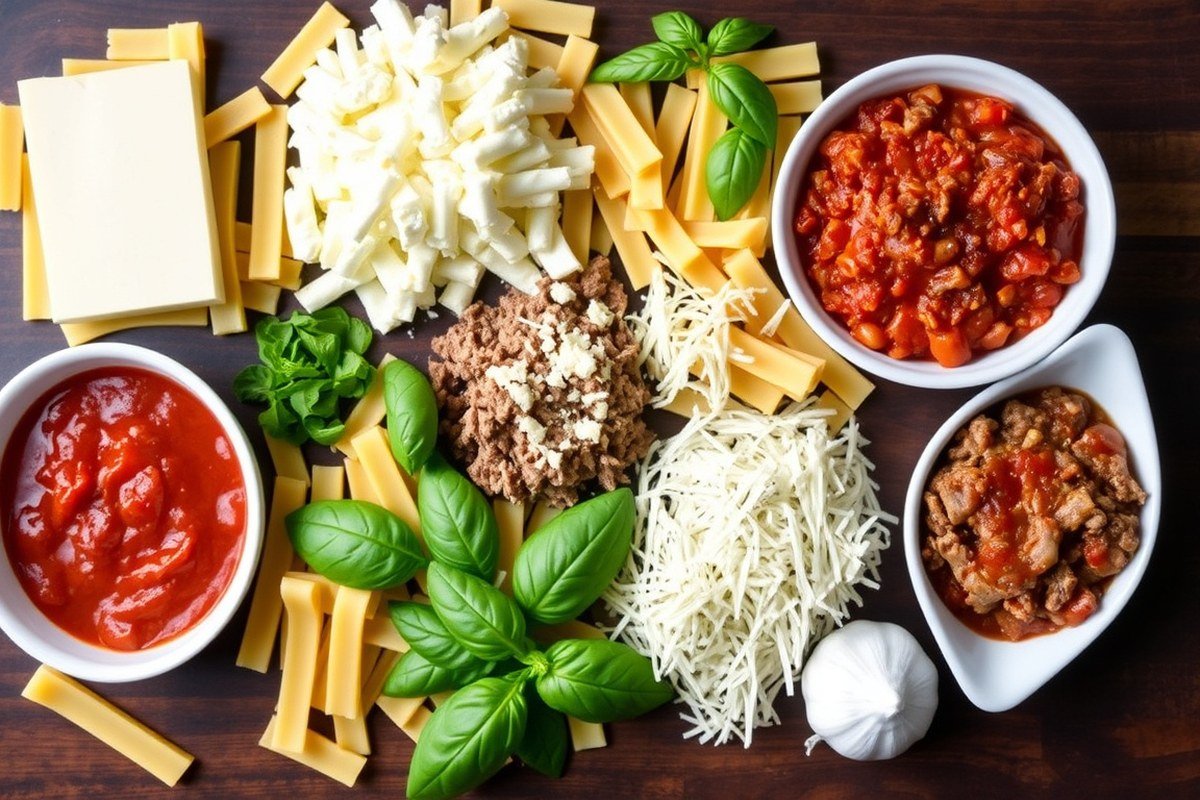
Baked ziti depends on several key ingredients that each play a specific role in taste and texture. Start with ziti pasta or a similar tube-shaped variety like penne, which holds sauce well in its hollow centers. You’ll need about 1 pound to serve around 6 to 8 people. Properly cooked pasta should be al dente since it continues to soften during baking, preventing it from turning mushy.
Tomato sauce, whether store-bought or homemade, sets the foundation for flavor and moisture. A rich marinara with garlic, onions, and herbs improve the dish and keeps the pasta from drying out. Plan on 4 cups of sauce for a full casserole. Without enough sauce, baked ziti can become dry as the pasta soaks it up during baking.
Cheese is essential for creaminess and richness. Ricotta cheese provides the creamy texture that defines baked ziti, but it must be handled carefully to avoid drying out or graininess after baking. Use about 1 to 1½ cups of ricotta, dolloped evenly throughout. Mozzarella adds gooey meltiness and browned crispy patches on top, typically 2 cups shredded. Parmesan or Pecorino Romano contributes a salty sharpness; sprinkle ½ cup grated cheese across layers for depth.
Meat adds hearty flavor and texture, usually in the form of ground beef. You can substitute half or all of it with Italian sausage or ground pork for variation and a richer taste. About 1 pound of meat is standard. Brown the meat with seasonings like salt, black pepper, crushed red pepper flakes, and garlic powder, to infuse flavor before combining with sauce. Steak or chicken would make the dish leaner but less traditional.
Herbs such as dried or fresh basil, oregano, and parsley are important for authentic Italian seasoning. Add about 1 teaspoon of dried herbs or 1 tablespoon of fresh to the sauce, adjusting to taste. These soften during baking but bring essential aromatic notes. Avoid over-seasoning; baked ziti’s cheese and meat already carry significant flavor.
Here’s a decision rule for ingredient choices: Focus on maintaining balance between moisture and structure. Creamy ricotta prevents dryness, ample sauce ensures juiciness, and pasta shape affects absorption. Vary cheeses for texture contrast, moist ricotta for richness, stretchy mozzarella for melt, and sharp Parmesan for bite. Choose meat for preferred intensity, beef or sausage for boldness, or skip it for a vegetarian dish using mushrooms or sautéed vegetables.
Overloading with cheese or under-saucing pasta often causes baked ziti to become dry and gritty, always maintain enough sauce and balance cheeses to keep it creamy and moist.
How to Make Homemade Marinara Sauce for Rich Flavor
A homemade marinara sauce provides a rich, fresh flavor that brings baked ziti to life. Using simple ingredients like crushed tomatoes, garlic, and fresh basil, you simmer the sauce for about 25 to 30 minutes to thicken and deepen the flavors. Season thoughtfully to balance acidity and sweetness, improving without overpowering.
Basic Ingredients for Marinara
Start with crushed tomatoes or canned pureed tomatoes as your base. Fresh garlic cloves add essential aroma and tang, while a sprig of fresh basil offers brightness. Optional ingredients like Italian seasoning or red pepper flakes contribute subtle herbal notes and mild heat. Salt and sugar balance the natural acidity of the tomatoes, ensuring a mellow taste.
Using high-quality canned tomatoes priced around $1 to $3 per 28-ounce can is cost-effective and reliable. Fresh garlic and basil are inexpensive and potent when fresh. A small splash of balsamic vinegar brings depth without masking tomato flavor.
Cooking and Simmering the Sauce
Sautéing minced garlic in olive oil for about one minute until fragrant is the foundation. Avoid browning the garlic to prevent bitterness. Adding crushed tomatoes, along with any tomato puree or sauce, creates the liquid base. Bring the mixture to a simmer to develop flavors and thicken the sauce.
The sauce should simmer uncovered for 25 to 30 minutes, stirring occasionally. This timing reduces excess liquid and concentrates taste. Adding fresh basil partway through simmering infuses herbal notes. For meat-based sauces, return cooked meat to the sauce before this simmer to meld flavors.
- Sauté 3 cloves of minced garlic in 2 tablespoons of olive oil over medium heat until fragrant, about 1 minute.
- Add one 28-ounce can of crushed tomatoes and 14 ounces of tomato puree to the pan and stir well.
- Season with 1 teaspoon of salt, ½ teaspoon of black pepper, and 1 teaspoon of granulated sugar to balance acidity.
- Add 1 teaspoon of Italian seasoning and a pinch of red pepper flakes if you like mild heat.
- Bring the mixture to a gentle simmer over medium-low heat.
- Add a sprig of fresh basil and a splash (about 1 tablespoon) of balsamic vinegar for depth.
- Cook the sauce uncovered on low heat, stirring now and then for about 25 to 30 minutes until it thickens and the flavors have combined.
Seasoning and Adjusting Flavor
Season the sauce gradually, tasting as you go. Start with salt and pepper, then add sugar to reduce any tomato acidity. A small pinch of red pepper flakes improve complexity without high heat. Fresh basil should be added late in cooking to keep its bright character.
In situations where the sauce feels too tangy or acidic, a splash of balsamic vinegar or a few drops of olive oil can smooth the flavor. Taste before serving and add an extra pinch of seasoning if needed. Avoid overpowering the sauce with too much garlic or herbs, which may compete with the baked ziti’s cheeses and pasta.
Tips to Avoid Common Baked Ziti Mistakes
Preventing baked ziti from drying out starts with carefully managing sauce and baking time. Undercooked or sauce-light pasta will absorb too much liquid while baking, leaving it dry. Always use plenty of sauce and consider spreading about 1/2 cup of marinara on the bottom of your 9×13-inch casserole to stop the pasta from sticking and drying against the dish.
Soggy or mushy pasta usually comes from overcooking before baking or using too much sauce. Boil ziti noodles for about 1 to 2 minutes less than the package directions, about 7 minutes if the package recommends 9, since they’ll cook in the oven later. Drain thoroughly but don’t rinse, as rinsing washes away starch that helps the sauce stick to pasta. Spread the noodles evenly and avoid piling them too thick, which might trap steam and make the dish watery.
Cheese can separate or burn if the oven is too hot or if it’s exposed without enough sauce covering. Bake your dish at 350°F for 40 to 45 minutes until cheese is melted and lightly golden brown, this moderate heat melts the cheese slowly and evenly. Avoid baking longer than 45 minutes, which risks drying out the top layer. Using a combination of mozzarella and parmesan helps prevent separation because mozzarella melts smoothly, and parmesan adds flavor and texture without excess oil.
- Cook pasta 1 to 2 minutes less than package instructions to avoid mushiness.
- Reserve about 1/2 cup of sauce to coat the casserole dish bottom before layering pasta.
- Stir sauce thoroughly into pasta rather than dolloping to ensure even moisture distribution.
- Bake at 350°F for 40, 45 minutes, watching the cheese for a light golden color.
- Spread pasta in an even layer to prevent sogginess caused by trapped steam.
- Use a blend of mozzarella and parmesan for consistent melting without burning.
- Let baked ziti rest 10 minutes before serving for juices to redistribute evenly.
Stirring sauce into the pasta right after draining keeps every ziti noodle coated. This even coverage reduces dry edges, ensuring the casserole stays moist down to the last bite. Avoid adding too many liquid ingredients at once; thick, rich marinara with no excess water works best. Finally, resting your baked ziti after removing it from the oven lets the ingredients settle, preventing spills and locking in flavor and moisture.
How to Freeze, Store, and Reheat Baked Ziti Safely
Both raw and cooked baked ziti freeze well, making meal prep easier. Assemble the casserole completely, then wrap it tightly with foil or plastic wrap suitable for freezing. Store it in the freezer for as long as four months. Thaw overnight in the fridge before cooking. Cover the thawed ziti with foil, bake at 425°F for 25 minutes, and add around 15 minutes to the usual cooking time since the pasta finishes cooking in the oven after thawing.
Freezing cooked baked ziti works too, but you must first let it cool completely before wrapping it well and freezing. Leftover cooked ziti freezes best for up to two months. To reheat, preheat your oven and pull the frozen ziti out while it warms to room temperature. Then bake at 425°F until heated through, usually about 20 to 30 minutes. This method preserves the casserole’s texture better than microwaving, keeping pasta tender and cheese gooey without drying out.
Keep any leftover baked ziti in sealed containers in the refrigerator for up to five days to maintain freshness. Allow the dish to come to room temperature for about 30 minutes before reheating. Next, cover it with foil and bake at 425°F for 25 minutes. This process ensures even warming and preserves the sauce’s creamy texture.
To prepare baked ziti that is not going into the oven immediately, refrigerate the uncooked assembled casserole covered for up to 24 hours. This is useful if you want to assemble ahead and bake fresh just before serving. Always make sure pasta is cooked to just shy of al dente before assembling, because it finishes cooking during baking, overcooked pasta can get mushy after freezing and reheating.
Wrap baked ziti tightly with foil and plastic wrap to avoid freezer burn and preserve flavor during storage.
Freezing adds convenience but adds some waiting time for thawing and longer baking. You’ll do best to plan on thawing frozen unbaked casseroles overnight. Cooked baked ziti reheats nicely from frozen but takes longer in the oven than thawed. Avoid microwaving for reheating if you want to keep the texture and cheese sauce smooth. Using an oven at 425°F with foil covering keeps baked ziti moist and evenly heated without drying the surface.
Best Cheese Choices and Layering Techniques
The best cheeses for baked ziti are ricotta, mozzarella, and Parmesan. Ricotta adds creaminess, mozzarella gives the dish its stretch and melt, and Parmesan improve flavor with a slight crust when baked. Layering these cheeses properly ensures even melting and balanced taste throughout the dish.
Ricotta: Creaminess and Moisture
Ricotta is essential for its creamy texture and moisture, which prevents the baked ziti from becoming dry. Typically, 1 to 1 ½ cups of ricotta cheese are mixed with an egg to help bind the cheese mixture, adding a smooth, rich layer inside the pasta. You can combine ricotta with fresh herbs like parsley or basil for extra flavor. Instead of ricotta, some use cottage cheese or a blend of cream cheese and sour cream, but these alternatives may alter the texture and require adjustments in moisture.
To prepare ricotta for layering, stir it together with salt, pepper, and an egg until smooth. This mixture is usually folded into the cooked pasta or dotted throughout the layers. Properly distributed ricotta creates pockets of creaminess that contrast nicely with the meltier mozzarella and sharper Parmesan, making every bite balanced and moist.
Mozzarella for Melting and Stretch
Mozzarella melts beautifully, providing the signature gooey stretch baked ziti is known for. Fresh mozzarella offers a softer, creamier texture and a more rustic appearance but can release extra moisture. Shredded or low-moisture mozzarella is preferred by many home cooks because it melts evenly and browns slightly. A typical recipe calls for 2 to 3 cups of mozzarella, divided between the cheese mixture and topping layers.
Layer mozzarella evenly over the pasta and ricotta mixture before adding the sauce and again as a topping to ensure even melting throughout the dish. For the best texture, use half the mozzarella incorporated into the ricotta blend and reserve the rest as a final topping that browns up in the oven, creating an appealing golden crust while maintaining gooeyness inside.
Parmesan for Flavor and Browning
Parmesan cheese provides a sharp, nutty flavor that complements the mild ricotta and milky mozzarella. It also helps create a slightly browned, crusty topping when baked. Between ¾ cup and 1 cup of grated Parmesan is commonly used, sprinkled both inside the pasta mixture and on the surface before baking.
Mix Parmesan into the cheese blend along with the ricotta and mozzarella for depth of flavor throughout the dish. Then add extra Parmesan on top of the final layer to encourage browning and a bit of crunch. The cheese’s natural saltiness also improve the overall seasoning, so adjust table salt accordingly. Avoid pre-grated Parmesan coated with anti-caking agents, freshly grated yields better melt and flavor.
Pasta and Protein Substitutions for Different Diets
Short pasta tubes like penne or rigatoni work well as direct substitutes for ziti in baked ziti. Their tubular shape holds sauce and cheese effectively, similar to ziti, ensuring a similar texture and mouthfeel. You can also try medium pasta shells or cavatappi for a slightly different bite, but ridged, tube-shaped pasta generally yields the best sauce retention.
When substituting meat, ground turkey or chicken are leaner alternatives to ground beef and still blend nicely with the rich tomato sauce and cheese. Adding Italian seasoning or garlic helps boost flavor since these meats are milder. Italian sausage or meatballs add a spiced, savory twist if you want more boldness. For vegetarian options, omit meat altogether and incorporate vegetables like mushrooms or eggplant, or use plant-based ground meat substitutes to keep the protein component.
These substitutions impact cooking times mostly on the protein side. Pasta cooking times remain close to the package instructions for the chosen shape, usually about 8 to 12 minutes for al dente. Lean meats like turkey or chicken often cook a few minutes faster than beef when sautéed. Plant-based meats or mushrooms cook quickly and only need to be softened before layering. In all cases, the bake time after assembly remains about 25 to 30 minutes at 350°F, enough to heat through and brown the top without drying the dish.
The following table compares common pasta and protein alternatives, highlighting their effects on texture, taste, and cooking considerations. Use it to decide substitutions based on your diet, availability, and taste preferences.
| Substitution | Type | Texture Effect | Taste Impact | Cooking Time Adjustment |
|---|---|---|---|---|
| Penne or Rigatoni | Pasta | Similar to ziti; firm tubes hold sauce well | Minimal change; slightly different mouthfeel | Follow package instructions (~9-12 min) |
| Medium Shells or Cavatappi | Pasta | Softer bite; shells trap sauce differently | Mildly different taste experience | Follow package instructions (~9-11 min) |
| Ground Turkey or Chicken | Protein | Lean texture, less fatty | Milder flavor; add Italian seasoning | Sauté 5-7 min; faster than beef |
| Italian Sausage or Meatballs | Protein | Juicy, spiced | Richer, more aromatic | Cook thoroughly 8-10 min |
| Plant-Based Ground Meat | Protein (Vegetarian) | Similar chew; slightly softer | Mild; season to taste | Cook 3-5 min; quick heating |
| Vegetables (Mushrooms, Eggplant) | Vegetarian | Soft, tender texture | Earthy, sweet | Sauté 5-7 min to soften |
| Gluten-Free Pasta | Pasta | Tends to be softer, can be fragile | Neutral; slightly different bite | Follow package instructions; watch carefully (7-10 min) |
Choose pasta substitutes based on the availability of shapes with ridges or tubes for the best texture and sauce retention. Cooking the pasta just until al dente prevents mushiness during baking. When swapping proteins, lean meats cook faster and need seasoning to compensate for milder flavor. Vegetarian proteins or vegetables require pre-cooking to remove excess moisture and develop taste complexity.
Adjust cooking times accordingly: pasta time changes per package, protein prep time typically ranges from 3 to 10 minutes, and baking remains about half an hour. This balance ensures your baked ziti maintains a satisfying texture and rich flavor no matter the substitution.
Sides and Serving Suggestions to Complement Baked Ziti
Pairing baked ziti with the right sides and drinks creates a well-rounded meal that satisfies without overwhelming. Crisp green salads, such as a classic Caesar or a simple mixed greens salad with vinaigrette, provide a fresh contrast to the rich, cheesy pasta. Garlic bread, either homemade or store-bought, complements baked ziti well by adding crunch and a buttery, savory note that pairs perfectly with the marinara sauce.
Vegetables can also be a great addition. Roasted broccoli with Parmesan cheese, garlic sautéed green beans, or a roasted pepper salad bring both texture and additional nutrients. These sides balance out the heaviness of the baked pasta and warm cheese, giving your meal variety without competing flavors. Soup is another excellent option; a light minestrone or tomato basil soup works well as a starter or alongside the main dish.
- Classic Caesar or crisp green salad with simple vinaigrette
- Homemade garlic bread or store-bought Italian bread warmed with butter and garlic
- Parmesan-roasted broccoli or garlic sautéed green beans
- Roasted pepper salad with olive oil and vinegar dressing
- Light soups like minestrone or tomato basil
- For beverages, opt for medium-bodied red wines such as Chianti or Sangiovese
- Non-alcoholic options include sparkling water with a lemon wedge to cut through richness
The choice of wine can improve baked ziti’s flavors. Medium-bodied reds, such as Chianti or Sangiovese, offer the right amount of acidity and fruitiness to complement tomato sauce and cheese without overpowering them. If you prefer white wine, a dry Pinot Grigio works due to its crispness. Sparking water with lemon is a great non-alcoholic choice since the acidity helps refresh your palate between bites.
Make sure to serve garlic bread warm and crisp to avoid a soggy texture that can detract from its appeal alongside baked ziti.
Adjust sides depending on the meal context. For a casual weeknight dinner, a simple green salad and store-bought garlic bread work well and save time. For a more formal or weekend meal, try roasted veggies and homemade bread paired with carefully chosen wine. Remember, serving a light soup first can reduce overeating and introduce complementary flavors gently. With these combinations, your baked ziti will feel like the centerpiece of a balanced and inviting meal.
Step-by-Step Action Plan for Making Baked Ziti
Follow these steps to prepare delicious baked ziti with confidence. Each phase helps you check your progress as you go.
- Before cooking: Gather all ingredients, including pasta, ricotta, mozzarella, Parmesan, marinara sauce, and your choice of protein. Make sure everything is fresh and within reach.
- 30 minutes before baking: Boil the ziti until just shy of al dente (about 1-2 minutes less than package instructions). Drain and toss with a little olive oil to prevent sticking.
- 20 minutes before assembling: Prepare homemade marinara sauce if using. The sauce should be hot and well-seasoned with garlic, herbs, and a pinch of salt to taste.
- Assemble right before baking: Layer cooked pasta, marinara, ricotta mixture, and shredded mozzarella in a baking dish. The assembled dish should look evenly layered and moist but not soupy.
- Bake for 30-40 minutes at 375°F: The top should turn golden brown and the cheese should be bubbly, indicating it’s perfectly cooked.
- Cool for 5-10 minutes after baking: This allows the baked ziti to set, making it easier to serve and letting flavors meld.
- For freezing leftovers: Let the baked dish cool fully, then wrap it securely with both foil and plastic wrap before placing it in the freezer. Label with the date and use within 3 months for best quality.
- Reheating frozen baked ziti: Place the dish in the fridge to thaw overnight, then cook it uncovered in a 350°F oven for 25 to 30 minutes until hot and bubbling.
Frequently Asked Questions
Can I Assemble Baked Ziti a Day Ahead?
Yes, you can prepare and assemble baked ziti up to one day in advance. Cover it tightly and refrigerate until baking to let the flavors meld and save time on the day you bake it.
How Long Should Baked Ziti Rest Before Serving?
Let baked ziti rest for 5 to 10 minutes after baking. This helps the layers set, making it easier to cut and serve while keeping the dish hot and flavorful.
Can I Freeze Baked Ziti Before Baking?
You can freeze uncooked baked ziti by assembling it through step 4, then wrapping it tightly before freezing. Bake it directly from frozen, adjusting the cooking time as needed.
What’s the Best Way to Reheat Frozen Baked Ziti?
Thaw frozen baked ziti overnight in the fridge before baking as usual. Add about 15 minutes to the baking time to ensure it’s heated through and bubbly.
How Do I Get a Crispy Cheese Topping on Baked Ziti?
Broil the baked ziti for 30 seconds to 1 minute just before removing it from the oven. This creates a golden, crispy cheese crust without overcooking the dish.
How Large a Crowd Can One Pan of Baked Ziti Feed?
One 13×9-inch casserole dish of baked ziti can feed up to 8 people. It’s great for potlucks or gatherings where you need to serve a crowd efficiently.
Wrapping Up
Making baked ziti from scratch is straightforward when you focus on proper timing, layering, and using quality ingredients. Once you’re comfortable with the basic recipe, you can customize it to suit your taste or dietary needs. Try your first batch today and enjoy the satisfying balance of creamy cheese, rich sauce, and perfectly cooked pasta in every bite.






2 Comments