How to Complain at a Restaurant: 8 Effective Ways That Get Results
Knowing how to complain at a restaurant effectively helps you get your issues resolved quickly and politely. Clear communication and choosing the right time and place can improve your dining experience or even lead to compensation. You’ll learn practical steps for raising concerns about food, service, or billing without causing unnecessary conflict.
This advice suits diners who’ve faced problems during a meal and want their complaints taken seriously. It covers preparing your case, choosing how to complain, handling common issues, and keeping your approach respectful. Using these methods increases the chance your feedback will lead to a positive outcome.
Key Takeaways
- Describe your complaint calmly and clearly to help staff understand the issue better.
- Note specific details like order errors or billing mistakes before addressing them.
- Decide whether to complain in person, by phone, or online based on the situation.
- Focus on the problem, avoid blaming staff who often earn low wages.
- Follow up within 24 to 48 hours if the restaurant doesn’t respond promptly.
- Keep your tone polite and constructive to encourage positive resolutions.
1. How to Complain at a Restaurant for the Best Results
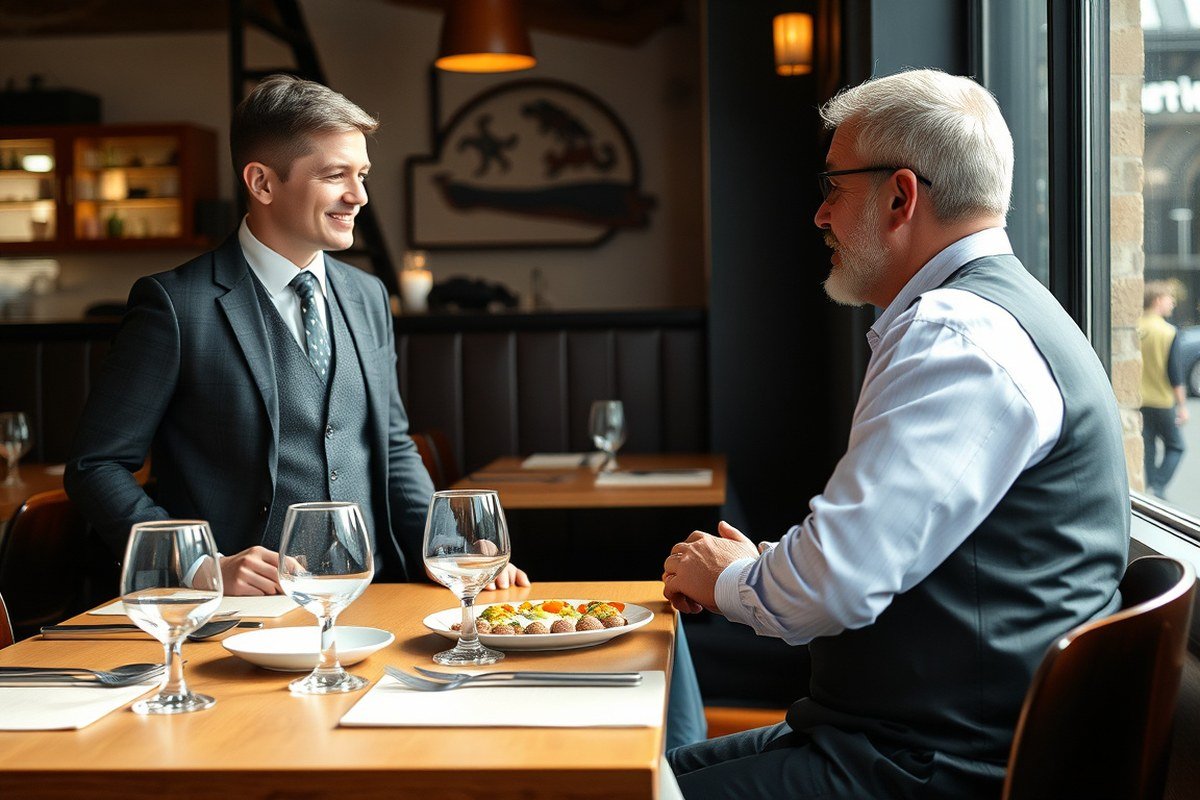
Complaining at a restaurant is most effective when done calmly, clearly, and promptly. Aim to inform the staff of the problem without blaming anyone, so they can address it quickly. Expressing exactly what went wrong and what outcome you want helps the restaurant understand how to fix the issue. Approaching the conversation with respect keeps the interaction positive and increases the chances of a good resolution without upsetting staff.
Acting immediately matters because it allows the restaurant to correct the problem during your visit. Delaying your complaint may lead to frustration for both you and the staff, reducing the odds of satisfaction. Being clear and specific, for example, saying “My chicken is undercooked” rather than “The food is bad”, helps the kitchen know what to fix. Requesting to speak to a manager calmly signals the seriousness of your concern without confrontation.
- Stay calm and polite. Take a deep breath and speak respectfully. Avoid blaming or using harsh words that raise defensiveness.
- Point out the problem clearly and briefly. Describe the issue with facts: “My salad was wilted” or “The soup was too salty.”
- Make the complaint immediately. Speak up during your visit so staff can respond or replace the item fast.
- Ask for a manager or supervisor. Requesting a manager politely often leads to a quicker and more satisfying solution.
- State what you would like as a resolution. Whether it’s a replacement dish, refund, or apology, be clear about your expectations.
- Listen to their response and stay open. Allow staff to explain or offer options without interrupting.
- Thank the staff if your issue is resolved. Showing appreciation encourages good service and a positive ending.
Following these steps reduces tension and makes the staff more willing to help. An aggressive tone, on the other hand, often leads to resistance and fewer solutions. Complaining effectively supports higher customer satisfaction and lets restaurants improve, benefiting everyone in the future. Keeping complaints constructive also protects you from stress and turns a negative experience into a chance for improvement.
2. What to Prepare Before Complaining at a Restaurant

Gathering and organizing key information before complaining at a restaurant helps you communicate clearly and supports your case effectively. Start by identifying the specific problem, such as poor service, incorrect orders, or food quality issues. Knowing exactly what went wrong allows you to stay focused and avoid general or vague complaints.
Documenting the issue clearly means recording the date, time, and location of your visit. Write down details like what you ordered, how long you waited, and what the staff said or did in response. Keep your account factual and avoid exaggeration. This preparation shows the restaurant you are serious and makes it easier for them to investigate and respond.
Taking photos or keeping receipts can strengthen your complaint. Photos provide visual evidence of problems like undercooked food or unclean surroundings. Receipts prove you visited the restaurant and show what you paid, which is important if you’re requesting a refund or compensation. When others in your group observed the problem, make sure to record their names or get a brief written account.
- Restaurant name, address, and phone number
- Date and time of your visit
- Exact details of your order and what was wrong
- Names or descriptions of staff involved (if possible)
- Receipts or proof of purchase
- Photographs of the issue, if applicable
- Notes on any prior attempts to resolve the problem
Collect the details first, then arrange them clearly. Begin by politely mentioning the date and reason for your visit. Next, explain the complaint with facts and any evidence. End with a request for how you want the restaurant to fix the matter. This clear plan helps you communicate efficiently and shows you are thoughtful and organized.
Keep your tone neutral and avoid blaming language when gathering facts; this shows you want a fair solution, not to start an argument.
Spending 10 to 15 minutes collecting this information might feel inconvenient, but it increases the chances of your complaint being taken seriously. Skipping this step can cause confusion or delays in handling your concern. Thorough preparation also helps you feel more confident and less stressed when you raise the issue.
3. Choose the Right Way to Complain: In Person, Phone, or Online
Choosing how to complain at a restaurant depends on your goals and situation. Complaining in person offers a chance for immediate dialogue, while phone calls provide convenience if you can’t visit. Email or social media suit detailed feedback but may take longer to resolve. Knowing the benefits, drawbacks, and timing of each method helps you get better results.
Benefits and Challenges of In-Person Complaints
Complaining in person lets you address issues immediately with staff or a manager. You can clearly explain your problem, show any evidence like a menu or receipt, and get a direct response. This real-time interaction increases the chances of quick problem-solving, such as a replacement dish or discount.
However, speaking up face-to-face may feel confrontational. The staff might be busy or unavailable, delaying help. Sometimes emotions run high, which can make the conversation unproductive. Choosing a calm moment and approaching the right person like a manager improves outcomes.
Advantages and Limits of Phone Complaints
Phone complaints offer convenience when returning to the restaurant is not possible. You can have a discussion that feels more personal than email, allowing for clarifications and follow-up questions. Phone calls work well for problems like reservation issues or billing disputes that might require a quick resolution.
On the downside, phone complaints make it harder to provide evidence. You also depend on finding staff available to take your call. Responses may not be as immediate as in person, especially if you reach voicemail. Calling during off-peak hours can help you connect with the right person more easily.
How to Use Email and Social Media Complaints Effectively
Writing complaints via email or social media enables you to detail the issue clearly and attach photos or documents. This creates a paper trail and gives the restaurant time to investigate before responding. It’s suitable when you want to provide feedback after leaving or if the issue isn’t urgent.
Responses to online complaints can take longer, as staff must monitor and manage messages. The public nature of social media means negative feedback can impact the restaurant’s reputation quickly, so restaurants often prioritize these replies. To get the best results, be clear, polite, and include order details.
| Complaint Method | Benefits | Challenges |
|---|---|---|
| In Person | Immediate response, ability to provide evidence | May be confrontational, dependent on staff availability |
| Over the Phone | Convenient, allows for real-time discussion | Showing proof can be challenging and depends on the availability of staff members. |
| Via Email or Social Media | Offers straightforward communication and creates a documented record. | Receiving a reply might take time and relies on staff checking messages regularly. |
Choosing the right method depends on factors like urgency, location, and your comfort level. In-person complaints best suit urgent issues occurring during your visit. Use phone calls when you need discussion but can’t return. Email or social media work well for non-immediate concerns, detailed feedback, or when the restaurant is closed. Balancing these will help you express your concerns effectively.
4. Common Restaurant Complaints and How to Address Them
Food quality complaints are among the most common issues you might encounter at a restaurant. These often involve problems with taste, texture, temperature, or ingredient freshness. Food served at temperatures below 140°F or above 165°F can increase customer dissatisfaction, as studies show that 25% of food-related complaints relate to temperature issues. When your dish arrives cold, undercooked, too salty, or not what you expected, politely let the server know immediately. Specify exactly what’s wrong, such as “The chicken is undercooked” or “This soup is too salty.” This clear feedback helps the staff address the problem quickly and often results in a replacement or refund.
Incorrect orders rank as the second most frequent complaint customers make. Receiving the wrong dish or missing an ingredient matters because it disrupts your experience and wastes time. When you notice an incorrect order, point it out calmly to the waiter with details like “I ordered the vegetarian pasta, but this has chicken.” You can ask for a corrected plate or a way to adjust your bill. Most restaurants will fix mistakes promptly when you bring them up early.
Some customer complaints focus on environmental factors such as noise levels and accessibility. Loud environments might ruin a quiet meal or make conversation difficult, especially in busy or newly opened locations. Accessibility complaints arise when entrances, seating, or restrooms don’t meet your needs due to mobility or disability issues. Should the noise be too loud, ask the staff whether a quieter table is available. For accessibility concerns, talk to the manager and explain your situation. Some restaurants can rearrange seating or offer accommodations even on short notice.
- For food quality issues, describe the problem clearly and request a replacement or refund politely.
- When your order is incorrect, identify the mistake precisely and request correction or a bill adjustment.
- Address noise problems by asking staff about quieter seats or possible dining times with less crowding.
- Raise accessibility issues with management and request accommodations suitable to your needs.
- Keep your tone calm and constructive to increase chances of a positive response.
- Document the issue immediately, such as taking photos or notes, especially if you’re filing a follow-up complaint.
Besides these, billing disputes also make a strong impression on your dining experience. About 45% of customers hesitate to return to restaurants after billing errors, even if the food and service were good. Checking the bill carefully before paying and raising questions calmly can help avoid misunderstandings. A simple script to follow could be: “Excuse me, I noticed this charge isn’t what I expected. Could you please explain it?” A clear, polite approach increases the chance the problem will be quickly resolved without ruining your meal.
5. How to Keep Your Complaint Polite and Constructive
Complaining politely and constructively helps you resolve restaurant issues effectively without escalating tensions. Keeping your voice calm and your words respectful shows you’re reasonable and open to a solution. This approach encourages the staff or management to listen carefully and respond positively, rather than feeling defensive or dismissive.
Start by using gentle language to state the problem clearly, avoiding blame or accusations. For example, say, “I noticed that my dish was a bit undercooked,” instead of “You ruined my meal.” This softens the message and invites cooperation. Politeness signals respect for the staff’s effort and helps maintain a good atmosphere, so your concern gets more attention.
During the conversation, keep your tone steady and avoid raising your voice. Body language matters, maintain eye contact but avoid glaring, keep your arms relaxed, and smile lightly when appropriate. These nonverbal cues tell the staff you want to resolve the issue peacefully. Pausing briefly before responding can also demonstrate thoughtfulness rather than knee-jerk frustration.
Useful phrases include “Could you please help me with…” or “Would it be possible to…” These show that you’re asking rather than demanding. When explaining what you want, say something like, “I’d appreciate it if the kitchen could prepare a new dish” or “Could I have a refund for this item?” These requests prompt specific action while keeping the conversation civil.
Different situations may require slight changes. If the problem is minor, such as a lukewarm drink, a simple “Excuse me, this is a bit cooler than I expected, could you warm it up?” works well. For more serious issues like an allergic reaction or repeated mistakes with your order, calmly but firmly express your concern, focusing on safety or repeated inconvenience. For instance, “I’m concerned because I mentioned my allergy, but the dish still contains the ingredient. Could this be checked?”
The key cost of maintaining politeness is patience. It may take more effort to stay composed, especially if your meal or service was disappointing. However, a disrespectful tone often leads to poor service or refusal to address the issue, wasting your time and money. Results from polite complaints tend to include apologies, explanations, and offers to make amends, such as a replacement dish, discount, or refund.
Showing respect and staying calm gives you the best chance to get your issue resolved quickly and leaves the door open for better service in the future.
6. Writing an Effective Complaint Letter or Email to a Restaurant
Writing a complaint letter or email to a restaurant is a formal way to explain your dissatisfaction clearly and politely. Your message should state the facts of your experience, include details like the date and location, and describe exactly what went wrong. Including a request for a refund or compensation is acceptable but should be done professionally.
Key Components of a Complaint Letter
A well-written complaint letter contains exact details about your experience, including the date, time, restaurant name, and location. Outline the problem clearly, showing what you expected and what actually occurred. Including evidence, such as photos or your receipt, strengthens your case. Finish by politely requesting a solution, whether it’s an apology, refund, or another form of compensation.
Maintaining a polite and professional tone throughout is essential. Avoid emotional language and stick to the facts. This increases the chances your complaint will be taken seriously and addressed promptly.
Sample Complaint Letter Template
Here’s a step-by-step template you can customize to fit your situation:
- Start with your contact information: Include your name, address, phone number, and email at the top.
- Include the date: Write the date on which you compose the letter.
- Address the restaurant manager: Use a formal salutation like “Dear Restaurant Manager.”
- State the details of your visit: Mention the date and time, and where the restaurant is located if it has multiple branches.
- Describe the issue clearly: Explain exactly what went wrong with your food, service, or environment, providing specific examples.
- Attach evidence: Note if you are including photos, receipts, or other proof.
- Explain the impact: Briefly say how the problem affected your experience.
- Request a resolution: Politely ask for a refund, replacement, or other compensation if appropriate.
- Close formally: Use “Sincerely” or “Best regards,” then sign your full name.
Below is an example based on this structure:
John Smith 123 Maple Street Springfield, IL 62704 john.smith@email.com (555) 123-4567 March 12, 2024 Dear Restaurant Manager, I visited your downtown Springfield location on March 10, 2024, for dinner with my family at 7:00 p.m. Unfortunately, the experience did not meet my expectations due to several issues. The waiter forgot to bring part of our order, and when the food arrived, my steak was undercooked and cold. I have attached a photo of the steak and the receipt for your reference. This affected our meal and overall enjoyment. I would appreciate a refund for the steak portion or a gift card to make up for the inconvenience. Thank you for your attention to this matter. Sincerely, John Smith
Tips for Writing a Persuasive Message
Writing clearly and professionally will give your complaint more weight. Keep sentences short and focused. Avoid blaming or insulting the staff. Instead, explain how the problem impacted you and your expectations.
Be specific about what you want as a resolution, such as a refund amount or a credit. It helps to remain open to other solutions the restaurant might offer. Sending your letter within a few days of the visit keeps the issue fresh in everyone’s mind.
Expect the restaurant to respond within one to two weeks, depending on their policies. Keeping copies of your letter and any replies helps you escalate the issue if needed later.
7. How to Escalate Complaints When Initial Responses Fail
When the restaurant staff ignores or dismisses your complaint, escalate the issue by contacting management and, if the problem remains, reach out to external authorities such as the local health department or consumer protection agencies. Escalation depends on the nature and severity of your complaint and the response timeline you allow for the restaurant to address your concerns.
Following Up with the Restaurant Management
Start by reaching out to the restaurant’s management directly if initial staff responses don’t satisfy you. Management usually has more authority to resolve serious complaints and may offer compensation or corrective action. A polite but firm follow-up can encourage them to take your concerns seriously.
Use clear communication to restate your complaint, referencing your previous conversation, and specify the outcome you expect. Following up shows you are committed to resolving the issue and allows the restaurant a chance to correct the mistake before you escalate further.
Escalating to Licensing or Health Authorities
Health-related issues, such as food poisoning or unsanitary conditions, should be reported to the local health department once the restaurant fails to address them adequately. Licensing boards can address violations concerning alcohol or food service licenses. Consumer protection agencies handle broader issues like fraud or deceptive practices.
Complaints ignored after reasonable follow-up can also be escalated through online reviews or legal channels, but formal complaints to authorities carry more weight. Reporting serious health or safety violations protects other customers and encourages regulatory enforcement.
Timeline for Waiting and Next Actions
Waiting for a reasonable response time is key before escalating any complaint. A good rule is to allow the restaurant 24 to 48 hours to reply after your first complaint or follow-up. Quick responses are possible in person or by phone; email replies can take a day or two.
Should you receive no response within this timeframe, send a clear follow-up message. Without a resolution or reply within 48 hours after your follow-up, get ready to escalate the matter beyond the restaurant.
For food poisoning cases, report to health authorities immediately after diagnosis to prevent others from getting sick. For service or order delays, a day or two is sufficient before escalating.
- Document your original complaint. Keep records of what happened, including dates, times, and details of the issue.
- Communicate politely with restaurant staff and then management. Restate the problem and your expected outcome clearly.
- Give the restaurant 24 to 48 hours to respond. Allow time for them to investigate and reply.
- Send a follow-up communication if no response is received. Be clear and concise, referencing prior attempts to resolve.
- Contact local health or licensing authorities for health or serious licensing violations. Use official complaint forms or hotlines if available.
- Consider reporting to consumer protection agencies for unresolved service issues. These agencies handle disputes between customers and businesses.
- Post a fact-based online review if other channels fail. Avoid emotional language to maintain credibility.
- Keep all correspondence and records on file. This will support your case if further legal or regulatory action is needed.
8. Mistakes to Avoid When Complaining at a Restaurant
Complaining effectively at a restaurant requires avoiding several common mistakes that can weaken your case or damage any chance of a positive outcome. One frequent error is complaining during busy times, such as peak dining hours, which puts staff under pressure and reduces the chance of your issue being properly addressed. Instead, aim to raise your concern during quieter moments or after your meal. This shows respect for the staff’s workload and increases the likelihood of a calm conversation.
Another typical mistake is sounding aggressive or vague. Aggression can close off communication, while vagueness leaves your complaint unclear. Focus on providing specific details like the dish name, exact problem (e.g., undercooked chicken at 140°F when it should reach 165°F for safety), and the time you noticed it. Clearly stating your expectation, such as a replacement or refund, helps the staff understand how to make things right. Avoid mixing past negative experiences into a current complaint since it confuses the issue and extends the resolution.
Goodwill preservation is key. Overdrinking and venting frustration with harsh words can escalate tensions and harm your credibility. Likewise, complaining to the wrong staff member can slow resolution. Approach the person in charge politely or ask for a manager if needed. Always keep a calm tone and thank staff for listening. While restaurants decide how to compensate complaints, showing you want a fair solution makes it easier for them to help.
The following table breaks down common customer mistakes, why they matter, and practical tips to fix or avoid them. These apply whether you complain in person, by phone, or online.
| Mistake | Why It Matters | How to Fix or Avoid |
|---|---|---|
| Complaining during peak hours | Staff may be rushed and less responsive | Choose off-peak times, or speak after your meal |
| Being vague or unclear | Restaurant cannot address your issue properly | Specify dish, issue, time, and desired resolution |
| Using aggressive or rude language | Reduces staff willingness to help | Stay calm, polite, and use respectful words |
| Bringing up past bad experiences to new staff | Confuses current issue and delays resolution | Focus on present complaint only |
| Overdrinking before complaining | May impair judgment and communication | Avoid drinking too much before raising concerns |
| Not asking for manager or correct contact | Complaint may not reach decision makers | Politely request to speak with a manager when needed |
| Ignoring staff efforts to help | Hurts goodwill and possible solutions | Thank staff and acknowledge attempts to resolve |
Keep your complaint focused and polite to increase the chances the restaurant will genuinely want to resolve your issue.
Handling complaint details professionally also includes providing any relevant information on allergies or dietary restrictions, which affect 15% of the population. Clearly communicate these to avoid safety risks. Avoid rushing your complaint or adding unrelated issues during busy times, as noise levels can exceed 70 decibels and cut customer satisfaction by 30%. A clear and concise approach uses less time and leads to better outcomes.
Step-by-Step Action Plan for Complaining at a Restaurant
Use this plan to address your dining concerns clearly, politely, and effectively. Taking these steps in order helps increase your chances of a fair resolution.
- During Your Visit: Calmly point out the issue to your server or manager. Watch how they respond to gauge if the restaurant takes your concern seriously.
- Immediately After: Note details such as time, names, and your specific complaint to support follow-up communication if needed.
- Within 24 Hours: Contact the restaurant by phone or email to restate your complaint if it wasn’t resolved on site. See if they offer a solution or compensation.
- Within 2 Days: Write a clear, polite complaint letter or email if your initial follow-up didn’t work. Include relevant details without emotional language.
- After a Week: Follow up if you haven’t received any response. Mention your previous contact and request an update.
- After 2 Weeks: Escalate the matter by contacting higher management, a corporate office, or a consumer protection agency if available and appropriate.
- Ongoing: Avoid posting negative reviews online before giving the restaurant a chance to fix the problem directly. Use reviews to share your experience only if all else fails.
- Final Steps: Decide if pursuing a refund or formal complaint to local authorities is warranted based on the restaurant’s response and your satisfaction level.
Frequently Asked Questions
What Is the Best Time to Complain During a Restaurant Visit?
The best time to complain is during your meal when the issue occurs. Speaking up early gives staff a chance to fix the problem promptly before it affects your entire experience.
How Should You Handle a Complaint If a Waiter Is Busy or Inattentive?
Politely wait for an appropriate moment to speak or ask for a manager’s attention if service delays your complaint. Patience paired with calm communication avoids escalation and increases chances of a resolution.
Is It Appropriate to Ask for a Discount When Complaining About Food or Service?
You can ask, but don’t demand a discount outright. Courteous requests are more effective and show you value their effort to make things right.
Can You Complain About a Previous Visit When Dining Again at the Same Restaurant?
Avoid bringing up past visits with your current server to keep the situation fair and focused on this visit’s experience.
What Should You Do If the Restaurant Staff Ignores Your Complaint?
Politely escalate by asking to speak to a manager or contacting corporate customer service afterward. Staying calm helps maintain credibility.
Does Complaining at Restaurants Really Help Improve the Experience for Others?
Yes, feedback from complaints helps restaurants identify and fix issues that might otherwise go unnoticed by management or staff.
The Bottom Line
You have the tools to express your concerns about a dining experience effectively and respectfully. Start by clearly communicating your issue during your visit and keep following up as needed. Taking action now increases the chances you will get a positive resolution or a better experience next time. Reach out to the restaurant promptly with your feedback, and stay calm and polite throughout the process.