What Is a Seafood Boil? A Complete Guide with Recipes, Tips & Variations
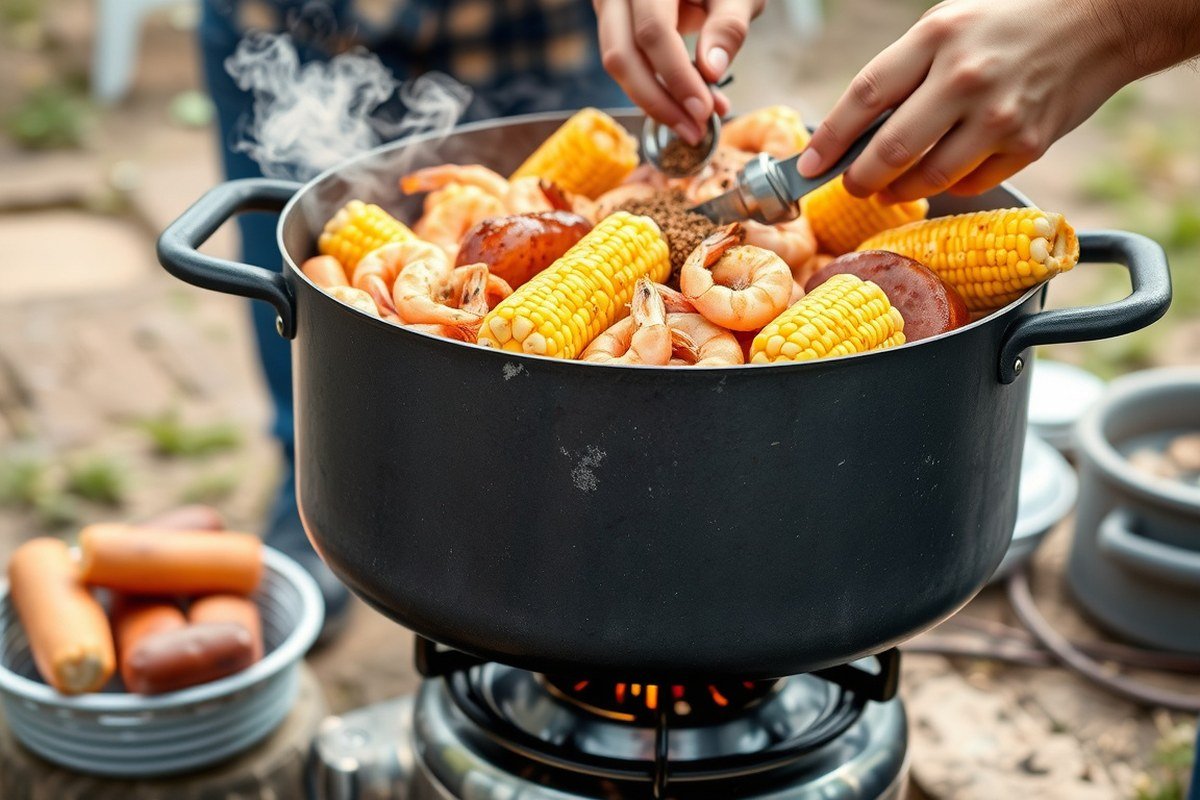
A seafood boil is a communal meal where various types of seafood, vegetables, and seasonings are boiled together in a large pot, creating a flavorful and hearty dish. You cook ingredients like shrimp, crab, potatoes, corn, and sausage in seasoned water, then serve everything directly on a table covered with newspaper or a large platter for casual dining. This method blends textures and flavors, ideal for gatherings or casual dinners.
This explanation is for home cooks and seafood enthusiasts curious about preparing a seafood boil from scratch. You’ll learn what ingredients to use, how to time cooking different items, and what equipment to prepare to make your seafood boil successful and delicious.
Key Takeaways
- Start your boil with 2 pounds of mixed seafood, adding potatoes and corn after the water boils.
- Boil potatoes and corn for 10-12 minutes before adding sausages for 5 more minutes.
- Cook seafood for 5-10 minutes or until it’s fully done, then let the boil rest off heat for 10 minutes.
- To improve flavor, season the boiling water well and consider adding regional ingredients like green peanuts during peanut harvest season.
- Pre-cooked seafood requires 5-10 minutes less cooking to avoid overcooking.
- Hard boil eggs in the seafood boil for 8-10 minutes to include a Floridian twist.
What Is a Seafood Boil and How Does It Work?
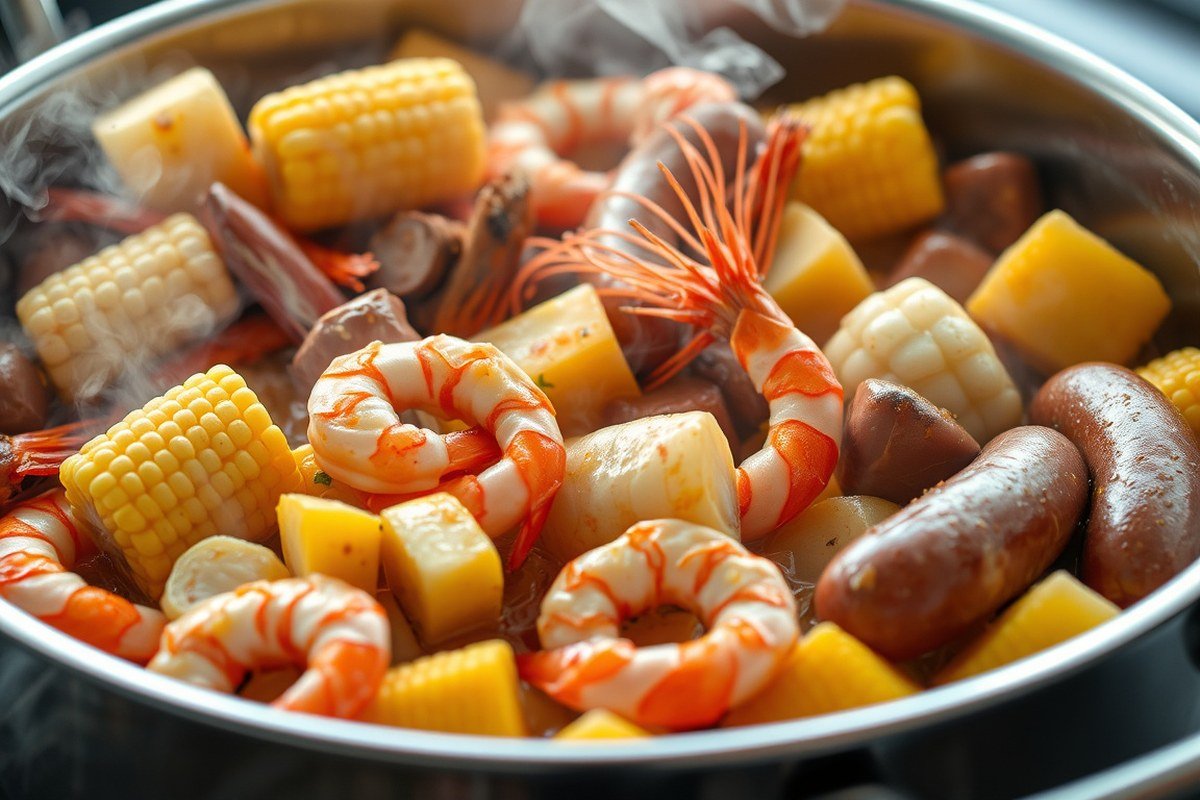
A seafood boil is a classic and communal cooking method where a variety of seafood, vegetables, and seasonings are cooked together in one large pot of boiling water. This approach combines ingredients like shrimp, crabs, corn, potatoes, and sausage with a seasoned broth, often infused with spices such as Old Bay, Cajun seasoning, garlic, onions, and bay leaves. What sets a seafood boil apart is the simultaneous cooking of multiple ingredients, which allows all the flavors to mingle and develop in the same pot.
The process starts by filling a large stockpot halfway with water and adding seasoning blends or homemade spice mixes. Bringing this broth to a full rolling boil for about 10 minutes helps extract flavor from the spices and aromatics, creating a deeply seasoned base. Ingredients are usually added in stages based on their cooking times; potatoes and corn go in first to soften, followed by sausage and finally the seafood, which cooks quickly. This layering ensures that everything reaches perfect doneness without overcooking delicate shellfish.
Boiling allows the spices and seasonings to penetrate the ingredients evenly. The seafood cooks in the highly seasoned water, absorbing flavors while imparting its own juices back into the broth. The result is a broth that holds a concentrated taste of all components, improving the overall richness of the dish. This contrasts with other seafood dishes where ingredients are often cooked separately or baked, which can produce less integrated flavor profiles.
The appeal of a seafood boil lies in its simplicity and versatility. You only need a large pot, enough water to comfortably submerge the ingredients, and a mix of seasonings. Typical seasonings include garlic, onions, thyme, and chiles alongside blends like Cajun or Old Bay, which add spice and complexity. While the cooking times vary, total preparation usually takes under an hour once the broth is boiling. Seafood boils also offer flexibility, since you can swap or omit ingredients depending on preference or availability without losing the essence of the dish.
It’s key to cook the seafood last to avoid toughness, as boiling shellfish for too long can turn the meat rubbery. Over-seasoning the broth or crowding the pot can also affect the final texture and flavor balance. The best results come from fresh, high-quality seafood and careful timing. This method celebrates shared meals and offers plenty of room for creativity, making it a rewarding dish for home cooks looking to enjoy a flavorful, hands-on seafood experience.
Key Ingredients and Regional Variations in Seafood Boils
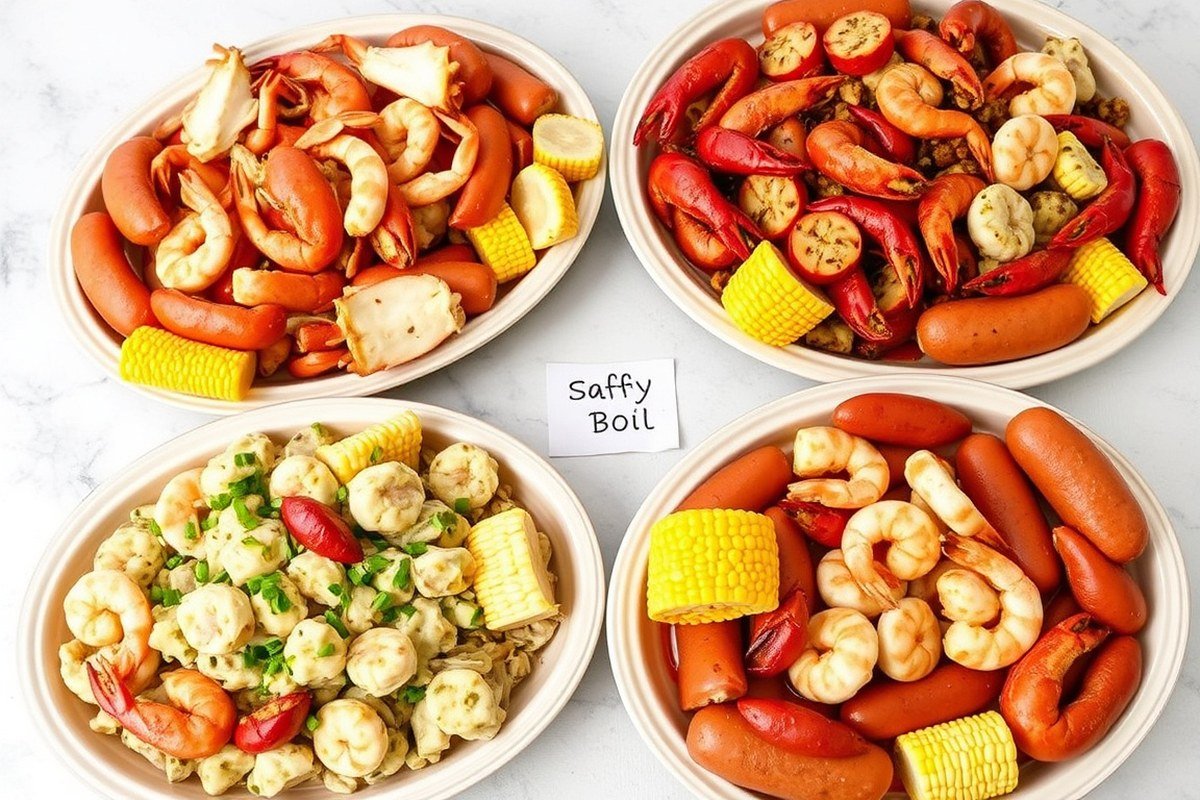
Your seafood boil will typically include shrimp, crab, crawfish, clams, and sometimes lobster. These items are cooked together with vegetables like corn on the cob, red potatoes, and onions. Sausage is a common addition that adds a smoky or spicy flavor, such as Polish, smoked, or Cajun-style boudin sausage. The seasoning mix often features Old Bay seasoning or Creole blends like Tony Chachere’s, which improve the broth and seafood flavor.
Regional variations affect which seafood and extras appear in the boil. In Florida, for example, it’s typical to add whole eggs and hard boil them for 8 to 10 minutes alongside the seafood. Along the Gulf Coast, crawfish is a preferred choice and often comes with spicier Creole seasoning blends. In Northeast boils, clams and lobsters might take center stage with a milder Old Bay seasoning base. These differences shape both the ingredient list and the flavor profile.
Knowing how much to buy ensures you have enough for everyone without waste. Plan for about 1 to 1.5 pounds of seafood per person. This quantity includes shell weight for crabs or lobsters. To round out the meal, add about one ear of corn and 4 to 6 ounces of potatoes per person. Sausage is typically counted at 2 to 3 ounces per guest. Adjust upward if appetites are large, or downward for lighter eaters or if you serve many sides.
| Ingredient | Typical Amount per Person | Regional Variation |
|---|---|---|
| Shrimp | 1 lb | Common nationwide |
| Crawfish | 1 to 1.5 lb | Gulf Coast, Cajun boils |
| Crab | 1 lb | Mid-Atlantic, Southeast |
| Clams or Lobster | 1 lb | Northeast boils |
| Sausage (Polish, smoked, boudin) | 2-3 oz | Across regions |
| Corn ears | 1 ear | Universal |
| Red potatoes | 4-6 oz | Universal |
| Eggs (hard-boiled) | 1-2 eggs | Florida |
Always buy your seafood the day of your boil or keep it frozen until cooking day to ensure freshness and food safety.
You usually start your boil with the potatoes and corn since they take longer to cook. Sausage and eggs can go in next if you include them. Add shellfish like shrimp and crab last, letting the pot sit off heat for about 10 minutes after cooking to finish the shrimp perfectly. Season the entire boil liberally with Old Bay or Creole seasoning to give the broth and ingredients that classic boil flavor.
Essential Equipment and Setup for a Successful Boil
To make a successful seafood boil, you need a few key pieces of equipment: a large pot to hold the seafood and broth, a reliable heat source like a propane burner, and strainers or baskets for easy draining. Adjust your setup depending on whether you’re cooking indoors or outdoors to manage space, ventilation, and safety.
Large Pot and Burner Options
The foundation of any seafood boil is a large pot, typically at least 20 to 24 quarts in size. Outdoor boils often use extra-large stockpots, sometimes up to 60 or 80 quarts, heated on propane burners. These setups handle large crowds and massive amounts of food. Indoor cooking usually calls for smaller pots or dividing your ingredients between two pots, as very large stockpots can be unsafe or impractical on a home stove.
Propane burners provide high, consistent heat needed to bring large volumes of water to a boil quickly and maintain it. Outdoor burners typically cost between $50 and $150, plus propane tank rentals or refills. Without a propane setup, a stovetop burner works fine for smaller boils but expect longer cooking times and more steam indoors.
Strainers, Baskets, and Accessories
Using pot inserts or strainers makes handling seafood and vegetables much easier. A basket inside your stockpot allows you to lift the boil out in one motion, draining the water quickly and safely. When your pot doesn’t come with a basket, a large spider strainer or slotted spoon works well to remove items in batches. Other useful accessories include:
- Long-handled tongs or slotted spoons for stirring and serving
- Heat-resistant gloves or potholders to protect your hands
- A large colander for draining cooked seafood
- Multiple layers of newspaper or butcher paper to cover your serving table
- Large trays or tables to display the boil once cooked
These tools minimize spills and burns while making the cooking and serving processes much smoother.
Setting Up for Indoor vs Outdoor Cooking
Outdoor cooking is ideal for seafood boils because open-air ventilation handles steam, odors, and potential splashes better than indoor kitchens. Set your propane burner on a stable, level surface away from anything flammable, and keep the propane tank secured. Have a large cooler nearby to keep seafood fresh until you’re ready to cook.
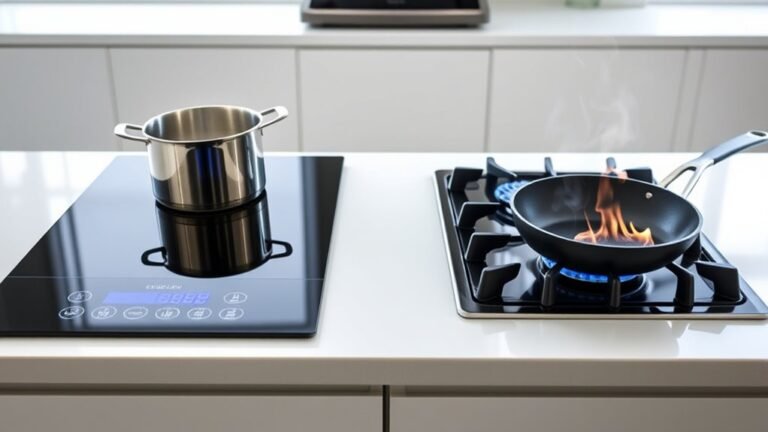
Indoor boils require more planning to avoid overwhelming your kitchen. Use pots sized to your stove, cook smaller batches, and open windows or use a range hood fan. Place a drip tray or baking sheet under the pot if it may drip while draining. Keep fans or dehumidifiers running to reduce steam buildup, and arrange your workspace so all tools and serving plates are easily within reach to keep everything running safely and efficiently.
Step-by-Step Cooking Timeline and Techniques
To achieve perfectly cooked seafood boil ingredients, start by boiling items with the longest cooking times first, like potatoes, then add corn and sausage, and finally seafood that cooks quickly such as shrimp and crab. Timing each addition ensures every component reaches the ideal doneness and absorbs the flavorful broth without overcooking. Adjust cooking based on whether the seafood is fresh, frozen, or pre-cooked to avoid tough or rubbery textures.
Initial Broth Preparation
Begin by preparing a large pot of seasoned broth with water, salt, and spices such as bay leaves to infuse aroma. Bring the broth to a rolling boil before adding any ingredients. This base is key for flavor absorption and sets the stage for the cooking sequence.
Use a pot large enough to hold all ingredients with room to stir, typically a 12-quart or larger stockpot, to keep the boil vigorous and even. A strong boil helps cook ingredients quickly and evenly, while infusing them with the broth’s seasoning.
Cooking Potatoes, Corn, and Sausage
Potatoes require the longest time in the boiling broth, usually 12 to 15 minutes. Add them first to ensure they cook through and become tender.
Add corn on the cob and sausage roughly 3 to 5 minutes after the potatoes. Both items take about 10 to 15 minutes to cook, so adding them slightly later keeps all three ingredients finishing close together in time.
For sausage, use fully cooked varieties or pre-cook raw sausages separately to ensure safety and even cooking. Otherwise, add raw sausage early enough to allow 10 to 15 minutes fully submerged before adding seafood.
Adding and Cooking Seafood in Stages
Seafood like crab legs, shrimp, clams, and mussels cook quickly, usually within 3 to 5 minutes once added to the boiling broth. Add these after the potatoes and corn are nearly tender to prevent overcooking.
When using frozen or pre-cooked seafood, add it at the very end of the cooking process for 1 to 2 minutes to heat it through and keep it tender. Fresh seafood requires the full few minutes to cook properly. Shake the pot gently or stir occasionally to distribute heat evenly but avoid breaking up delicate seafood.
- Bring a large stockpot of seasoned water to a rolling boil with salt and bay leaves.
- Add whole potatoes and boil for 4 to 5 minutes.
- Add corn on the cob and sausage; continue boiling for 8 to 10 minutes until potatoes are tender.
- Add crab legs, shrimp, clams, and mussels; boil for 3 to 5 minutes or until the seafood turns opaque and shells open.
- Seafood that is frozen or precooked should be added at the last minute and boiled only 1 to 2 minutes to warm it up.
- Drain the entire boil carefully and serve immediately with butter or Creole garlic sauce.
Seasoning, Sauces, and Flavor Boosters for a Perfect Boil
Properly seasoning the seafood boil gives the dish its unmistakable bold flavor. Start by seasoning the boiling water with salt, crushed garlic, lemon wedges, and a blend of spices like Cajun seasoning, Old Bay, or a mix of paprika, cayenne, black pepper, and thyme. For a basic blend, combine 2 tablespoons paprika, 1 tablespoon cayenne pepper, 1 tablespoon garlic powder, 1 teaspoon black pepper, and 1 teaspoon dried thyme. Add this to about 4 gallons of water, along with 1/4 cup kosher salt and juice of two lemons. Bring to a rolling boil and then reduce to medium heat. This allows the flavors to infuse the seafood and other ingredients thoroughly during the 45-minute broth simmer before adding proteins.
Seafood boil sauce is a rich, buttery, and often spicy combination that you toss with the seafood at the end. A classic garlic butter sauce is a great go-to for elevating flavors. To make it, reserve about 1 cup of broth when you drain the cooked boil. Melt 1 cup of unsalted butter in a saucepan over medium heat, then add minced garlic (4 cloves), 1 teaspoon of Creole seasoning, 1 tablespoon lemon juice, and a pinch of cayenne pepper. Stir and simmer for about 3-5 minutes until fragrant. Pour this sauce over the drained seafood and toss well so the flavor coats everything. This final step complements the spices in the boil and adds richness.
To boost flavor further, consider adding broth enhancers like onions, celery stalks, and bay leaves to the boiling water. You can also infuse the broth with sliced ginger or whole cloves for a subtle warming taste. If you want to try a unique twist and have access, adding green peanuts (10-15 pounds) at the start of the boil during peanut harvest season is a popular southern addition. Using freshly squeezed lemon juice on top right before serving brightens the dish and helps balance the richness from the butter sauce. Keep in mind, using water as your base instead of pre-made chicken or seafood stock lets you control salt and spice levels to your liking while saving the broth afterward makes excellent homemade seafood stock for soups or stews.
Reserve a cup of the seasoned broth before draining the seafood so you can easily make a flavorful garlic butter sauce that ties the entire boil together.
How to Serve and Pair a Seafood Boil for Any Occasion
Serving a seafood boil calls for a setup that embraces both the communal spirit and the inevitable messiness. The most traditional way involves covering long tables with newspaper or butcher paper, then pouring the cooked seafood and vegetables directly onto it. This approach encourages sharing and makes cleanup easier. Keep plenty of napkins and hand wipes nearby, as peeling shrimp and cracking crab legs requires hands-on effort.
Choosing the right accompaniments improve the enjoyment of the boil. Creamy garlic butter is a classic dipping sauce that complements the spices and richness of the seafood. For sides, options like Jiffy-style cornbread bring a sweet, summery note, while potato salad with a bright chimichurri dressing adds freshness. Simple steamed rice or garlic bread are great for soaking up flavorful broth. Vegetables such as okra or green beans work well if you want a lighter contrast to the seafood.
- Creamy garlic butter sauce for dipping
- Jiffy-style cornbread or garlic bread
- Chimichurri potato salad or simple side salads
- Steamed rice or boiled potatoes
- Fresh vegetables like okra or green beans
- Hard-boiled eggs as an optional addition
Outdoor serving is ideal since seafood boils can get messy. For smaller gatherings, serving in large bowls is convenient, though make sure to chop and peel seafood pieces for easier eating. Drizzling the seafood boil sauce over everything right before serving keeps flavors rich and moist. Offering a creamy lemon butter or chowder-style sauce on the side lets guests customize their experience.
For beverages, beer remains the top choice because its cold, crisp nature pairs well with the spices and seafood flavors. A cold can or bottle is simple and effective. Wine enthusiasts often prefer crisp white wines like Sauvignon Blanc, Pinot Grigio, or a dry Chardonnay to balance the richness. Non-alcoholic options include Arnold Palmer (iced tea with lemonade), which adds a refreshing, slightly sweet contrast to the spicy boil.
Storing, Reheating, and Food Safety for Leftover Seafood Boil
Proper storage of leftover seafood boil is key to keeping it safe and tasty. Store the seafood and broth separately in airtight containers within two hours of cooking. Refrigerate both promptly and use them within 2 days; this limits bacterial growth and decreases the risk of foodborne illness. Garlic butter sauce can last about a week when refrigerated in a sealed container, and homemade seafood sauce will keep for up to 2 weeks under the same conditions. Avoid leaving leftovers out at room temperature longer than 2 hours.
To reheat seafood properly, steam it for about 10 minutes or cover it in a baking dish with a little water and heat at 350°F. This keeps the seafood moist and tender. Another method is to boil seasoned water and dip the seafood briefly to warm it without cooking it further. Avoid using the microwave, since it often heats unevenly and can toughen the seafood. The goal for any reheating method is reaching at least 165°F to keep it safe while preserving the texture.
Follow these steps for reheating seafood boil safely: transfer the seafood to a steaming basket or a covered oven-safe dish, add a small amount of water or broth to keep moisture, heat until steaming hot for at least 10 minutes or to an internal temperature of 165°F verified with a food thermometer, and serve immediately. Do not reheat more than once to reduce the risk of bacterial growth.
Handling the leftovers safely requires thorough defrosting if frozen. Defrost seafood in the refrigerator overnight, not at room temperature, to avoid uneven thawing and texture loss. Keeping seafood separate from the broth helps avoid sogginess and allows you to reheat each component evenly and safely. Prior to reheating leftover seafood for recipes like pasta or gumbo, remove the shells to make the process easier and reduce safety risks.
Failing to store or reheat your seafood boil properly can lead to food spoilage or foodborne illness symptoms like nausea, vomiting, or diarrhea. Timing is a major factor: use leftovers within 2 days, reheat only until hot and steaming, and do not leave the seafood sitting out at any point longer than necessary. Following these guidelines keeps your leftover seafood boil enjoyable and safe to eat.
Common Mistakes, Troubleshooting, and Expert Tips
Getting a seafood boil right depends mostly on timing and seasoning. Common mistakes include overcooking shellfish, underseasoning the broth, and mismatching cooking times for different ingredients. Fixing these issues requires watching visual cues and adjusting seasoning with care toward balance.
Identifying Overcooked vs Undercooked Seafood
Overcooked seafood becomes tough, rubbery, or dry, especially shrimp and crab legs. Undercooked seafood can taste underwhelming and pose a food safety risk if not heated to proper temperatures. To avoid these problems, watch cooking times closely, as a seafood boil has many ingredients with different optimal times.
Shellfish like shrimp usually cook in 2 to 3 minutes once the water returns to a boil. Crab and lobster take closer to 8-12 minutes depending on size. Mussels and clams are done when their shells open, discard any unopened ones. Overcooked shrimp curl tightly into an almost ring shape while properly cooked shrimp form a loose “C”.
When you suspect overcooking, toss the seafood with a little butter or oil and fresh lemon to help soften textures when serving. For undercooked items, return them to boiling water briefly but avoid long reheating to protect overall texture.
Adjusting Seasoning and Salt Levels
Seasoning errors in a seafood boil often come from unbalanced salt levels or inadequate layering of spices. Too little seasoning results in bland seafood and vegetables; too much salt overwhelms the palate and masks fresh seafood flavors. To fix a bland boil, add seasoning gradually during cooking and finish with complementary sauces or finishes.
Use a mix of salt, garlic, cayenne pepper, paprika, bay leaves, and lemon slices in the boiling broth. Taste the broth early and adjust salt by adding small amounts, start with 1 to 2 teaspoons of kosher salt per gallon of water and increase slightly if needed. Adding seasoning late in the cooking process is ineffective because the seafood won’t absorb much flavor after about 5 minutes.
- Add seasoning in stages: before boiling, midway, and near the end.
- Use fresh lemon juice or vinegar after cooking to brighten flavors without adding salt.
- Balance heat with mild spices if the cayenne gets too strong.
- Rinse shellfish briefly before boiling to reduce grit but don’t overdo it to avoid losing natural brininess.
- Consider a sauce or butter dip as a finishing seasoning boost.
Adjust seasoning carefully, adding too much salt late means you might need to dilute the broth or add more unsalted water, which can dilute flavors.
Handling Texture and Flavor Problems
Common texture issues include mushy potatoes or undercooked corn, often caused by wrong order or timing. To prevent these, add vegetables to the boil based on their cooking times: potatoes take 15-20 minutes, corn 8-10 minutes, shrimp 2-3 minutes. Keeping each ingredient at the right cooking time preserves ideal textures and flavors.
Flavor problems sometimes arise when ingredients are cooked separately or added too late. Cooking everything together in one pot allows flavors to meld well. If flavor feels one-dimensional, finish with fresh herbs like parsley, a squeeze of citrus, or a splash of hot sauce for contrast.
Don’t overcrowd the pot. Crowding reduces water temperature and leads to uneven cooking.
Step-by-Step Action Plan for Your First Seafood Boil
Get started on your seafood boil by following these clear steps. Each phase helps you build confidence and ensures a tasty result.
- Before you start: Gather all key ingredients like fresh shellfish, corn, potatoes, and spices. Check freshness by smelling seafood, it should be briny, not fishy.
- 30 minutes before cooking: Prepare your equipment by filling a large pot with water and adding seasonings. Bring it to a rolling boil to develop flavor.
- Cooking start: Add harder vegetables like potatoes and boil for 10 to 15 minutes until fork-tender but not mushy.
- Mid-cooking: Add corn and sausage, continue boiling for 5 to 7 minutes. Look for corn to be bright and tender.
- Seafood phase: Add shellfish last, cooking 5 to 8 minutes until shells open, indicating doneness. Discard any unopened shells.
- After cooking: Drain and toss everything with butter, fresh herbs, and optional sauces. Taste to adjust seasoning.
- Serving time: Spread your boil on newspaper or large trays and provide crab crackers and napkins. Enjoy immediately for best flavor.
- Leftover care: Cool leftovers quickly, store in airtight containers in the refrigerator, and use within 2 days for food safety.
Frequently Asked Questions
What Makes a Seafood Boil Different from Other Seafood Dishes?
A seafood boil involves cooking seafood and vegetables together in seasoned boiling water, which infuses all ingredients with flavor. This method results in a communal, hands-on dining experience distinct from plated seafood dishes.
Can I Include Other Proteins Besides Shellfish in a Seafood Boil?
Yes, some people add sausage or other proteins for variety. These can be boiled with the seafood or added later to keep their texture.
Why Do Some Seafood Boils Include Eggs?
Adding eggs, especially in Floridian-style boils, allows them to hard boil alongside seafood, absorbing the seasoning. Eggs add a mild texture contrast and extra protein.
How Should Seafood Be Timed When Cooking in a Boil?
Typically, seafood cooks fast, about 5 to 10 minutes. Letting the boil sit off heat for 10 minutes after cooking helps the shrimp finish cooking evenly.
What Role Do Mushrooms Play in a Seafood Boil?
Mushrooms add earthy flavor and texture variety to a seafood boil. They are optional but complement the other ingredients well when boiled together.
Is It Better to Eat a Seafood Boil Fresh or as Leftovers?
Seafood boils are best fresh for ideal taste and texture. Leftovers can be reheated gently at 200°F in the oven for about 15 minutes to avoid overcooking.
Wrapping Up
A seafood boil brings people together with a bright mix of fresh flavors and simple cooking. Once you try this plan, you’ll see how flexible and fun boiling seafood can be. Choose fresh ingredients and don’t rush the process to get the best results. Start your boil tonight, and share the experience with friends or family to enjoy every bite.



2 Comments