How to Oil a Wooden Cutting Board for Long-Lasting Use
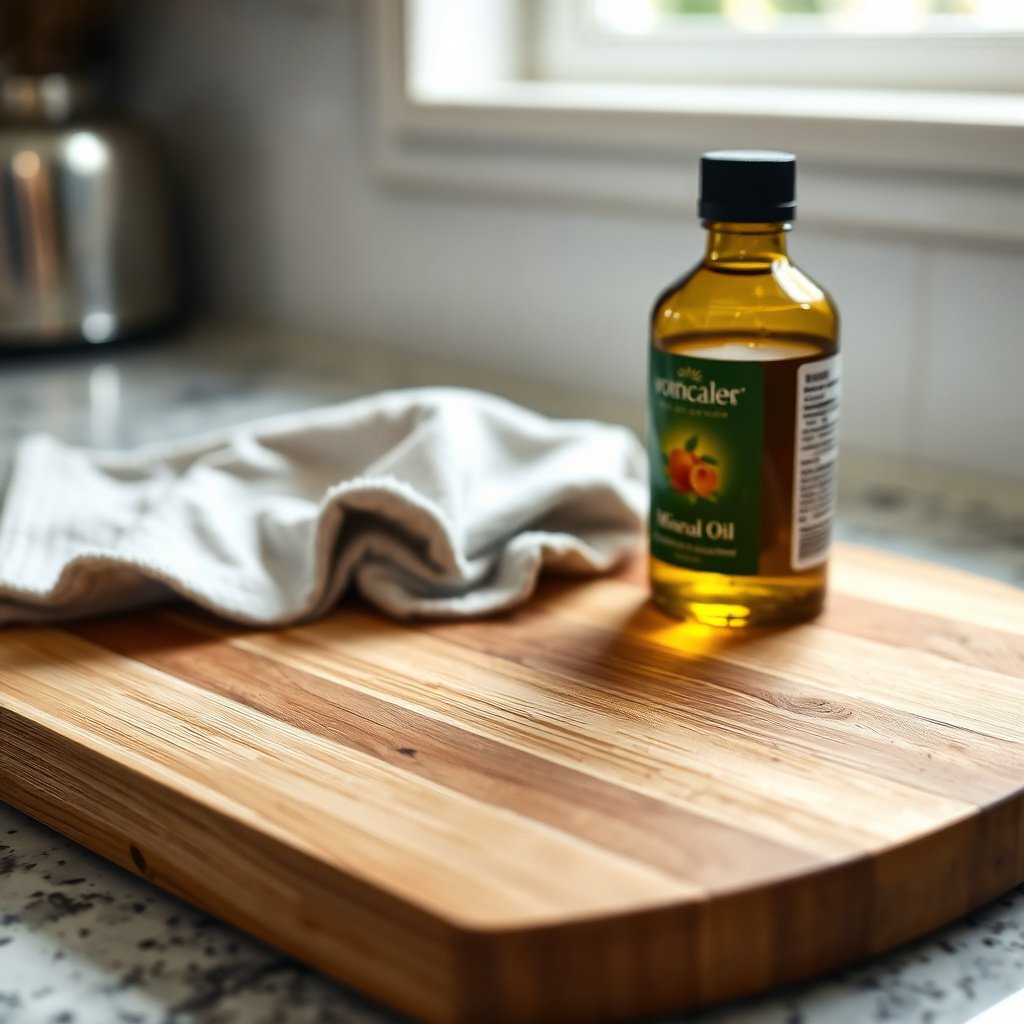
Oiling a wooden cutting board is essential to maintain its durability and prevent cracking or warping. To oil your wooden cutting board, start with a clean, dry surface and apply a food-safe mineral oil evenly using a soft cloth. Let the oil soak in for several hours or overnight, then wipe off excess oil with a dry cloth.
Wood is porous and can dry out over time from exposure to water and food. Without regular oiling, your cutting board may absorb liquids, leading to stains, odors, and potential bacterial growth. Proper oiling replenishes the wood’s natural moisture, seals tiny cracks, and helps protect the surface from daily wear and tear.
In this article, you will find a step-by-step guide to oiling your wooden cutting board, learn about different types of oils suitable for food-contact surfaces, and understand how often to oil your board based on use. We will also cover maintenance tips to keep your wooden cutting board sanitary and looking its best.
Preparing Your Wooden Cutting Board for Oiling
Cleaning and Drying the Board
Before applying oil, it’s important to thoroughly clean your wooden cutting board. Use warm water with mild soap and scrub gently to remove food particles and bacteria. Avoid soaking the board or using harsh detergents, as these can damage the wood fibers.
After washing, dry the board completely with a clean towel and leave it upright in a well-ventilated area. The board should be completely dry to allow oil to penetrate evenly and prevent trapping moisture beneath the surface.
Sanding for a Smooth Surface
If your cutting board has rough spots, scratches, or minor stains, lightly sanding it can help create a smooth surface for better oil absorption. Use fine-grit sandpaper (around 220-grit) and sand evenly in the direction of the wood grain.
After sanding, wipe away any dust with a damp cloth and allow the board to dry completely before moving on to oiling.
Choosing the Best Oil for Your Wooden Cutting Board

Food-Safe Mineral Oil
Food-safe mineral oil is the most popular choice for maintaining wooden cutting boards due to its affordability, odorless nature, and effectiveness. It penetrates the wood fibers and forms a protective barrier against water and bacteria.
Mineral oil is easy to find in hardware stores or online and is tasteless, which means it won’t affect the flavor of foods prepared on the board.
- Non-toxic and food safe
- Does not go rancid
- Inexpensive and widely available
For more on this, see our related guide: How to Display Cutting Boards on Kitchen Counter: A Step-by-Step Guide.
Natural Oils and Beeswax Blends
Some prefer natural oils like walnut oil or jojoba oil because they are plant-based and also food safe. However, these oils can sometimes go rancid if not applied regularly.
Beeswax-oil blends offer a slightly thicker protective coating and can condition the wood more deeply. These blends often require buffing the board after application to create a smooth finish.
- Natural plant-based options
- May require more frequent application
- Can provide waxy surface protection
How to Properly Apply Oil to a Wooden Cutting Board
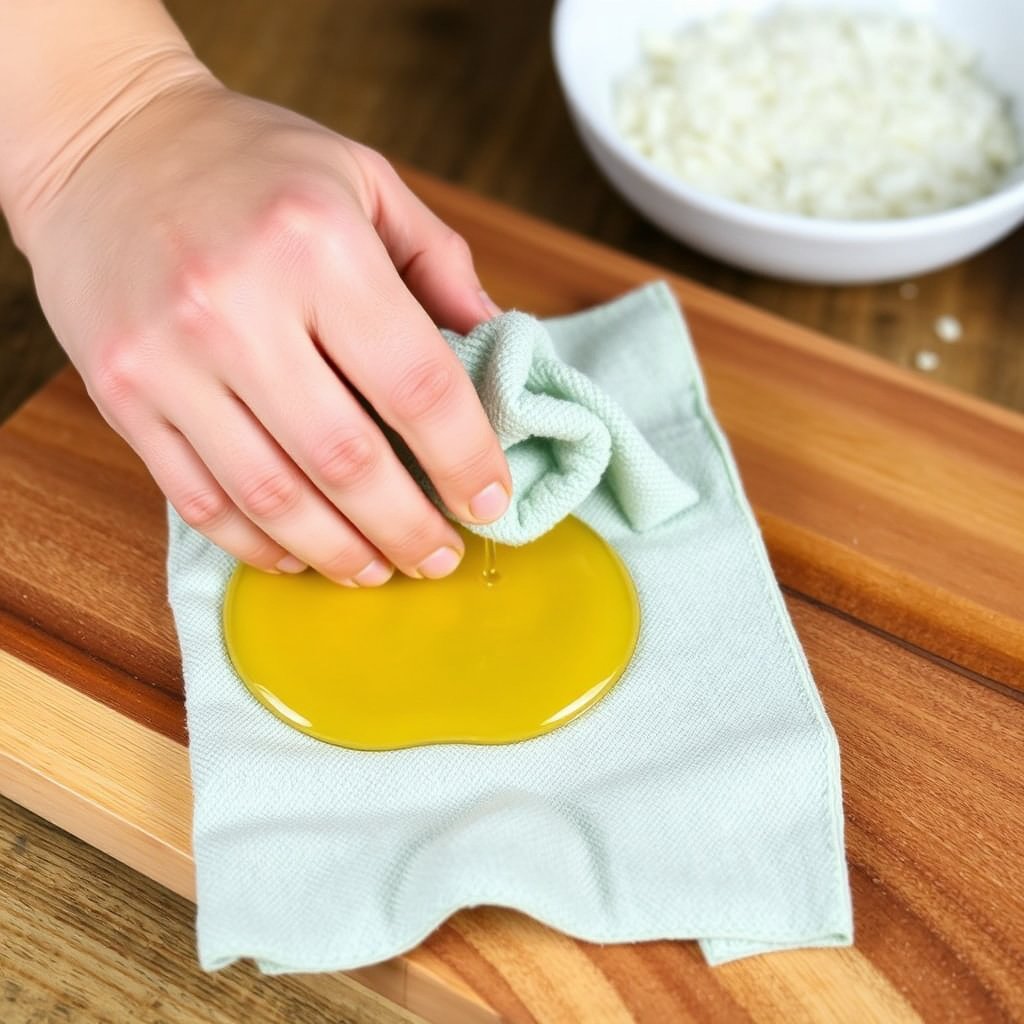
Step-by-step Oiling Process
Pour a small amount of oil onto the board, about one tablespoon per surface area, and use a lint-free cloth or paper towel to rub it evenly across all sides of the board. Make sure to cover edges and corners where wood is most exposed.
Apply the oil in the direction of the wood grain using gentle circular motions. After application, let the board rest for at least four hours or overnight to allow the oil to soak deeply into the wood.
- Apply generous but not excessive oil
- Cover entire board surface and edges
- Allow sufficient absorption time
Wiping Off Excess Oil
Once the oil has soaked in, use a clean, dry cloth to wipe away any excess oil on the surface. This step prevents the surface from becoming sticky or attracting dust and dirt.
If the board feels dry after the first application, you can apply a second thin coat, especially for older or very dry boards.
- Remove surface residue
- Avoid sticky buildup
- Repeat application if needed
Understanding the Frequency of Oiling Your Cutting Board
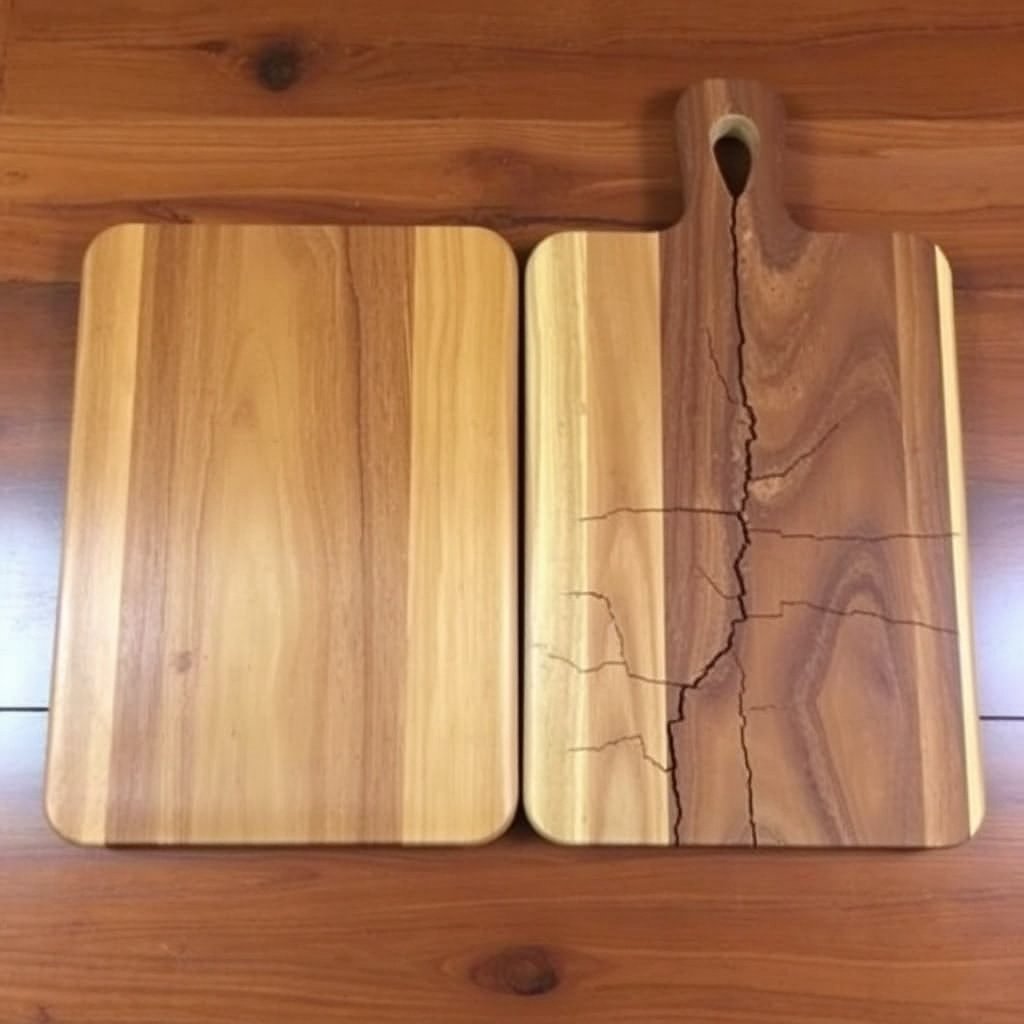
Weekly Oiling for Regular Use
If you use your wooden cutting board frequently for chopping meats, vegetables, or bread, applying oil about once a week keeps it well-moisturized and protected.
Regular oiling helps prevent the wood from drying out, reduces cracking, and maintains a smooth, safe surface for food prep.
- Ideal for heavy kitchen use
- Maintains board longevity
- Prevents stains and odors
For more on this, see our related guide: What Is a Medium Well Steak? Precise Guide to Cooking It Perfectly.
Monthly Oiling for Occasional Use
For boards used less often, oiling once a month is usually sufficient. Monitor the board’s condition by checking for dryness or dullness and adjust frequency accordingly.
Handmade or expensive hardwood boards may benefit from less frequent but careful oiling to preserve their finish without oversaturation.
- Good for occasional cooks
- Maintain natural moisture balance
- Avoid over-oiling delicate woods
Additional Maintenance Tips for Wooden Cutting Boards
Cleaning After Each Use
Cleaning your wooden board promptly after use helps avoid staining and bacterial buildup. Use warm water and mild soap, then dry it thoroughly. Never soak the board or put it in a dishwasher, as the heat and water can cause warping.
For deeper cleaning, sprinkle coarse salt and rub with half a lemon to remove odors and stains naturally.
For further information on wooden cutting boards and maintenance, you can explore the wooden cutting board care on Wikipedia. wooden cutting board care on Wikipedia.
Storing Your Cutting Board Properly
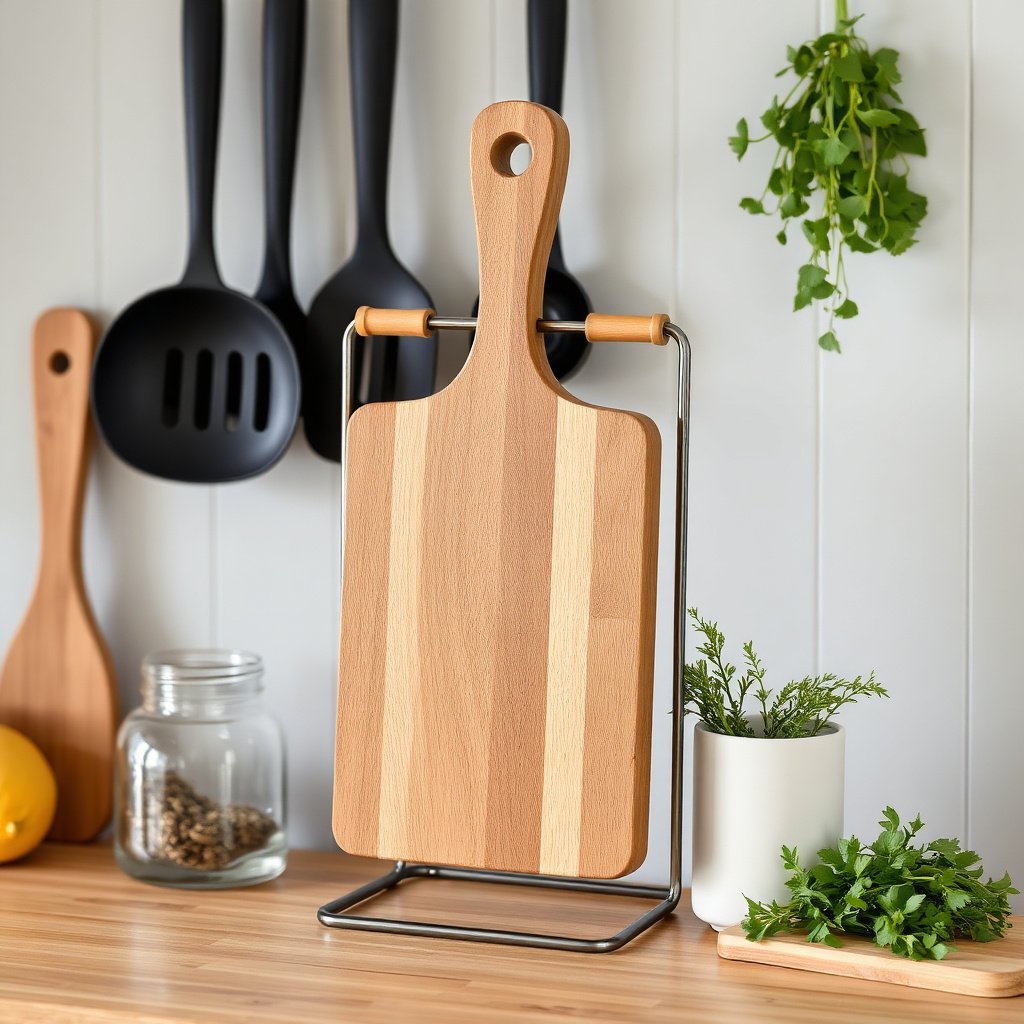
Store your wooden cutting board in a dry, well-ventilated area standing on its edge or flat with good air circulation to prevent moisture accumulation.
Avoid placing the board near heat sources or in damp, enclosed spaces, as this accelerates drying damage or mold growth.
Comparison of Common Cutting Board Oils
Here’s a look at popular oils used for wooden cutting boards, highlighting their benefits and drawbacks to help you decide which suits your needs.
| Oil Type | Food Safety | Absorption Rate | Rancidity Risk | Cost |
|---|---|---|---|---|
| Mineral Oil | Yes, food-safe | High absorption | None | Low |
| Walnut Oil | Yes, food-safe | Moderate absorption | Moderate | Medium |
| Coconut Oil (Refined) | Yes, food-safe | Moderate absorption | Moderate | Medium |
| Beeswax-Oil Blend | Yes, food-safe | Low absorption, surface barrier | Low | Higher |
| Olive Oil | No, can go rancid | Low absorption | High | Low |
Frequently Asked Questions
Can I use olive oil to oil my wooden cutting board?
Olive oil is not recommended because it can go rancid and develop unpleasant odors, which spoil the board. Use food-safe mineral oil or beeswax blends instead for lasting protection.
How often should I oil my wooden cutting board?
For regular kitchen use, oiling once a week is recommended. Occasional users can oil monthly. Always check for dryness or dullness and adjust the frequency accordingly.
Is it okay to put my wooden cutting board in the dishwasher?
No, wooden cutting boards should never be washed in a dishwasher. The heat and moisture can cause warping, cracking, and damage the finish.
How long should I wait after oiling before using my cutting board?
It’s best to let the oil soak in for at least four hours or overnight. Wipe off any excess oil afterward to avoid a sticky surface before using the board.
Can sanding my cutting board improve oil absorption?
Yes, sanding with fine-grit sandpaper smooths rough areas and removes stains, helping the oil penetrate more evenly and deeply into the wood.
Key Takeaways
- Use food-safe mineral oil or beeswax blends for the best cutting board oil.
- Clean and dry your board thoroughly before oiling it.
- Apply oil generously and let it absorb overnight for best results.
- Oil your cutting board regularly based on how often you use it.
Conclusion
Knowing how to oil a wooden cutting board properly is fundamental to preserving its life and functionality. The process involves cleaning the board well, choosing the right oil, and applying it carefully to replenish the wood’s moisture while forming a protective barrier against water and bacteria. During regular maintenance, paying attention to the board’s dryness and surface condition guides the necessary frequency of oiling, allowing the board to remain durable and safe for food preparation over time.
If you use your cutting board daily, mineral oil is a reliable, effective option that is easy to find and apply. For those interested in natural products, beeswax-oil blends offer additional surface protection but require a bit more upkeep. Occasional cooks can keep their boards in good condition by oiling monthly and performing light sanding if rough patches develop. Remember to avoid oils like olive oil that can go rancid and damage your board’s surface.
To get started, clean and dry your board thoroughly, apply a generous amount of mineral oil using a soft cloth, and give it time to soak in fully before wiping off excess. Repeat this routine regularly, adjusting frequency based on use, and your wooden cutting board will provide a reliable and attractive workspace for years to come.