How to Make an Orange Twist: A Simple Guide for Perfect Cocktail Garnishes
An orange twist is a classic cocktail garnish made by cutting a thin strip of orange peel and twisting it to release fragrant oils, adding aroma and flavor to your drink. Making an orange twist involves selecting a fresh orange, carefully peeling a thin strip of zest while avoiding the bitter pith beneath, and then twisting it over your cocktail to express the oils.
This garnish not only enhances the drink’s visual appeal but also adds a subtle citrus aroma and flavor, which can elevate the overall tasting experience. Bartenders commonly use orange twists in drinks like the Old Fashioned, Manhattan, and Negroni to add a touch of brightness and complexity.
This article will walk you through the step-by-step process of how to make an orange twist, including selecting the right tools, proper peeling techniques, and tips for twisting and presenting the garnish, so your cocktails look professional and taste even better.
Choosing the Right Orange for an Orange Twist
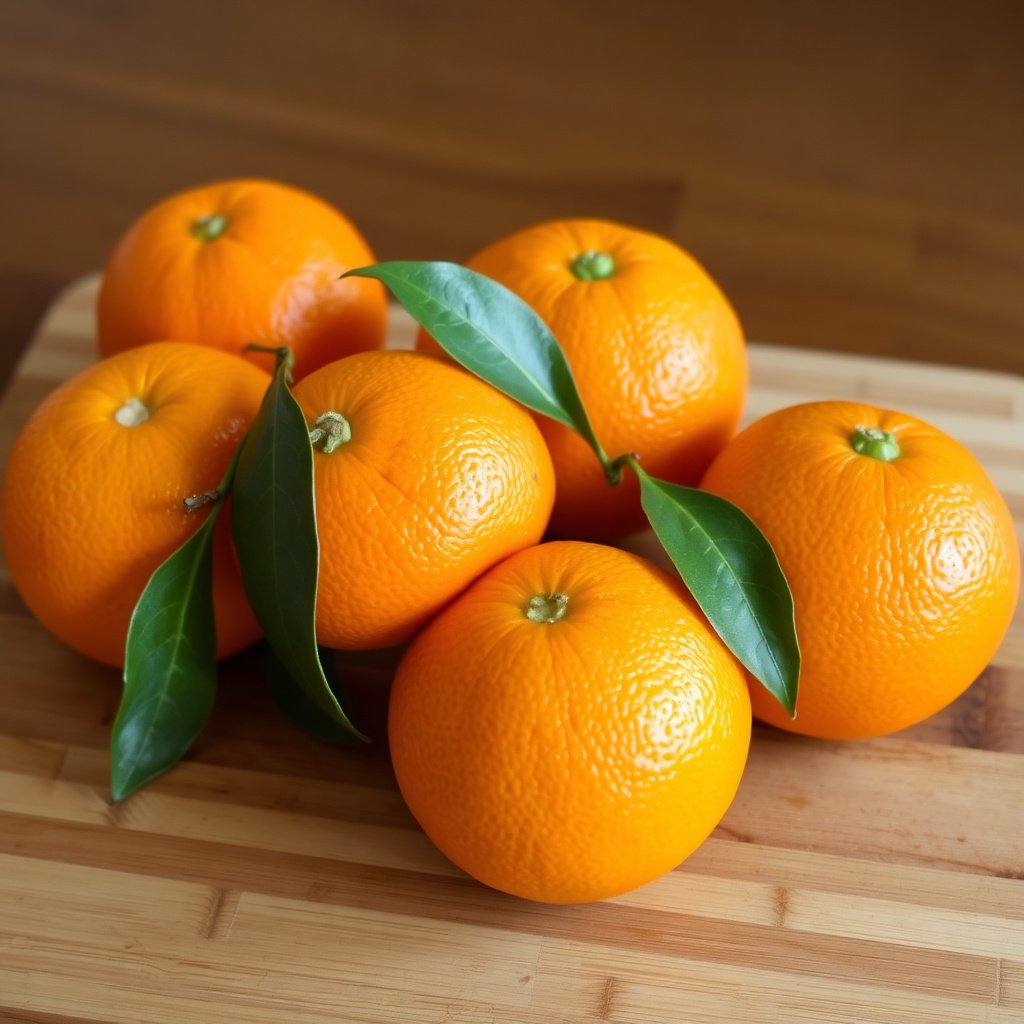
Selecting Fresh Oranges
When making an orange twist, it’s best to use fresh oranges with firm, shiny skin that’s free from bruises or wrinkles. Navel oranges or Valencia oranges are popular choices because their peels have a balanced oil content that delivers a fragrant aroma without overpowering bitterness.
Avoid oranges with thick or rough skin as they can be harder to peel, and their pith might be thicker, causing your twist to taste bitter. Look for a ripe but firm fruit for the best results.
Tools Needed for Peeling
A small, sharp paring knife or a microplane zester are commonly used tools to create an orange twist. A vegetable peeler also works well for producing thin, uniform strips without cutting too deep into the pith.
Having a cutting board or a flat surface to work on is useful, along with a small knife to trim any white pith from the peel strip if needed. Using the right tools prevents tearing and helps maintain the peel’s bright color and texture.
- Paring knife or microplane zester
- Vegetable peeler
- Cutting board
- Small trimming knife
Crafting the Perfect Peel Strip
Removing the Peel Cleanly
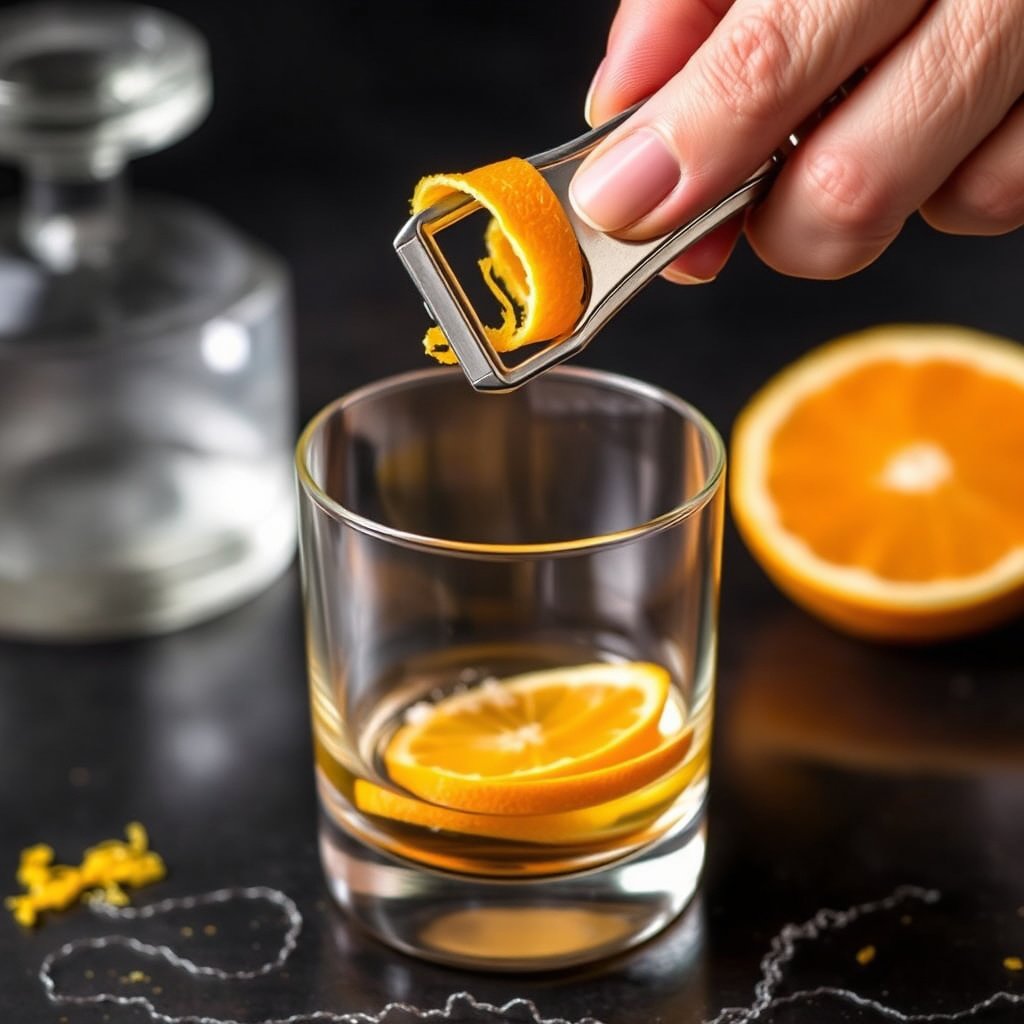
To make an orange twist, gently run the vegetable peeler along the orange’s skin, removing a long, narrow strip about half an inch wide. Aim to take only the colored zest layer, avoiding the white pith underneath, which can impart bitterness and dull the bright color.
If you find pith is attached, carefully trim it away with a small knife after peeling. The peel should be flexible but intact to form a neat twist that holds shape when garnishing.
- Peel length: 2 to 3 inches
- Avoid white pith
- Trim excess pith if present
Shaping and Twisting the Peel
After peeling, hold both ends of the zest strip and twist it over the cocktail glass to release the essential oils onto the drink’s surface. Twisting also shapes the peel into a tight spiral that adds visual appeal.
You can optionally rub the peel’s outer side gently along the rim of the glass to impart more aroma, then either drop it into the drink or perch it elegantly on the rim.
- Twist over drink to release oils
- Rub peel on glass rim
- Place twist in or on the glass
Presentation Techniques for Orange Twists
Simple and Classic Presentation
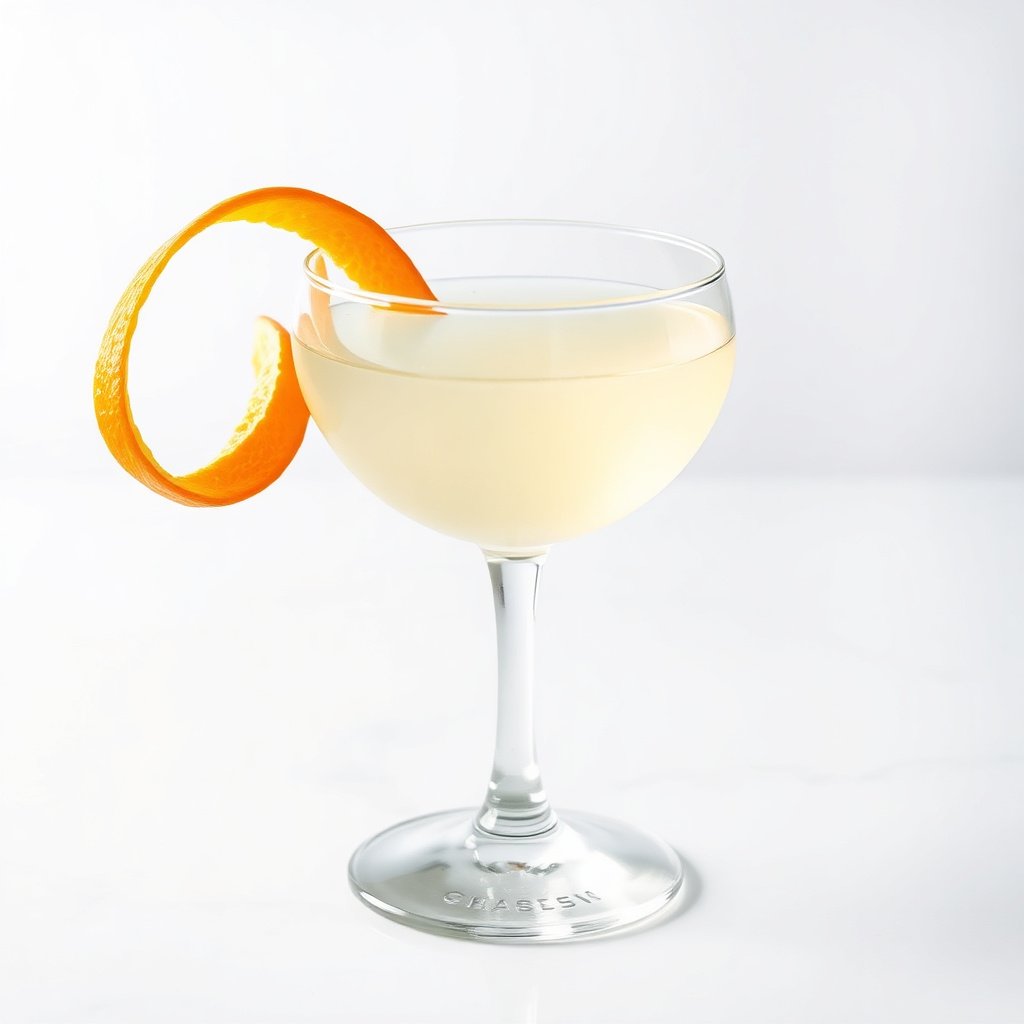
The simplest way to present an orange twist is to allow it to curl naturally after twisting and place it directly on the rim of the glass. This classic look is suitable for spirit-forward cocktails like the Old Fashioned.
Ensure the peel is not too thick or rigid, so it doesn’t overpower the drink’s appearance. A well-made orange twist adds a splash of color and a hint of refreshing citrus aroma.
For more on this, see our related guide: How to Make French Toast: A Complete Guide for Perfect Results.
Creative Garnishing Ideas
For a more elegant presentation, you can tie the twist into a loose spiral and secure it with a cocktail pick, then rest it horizontally on the glass. Another option is to float the twist on top of drinks like martinis for a floating citrus effect.
Using orange twists alongside other garnishes, like a cherry or rosemary sprig, can create layered aromas and an eye-catching cocktail presentation.
- Tie twist with cocktail pick
- Float twist on top
- Combine with other garnishes
Orange Twists in Different Cocktail Styles

Spirit-Forward Cocktails
Cocktails like the Manhattan and Old Fashioned traditionally pair well with orange twists because the oils complement the bold flavors of whiskey and bitters. The twist adds a fresh citrus highlight that balances the drink’s sweetness and strength.
In such cocktails, the orange twist is usually expressed over the top and dropped inside, subtly infusing the drink as you sip.
Lighter and Refreshing Cocktails
More delicate drinks such as a Gin Martini or classic Negroni benefit from an orange twist’s aroma without overwhelming the spirit’s botanical or bitter notes. The twist can rest on the rim or float on the surface for a bright, inviting scent.
Orange twists also pair nicely with sparkling cocktails, offering a contrasting pop of citrus amid bubbles and lightness.
Maintaining Freshness and Storage Tips
Keeping Orange Twists Fresh
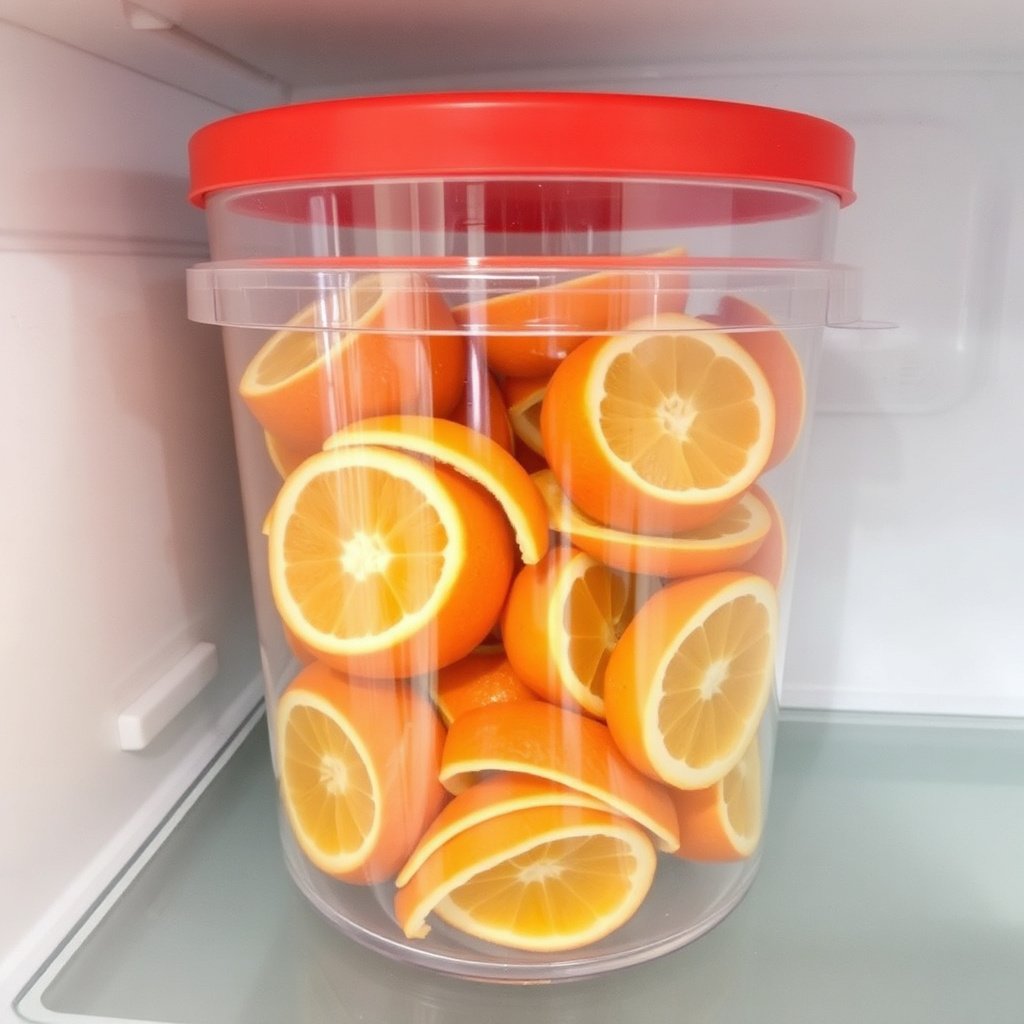
If you prepare orange twists ahead of time, store them in an airtight container or sealed plastic bag in the refrigerator to maintain moisture and prevent drying out. Use within 24 hours for best aroma and color.
Avoid stacking twists too tightly to prevent sticking or tearing. Freshness impacts the oil’s release and overall garnish quality.
- Store in airtight container
- Keep refrigerated
- Use within 24 hours
For more on this, see our related guide: How to Make Banana Pudding That’s Creamy and Perfect Every Time.
Alternative Storage Methods
Some bartenders soak orange twists briefly in simple syrup to soften them and add sweetness before garnishing. Refrigerating twists in a damp paper towel inside a sealed bag can also help maintain flexibility.
Avoid freezing twists as the peel can become rubbery and lose fragrance, diminishing the cocktail’s visual and aromatic appeal.
- Soak in simple syrup (optional)
- Refrigerate with damp paper towel
- Do not freeze twists
Troubleshooting Common Issues
Avoiding Bitter Flavors from Pith
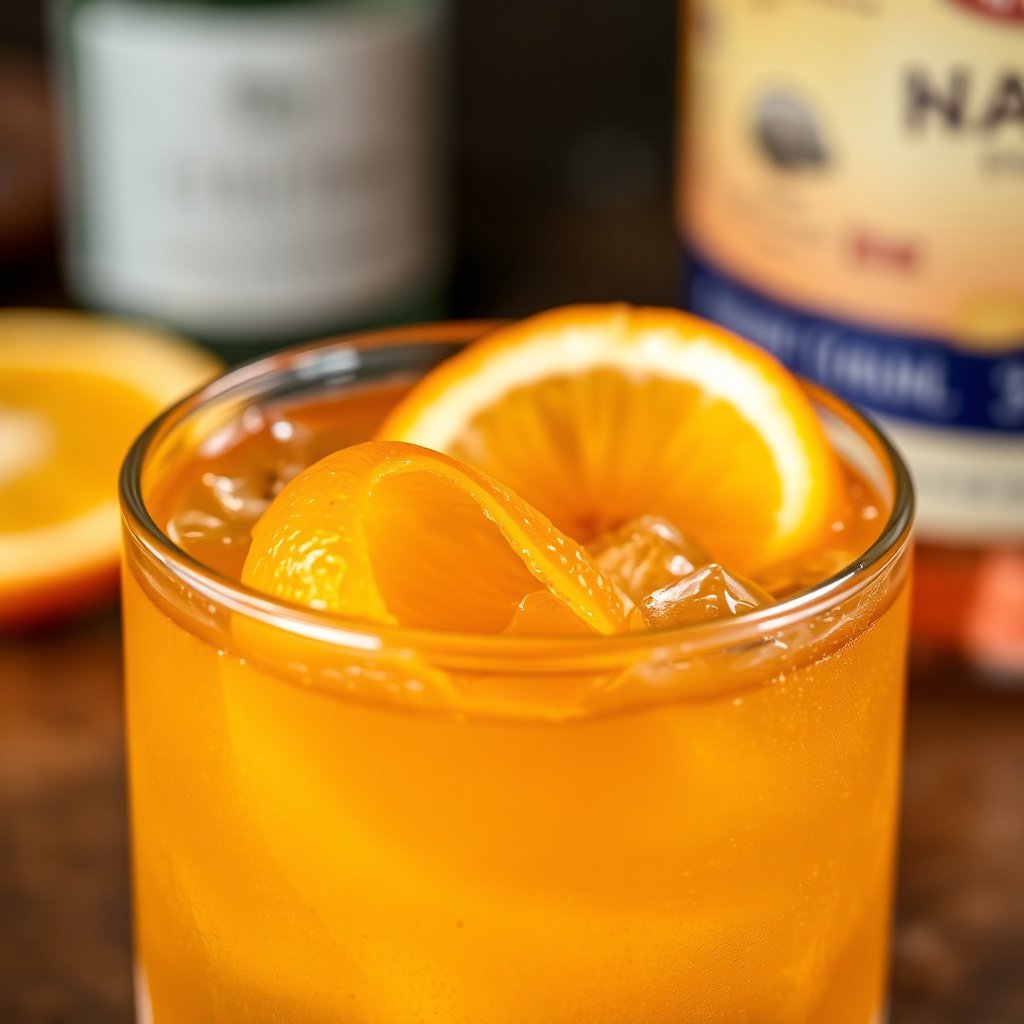
The white pith beneath the orange zest contains bitter compounds that can ruin a garnish. Avoid peeling too deeply and inspect your strip, trimming any visible pith before twisting.
If your twist tastes bitter or looks dull, freshen it by gently scraping away excess pith or using a new strip altogether.
For more botanical details about the orange fruit used in twists, refer to the Orange (fruit) Wikipedia article. Orange (fruit) Wikipedia article.
Fixing Broken or Ripped Twists
Thin orange peel strips can tear while peeling or twisting if handled roughly. To prevent this, use a sharp peeler and steady, light pressure when removing the peel.
If tears happen, try tying two thinner strips together with a pick or layering to create a visually interesting garnish without compromising on aesthetics.
Orange Twist vs. Other Citrus Garnishes: A Quick Comparison
Here’s a comparison of orange twists alongside lemon twists, lime twists, and citrus peels that helps highlight their unique uses and characteristics in cocktails.
| Garnish Type | Flavor Profile | Best Use | Peeling Difficulty |
|---|---|---|---|
| Orange Twist | Sweet, bright citrus aroma with subtle bitterness | Whiskeys, Negroni, Martinis | Moderate |
| Lemon Twist | Sharp, tangy citrus scent with tartness | Vodka martinis, gin cocktails | Easy |
| Lime Twist | Zesty, tart aroma with fresh bitterness | Tropical drinks, tequila cocktails | Moderate |
| Grapefruit Peel | Bitter, complex citrus oils with floral notes | Bittersweet cocktails, craft spirits | Hard |
Frequently Asked Questions
Can I use other citrus fruits to make a twist?
Yes, lemon, lime, and grapefruit peels can be used similarly to create twists. Each offers its own unique aroma and flavor profile that complements different cocktails.
How thick should I peel the orange for the best twist?
Aim for a thin strip of peel that includes just the orange zest layer without the white pith, roughly 1/8 inch thick, so it’s flexible and flavorful.
How do I prevent the twist from tasting bitter?
Avoid cutting into the white pith beneath the zest, which contains bitter compounds. Trim any visible pith carefully with a small knife after peeling.
Can I prepare orange twists in advance?
Yes, store them in an airtight container in the refrigerator and use within 24 hours to keep their aroma and freshness intact.
What is the best way to release oils from the orange twist?
Twist the peel firmly over the cocktail to spray essential oils onto the drink, then rub it lightly on the glass rim for added aroma.
Key Takeaways
- Use fresh, firm oranges like navel or Valencia for the best peel quality.
- Peel thin strips avoiding pith to prevent bitterness in your orange twist.
- Twist the peel over cocktails to release essential oils and enhance aroma.
- Store twists refrigerated in airtight containers and use within 24 hours.
Conclusion
Making an orange twist is a straightforward process that significantly enhances your cocktail’s aroma and appearance. Selecting the right orange and peeling a thin, pith-free strip are key to crafting a clean, flavorful garnish. By practicing careful peeling techniques and expressing the oils properly, you’ll transform simple drinks into elevated experiences with the addition of this vibrant citrus touch.
For bartenders or home enthusiasts, the orange twist shines in spirit-forward cocktails like the Old Fashioned and Negroni where the bright, sweet aroma balances strong flavors. Meanwhile, in lighter cocktails such as a Gin Martini, the twist adds delicate citrus nuances without overwhelming. Considering storage tips and alternative garnishing ideas helps keep your efforts fresh and creative across many cocktail styles.
If you want to improve your cocktail presentation and flavor effortlessly, start practicing making orange twists today. Gather the appropriate tools, select a fresh orange, and work on peeling smooth, flexible strips. With these steps, every cocktail you serve will benefit from the inviting scent and refined look this garnish provides.