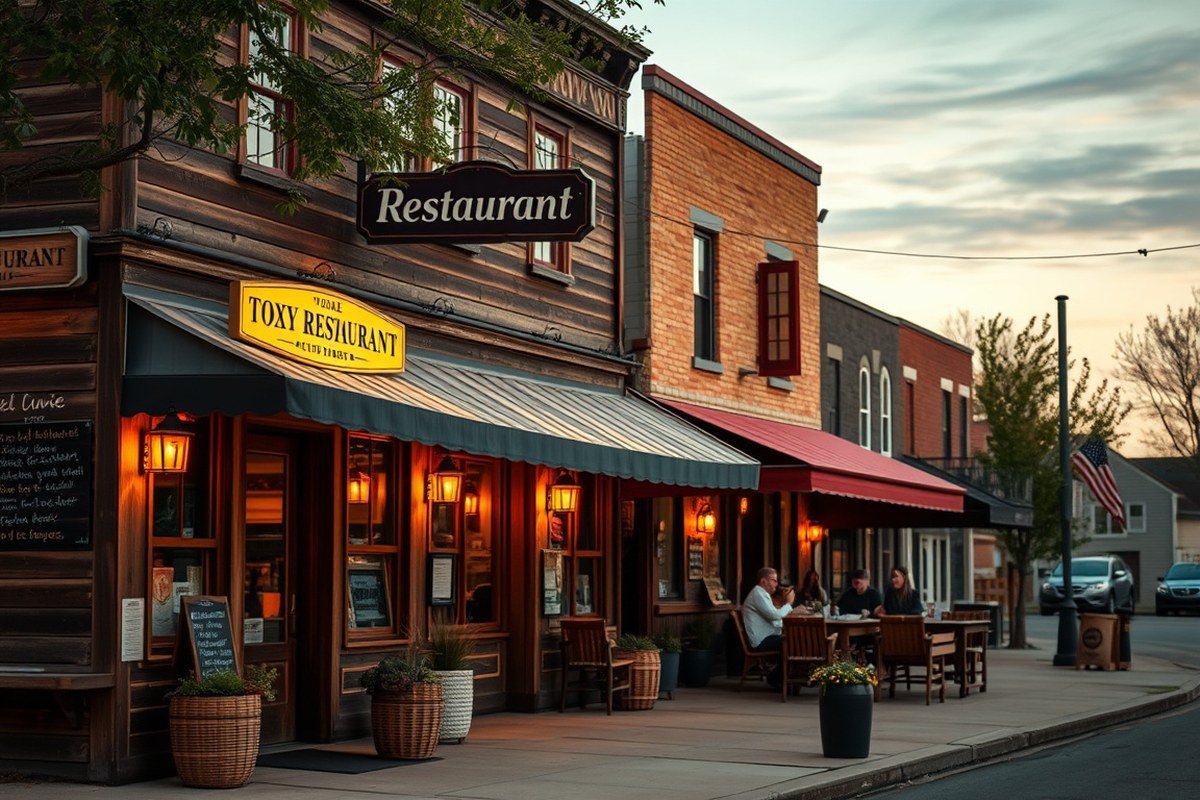
How to Find the Best Restaurant in a Small Town: Complete Proven Methods
To find the best restaurant in a small town quickly, focus on local recommendations, check online reviews thoughtfully, and look for spots with consistent regulars. Authenticity often shows in family-run businesses or long-standing establishments serving local favorites. This approach fits travelers, foodies, and new residents eager to enjoy genuine local dining without endless searching.
You will learn proven methods to spot quality restaurants using handy tools like social media and word of mouth. The insights will help you identify what makes a small-town restaurant truly authentic and how to time your visit for the best experience.
Key Takeaways
- Ask locals directly for restaurant recommendations to get honest, firsthand insights quickly.
- Use online reviews with caution, focusing on detailed critiques rather than just ratings.
- Look for restaurants that have served the community for many years, indicating reliability and authenticity.
- Check social media for recent activity and genuine customer interactions to gauge current quality.
- Scan menus for dishes highlighting local cuisine, which often indicate authentic offerings.
- Visit during lunch hours to find the best deals and sample popular dishes without crowds.
How to Identify the Best Small-Town Restaurant Quickly

Look for signs of a restaurant’s popularity right away. A busy dining room, especially during peak meal times, usually signals good food and service. Check if the place has been around for a while. Restaurants with long histories, like those operating since the early 1900s or tied to local traditions, have often earned the trust and approval of the community. You also want to spot clear and inviting signage that gives a hint about the restaurant’s style and quality. Menus posted outside should be easy to read and suggest fresh or local ingredients, rather than listing too many dishes or frozen items. Location matters too; restaurants located near the town center or main transportation hubs often benefit from local foot traffic, a sign locals rely on them. Using a quick checklist can simplify your decision-making process. It helps you focus on key features that usually indicate quality and solid reputation:
- Full dining room or steady customer flow visible through windows
- Historic or long-standing establishment with community ties
- Clear, simple signage indicating fresh, local, or seasonal dishes
- Location in a visible, central, or frequently visited part of town
- Menus with no more than 10 to 15 dishes, avoiding overly broad choices
- Presence of local awards, accolades, or partnership mentions (such as supporting local nonprofits)
- Quick online lookup via tools like Google Maps or Yelp for updated local feedback
Local online tools like Google Maps and Yelp offer instant recommendations for small town restaurants, but it’s smart to filter reviews for recent, detailed comments mentioning specific dishes or service experiences. For the quickest results, start with a location search on Google Maps, which shows ratings, busy times, photos, and links to the restaurant’s website or social media. Checking local Facebook pages or community forums can show the latest buzz, especially since social media plays a big role in marketing small-town eateries. Also, look for regular social media posts or mentions by local influencers; those often indicate a restaurant’s active role in the community and suggest a consistent customer base.
When reading menus or signs, watch for straightforward descriptions and price ranges that fit local expectations, unusual high pricing in a small town can hint at tourist traps rather than quality. Menus that highlight trusted local ingredients or daily specials adjusted to seasonal availability usually indicate care in food preparation. Signs or mentions of sourcing from nearby farms or fishmongers tell you the restaurant invests in freshness, which is a big plus in small towns with limited options.
Applying these tips helps you quickly identify a top restaurant without spending hours researching. For example, if you arrive in a town of just a few thousand people, look first for a restaurant that’s often full and has a menu mentioning local farms or produce. Use Google Maps to confirm they have strong recent reviews and check their social media for local event participation or community support. Avoid places that seem too empty, have vague menus, or lack basic signage, especially during busiest dining hours.
The Most Reliable Tools and Resources to Find Local Restaurants

Finding reliable information on restaurants in small towns can be tricky because many apps and websites focus mostly on larger cities. Delivery apps often either don’t serve these areas or their commission fees are too high for small operators, which reduces available options. Using restaurant locator tools that specialize in local listings or support community-sourced content is usually more effective. These tools are updated less frequently than those for bigger markets, so always double-check information close to your visit date. Free platforms usually update listings every few months, while paid services may refresh weekly. Below is a comparison of common tools and resources useful for finding small-town dining options, highlighting their strengths and limitations.
| Tool/Resource | What It Is | Pros | Cons | Typical Update Frequency |
|---|---|---|---|---|
| Google Maps | General map and local business listings | Wide coverage; user reviews; easy navigation | Reviews may be sparse or unreliable in small towns | Monthly to quarterly |
| Yelp | Restaurant reviews and photos | User-generated content; helpful for understanding atmosphere | Few reviews for small-town places; possible bias | Quarterly |
| TripAdvisor | Travel-focused restaurant and hotel ratings | Traveler reviews; can highlight tourist favorites | May miss local-only spots; reviews may be outdated | Every few months |
| Local Tourism Websites | Official town or regional info sites | Curated lists; accurate local specialities | Limited restaurants; often promotional | Annually to biannually |
| Facebook Local Groups | Community-driven recommendations | Current local buzz; up-to-date info | Varies by activity level; may lack structure | Daily to weekly |
| Specialty Apps with Farm-to-Table Focus | Apps highlighting local, fresh-sourced dining | Showcases unique farm connections and freshness | Limited towns covered; subscription or fees possible | Monthly to quarterly |
When relying on these tools, cross-check multiple sources. For example, verifying a popular spot on Google Maps with comments from a local Facebook group adds credibility. Delivery apps that do operate in small towns often do not list all local restaurants due to commission constraints, so don’t discount standalone websites or phone calls to confirm hours and availability.
Tip: Always call ahead to confirm hours and specials, even if the online info looks recent, because small-town restaurants often change their menus or hours seasonally or after holidays.
Using a combination of these resources lets you balance broad overviews with insider insights. Adjust your approach depending on your visit’s purpose: tourism-focused sites are better when you want popular eateries, while local groups and farm-to-table apps suit travelers seeking authentic, fresh experiences.
How to Use Local Insights and Word of Mouth Effectively
Use locals’ restaurant tips to uncover spots tourists often miss, focusing on casual chats and open-ended questions that elicit genuine favorites. Avoid places popular with visitors by asking about where residents eat regularly. Pay attention to recommendations for restaurants away from main strips or known tourist areas for true hidden gems.
Approaching Locals for Recommendations
Start by striking up friendly, informal conversations in common local spots such as coffee shops, markets, or community events. Locals usually appreciate genuine interest in their town and its food scene. Approach people with respect and a smile, and avoid asking multiple people the same questions all at once, which can feel impersonal.
Try to talk to people who seem rooted in the community: shop owners, baristas, or staff at smaller businesses often have honest insights. Phrase your request simply, like “I’m looking to try some authentic local food, do you have any favorite spots you’d recommend?” This feels less like a survey and more like a personal recommendation request.
Questions to Ask for Honest Feedback
Good questions are open and specific enough to invite detailed answers without leading someone toward tourist-heavy places. Ask about where they like to eat regularly rather than the “best” restaurant, which can invite exaggerated answers. Example questions include:
- “Where do you go when you want a great meal that’s not on the tourist trail?”
- “What’s a local dish or specialty I should try here and where do you get it?”
- “Can you name a place where you’ve taken friends or family, especially for something unique?”
Avoid vague questions like “Where should I eat?” without context, as replies tend to default to popular chains or well-marketed destinations. Instead, try this simple script:
“Hi, I’m visiting and really want to experience what the locals enjoy. Pick one restaurant you trust for good, honest food, not just the usual tourist spots, where would that be?”
Verifying and Cross-Checking Local Tips
After gathering several local suggestions, cross-check them with each other to confirm consistency. True hidden gems often appear repeatedly in different conversations, unlike trendy or tourist-targeted spots that get one-off mentions. Look for recommendations describing unique menu items, farm-to-table sourcing, or places slightly off the main street.
Visit the suggested spots during off-peak hours to judge authenticity yourself. When you can, ask the staff about local sourcing or the restaurant’s role in the community. Check details like the presence of local patrons, daily specials reflecting seasonal ingredients, or a menu that includes regional dishes, these can indicate genuinely local favorites.
Keep in mind that small towns are close-knit, so word moves quickly. A known hidden gem will maintain authenticity by not overselling itself, often with a warm, neighborhood atmosphere rather than flashy marketing or high prices. Beware that some recommendations may reflect personal bias or recent trends, so gathering a variety of opinions helps balance your view.
- Start casual: Approach locals in relaxed settings with a friendly request for inside tips.
- Ask open questions: Use scripts that focus on where locals really eat, not just popular options.
- Collect multiple opinions: Talk to several people from different backgrounds to spot patterns.
- Check consistency: Cross-reference suggestions to identify repeat recommendations.
- Visit off-peak: Drop by recommended spots when locals eat to observe authenticity.
- Inspect menus: Look for local ingredients, specialties, and seasonal offerings.
- Talk to staff: Ask about the restaurant’s connection to local producers and culture.
- Trust atmosphere: Favor places with a welcoming, homegrown feel over flashily marketed venues.
Spotting Authenticity: What Makes a Small-Town Restaurant Genuine?
Authentic small-town restaurants often showcase local food traditions, use fresh ingredients sourced nearby, and engage actively with their communities. These signs indicate the restaurant’s genuine connection to the region and its culinary heritage. Knowing what to look for helps you choose places that offer memorable meals rooted in a sense of place.
Recognizing Regional Food Traditions and Specialties
Every small town carries unique culinary customs or dishes passed through generations. Look for menus featuring these local specialties, such as a specific barbecue style in Southern states or traditional pies from the Midwest. These offerings demonstrate the restaurant’s commitment to preserving regional flavors rather than just serving generic fare.
For example, a BajaCalifornia-style taco stand using family recipes, or a bakery baking authentic Appalachian cornbread, signal authenticity. When a dish reflects the area’s history and culture, it goes beyond taste; it connects you to the place. Ask servers about the origin of house specialties or look for descriptions tying dishes to local customs or ingredients.
Checking for Fresh, Locally Sourced Ingredients
Freshness often sets authentic restaurants apart from chain or tourist traps. Dishes crafted from ingredients like Maine potatoes, local dairy, or fresh catch from nearby waters provide flavors you can’t replicate with mass-produced goods. Many small-town eateries proudly source produce, meats, or seafood from local farms, fisheries, or markets.
You can tell if ingredients are fresh by the taste and texture, meats should be firm and vibrant, vegetables crisp and not wilted, seafood moist but not fishy-smelling. Some restaurants mention their suppliers on menus or signs. Inquire about the sources if you’re unsure. Supporting these establishments boosts the local economy and ensures your meal reflects the season and region.
Community Involvement as a Mark of Authenticity
Restaurants deeply rooted in their community go beyond food. They sponsor local events, partner with area farmers, or participate in town festivals. This engagement shows pride in sharing their home’s culture and a dedication to sustaining local traditions. Such involvement improve the dining experience by embedding the restaurant in a broader social and cultural context.
A restaurant that hosts live music celebrating nearby artists or uses locally crafted tableware offers more than just a meal; it offers a sense of community connection. Talk to staff about their role in town life or check for community bulletin boards inside the venue. Restaurants showing these ties tend to have better reputations and repeat local customers.
How to Use a Quick Authenticity Checklist While Exploring
When you arrive at a small-town restaurant, start by scanning the menu for regional dishes, then watch how fresh the ingredients appear in the food or kitchen window. Next, ask the server about sourcing or any local suppliers. Finally, notice any signs of community involvement, like event flyers or local art. This approach takes a few minutes but helps you spot authenticity before ordering.
In cases where you have limited time, prioritize restaurants with menus featuring known regional staples and visible commitment to local produce. When you have extra time, talk with staff about their ingredients and local events to help confirm your choice. Authentic places often have staff who are proud and knowledgeable about their food and origins.
Potential Pitfalls When Authenticity Is Lacking
A menu full of generic dishes or inconsistent ingredient quality often signals a lack of authenticity. Should the restaurant be unable to detail the origin of key ingredients or if the food misses clear regional features, the dining experience might not reflect the town’s character. Avoid places that rely heavily on frozen or imported products without acknowledging local sources.
Also, restaurants without ties to community events or local partnerships risk being just another business rather than a cultural landmark. The food can still be good, but it may miss the depth that authentic small-town dining offers. Paying attention to these signs helps you find restaurants that genuinely reflect their town’s culinary soul.
How to Read Menus and Spot Quality Dishes in Small Towns
Menus in small-town restaurants often reveal more than just available dishes, they offer insight into the kitchen’s quality and the local culture. High-quality menus tend to be concise, focusing on a few well-executed items rather than overwhelming you with choices. Look for indications that ingredients are fresh, seasonal, or sourced locally, such as dishes featuring fish from nearby waters or produce that highlights the current season. Menus emphasizing homemade or traditional techniques, like a pizzeria offering hand-tossed dough or a diner serving from-scratch pies, often signal commitment to quality.
Local or traditional specialties are usually highlighted as house favorites or daily specials. Recognizable regional ingredients or recipes adapted to local tastes can be a clue to authentic experiences. For example, a small-town restaurant known for Southern dishes might feature seasonal pork dishes or sides prepared with heirloom vegetables. Checking for unique menu items like goat-milk panna cotta or freshly caught local oysters usually means the kitchen embraces local culinary heritage and makes an effort to specialize rather than offer generic fare.
Prices can indicate value but don’t always reflect quality directly. In small towns, reasonable pricing often aligns with traditional diner values, balancing quality and portion size. Exceptionally low prices with an extensive menu might suggest frozen or pre-made ingredients. Conversely, very high prices with a limited menu can indicate a fine-dining approach focusing on seasonal, top-tier ingredients. Pay attention to portion sizes and menu descriptions for clues on whether the cost matches what you get.
- Look for menus with fewer items focusing on fresh, seasonal, or local ingredients.
- Spot highlighted or daily specials for traditional or regional dishes unique to the area.
- Identify homemade or handcrafted foods like baked goods, sauces, or pasta.
- Check menu notes or descriptions that mention sourcing or preparation methods.
- Balance price against portion size and ingredient quality; very low prices with many options can be a red flag.
- Consider trying tasting menus or chef’s specials if available, they often showcase the best ingredients and skills.
Taking time to read the menu carefully helps you avoid generic offerings and discover dishes that tell a story about the place you’re visiting. Menus that mention surf and turf options or traditional fare prepared with regional techniques can point to thoughtfully crafted meals rather than mass-produced ones. When you see a small-town menu listing dishes like Swedish meatballs alongside mouth-watering burgers, the variety often means the restaurant balances respect for tradition with local tastes.
Menus that are too long or include vague dish descriptions often signal a lack of focus and quality, choose places with clear, specific details about ingredients and preparation instead.
Understanding the Role of Social Media and Influencers Locally
Social media and local influencers can be powerful tools for finding small-town restaurants worth trying. Influencers typically discover these spots by visiting multiple eateries, relying on personal taste and audience engagement to highlight their favorites. They often share photos, stories, and honest experiences, creating buzz that can introduce you to hidden gems. However, not every post reflects the full story; some are sponsored or emphasize popularity over quality.
Social media buzz may indicate a restaurant’s popularity but doesn’t always guarantee top food or service. A well-liked post might reflect a clever marketing push rather than genuine dining excellence. User-generated content, such as photos and comments from regular customers, can offer more balanced insights than polished influencer promotions. It helps to look for patterns: multiple independent accounts praising the same dish or chef can be a stronger signal of authentic quality.
Exercise caution with online promotions that seem too good to be true or come exclusively from influencers with many sponsored posts. They might prioritize advertising deals over honest recommendations. Check if the influencer is local or has a history of visiting several small-town eateries rather than national campaigns targeting many locations. Transparency about sponsorships also matters; clear labels allow you to weigh an endorsement accordingly.
| Factor | Local Influencers | Social Media Buzz |
|---|---|---|
| Discovery Method | Visit multiple eateries, engage with locals | Trending posts, hashtags, geotags |
| Reliability | Higher if authentic and transparent | Varies; popularity may not equal quality |
| Bias Risk | Sponsored content possible | Marketing-driven posts common |
| Best Use | Find unique, lesser-known spots | Gauge overall restaurant popularity |
| Verification | Read comments, cross-check other sources | Look for consistent positive patterns |
When you want to find a truly good small-town restaurant using social media, start by searching for local food blogs or community Facebook groups. Follow local influencers known for honest reviews rather than national food celebrities. Read both positive and critical comments to get a fuller picture. If a place is repeatedly praised for specific dishes or atmosphere, it’s worth a visit.
A simple script you can use on social networks is: “Hi! I’m visiting [small town name] soon and looking for a great place for local food. Any honest favorites? I appreciate real experiences.” This approach invites genuine, unbiased opinions rather than following high-profile posts only.
Keep in mind that small towns often thrive on family-owned restaurants that have stood the test of time, so newer promotions might miss long-standing favorites. Combining social media findings with a bit of local insight or word of mouth usually yields the best results.
When and How to Use Online Reviews Wisely in Small Towns
Online reviews in small towns can be a mixed bag. They often provide valuable insights but may also suffer from bias or a low number of postings. Sparse reviews limit your ability to identify consistent trends, while overly positive or negative posts might be influenced by personal relationships or local loyalties.
To use reviews wisely, look for patterns rather than isolated opinions. Consistent comments about food quality, service speed, or atmosphere across different reviewers usually indicate reliability. Be cautious of reviews that lack detail or focus solely on unrelated issues, which might reflect personal biases.
A simple decision rule to follow is to prioritize restaurants with at least 10 reviews averaging between 3.5 and 4.5 stars. This range often reflects solid performance without extremes that suggest hype or dissatisfaction. Pay attention to how recent the reviews are to avoid outdated opinions that don’t reflect current management or menu changes.
Filtering trustworthy reviews involves checking reviewer profiles and looking for balanced posts. Trustworthy reviews often mention specific dishes, prices, or service moments. Avoid reviews with generic praise or overly emotional language without facts.
- Check for a minimum number of reviews, ideally 10 or more.
- Identify recurring compliments or complaints about the same dishes or service aspects.
- Verify the recency of reviews to confirm current restaurant standards.
- Read multiple reviews by the same reviewer for consistency and credibility.
- Watch for detailed descriptions that include prices or preparation details.
- Be cautious of extreme star ratings (very high or very low) that lack explanation.
- Cross-check reviews on different platforms to detect possible fake posts.
Using this checklist costs only the time it takes to read reviews carefully but can save you from disappointing meals or missing out on hidden gems. Small-town restaurants often have tight-knit communities, so some positive bias is natural. Balancing online feedback with in-person observations or local tips improves your chances of a satisfying dining experience.
Avoiding Common Mistakes When Choosing Small-Town Restaurants
Choosing a restaurant in a small town can be tricky if you rely solely on convenience or well-known brands. One common mistake is settling for places with overly generic menus that aim to please everyone but lack character. These spots often miss out on showcasing the local culture or ingredients that define the town’s culinary identity. Instead, look for places that feature regional specialties or dishes prepared with local produce, which usually deliver a more authentic and memorable experience.
Another error is to fall into tourist traps close to major attractions or popular streets. These restaurants tend to have inflated prices and lower quality because they depend on volume rather than the quality of their offerings. Checking the setting and atmosphere can help you avoid this pitfall. Small towns often have hidden gems tucked away on quieter streets or within historic districts where the ambience reflects local history and traditions.
To make better choices, start by gathering varied input, not just online ratings but also recent comments from local sources and neighbors. Personal recommendations and conversations with locals often point to spots that websites overlook or that don’t heavily advertise.
- Scan for menus highlighting local ingredients or historical dishes to better enjoy unique flavors.
- Check if the restaurant’s location is in a less tourist-heavy area to avoid inflated prices and rushed service.
- Ask locals about their favorite places to eat; their tips often lead you to authentic experiences.
- Use restaurant locators focused on small towns to discover lesser-known options.
- Consider the relationship between the restaurant and local growers or producers, which can indicate fresh seasonal menus.
- Look for dining spots offering hearty portions and creative twists on comfort food, especially after local outdoor activities.
Overlooking local insights or relying heavily on a single source for information can reduce your chance of finding a great meal. Diverse inputs ensure a better overall impression of the offerings and service. Remember to take note of the menu’s balance between familiar comfort dishes and inventive flavors, which often reflects the chef’s connection to the region.
Steer clear of restaurants right next to major attractions if you want authentic food; small-town charm usually lives off the beaten path.
Finally, quality dining in these settings is not about being fancy or expensive. Good small-town restaurants balance hospitality, generous portions, and dishes that reflect the area’s unique agriculture or culinary heritage. Recognizing this balance helps set realistic expectations for cost and quality. In many cases, a meal under $20 can deliver a satisfying, memorable experience that aligns with the local vibe. Paying attention to these factors improve your overall visit and deepens your connection to the town’s culture.
How to Make the Most of the Small-Town Dining Experience
Engaging with the staff or owners in a small-town restaurant can greatly improve your dining experience and help you uncover local secrets. Start by greeting your server warmly with “Hi, I’m new in town. What do you recommend here?” This simple approach shows interest and often encourages them to share their favorite dishes or daily specials. If the owner stops by, express appreciation by saying, “I’ve heard great things about your place. What’s the story behind your menu?” This can lead to a rich conversation about the local culture and ingredients that influence the food.
Small-town dining often involves a sense of community pride, so understanding local etiquette is key. Wait patiently if the place feels busy; locals may come for longer visits, turning meals into social gatherings. It’s polite to acknowledge neighbors and friendly regulars with a nod or smile. Bread or complimentary starters, common in some towns, should be eaten sparingly before your meal arrives to avoid seeming rude or overeager. Asking politely for additional condiments or refills shows respect for the staff’s routines. Saying “Thanks for the recommendation, this dish really captures the local flavor” goes a long way in building rapport.
The atmosphere in small-town restaurants reflects their unique local culture, enriching your meal beyond just the food. For example, a diner in the Midwest might feature lively conversations and classic rock tunes that echo community values of friendliness and down-to-earth hospitality. In areas with strong regional cultures, like New Mexico, expect to hear local music or see decorations tied closely to area heritage, which adds depth to the flavors on your plate. Sitting by a window where locals come and go offers a glimpse into daily life, making the meal feel like a shared experience rather than just nourishment.
Interacting with staff also opens doors to discovering authentic dishes not listed on the menu or special events like weekly live music or themed nights. In places where families run the restaurant, casual conversation about local happenings or advice on other towns to visit adds value to your visit. When asking for tips, keep it simple: “Since you know the area well, are there any hidden gems I should try next?” This approach shows respect and may yield recommendations that no guidebook could provide.
Building these connections can take as little as a few minutes but might make all the difference in creating a memorable experience. Be mindful that some busy times may limit how much the staff can chat. In those situations, a brief “Thank you for the great service” as you leave leaves a positive impression without taking up too much time. Engaging genuinely, respecting local dining customs, and soaking in the community atmosphere transforms a simple meal into a meaningful part of your small-town visit.
Planning Your Visit: When to Go and What to Expect
Picking the right time to visit a small-town restaurant can mean the difference between a quiet table and a long wait. Many small venues have unique schedules and slower service during off-peak hours. Knowing the best times, seasonal changes, and when to call ahead helps you enjoy better service and fresher dishes without the frustration.
Best Times of Day for Dining
Small-town restaurants often align closely with local routines. For a quieter experience with attentive service, aim for mid-afternoon or late morning, roughly between 2 p.m. And 4 p.m., after the lunch rush but before dinner preparations begin. Early lunch, around 11 a.m. To noon, can also be less busy than the peak hour right before noon.
Peak dinner times usually start around 6 p.m. And last until 8 p.m., which is when kitchens are busiest and the restaurant sees the largest crowd. Walk-in diners may face waits during these hours, especially on weekends or special event days. Arriving right when the restaurant opens or just before closing often improves your chances of prompt seating and fresher menu offerings.
Seasonal or Holiday Considerations
Many small-town restaurants adjust hours or close temporarily for holidays, local events, or off-season periods. Some may reduce menu options during these times to manage limited kitchen staff or ingredient availability. Vacation seasons might bring more tourists but also staff shortages that affect service speed and consistency.
Expect early closures on major holidays such as Christmas and Thanksgiving. During summer or fall festivals, restaurants may extend hours but fill quickly. Planning around these patterns ensures your visit coincides with when the kitchen is fully operational and crowds are manageable.
- Check local event calendars for festivals or town celebrations
- Look for posted seasonal hours on the restaurant’s website or social media
- Expect limited or special menus during holidays
- Consider weekdays for more relaxed service and availability
- Be aware some places close one day a week, often Monday or Tuesday
- Off-season visits might have smaller menus or limited service days
- Call ahead during uncertain times to confirm availability
Communicating with the Restaurant Before Visiting
Calling or messaging the restaurant before your visit is one of the best ways to avoid long waits and surprises. Ask about current hours, menu availability, and the best time to arrive. Some small-town spots may only serve a limited menu during certain times or days. Prepare a simple script for your call or message:
- “Hello, I’m planning to visit on [date]. What are your opening hours that day?”
- “Are there any special menu items available or any limitations I should know about?”
- “Do you recommend booking a table in advance, and what time is usually less busy?”
These questions show respect for the restaurant’s rhythm and help you fit your visit into their schedule. Expect quicker service during off-peak hours and full menus during regular lunch or dinner. Be flexible if your preferred time is too busy or if the restaurant limits its offerings during quieter moments.
Step-by-Step Action Plan to Find the Best Restaurant in a Small Town
Follow this simple plan to quickly discover a top dining spot using practical steps grounded in local knowledge and smart tools.
- Before you arrive: Research the town’s online community pages and local tourism sites to compile a list of well-liked eateries. Confirm you find repeated mentions of the same places to ensure reliability.
- Day 1: Ask locals you meet for restaurant recommendations, focusing on places with a clear local following. The number of people recommending the same spot shows it is worth your attention.
- Day 2: Review recent online comments carefully, looking for comments that mention specific dishes and quality rather than just atmosphere. A trend in positive, detailed feedback indicates a good choice.
- Day 3: Evaluate menus online or in person for freshness and authenticity. A concise menu featuring local ingredients is a strong signal of a genuine small-town restaurant.
- Day 4: Decide when to visit based on the restaurant’s busy times shared by locals or social media. Picking off-peak hours for service can help you get a better experience and quicker attention.
- Day 5: Visit your top choice for a meal, focusing on signature or recommended dishes to test quality and authenticity. Satisfying taste and noticeable freshness mean you found a winner.
- Day 6: Share your experience with other travelers and locals online, adding your perspective to community knowledge. Positive peer feedback confirms your choice helps others and refines your future picks.
Frequently Asked Questions
What Should I Consider About Location When Choosing a Small-Town Restaurant?
Prioritize spots central to the town for a better atmosphere and local foot traffic. These areas often have established restaurants part of the community fabric, which improve the dining experience through familiarity and local pride.
How Can I Tell If a Small-Town Restaurant Is Family-Friendly?
Look for kid-friendly menus and a casual setting. Family-friendly places often have a welcoming vibe for all ages and may feature play areas or family specials to accommodate groups.
How Do Small-Town Restaurants Handle Dietary Restrictions?
Many small-town restaurants accommodate requests, but calling ahead ensures your needs are met. Chefs in smaller kitchens usually can adapt dishes when informed in advance, showing flexibility and local hospitality.
Why Do Some Small-Town Restaurants Thrive While Others Fail?
Successful spots focus on community connection and consistent quality. They keep regular customers happy, which sustains their business through word of mouth in a tight-knit local scene.
Can I Find Gourmet Options in a Small Town?
Yes, some small towns have Michelin-starred or acclaimed restaurants offering gourmet meals. For example, The Inn at Little Washington in Virginia shows rural towns can deliver exceptional fine dining experiences.
What Special Events Can Help Me Discover the Best Small-Town Dining Spots?
Food festivals and local fairs showcase top eateries. These events gather multiple local restaurants, giving you a chance to sample dishes and find favorites directly.
The Bottom Line
Finding the best small-town restaurant combines local insights with careful use of tools and timing. Starting with genuine recommendations and checking specifics like menu authenticity leads to satisfying meals. Try visiting one recommended spot tomorrow to get started on a more rewarding dining journey.






2 Comments