How to Plan a Birthday Dinner: A Step-by-Step Guide for Memorable Celebrations
Planning a birthday dinner starts with defining your guest list and selecting a suitable location, whether at home, a restaurant, or an event venue. Next, decide on a date and time that fits the celebrant's schedule and the invitees' availability. From there, focus on the menu, decor, and entertainment to create an enjoyable atmosphere.
This approach matters because a well-organized birthday dinner balances thoughtful preparation with the celebrant's style, making the event both personal and stress-free. Scheduling and menu choices greatly influence guest satisfaction, while surroundings and activities help set the tone for celebration.
This article will cover the key steps in how to plan a birthday dinner: from initial decisions on location and guest management to selecting themes, menus, and entertainment options. We'll also explore timing, invitations, and ways to add personal touches to ensure the dinner stands out.
Choosing the Right Venue for Your Birthday Dinner
Hosting at Home: Cozy and Personalized
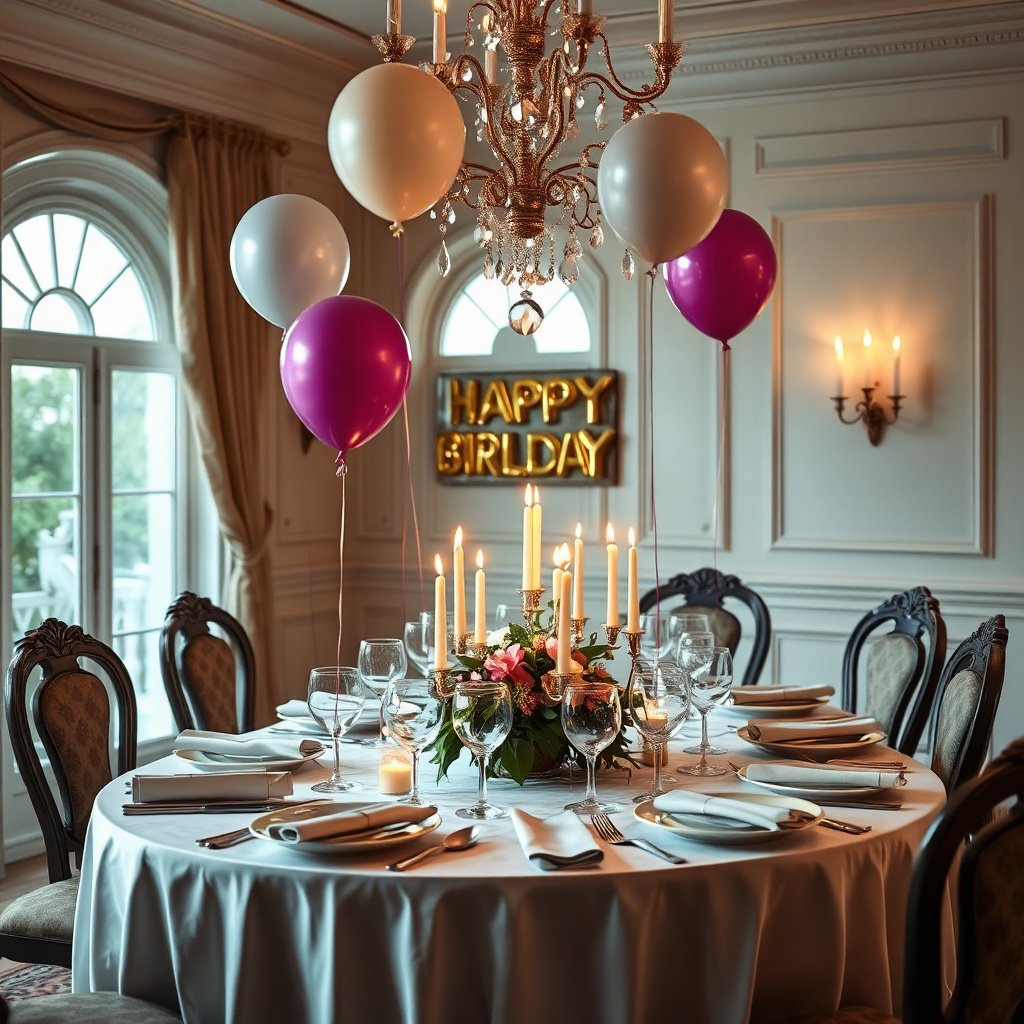
Holding the birthday dinner at home offers control over the ambiance and flexibility in timing. It’s ideal for intimate gatherings where a personal touch makes a difference. Consider your space and how many guests can comfortably be accommodated without feeling cramped.
Home venues also allow for customized decorations and the chance to prepare or tailor the menu to specific tastes. However, ensure you plan enough time for cleaning and setup before and after the event to keep stress at bay.
Restaurant Reservations: Convenience Meets Variety
Opting for a restaurant birthday dinner reduces the burden of food preparation and cleanup, allowing you to focus on hosting and enjoying the evening. Many restaurants offer private dining rooms or special packages perfect for celebrations.
Keep in mind factors like dietary restrictions, menu options, and reservation policies. Calling ahead and confirming guest count ensures smooth service and often helps secure group discounts or special accommodations.
Crafting the Perfect Guest List and Invitations
Selecting Guests: Balancing Numbers and Relationships
Decide who to invite based on the birthday person’s preferences and the venue’s capacity. Close family and friends typically make for a warm atmosphere, while larger parties can add energy but complicate logistics.
Be mindful of the mix – guests who get along enrich the dinner experience, while conflicting personalities might create tension. Consider the celebrant’s wishes above all when finalizing the list.
Invitation Strategies: Digital vs. Physical
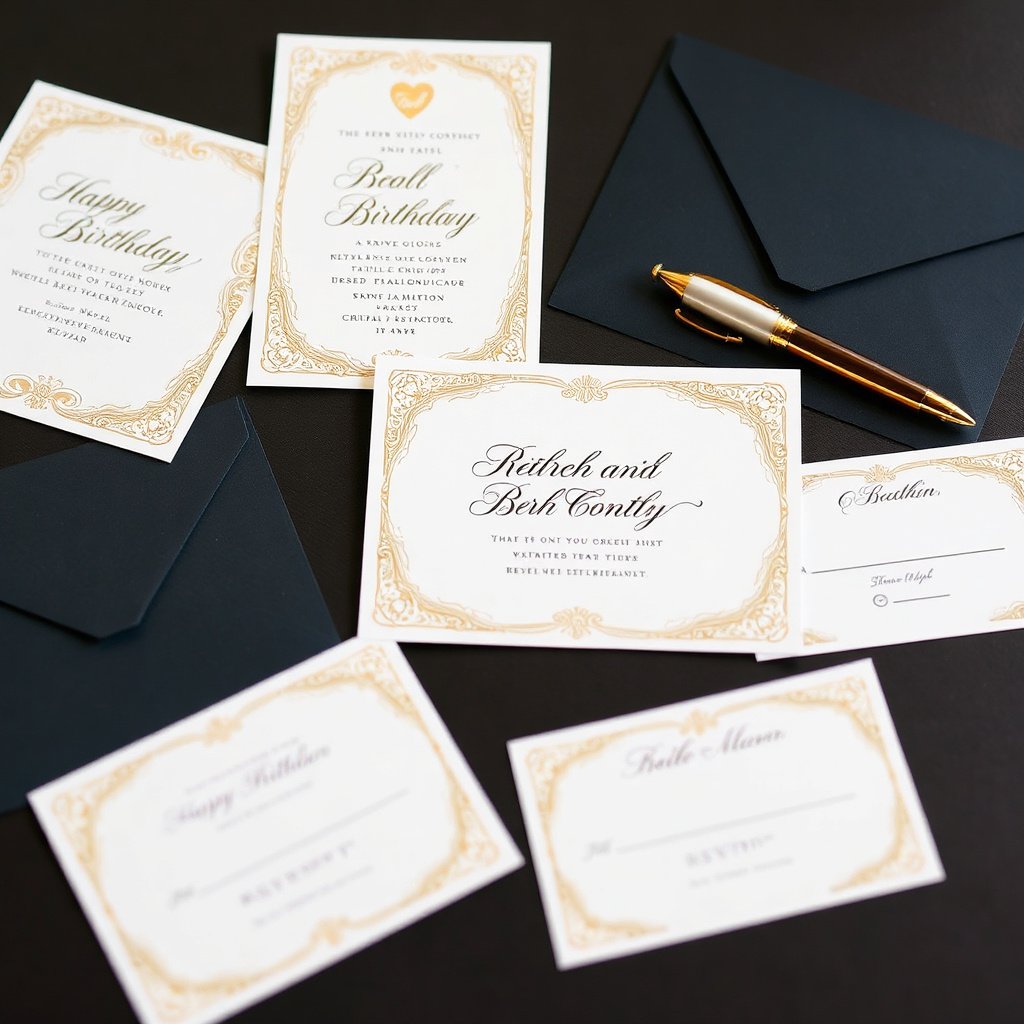
Invitations can be sent digitally, such as via email or social platforms, which offer convenience and quick response tracking. Physical invitations add a traditional touch, often appreciated for formal or themed events.
Whatever method you choose, include essential details like date, time, venue, dress code, and RSVP instructions. Sending invitations at least three weeks in advance gives guests adequate time to plan.
- Include RSVP deadline for accurate headcounts
- Mention parking or transportation details if needed
Selecting the Birthday Dinner Menu
Considering Dietary Preferences and Restrictions
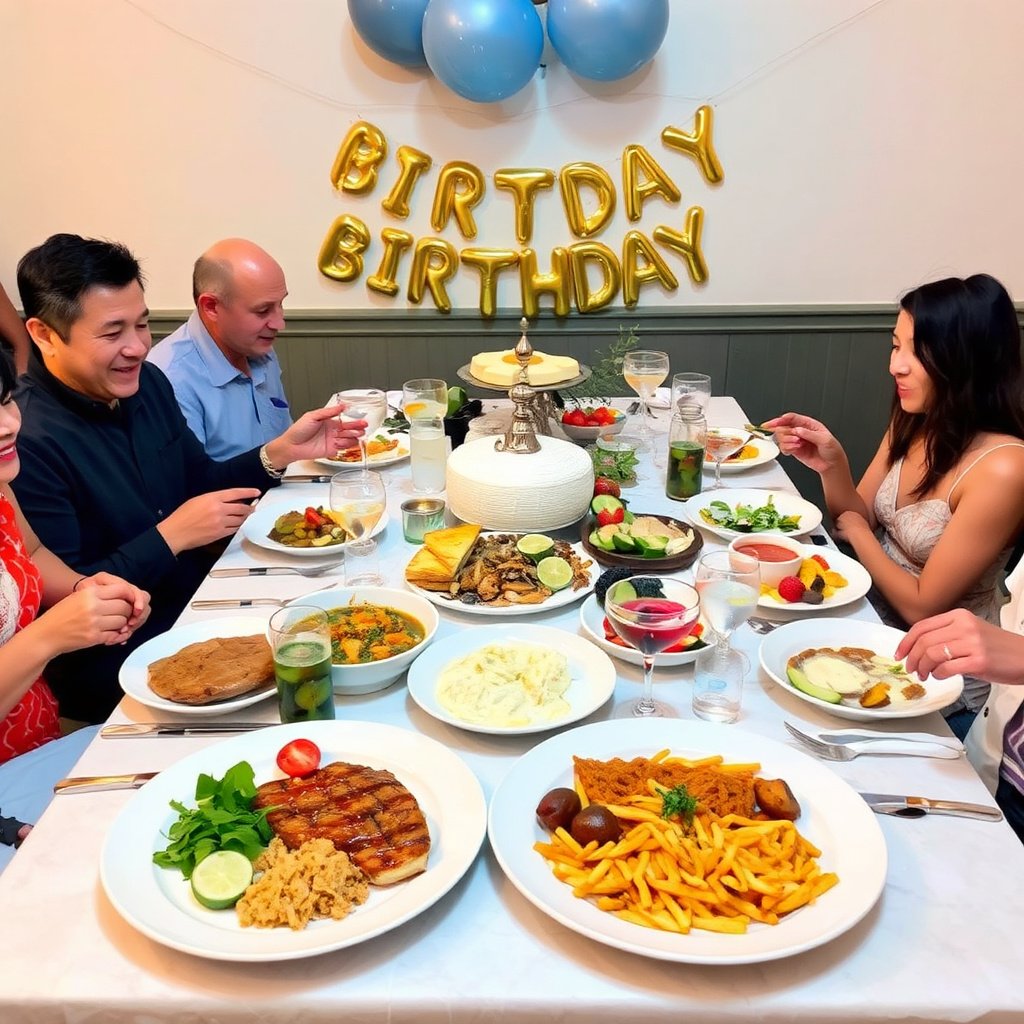
Survey potential guests for allergies, dietary restrictions, or preferences such as vegetarian, vegan, or gluten-free options. This attention enhances comfort and shows thoughtful hosting.
Design a menu that offers variety without overcomplicating preparation or service. Including crowd-pleasers alongside a few unique dishes can satisfy diverse tastes.
- Include at least one vegetarian or vegan main
- Label dishes clearly at buffet-style setups
For more on this, see our related guide: What Is the Best Restaurant for a Family Dinner? A Complete Guide with Insider Tips.
Choosing Between Catering and Homemade Meals
Catering simplifies planning and can elevate the dining experience with professionally prepared dishes, especially for large groups. It often offers menu customization but may come at higher cost.
Homemade meals provide personalization and can suit smaller groups well. Allocate time for preparation and enlist help if needed to manage workload efficiently.
- Evaluate budget versus convenience
- Consider the celebrant’s favorite homemade dishes
Setting the Atmosphere: Themes and Decorations
Choosing a Theme That Reflects the Celebrant
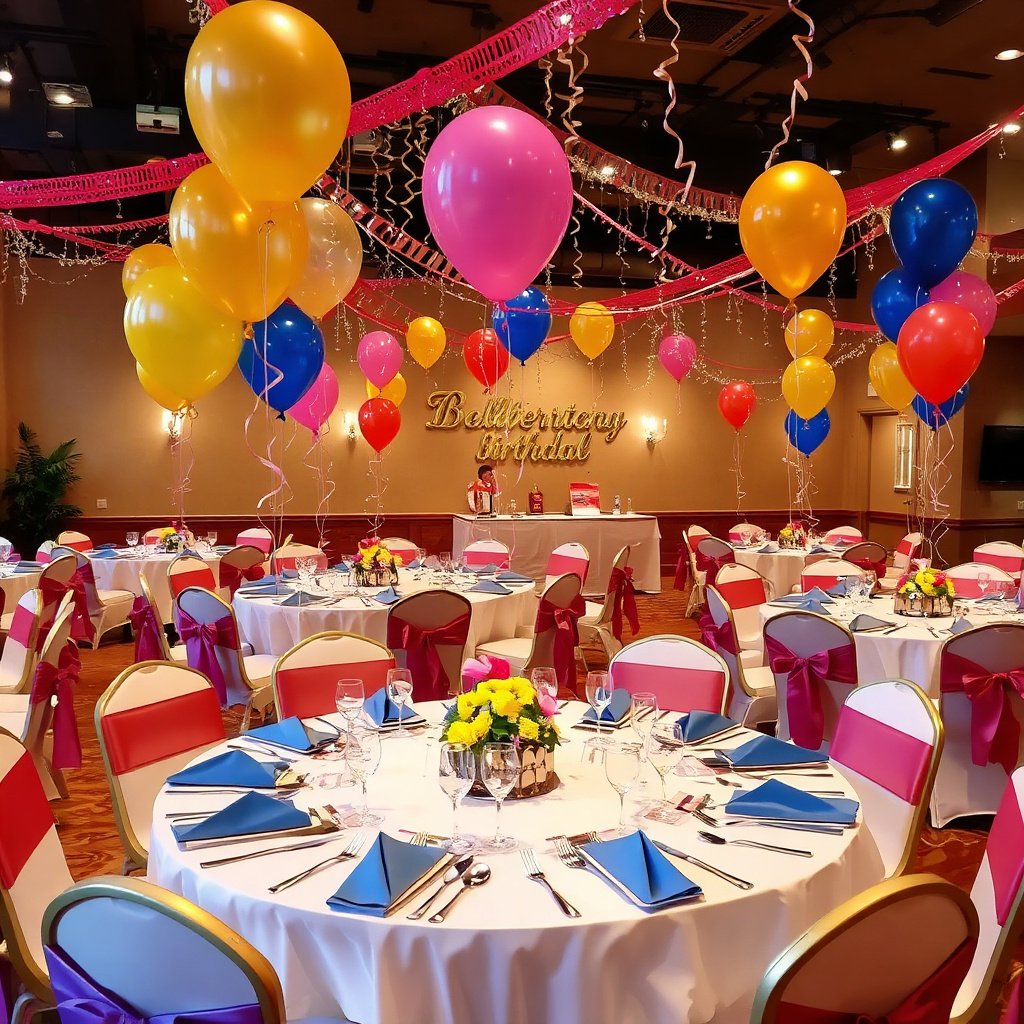
A theme helps unify decorations, dress code, and even menu choices, creating a cohesive and memorable event. It can be based on colors, hobbies, favorite movies, or eras.
Ensure the theme is practical for the venue and guest list, aiming to enhance without overwhelming the dinner’s tone.
- Popular themes: vintage, tropical, black-tie, rustic
- Use theme to inspire invitation designs
Decoration Ideas Within Any Budget
Simple yet elegant decor like candles, fresh flowers, and personalized place cards can make a strong impact without high cost. DIY options offer creativity and personal flair.
Lighting is crucial to atmosphere — soft, warm lights add intimacy, while string lights bring a festive vibe. Coordinate table settings with decorations for a polished look.
- Use reusable or natural materials for sustainability
- Incorporate photos or memorabilia for personal touches
Entertainment and Activities for Dinner Guests

Selecting Appropriate Music and Sound Levels
Music sets the mood — calm background tunes work well during dinner, gradually switching to livelier selections if the party continues. Consider guest age and preferences.
Avoid music that dominates conversations by controlling volume and song choice. Hiring live musicians or creating a curated playlist are both effective options.
- Playlist ideas: jazz, acoustic, soft pop
- Test sound levels before guests arrive
For more on this, see our related guide: How to Plan a Party for 80 People: 9 Steps for a Smooth, Memorable Event.
Incorporating Games and Speeches
Games tailored to dinner parties, such as trivia about the celebrant, can add fun without interrupting the meal flow. Speeches or toasts create emotional connection and highlight the special occasion.
Coordinate timing to keep the evening balanced, ensuring activities enhance rather than detract from the dining experience.
- Limit speeches to 5 minutes each
- Choose interactive games easy to join
Timing and Scheduling Your Birthday Dinner

Picking the Best Date and Time
Weekends usually work best to accommodate most guests, with dinner starting between 6pm and 8pm to suit social rhythms. Confirm availability with the key participants before finalizing.
Avoid conflicting with major holidays or local events to increase attendance. Planning well ahead helps secure preferred venues and vendors.
- Send save-the-date notices if planning far ahead
- Consider weekday dinners for smaller, casual gatherings
For additional guidance on birthday celebrations, exploring general birthday party planning tips can provide useful insights. birthday party planning tips.
Coordinating the Dinner Flow
Outline a schedule including arrival, appetizers, main course, dessert, and activities. Leave flexibility for guests to mingle comfortably without feeling rushed.
Communicate the plan subtly through hosts or a printed agenda if appropriate, ensuring smooth transitions and a well-paced evening.
Birthday Dinner Planning Options Comparison
Here’s a comparison of different birthday dinner options to help you choose the best fit for your celebration’s size, style, and budget.
| Dinner Type | Guest Capacity | Cost Range | Flexibility | Atmosphere |
|---|---|---|---|---|
| Home Dinner | Small to Medium (up to 20) | Low to Moderate | High | Personal, Intimate |
| Restaurant Dinner | Small to Large (10-50+) | Moderate to High | Moderate | Formal to Casual |
| Catered Event Venue | Medium to Large (20-100+) | High | Moderate | Customizable, Grand |
| Outdoor Picnic | Small to Medium (up to 30) | Low | High | Casual, Relaxed |
Frequently Asked Questions
When should I send out birthday dinner invitations?
Send invitations at least three weeks before the birthday dinner to allow guests enough time to RSVP and plan their attendance.
How do I handle guests with dietary restrictions?
Ask guests about dietary needs in advance and include diversified menu options to accommodate allergies, vegan, vegetarian, or gluten-free preferences.
What is a good budget for a birthday dinner?
Budgets vary widely; home dinners can be affordable, while restaurant or catered events often cost more. Set your budget early and choose options that fit within it.
Should I plan activities during the dinner?
Light activities like toasts or interactive games work well if timed thoughtfully to complement the meal and keep guests engaged without disrupting conversation.
Is it better to host birthday dinners on weekdays or weekends?
Weekends are generally preferred to maximize guest attendance, though smaller or casual dinners can work well on weekdays depending on your guests’ schedules.
Key Takeaways
- Start planning by choosing the venue and creating a guest list based on the celebrant’s preferences.
- Design a menu that caters to dietary needs and balances homemade or catered options.
- Use themes and decorations to personalize the celebration without overwhelming the space.
- Coordinate timing, entertainment, and invitations carefully for a smooth, enjoyable birthday dinner.
Conclusion
Planning a birthday dinner requires balancing practical details with personal touches to create an event both memorable and manageable. Begin by selecting a venue that fits your guest list and budget, then choose a date and invitations that suit the celebrant's circle. By addressing dietary preferences, menu options, and decorations thoughtfully, you can craft an environment where guests feel comfortable and engaged. Scheduling entertainment and pacing the meal effectively helps maintain a warm atmosphere from start to finish. Overall, thoughtful coordination makes the evening special and stress-free.
For those seeking convenience and variety, a restaurant dinner or catered venue can offer ease and professional service, especially for larger gatherings. Smaller parties benefit from the intimacy of a home dinner, allowing for personalized menus and decor. Incorporating a simple but meaningful theme can unify the celebration, while light entertainment like speeches or games can enhance engagement without interrupting the meal. Consider your budget and the birthday person’s tastes to match the style and scale of the event most closely.
Taking the first step by confirming an ideal date and guest list provides a solid foundation for the rest of the celebration. From there, focus on menu selections that acknowledge guests' needs and preferences, and decorate in ways that reflect the birthday person’s personality. Whether you opt for a laid-back dinner at home or a more formal restaurant event, strong planning links all elements together to create a memorable birthday dinner worth savoring.