What Is a Sour Beer? Exploring the Tart Taste Sensation
A sour beer is a type of beer intentionally brewed to develop a tart, acidic flavor profile that distinguishes it from traditional, sweeter ales and lagers. This tartness results from wild yeast strains and bacteria such as Lactobacillus or Brettanomyces during fermentation, creating complex, tangy tastes ranging from mildly sour to puckeringly sharp.
Craft brewers and beer lovers have increasingly embraced sour beers for their refreshing acidity and depth of character, reflecting a centuries-old tradition revived with modern brewing innovation. Unlike conventional beers, these rely on microbes beyond standard brewer’s yeast, offering unique aromas and flavors that can include notes of citrus, funk, fruit, and earthiness.
In this article, we’ll explain the key characteristics that define sour beer, describe the family of styles within this category, outline how they are brewed, discuss popular types, and provide tasting tips. We’ll also compare various sour beer styles and suggest some of the best sour beers to try that highlight this distinctive tartness.
Understanding the Brewing Process Behind Sour Beer
Using Wild Yeasts and Bacteria
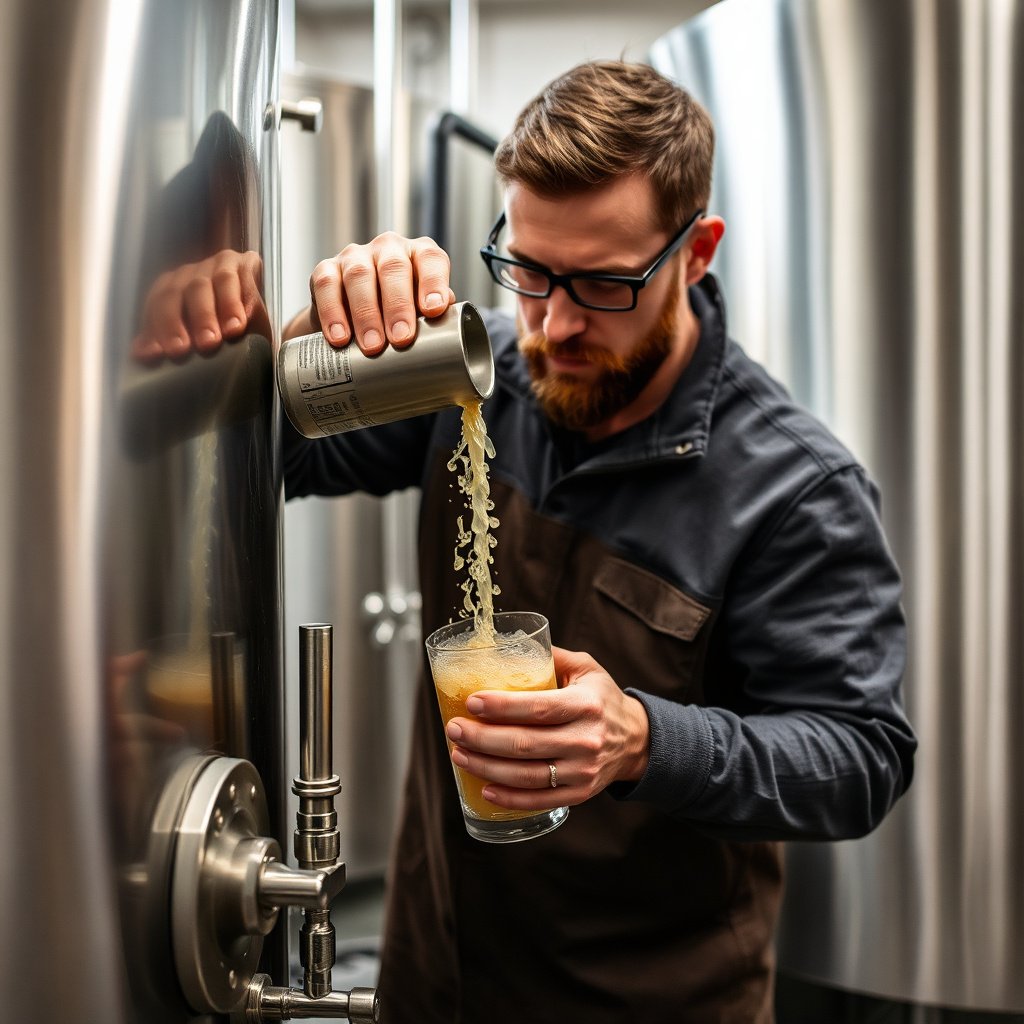
Sour beer production differs from typical beer brewing by employing wild yeast strains like Brettanomyces and bacteria such as Lactobacillus and Pediococcus. These microbes ferment sugars differently than standard brewer’s yeast, breaking down complex carbohydrates to produce lactic acid, which imparts the signature sourness.
The timing of microbial additions varies; some brewers introduce the bacteria at the start, while others allow a primary yeast fermentation before adding souring agents. This control affects intensity, flavor complexity, and the presence of funk or earthy notes.
- Lactobacillus produces clean lactic acid tartness
- Brettanomyces adds funky, barnyard aromas
- Pediococcus can create more complex acidity and texture
Methods to Create Sourness
There are several techniques to sour beer, including kettle souring, mixed fermentation, and barrel aging. Kettle souring involves souring the wort before boiling by heating and adding bacteria, which is faster and more controlled. Mixed fermentation relies on open fermentation or slow aging with wild microbes.
Barrel aging further develops acidity and complexity, allowing oxygen and native microbes to interact over months or years. Each method yields different levels and qualities of sourness.
- Kettle souring: rapid, controlled souring
- Mixed fermentation: complex layers from wild yeast blending
- Barrel aging: long maturation, integration of flavors
Key Styles Within the Sour Beer Category

Traditional European Sour Styles
Classic sour beers include Belgian Lambics, Gueuze, Flanders Red Ale, and Berliner Weisse. Lambics undergo spontaneous fermentation in cool, open-air vessels with native microbes, offering a dry, tart, and funky character. Gueuze is a blend of young and old Lambics, adding complexity.
Flanders Red Ale uses barrel aging for balanced acidity and fruity notes, while Berliner Weisse presents a light, refreshing sourness often accented with fruit syrups in Germany.
- Lambic: spontaneous fermentation, highly funky
- Gueuze: blended Lambics, layered sourness
- Flanders Red: barrel-aged, rich fruit acidity
- Berliner Weisse: low alcohol, crisp sourness
For more on this, see our related guide: What Is the Best Craft Beer? Top Picks and Expert Selection Guide.
Modern Sour Beer Variants
Contemporary craft breweries have expanded sour beer beyond traditional styles with innovations like sour IPAs, sour stouts, and fruit-infused sours. These beers blend traditional souring techniques with new ingredients and hop profiles to create diverse experiences.
Fruit additions—such as cherries, raspberries, or peaches—enhance tartness and add natural sweetness, balancing acidity. Sour IPAs combine hop bitterness with tartness, creating an appealing dual flavor.
- Sour IPAs: hoppy and acidic contrast
- Fruit sours: intensified tartness with natural fruit flavors
- Sour stouts: dark, roasty, with unexpected tang
Tasting and Pairing Sour Beers
Sour Beer Flavor Profiles
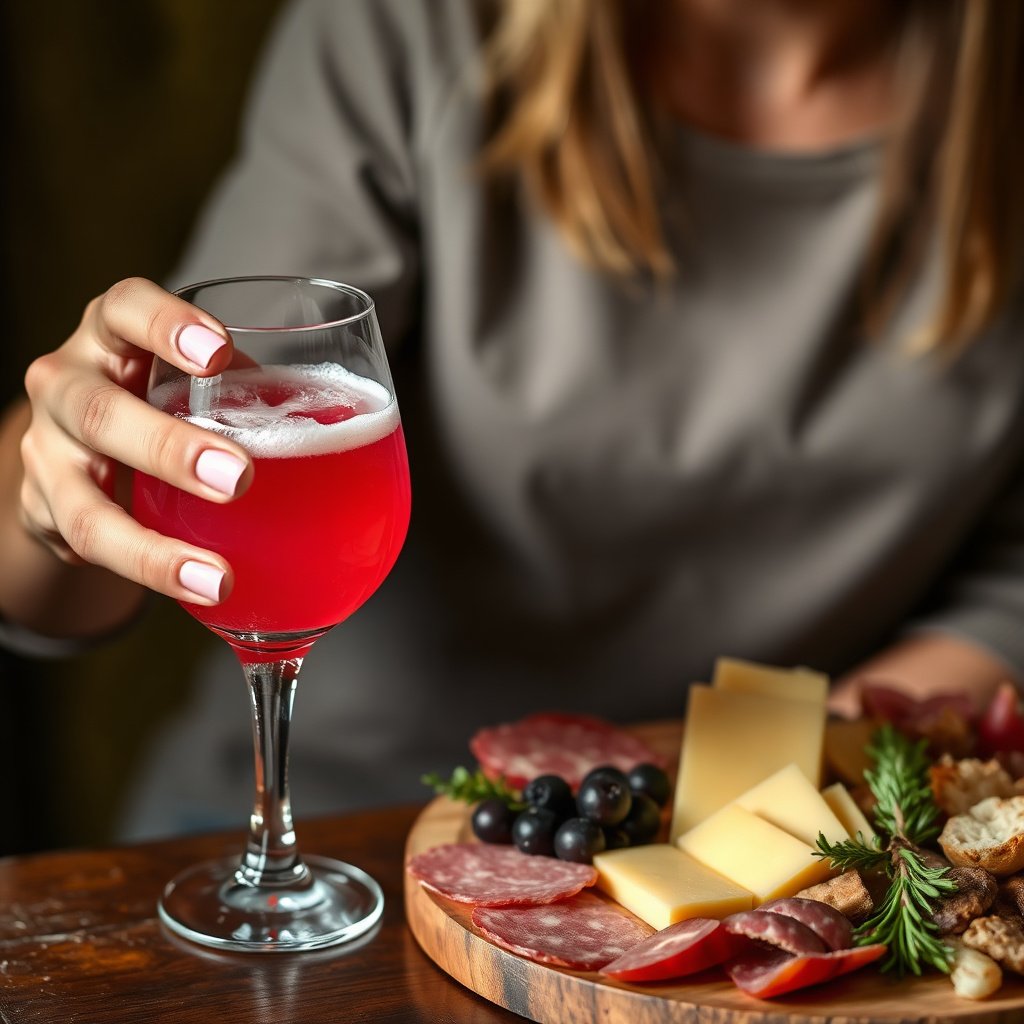
Sour beers range from mildly tart and refreshing to sharply acidic with complex funk. Taste elements include citrus-like brightness, green apple acidity, funky barnyard aromas, and layered malt sweetness. Texture varies from light and effervescent to full-bodied and smooth.
Evaluating sour beers involves observing balance: acidity should complement rather than overwhelm maltiness and hop bitterness. Palates will find surprising nuances with each sip.
Food Pairings to Complement Sour Beer
The vibrant acidity of sour beers pairs well with rich, fatty foods like pork belly, charcuterie, and creamy cheeses that contrast and balance tartness. They also accompany spicy cuisines, enhancing flavors while cooling heat.
Fruity sour styles suit desserts and fresh salads, while stronger barrel-aged sours partner with roasted meats and sharp cheeses for depth.
- Pair with creamy cheeses like Brie or goat cheese
- Try alongside spicy dishes such as Thai or Mexican food
- Balance rich meats like duck or pork belly
Storing and Serving Sour Beer
Proper Storage Conditions
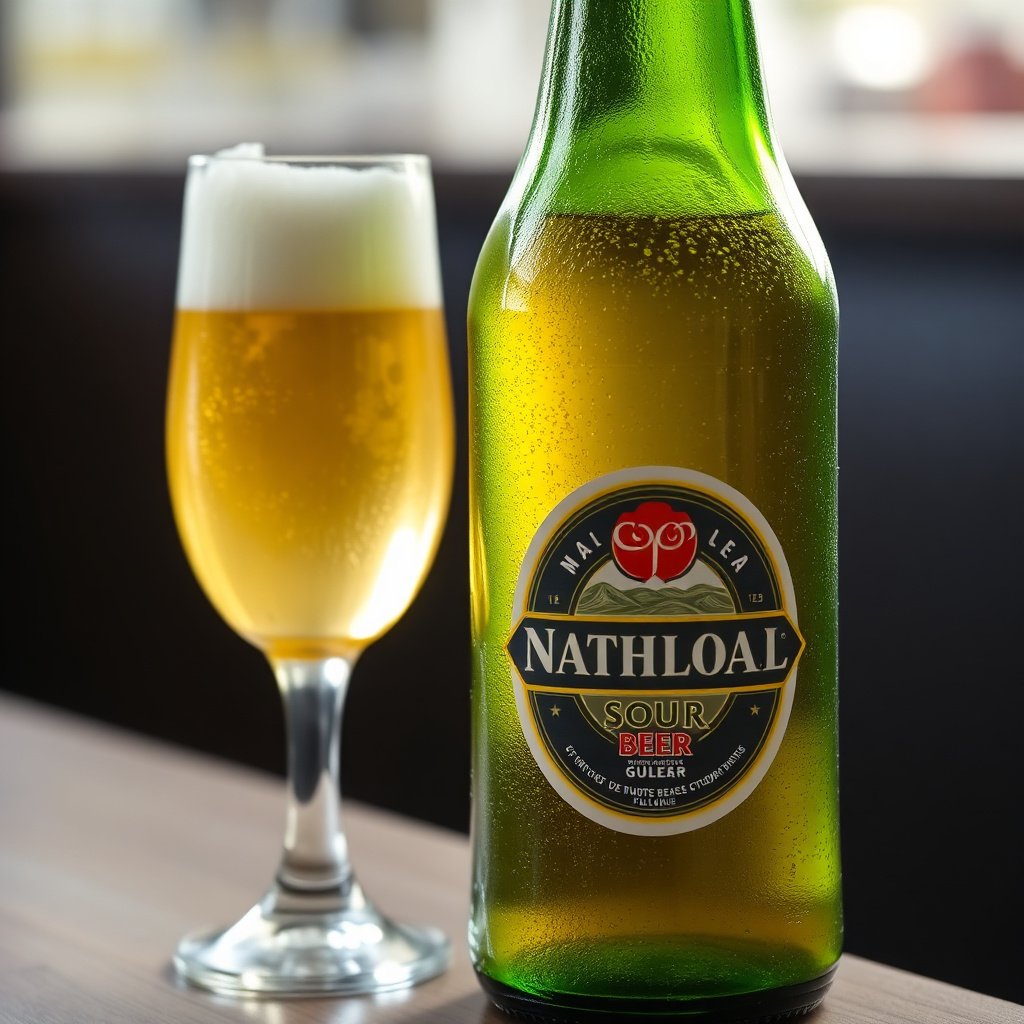
Sour beers benefit from cool, stable temperatures typically between 45-55°F (7-13°C). This slows aging and preserves intended sour characters. Many sours are bottle-conditioned, so storing them upright prevents sediment disruption and maintains clarity.
Avoid excessive heat or direct sunlight, which can degrade flavor and introduce off-notes. Some barrel-aged sours improve with additional aging if stored properly over time.
For more on this, see our related guide: How to Pick a Beer at a Bar: 8 Smart Steps for Confident Choices.
Best Serving Practices
Serve sour beer slightly chilled, generally between 40-50°F (4-10°C), depending on style. Too cold dulls flavor; too warm accentuates acidity and funk. Glassware like tulip or wine glasses helps capture aromas and showcase carbonation.
Pour gently to retain effervescence while leaving sediment behind if bottle-conditioned. Presenting sour beer at its best allows drinkers to experience its complex flavor and lively mouthfeel.
Popular Sour Beers and Breweries to Explore

Noteworthy European Breweries
Established breweries like Cantillon and Brouwerij 3 Fonteinen in Belgium produce iconic traditional sours such as Lambics and Gueuze, revered by beer enthusiasts worldwide. These historic operations maintain centuries-old spontaneous fermentation methods for authentic flavor.
Germany’s Berliner Kindl specializes in Berliner Weisse, preserving this refreshing style’s heritage. Belgian and German sour beers remain a baseline for those new to the category.
- Cantillon: Lambics and Gueuze
- 3 Fonteinen: traditional spontaneous ferments
- Berliner Kindl: Berliner Weisse classics
For additional historical context and brewing details, you can explore the detailed Sour beer article on Wikipedia. Sour beer on Wikipedia.
Leading Craft Breweries Innovating in Sours
U.S. craft breweries like The Bruery, Jester King, and Russian River Brewing Company have expanded sour beer creativity with mixed fermentation, fruit additions, and hybrid styles. Their offerings showcase sour beer’s versatility and modern appeal.
These brewers have made sour beer a prominent part of the craft scene, producing award-winning and widely sought-after bottles ideal for enthusiasts seeking new experiences.
- The Bruery: complex barrel-aged sours
- Jester King: farmhouse-style mixed fermentation
- Russian River: blends and fruit-infused sours
Sour Beer Style Comparison
A comparison of different sour beer styles highlights their unique attributes, brewing methods, and flavor profiles.
| Style | Sourness Level | Fermentation Method | Typical ABV | Common Flavor Notes |
|---|---|---|---|---|
| Lambic | High | Spontaneous fermentation | 5-6% | Funky, barnyard, dry tartness |
| Berliner Weisse | Medium | Kettle souring and yeast | 3-4% | Light, crisp, lemony sourness |
| Flanders Red Ale | Medium-High | Mixed fermentation and barrel aging | 5.5-6.5% | Fruity acidity, malt sweetness |
| Sour IPA | Medium | Mixed fermentation plus dry hopping | 6-7% | Hoppy bitterness with tartness |
| Fruit Sour | Variable | Mixed fermentation with fruit | 4-7% | Fruity, tart with natural sweetness |
Frequently Asked Questions
Is sour beer safe to drink despite the bacteria used?
Yes, sour beer is safe. The bacteria and wild yeast used are harmless to humans and produce beneficial acids and flavors during fermentation, similar to other fermented foods.
Does sour beer taste like vinegar?
Sour beer has an acidic tang that can resemble vinegar but is usually more balanced with malt sweetness, fruity aromas, and complex flavors, making it much more pleasant.
Can sour beer go bad over time?
Sour beers often improve with age if stored properly, but excessive heat or oxygen exposure can cause off-flavors. Proper fridge storage preserves their qualities.
Are sour beers alcoholic?
Yes, sour beers contain alcohol, typically ranging from 3% to 7% ABV, depending on style and brewing technique.
Which foods pair best with sour beers?
Sour beers pair well with rich, fatty foods, spicy dishes, and tangy cheeses, as their acidity balances heavier flavors and cuts through richness.
Key Takeaways
- Sour beer is intentionally brewed with wild yeast and bacteria for tartness.
- Traditional styles like Lambics and Berliner Weisse highlight classic sour profiles.
- Modern sour variants offer creative fruit additions and hybrid flavors.
- Serving temperature and food pairings enhance the sour beer experience.
Conclusion
When trying to understand what is a sour beer, the best way is to recognize it as a product of intentionally introduced microorganisms that create a distinct and refreshing tartness. This acidity, paired with varied fermentation methods and aging, results in beverages ranging from lively and bright to complex and funky. Deciding on the right sour beer involves considering flavor intensity, your palate preferences, and pairing options.
For beginners, traditional European styles like Berliner Weisse or a mild Flanders Red Ale offer approachable introductions to sourness without overwhelming acidity. Enthusiasts looking for bolder experiences might explore barrel-aged Lambics or adventurous fruit-infused sours. The different brewing processes—kettle souring or spontaneous fermentation—also influence flavor complexity and sour intensity, so sampling across these categories broadens appreciation of the style.
If you're curious about experimenting with sour beers, start by visiting craft breweries with dedicated sour selections or sampling mixed packs that showcase diverse flavor profiles. Enjoying sour beer alongside suitable foods and serving it at the right temperature unlocks its unique qualities. The main keyword captures the essence here: know what is a sour beer to fully enjoy its vibrant character and brewing artistry.