What Is a Dry Aged Steak? A Complete Guide to Flavor, Aging & Cooking
Dry aged steak refers to beef that ages over a few weeks in a carefully refrigerated space, either hung or set on a rack. This aging improve flavor depth and tenderizes the meat as muscle fibers naturally break down and moisture reduces. Compared to fresh beef, dry aged steaks develop a deeper, more nuanced flavor, appealing to home cooks and steak lovers seeking a better eating experience.
This overview is for anyone curious about what is a dry aged steak and how aging changes its flavor and texture. You’ll also learn how long steaks typically age, the environmental conditions needed, and tips on cooking to maximize flavor, helping you make better choices when buying or preparing dry aged beef at home or in a restaurant.
Key Takeaways
- Dry age steak most commonly between 30 and 45 days for a balance of flavor depth and tenderness.
- Expect up to 30% weight loss during dry aging due to moisture evaporation from the meat.
- Dry aging for less than 14 days produces a milder, slightly richer flavor but lacks signature dry aged complexity.
- Proper dry aging requires low temperatures and controlled humidity to avoid mold and spoilage.
- Dry aging differs from wet aging by air exposure, which results in a more concentrated flavor and firmer texture.
- Ribeye and strip loin are the best cuts for dry aging because of their marbling and size.
What Is a Dry Aged Steak and How Is It Made
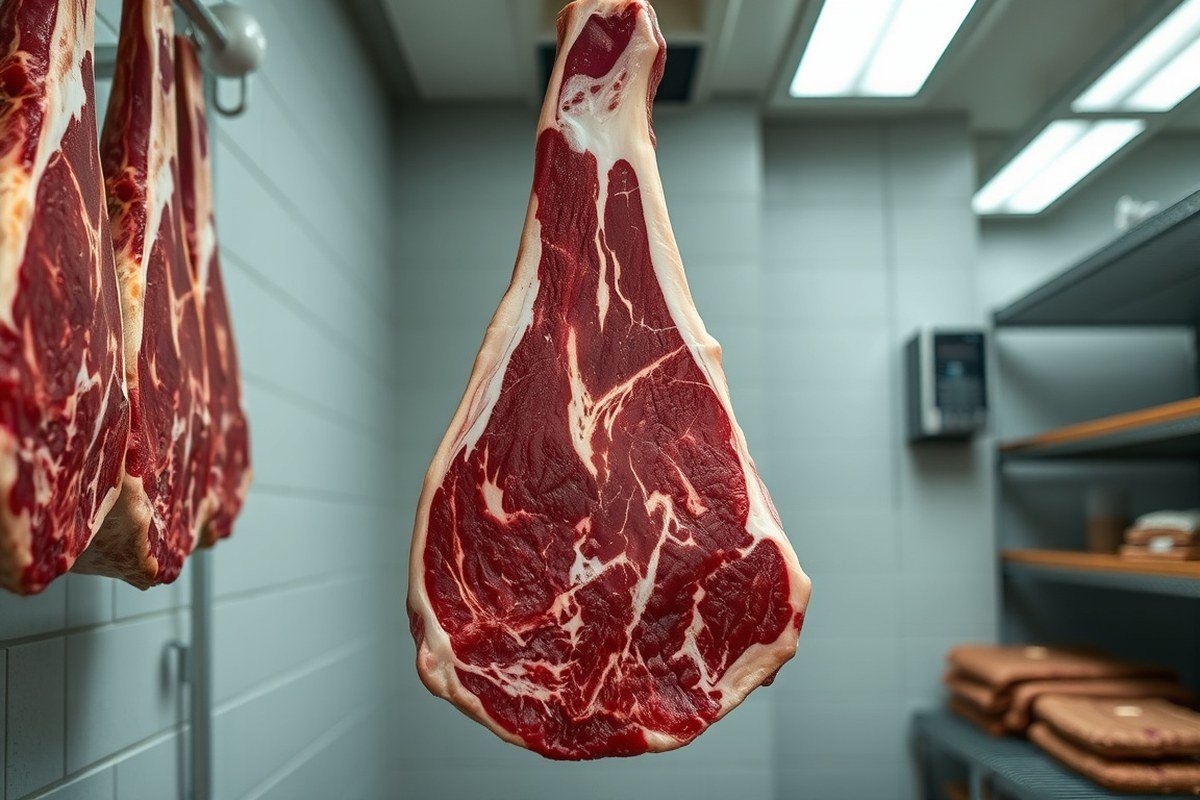
Dry aged steak is beef kept in a temperature- and humidity-controlled space for a few weeks to improve taste and tenderness. Large primal cuts are stored in a refrigerated room with good airflow. During this time, moisture leaves the meat’s surface, boosting its flavor, and enzymes naturally soften the muscle fibers and connective tissues. This process produces a steak that’s more tender and has a deeper, more complex flavor than fresh beef.
The dry aging process typically lasts between 3 to 8 weeks, depending on the flavor intensity and tenderness desired. To do it properly, temperature must be kept steady between 34°F and 38°F (1°C to 3°C) with relative humidity around 75 to 85 percent. Good airflow is essential to prevent spoilage and unwanted mold growth, which is why professional dry aging takes place in dedicated aging rooms. At home, a specialized mini fridge with proper humidity and ventilation can serve this purpose, but a regular refrigerator usually does not maintain the ideal conditions.
At the end of the aging period, the beef’s outer layer becomes dry and sometimes hard, so butchers trim away this crust to reveal the tender, deeply flavored steak inside. This trimming process is necessary to remove any surface desiccation or mold that may have formed, ensuring only desirable meat remains. The tenderizing effect comes from enzymes breaking down collagen, making even naturally tougher cuts softer without losing the characteristic steak structure. This process takes longer than wet aging but delivers a distinct texture and flavor profile that many enthusiasts prefer.
People dry age beef to enjoy steaks that are tenderer and carry a more intense, beefy flavor which fresh or wet-aged meat typically lacks. The cost is higher due to weight loss from moisture evaporation and the need for precise environmental controls. Results can vary based on variables like time, temperature, and humidity, so careful monitoring is essential. Poor execution of dry aging can cause unwanted tastes or mold growth, which spoils the quality of the steak. Properly dry aged steak offers a premium eating experience sought after by grill lovers and steak fans looking for a far richer taste.
How Dry Aging Changes Steak Flavor and Texture
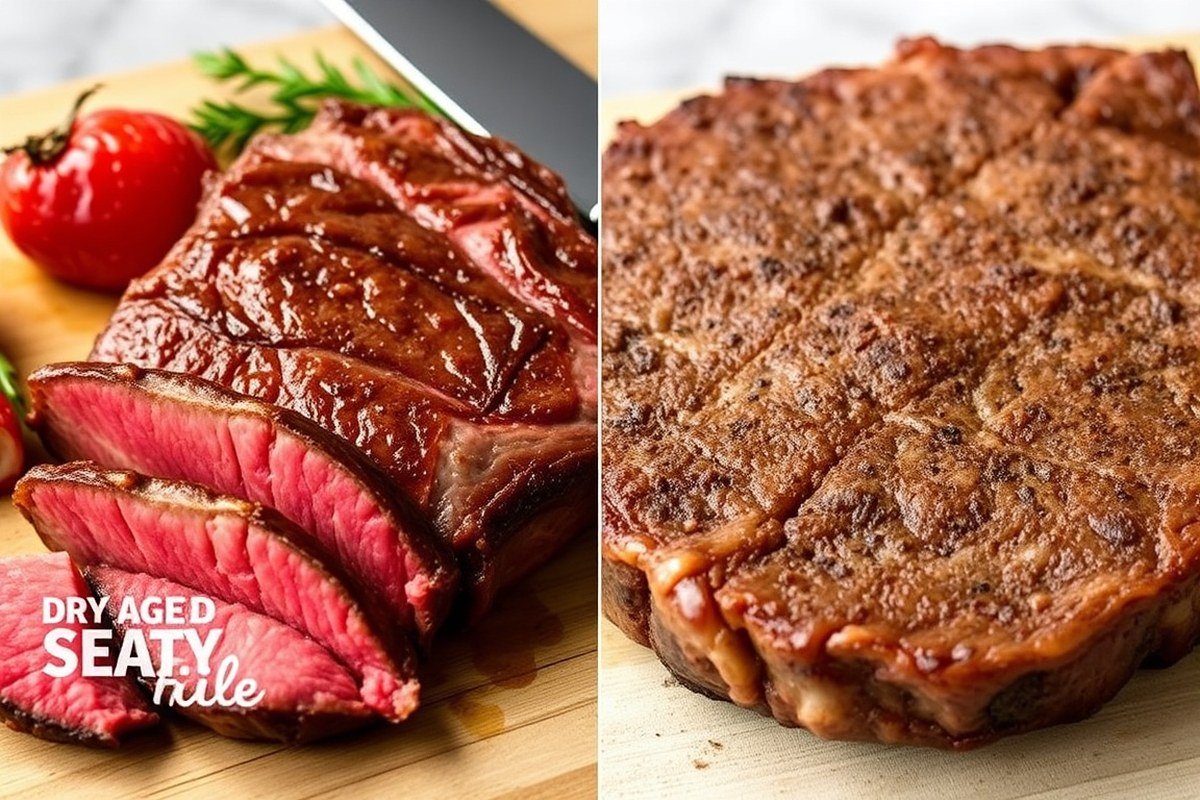
The dry aging process transforms steak flavor and texture through chemical changes that break down proteins and concentrate juices. As natural enzymes work on the beef, the taste sharpens, developing deep, nutty flavors, while the meat itself becomes more tender and buttery in texture. This transformation explains why dry aged beef offers a rich flavor profile and mouthfeel distinct from fresh steak.
Enzymatic Breakdown and Tenderness
Natural enzymes present in beef, especially proteases, slowly break down muscle fibers during dry aging. This enzymatic activity starts shortly after slaughter and continues in the refrigerated environment where dry aging occurs. The breakdown of these proteins helps loosen the muscle structure, making the steak noticeably more tender after about 30 days of aging.
The breakdown also produces smaller peptide molecules and amino acids, which change the texture to a more delicate, almost buttery mouthfeel. However, this tenderness doesn’t develop overnight. The process typically requires a minimum of two to three weeks and peaks between 30 and 60 days for the best combination of softness and flavor complexity.
Moisture Loss and Flavor Concentration
During dry aging, moisture evaporates from the meat’s surface, causing the steak to lose 10% to 15% of its weight depending on the length of aging. This moisture loss reduces water content within the muscle, concentrating the natural beef flavors and intensifying the aroma. As a result, the taste profile becomes richer, deeper, and more savory than fresh beef.
This concentration effect also concentrates fats and amino acids, which contribute to the umami and strong flavor in dry aged steak. The dry aged flavor is often described as “beefier” and more complex, with subtle earthy and nutty notes emerging after 30 days or more.
Development of Unique Flavor Compounds
Dry aging promotes chemical reactions that produce unique compounds such as peptides and sugars that fresh beef does not have. These compounds give dry aged steaks a distinctive nutty or cheese-like flavor, noticeable after about 30 days but becoming more pronounced with longer aging, especially beyond 60 days.
The complexity of these flavors comes from enzymatic activity as well as mild oxidation and beneficial surface molds that develop in the controlled environment. These molds help create a crust that protects the meat inside while contributing to flavor changes. This contrast in taste makes dry aged beef stand apart from freshly cut steak, which typically has a brighter and more straightforward taste.
Changes in Aroma and Sensory Experience
The aroma of dry aged steaks evolves during the process, moving from the mild freshness of new beef to a deeper, muskier scent with more savory and sometimes nutty or earthy hints. This change occurs because of microbial activity and enzyme transformations releasing odor compounds not present in fresh beef.
These aromatic changes improve the sensory experience by complementing the steak’s intensified flavor, creating a fuller, multi-layered tasting event. Some people find these aromas highly appealing, while others might prefer the more straightforward aroma of fresh beef.
Proper environmental control during dry aging is important; too warm or too humid conditions can cause spoilage instead of the desired flavor and texture changes.
How Long to Dry Age Steak for Best Results
Dry aging steak requires patience, usually ranging from about two weeks up to three months, to reach ideal results. The most common timeframe is around 30 days, striking a balance between developing flavor and improving tenderness without risking spoilage. In the early stages, around 14 to 21 days, enzymatic breakdown begins. This process tenderizes the meat by breaking down muscle fibers and connective tissue. However, the flavor changes are subtle during this period, mostly making the steak slightly more mellow than fresh beef.
Between 28 and 40 days, the flavor becomes richer and stronger, often described as nutty, beefy, and sometimes slightly sweet. This window is preferred by many chefs and steak enthusiasts because it offers improve taste without moving into overly intense or funky territory. Tenderness continues to improve, but the key appeal in this phase is the development of complex aromas and a deeper flavor profile that dry aging uniquely imparts. The outer surface of the steak dries out significantly during this time, forming a crust that protects the meat inside but must be trimmed away before cooking. This trimming means you’ll lose about 15 to 30% of the original weight, adding to the overall cost of dry aged steak.
Aging beyond 40 days moves into a more intense and acquired flavor. At 45 to 60 days, the taste can become quite bold, sometimes described as gamey or earthy. This period suits those who seek a stronger character in their steak and aren’t put off by more pronounced changes in aroma and texture. Beyond 60 days, dry aging can continue to concentrate flavors, but the risk of the meat becoming overly dry or developing off-odors increases. It can start to smell more sour or rancid, signaling that it’s time to stop aging. You’ll want to closely inspect and smell the steak to avoid unpleasant results and make sure the environment remains ideal: around 34°F with controlled humidity and airflow.
Too long in dry aging doesn’t just affect flavor intensity; it also increases moisture loss, raising costs and reducing yield. The exterior crust thickens, requiring thicker trimming, which again reduces the edible portion you get. Because of these tradeoffs, many producers and restaurants custom age beef to customer preferences, sometimes charging premium prices for longer-aged cuts. If you’re dry aging at home, start conservatively around 21 to 30 days and pay close attention as the days go by. A dry aged steak with strong flavor and good tenderness can be ready after about a month, but personal taste and willingness to trim extensively will guide the ideal duration for your kitchen.
Environmental Conditions Needed for Safe Dry Aging
Dry aging steak requires precise environmental control to avoid spoilage and develop the desired flavor and texture. Temperature plays the most important role: the aging process should take place between 32°F and 36°F. Temperatures lower than this slow the enzymatic activity that breaks down muscle fibers, while temperatures higher than this risk bacterial growth that causes spoilage.
Maintaining the right humidity level is equally important. Ideally, humidity should stay around 80% to 85%. When humidity drops too low, the outer surface of the steak will dry out excessively, forming a crust that can waste too much meat when trimmed. Excessively high humidity encourages bacteria and mold growth that compromises safety and flavor.
Airflow helps control moisture and temperature evenly around the steak and prevents harmful bacteria from settling on the surface. A gentle, consistent airflow is necessary. It should circulate enough to keep humidity stable and remove moisture from the meat’s exterior without drying it out too quickly. Dry aging rooms use specialty fans or ventilation systems designed to regulate this airflow precisely.
Recreating these conditions at home can be difficult because typical household refrigerators and freezers usually lack the climate control systems needed to balance temperature, humidity, and airflow simultaneously. Professional dry aging rooms invest in expensive climate control equipment to keep these factors stable for weeks or even months. For example, maintaining steady airflow networks and automated humidifiers comes with significant costs and expertise beyond typical consumer setups.
Good results show as uniformly aged meat with a firm but tender texture and a distinct nutty, concentrated flavor. The outer crust hardens and darkens, ready to be trimmed before cooking. Without proper control, meat can turn slimy, develop off smells, or simply lose moisture and weight without gaining desirable qualities.
Several factors affect how you manage these conditions. Aging only one or two small cuts in a large refrigerator makes humidity harder to maintain, so you’ll need extra humidity control tools or to adjust airflow. For longer aging periods beyond 30 days, careful monitoring of all three environmental factors is critical to avoid spoilage and maximize flavor development.
Differences Between Dry Aging and Wet Aging Beef
Wet aging preserves beef by vacuum-sealing it and letting it mature in its own juices. This process usually takes a shorter time, often around 7 to 14 days, and keeps the steak moist with a standard beefy flavor. The texture improves because natural enzymes tenderize the meat, but the flavor remains closer to fresh beef than when dry aged. Wet aging fits well if you want a tender steak without dramatically changing the taste or paying much extra.
Dry aging involves hanging beef in a controlled, refrigerated environment with specific humidity and airflow for several weeks. This method causes the meat to lose about 15% to 20% of its moisture, concentrating its flavor and intensifying its umami taste. The texture becomes uniquely tender with a distinct firmness and complexity that wet aging does not achieve. Dry aging is more costly due to weight loss and specialized storage but appeals to those who want a rich, bold flavor experience.
| Aspect | Wet Aging | Dry Aging |
|---|---|---|
| Method | Vacuum sealed in plastic, aged in own juices | Exposed to controlled air flow, humidity, and temperature |
| Time Required | 7 to 14 days | 30 days or more for noticeable flavor change |
| Flavor Profile | Standard beef flavor, subtle tenderness | Rich, intense, concentrated umami flavor |
| Texture | Tender but moist and soft | Firm yet tender with concentrated texture |
| Moisture Loss | Minimal | 15%-20% |
| Storage Requirements | Simple refrigeration with vacuum seal | Specialized dry aging environment with humidity control |
| Cost Impact | Lower cost | Higher cost due to moisture loss and specialized setup |
Always store dry aged beef in a temperature- and humidity-controlled environment to avoid spoilage and ensure safe aging.
Choosing between wet and dry aging depends on what you prefer in flavor and texture, along with your budget and patience. Wet aging suits cooks wanting tender, juicy beef without added cost or complexity. Dry aging shines for those seeking a bold, concentrated flavor and distinctive texture and who don’t mind paying more and allowing weeks for the process. Both techniques improve beef tenderness, but dry aging creates a more intense eating experience by reducing moisture and developing flavor through prolonged exposure to air.
Best Cuts for Dry Aging and Why They Matter
Primal cuts are the best choice for dry aging because they come in larger sizes and often retain their bone and fat cover. Cuts such as the ribeye, strip loin, and porterhouse work well for dry aging, given their substantial marbling and fat distribution. These characteristics help protect the meat during the aging process and contribute to flavor development. Using larger cuts also reduces the surface area exposed, allowing the dry aging to happen more evenly.
Fat cover is important when dry aging steak because it acts as a natural barrier, preventing the meat from drying out too much. The fat also helps preserve flavor and tenderness. For example, the fat surrounding a ribeye or a bone-in strip loin will slow moisture loss and support the development of the steak’s rich aroma and taste. This protective layer prevents the meat from becoming overly dry or tough during the weeks it spends hanging in the aging environment.
Bone-in cuts tend to dry age better than completely boneless ones. The bone serves as insulation, which slows moisture evaporation and protects the meat’s interior. Also, the bone can improve flavor by affecting how the muscle ages around it. A bone-in ribeye or porterhouse provides a firmer texture and rich flavor to the final steak. However, boneless cuts like strip loin or filet mignon can also be dry aged but usually require more careful handling to avoid excessive moisture loss since they lack this natural protection.
Marbling, the intramuscular fat dispersed throughout the meat, is another important factor. Higher marbling means more flavor and juiciness after aging. The fat in the marbling remains constant in volume even as the steak loses water during aging, effectively increasing the fat concentration per bite. This improves tenderness and adds the buttery texture that dry aged steaks are known for. Because dry aging intensifies fat flavors, it works best with steaks graded prime or choice, which feature significant marbling.
To dry age at home or through a butcher, pick larger subprimal cuts with a thick fat cap and bone still attached if possible. The meat should be refrigerated in a controlled environment between 34°F and 38°F with around 80% humidity. Using a moisture-permeable dry aging bag or hanging the meat in a dedicated dry aging refrigerator helps protect the exterior while allowing airflow. Expect to age the steak for 21 to 45 days, depending on your flavor and texture goals. Using prime or top choice grades also offers the best results to avoid spoilage or uneven tenderizing.
Avoid choosing leaner, boneless cuts with minimal fat or small steaks to dry age, as these dry out quickly and lack the fat needed to protect and improve flavor. Poorly selected cuts can end up too dry or overly funky. Dry aging requires patience, the right cut, and proper conditions to maximize the benefits of flavor concentration and tenderization.
How to Dry Age Beef at Home Safely and Effectively
You can dry age steak at home safely by creating a controlled environment with precise temperature and humidity settings. This process takes patience, attention to detail, and the right equipment to prevent spoilage and promote proper aging. Following a clear step-by-step setup and regular monitoring will help you achieve the desired dry-aged flavor and texture.
Choosing the Right Beef Cut
Start with a large, whole primal cut of beef, such as a ribeye or strip loin, rather than individual steaks. Dry aging requires a sizable piece because the outer layer will dry out and be trimmed away, leaving the tender, aged meat inside. Freshness is essential: select beef that is well-marbled and has been stored properly. Avoid pre-trimmed or vacuum-sealed steaks since dry aging needs exposure to air to develop the distinct flavors and texture.
Thicker cuts with ample fat coverage work best as the fat protects the meat during the aging process. Expect to lose about 15% of the weight through moisture evaporation and trimming. Having a whole section allows you to cut steaks to your preferred thickness after aging.
Setting Up Temperature and Humidity Controls
A dedicated refrigerator or a converted wine fridge is ideal for creating a stable aging environment. Maintain a temperature between 34°F and 39°F (1°C to 4°C). Lower temperatures slow down bacterial growth, reducing spoilage risks. Relative humidity should be kept between 60% and 80% to prevent excessive drying or mold growth. Too low humidity will dry the meat out without allowing proper aging, while too high encourages unwanted bacteria.
Specialized equipment like a temperature and humidity controller can automate this process, ensuring steady conditions 24/7. Place a small fan inside the unit to circulate air evenly, which helps maintain consistent drying and prevents hot spots where spoilage could start. Position the beef on a wire rack so air can flow fully around it, avoiding contact with surfaces where moisture can collect.
Regular Maintenance and Monitoring
Check the temperature and humidity readings daily to catch any fluctuations that could harm the beef. Adjust the controls if needed, and clear condensation if it appears inside the aging unit. Inspect the exterior of the beef regularly for any signs of unpleasant or slimy mold, which indicates spoilage. Healthy dry aging will produce a firm, dry outer crust with harmless white or light grey mold, which you will trim off before cooking.
Use a clean cloth to gently wipe excess moisture without damaging the surface if condensation forms on the beef. Avoid opening the aging space frequently, as this destabilizes the environment and introduces bacteria. Once the aging period is complete, trim away the tough outer layer before slicing steaks to enjoy the concentrated, tender dry-aged meat inside.
Cooking Tips for Dry Aged Steaks to Maximize Flavor
Cooking dry aged steaks requires careful attention to seasoning, cooking temperature, and resting to bring out their rich, unique flavors. Season the steak right before cooking and use high heat methods like grilling or pan-searing for the best results. Let it rest briefly after cooking to preserve juices and texture.
Preparing Steak Before Cooking
Season your dry aged steak just before cooking to avoid drawing out moisture that could weaken its concentrated flavor. A simple sprinkle of kosher salt and freshly ground black pepper works best to improve rather than mask the beef’s natural taste. Avoid heavy marinades or sauces that might overpower the deep, nutty notes developed during aging.
Make sure the steak is at room temperature before cooking by letting it sit out for about 30 to 45 minutes. This helps the steak cook evenly and prevents the outside from overcooking while the inside warms through. Pat the surface dry with paper towels to improve the sear and crust formation.
Recommended Cooking Temperatures and Methods
Use high heat cooking methods such as pan-searing on a cast iron skillet or grilling over a hot flame. Aim for an initial sear temperature of around 450°F to 500°F to lock in flavor and create a caramelized crust. After searing both sides for 2 to 3 minutes each, finish cooking the steak to your desired doneness using indirect heat on the grill or by lowering the skillet’s temperature.
Dry aged steaks are best cooked to medium-rare or medium (130°F to 140°F internal temperature) to appreciate the tender texture and complex flavors. Overcooking can cause the steak to dry out or lose its prized tenderness and nuanced taste, which is costly considering the premium price of well-aged beef.
Resting and Serving Suggestions
Once cooked, rest the steak at room temperature for 5 to 10 minutes before slicing. Resting allows the meat’s juices to redistribute evenly, keeping the steak moist and flavorful when cut. Use foil to tent the steak loosely if the room is cool, but do not wrap it tightly or let it sit too long, or the crust will soften and the steak might cool down excessively.
Serve the dry aged steak simply to highlight its flavor, consider just a light drizzle of olive oil or a small pat of compound butter. Avoid heavy sauces, which can mask the dry aged taste your careful cooking brought out.
Season your dry aged steak immediately before cooking to preserve its moisture and rich flavor; salting too early can draw out valuable juices.
Step-by-Step Action Plan for Dry Aging Steak at Home
Follow these steps carefully to dry age your steak safely and develop the desired flavors and texture.
- Before you start: Choose a well-marbled primal cut such as ribeye or strip loin and prepare a dedicated fridge with controlled temperature and airflow.
- Day 1: Wrap the steak loosely in cheesecloth or use a wire rack to expose air evenly; check that the fridge holds 34°F to 38°F with 80% humidity.
- After 7 days: Inspect the meat for any unusual odors or discoloration; a firm texture with a dry surface and clean smell means it’s aging properly.
- After 14 days: Taste a small cooked piece to gauge flavor development; you should notice nuttier, more intense beef notes.
- Day 21 to 28: Decide whether to continue aging based on taste preference; longer aging deepens flavor but reduces yield due to moisture loss.
- Before cooking: Trim the hardened outer crust carefully, leaving only the proper aged interior to cook.
- When cooking: Use high heat and avoid overcooking to preserve the steak’s tender texture and concentrated flavor.
Frequently Asked Questions
What Does Dry Aged Steak Taste Like Compared to Fresh Steak?
Dry aged steak tastes more intense and beefy with a nutty, slightly funky note. This comes from moisture loss and enzyme action during aging that concentrates flavor and softens texture.
Why Is Dry Aged Steak More Expensive Than Regular Steak?
Dry aged steak costs more due to weight loss from moisture evaporation and trimming waste during aging. The process also requires special storage and longer time, increasing labor and storage costs.
Can Dry Aged Steak Be Frozen After Aging?
Yes, freezing dry aged steak preserves its quality but may slightly reduce tenderness. Wrap it well to prevent freezer burn and thaw in the fridge for best results before cooking.
Is Dry Aged Steak Healthier Than Regular Steak?
Dry aged steak isn’t significantly healthier but may have a more concentrated nutrient profile due to moisture loss. Its improved digestibility from protein breakdown can aid digestion for some people.
How Can I Tell If a Dry Aged Steak Has Gone Bad?
Look for sour or ammonia-like odors and slimy surface texture. Dry aged steak smells strong but should not smell rancid or off. Trust your senses to avoid spoiled meat.
Can I Use Spices or Marinades on Dry Aged Steak?
Using spices or marinades is fine but best to keep it simple to let the dry aged flavor shine. Salt and pepper are usually enough to complement without overpowering the natural taste.
The Bottom Line
Dry aged steak offers a richer, more complex flavor and improved tenderness compared to fresh or wet-aged beef. Experience this difference by choosing quality cuts you can dry age with proper conditions or buy from reliable sources. Start by selecting your cut and planning a safe aging environment to explore dry aging at home or shop confidently for specially aged steaks at your local butcher or market.