How to Make Whipped Cream: A Step-by-Step Guide for Perfect Results
Making whipped cream at home is straightforward and rewarding. The key to how to make whipped cream lies in using cold heavy cream and whipping it until soft or stiff peaks form, depending on your preference. With basic tools like a mixing bowl and whisk or mixer, you’ll have fresh, creamy topping ready in minutes.
Whipped cream adds a light, airy texture and rich flavor to desserts, beverages, and breakfast dishes. Knowing how to make whipped cream lets you avoid store-bought versions that often contain stabilizers and preservatives. Freshly whipped cream tastes richer and can be customized with flavors like vanilla or sugar.
This article covers everything you need: selecting the best cream for whipping, the tools and techniques to whip cream properly, tips for flavoring and stabilizing your whipped cream, troubleshooting common problems, and storage advice for keeping it fresh and fluffy.
Choosing the Best Cream for Whipping
Understanding Cream Fat Content
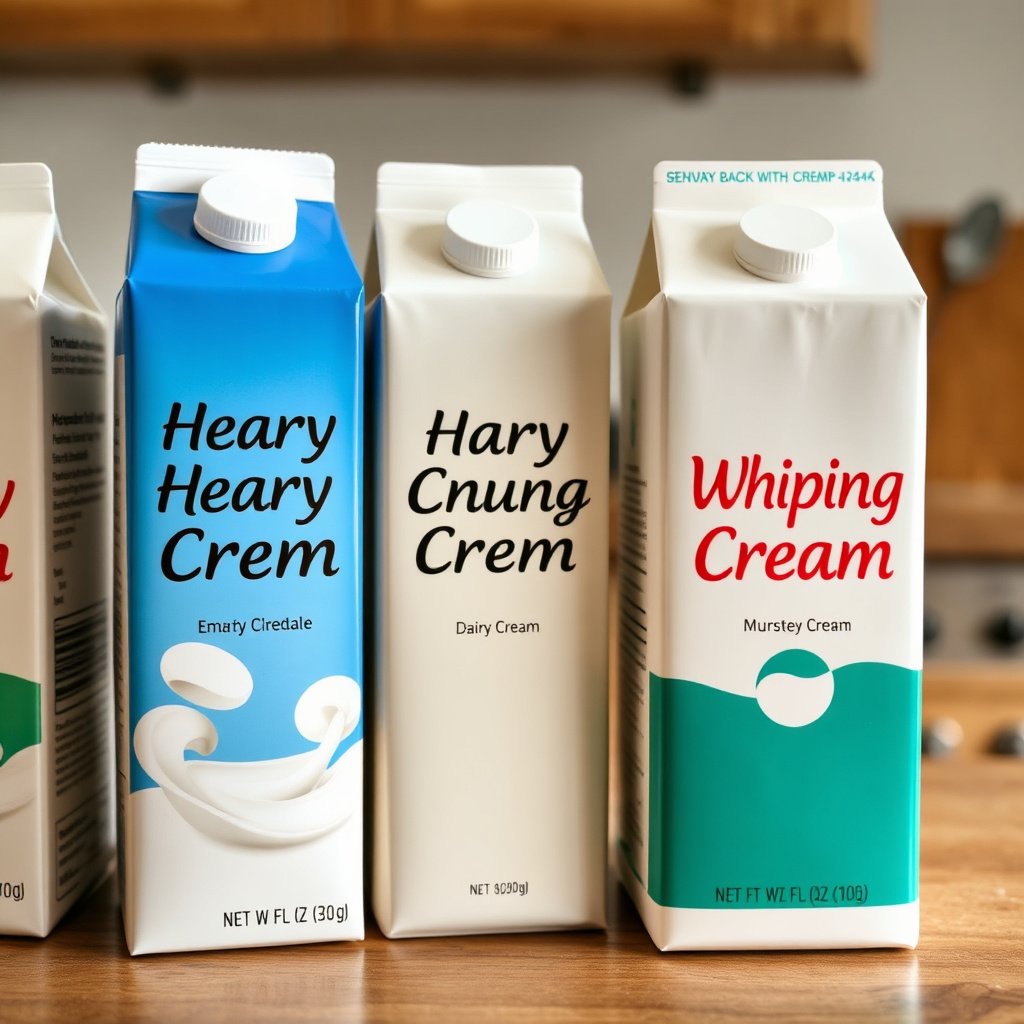
Cream with a fat content of at least 30% is required for making whipped cream because fat traps air and holds the cream’s structure when whipped. Heavy cream generally contains between 36-40% fat, which makes it ideal for stable, fluffy whipped cream. Whipping cream usually has slightly less fat, around 30-35%, resulting in softer peaks.
Using cream with lower fat content, like half-and-half or light cream, will not whip properly. The fat globules need to be high enough to form stable networks that trap air bubbles, creating volume and texture.
- Heavy cream: 36-40% fat, best for firm peaks
- Whipping cream: 30-35% fat, good for soft peaks
- Avoid low-fat creams for whipping
Freshness and Temperature Matter
Fresh cream improves flavor and whipping performance. Avoid creams close to expiration as they may not whip well or may taste sour. Also, cold cream whips better because fat molecules are more solid at lower temperatures, which helps form stable air pockets.
Chill your cream, mixing bowl, and whisk or beaters in the refrigerator for at least 15-30 minutes before whipping. This ensures a colder environment, leading to faster whipping and better cream stability.
- Use fresh cream for best flavor
- Keep cream and tools well chilled
- Refrigerate equipment before whipping
Tools and Techniques for Whipping Cream
Using Manual and Electric Whisking Methods
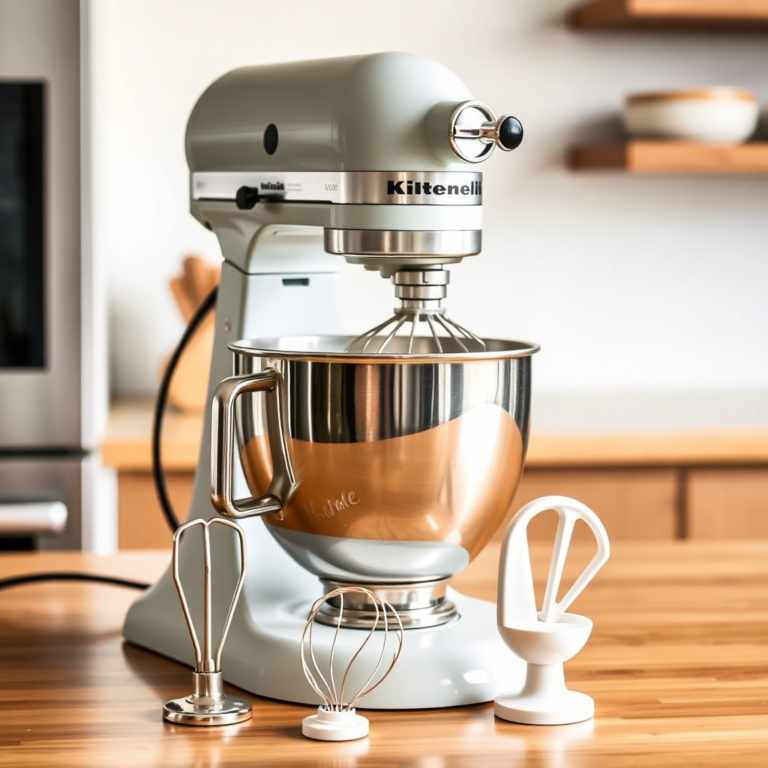
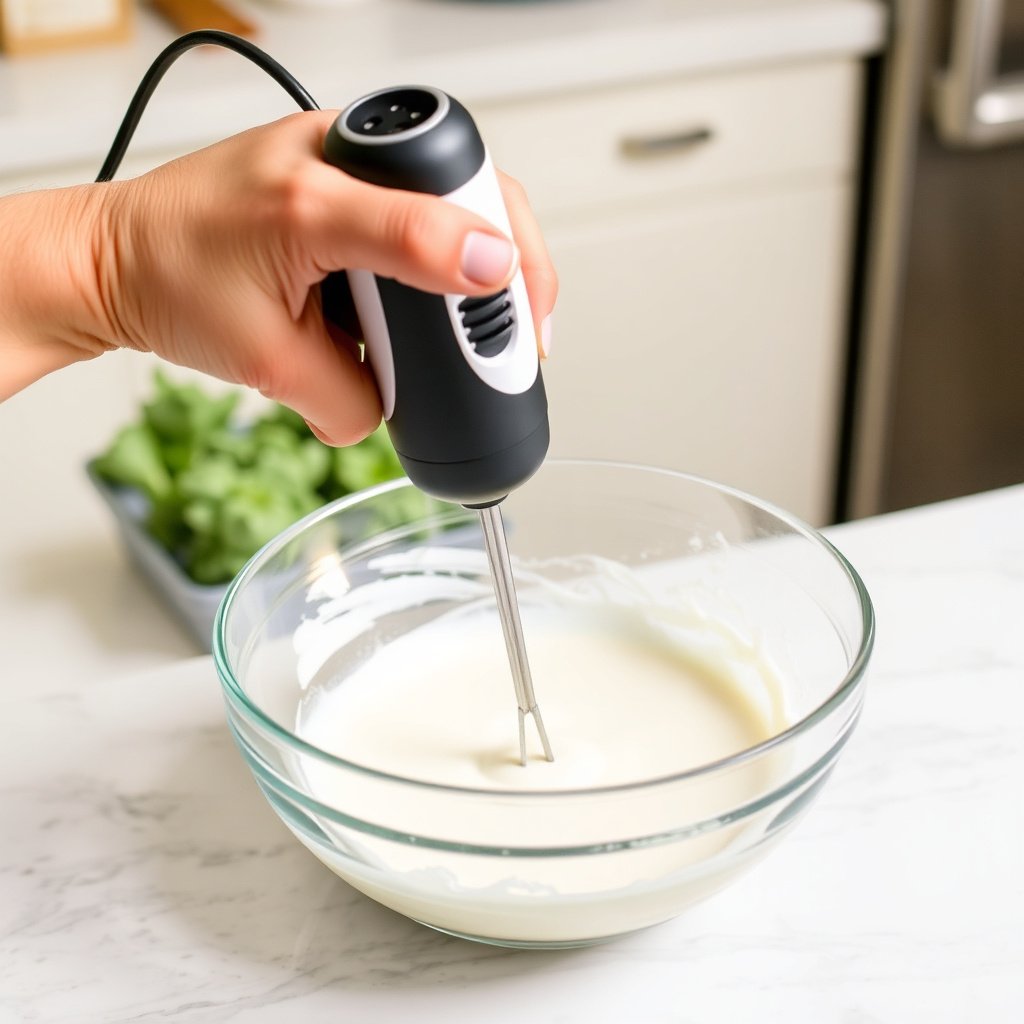
You can whip cream using a hand whisk, stand mixer, or electric hand mixer. Manual whisking requires more effort and time but gives you control over the process. Electric mixers speed up whipping and are convenient for larger quantities or firmer peaks.
Whisk or beat cream at medium to high speed. Start slow to avoid splashing, then increase speed as the cream thickens. Watch for visual cues—soft peaks will gently hold shape; stiff peaks stand firmly without drooping.
- Hand whisk: best for small amounts, requires patience
- Electric mixer: faster, easier control over peak stiffness
- Stand mixer: ideal for large batches
For more on this, see our related guide: How to Make French Toast: A Complete Guide for Perfect Results.
Signs to Stop Whipping
Overwhipping cream causes it to separate into butter and buttermilk, resulting in a grainy texture and loss of volume. To avoid this, stop whipping once stiff peaks form but before the cream becomes grainy or clumpy.
If you accidentally overwhip, quickly add a tablespoon of fresh cream and gently fold it in to restore smoothness, though the texture may not be perfect. Timing and close observation are key.
- Soft peaks: cream holds shape but droops
- Stiff peaks: hold shape firmly without falling
- Stop before grainy texture develops
Flavouring and Stabilizing Whipped Cream
Adding Sweeteners and Flavors
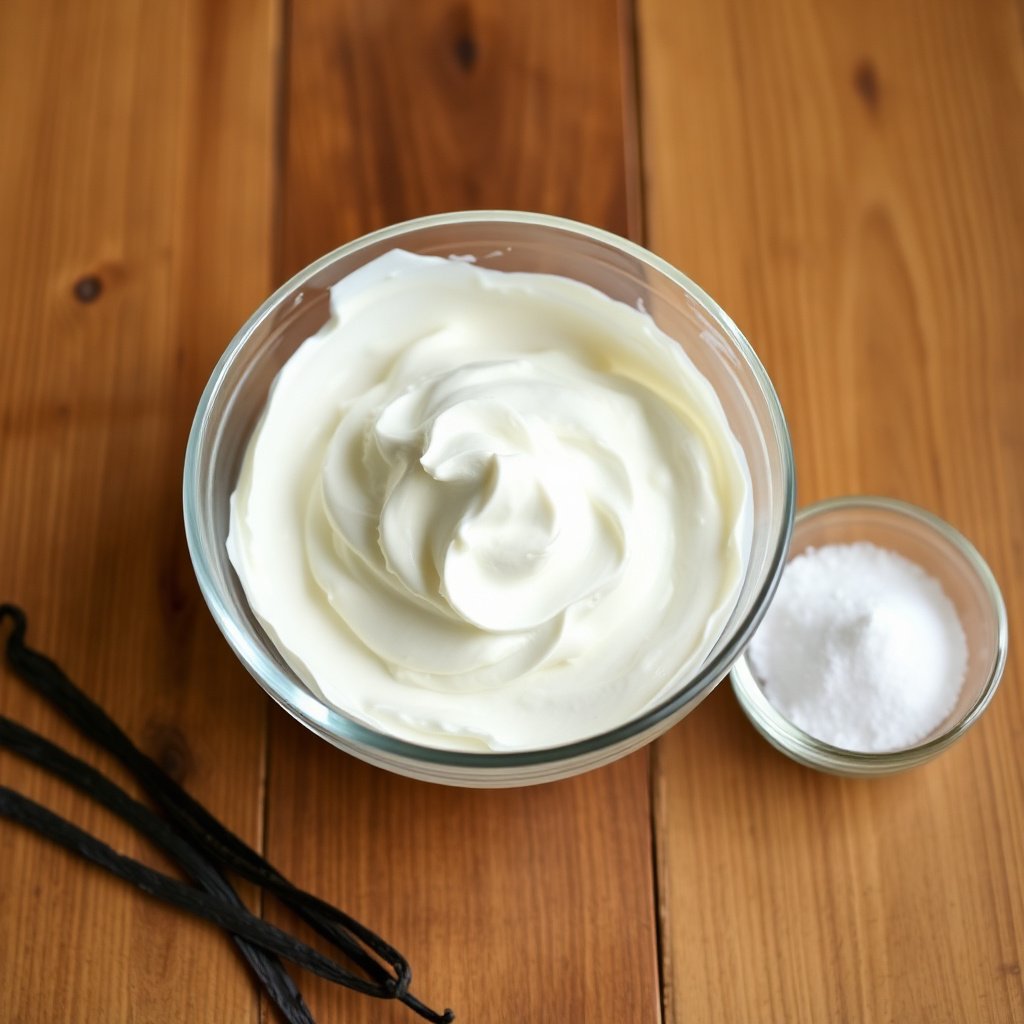
To make sweetened whipped cream, add powdered sugar or granulated sugar along with flavor extracts like vanilla, almond, or citrus zest during whipping. Powdered sugar dissolves more readily than granulated sugar, giving a smoother texture.
Start whipping cream first, then add your chosen sweetener and flavorings as the cream thickens, blending gently to avoid deflating the air bubbles.
- Powdered sugar for smooth sweetness
- Vanilla extract is the most popular flavor
- Try almond extract or citrus zest for variety
Stabilizing for Longer Freshness
Whipped cream can deflate quickly. To stabilize it for extended use, especially in desserts or piping, mix in a small amount of cream cheese, gelatin, or commercial stabilizers. Gelatin requires dissolving in warm water and cooling slightly before adding.
Stabilized whipped cream holds peaks longer, resists weeping, and can be stored a bit longer in the fridge without losing texture.
- Use gelatin for firmness and longevity
- Cream cheese adds flavor and structure
- Commercial stabilizers offer convenience
Common Issues and Troubleshooting in Making Whipped Cream
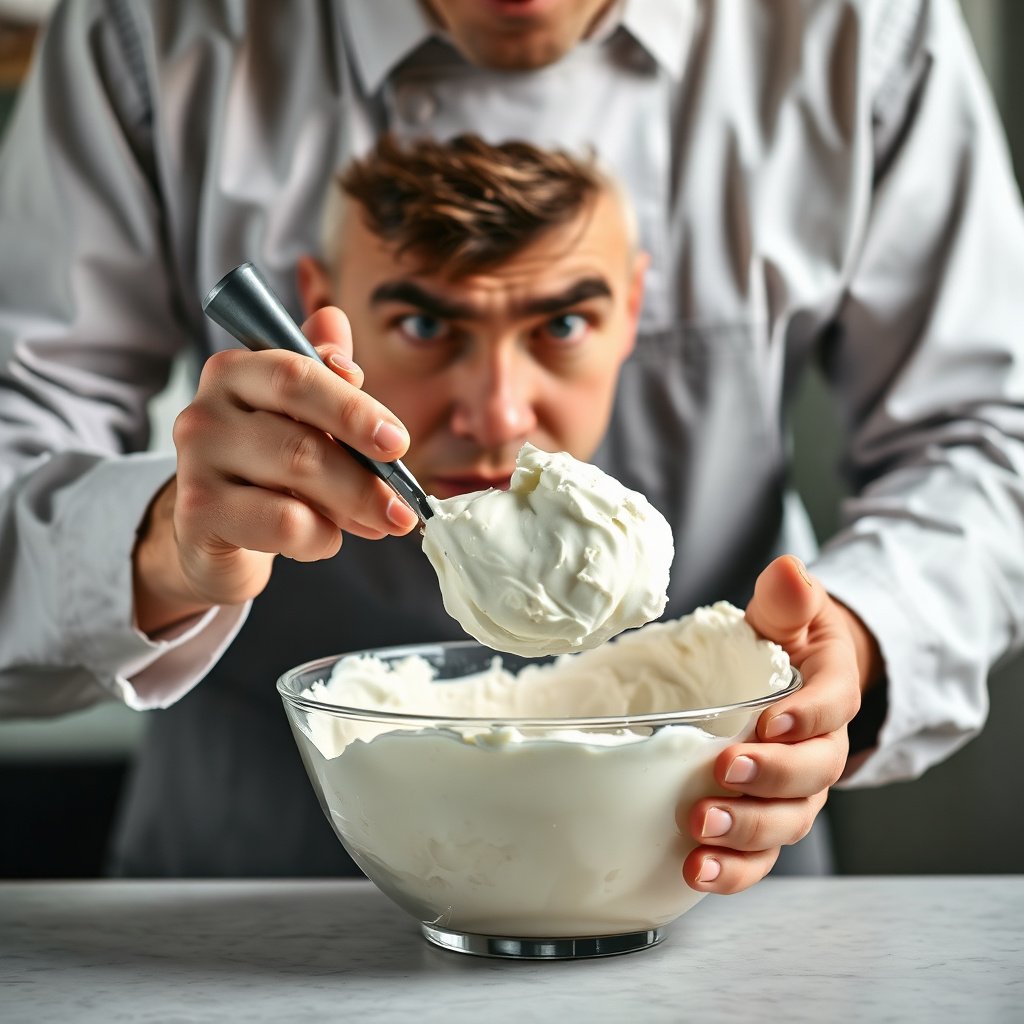
Why Isn’t My Cream Whipping?
If cream isn’t whipping, it might not have enough fat, or it could be too warm. Low-fat creams won’t hold air and remain liquid. Also, warm environments reduce cream firmness.
Make sure your cream has at least 30% fat and chill your cream and tools for at least 15 minutes to help trap air efficiently.
- Check fat content: minimum 30%
- Chill cream and utensils thoroughly
- Avoid overfilling your mixing bowl
For more on this, see our related guide: How to Make Banana Pudding That’s Creamy and Perfect Every Time.
How to Fix Overwhipped Cream
Overwhipped cream separates into butterfat and liquid buttermilk, losing smooth texture. To fix it, slowly add a tablespoon of fresh heavy cream and fold gently to blend back the texture. This works best immediately after noticing overwhipping.
If completely separated, the mixture may be better used for making homemade butter or savory recipes instead of whipped cream.
Storage and Usage Tips for Whipped Cream
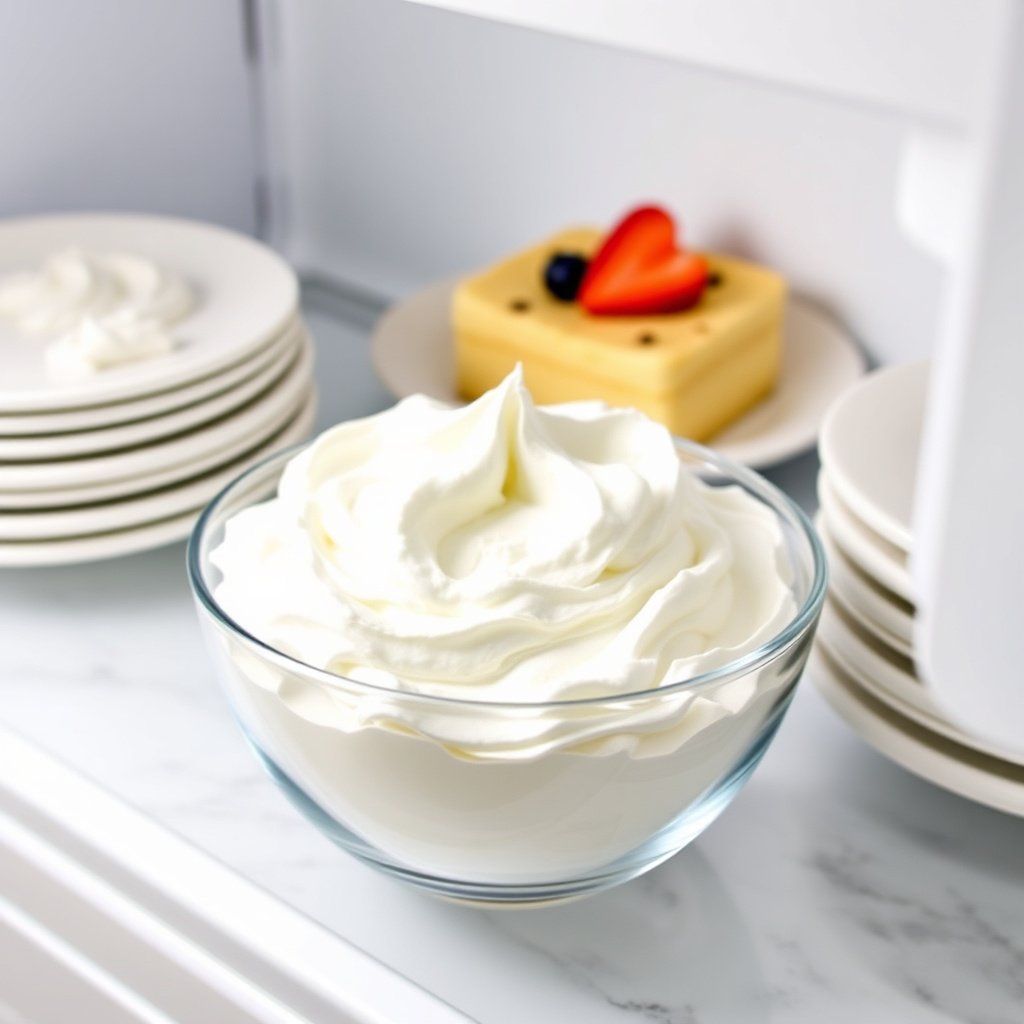
Short-Term and Long-Term Storage
Fresh whipped cream should be refrigerated and ideally used within 24 hours for best texture and flavor. Cover the bowl tightly with plastic wrap or store in an airtight container to prevent absorbing odors.
For longer storage, whipped cream can be frozen in dollops on a baking sheet, then transferred to a freezer bag. Although texture changes slightly, frozen whipped cream works well as a topping for hot drinks or desserts.
- Store airtight in refrigerator up to 24 hours
- Freeze dollops for up to 2 months
- Thaw gently before use
For more detailed information on whipped cream, see the Whipped cream article on Wikipedia. Whipped cream on Wikipedia.
Using Whipped Cream Creatively
Beyond topping pies and cakes, whipped cream enhances beverages like coffee, hot chocolate, or fruit smoothies. It can be piped decoratively on desserts or folded into mousses and frostings for lightness.
Flavored whipped cream, such as chocolate or coffee-infused versions, offers interesting twists for seasonal treats or elegant presentations.
- Use as coffee or hot chocolate topping
- Fold into mousses or frostings
- Add flavors for creative desserts
Types of Cream for Whipping Compared
This table compares common cream types used for making whipped cream, highlighting fat content, whipping ability, and typical uses.
| Cream Type | Typical Fat Content | Whipping Ability | Best For |
|---|---|---|---|
| Heavy Cream | 36-40% | Excellent – holds stiff peaks | Firm, stable whipped cream |
| Whipping Cream | 30-35% | Good – soft to medium peaks | Light whipped toppings |
| Light Cream | 18-30% | Poor – rarely whips up | Pouring cream, not for whipping |
| Half-and-Half | 10-18% | No – does not whip | Coffee or cooking cream |
| Double Cream (UK) | 48%+ | Excellent – very stable | Thick, rich whipped cream |
Frequently Asked Questions
Can I use regular milk instead of cream to make whipped cream?
No, regular milk does not contain enough fat to whip. Heavy cream or whipping cream with at least 30% fat is necessary to trap air and create volume.
How long does homemade whipped cream last in the refrigerator?
Freshly made whipped cream keeps best for about 24 hours when stored tightly covered in the refrigerator. It may lose volume and texture after that time.
What causes whipped cream to become grainy or separate?
Overwhipping breaks down fat molecules, causing cream to separate into butter and buttermilk, leading to a grainy, clumpy texture.
Is it better to use powdered sugar or granulated sugar for whipped cream?
Powdered sugar dissolves more easily and produces smoother whipped cream, making it preferable to granulated sugar.
Can whipped cream be flavored?
Yes, you can add vanilla extract, almond extract, citrus zest, or even cocoa powder during whipping to create flavored whipped cream.
Key Takeaways
- Use heavy cream with at least 30% fat for best whipping results
- Keep cream and tools cold to whip faster and hold peaks
- Stop whipping once soft or stiff peaks form to avoid separation
- Flavored and stabilized whipped cream holds longer for desserts
Conclusion
When learning how to make whipped cream, selecting the right cream with sufficient fat content and maintaining cold temperature are foundational. The physical process of whipping incorporates air and builds structure, so paying close attention to peak formation ensures smooth, fluffy results. Avoiding overwhipping preserves texture and helps you create whipped cream that enhances your dishes beautifully.
Depending on your needs, use heavy cream for firm, stable whipped cream suitable for cakes and piping. Whipping cream offers a lighter alternative with softer peaks, ideal for simple toppings. You can customize whipped cream with flavorings or stabilizers to extend freshness or introduce unique tastes, elevating your homemade desserts or beverages.
Ready to make your own whipped cream? Start by chilling your cream and equipment well, whip just until peaks form, and experiment with subtle flavors or stabilizers if desired. With practice, you'll consistently create delicious, fresh whipped cream that impresses both in taste and texture.