How to Thaw a Steak Fast: Effective Methods for Quick Defrosting
The fastest way to thaw a steak is by using the cold water bath method, which typically takes 30 minutes to an hour, depending on steak thickness. Simply place the steak in a sealed plastic bag and submerge it in cold water, changing the water every 20-30 minutes. This method is safe and prevents the steak from starting to cook or spoil.
Thawing steak quickly matters because slow defrosting in warm water or at room temperature can lead to bacterial growth or uneven texture. Conventional thawing in a refrigerator takes hours or overnight, which may not suit last-minute meal plans. The cold water method balances speed and food safety without sacrificing the steak's flavor or tenderness.
This article will explain the various methods to thaw a steak fast, including the cold water bath, microwave defrosting, and when it's best to plan ahead with refrigerator thawing. We will also cover important safety tips, the differences in steak thickness, and how to maintain steak quality during thawing.
Fast Thawing Techniques for Steak
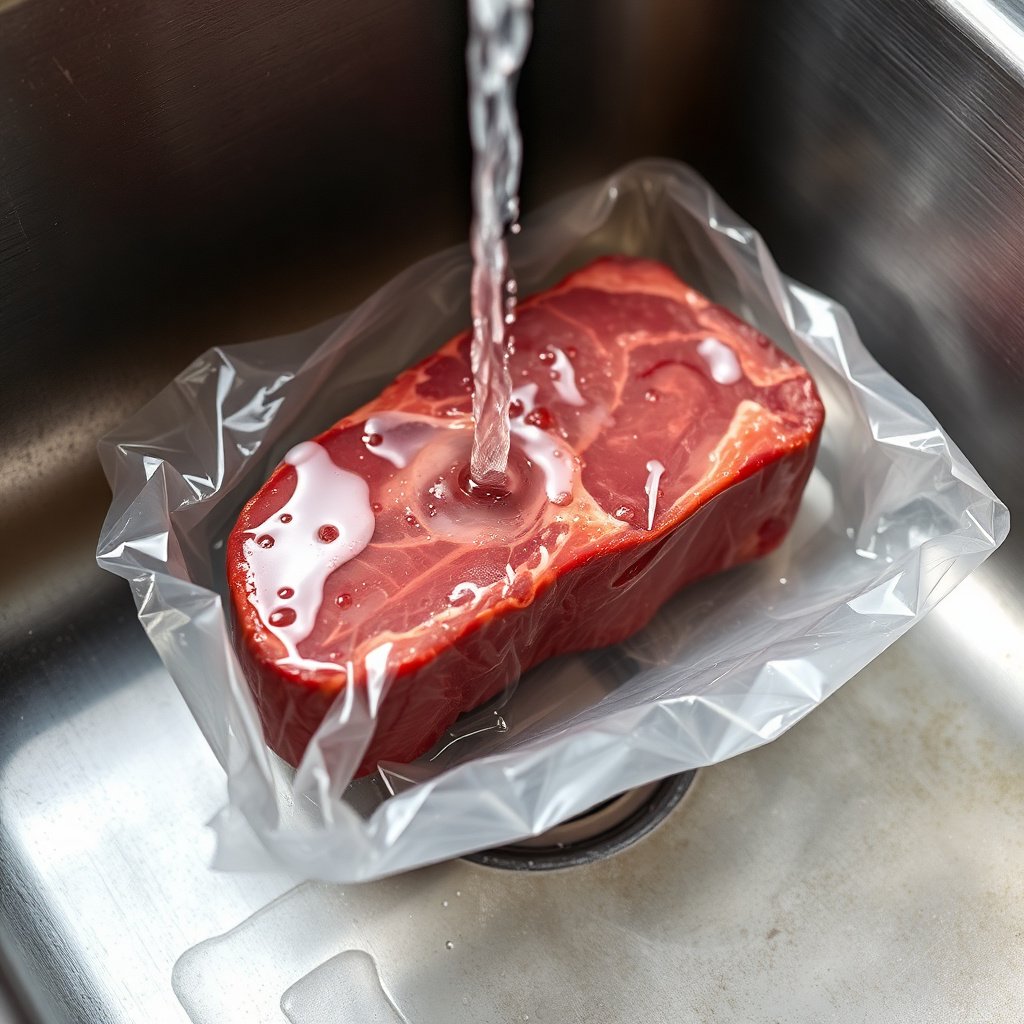
Cold Water Bath Method
The cold water bath method uses water to transfer cold temperatures evenly and quickly to your steak. Place the steak securely in a watertight plastic bag to prevent contamination or water absorption. Submerge it in a bowl or sink filled with cold tap water.
Changing the water every 20-30 minutes speeds up the thawing process by keeping the temperature consistently low. Typically, a 1-inch thick steak defrosts in about 30 to 60 minutes using this method.
- Seal steak in zip-top freezer bag
- Use cold tap water, not warm or hot
- Change water every 20-30 minutes
- Thaw time varies by steak thickness
Microwave Defrosting
Microwave defrosting is the quickest method but requires caution. Most microwaves have a defrost setting which cycles the power to prevent cooking edges. Place the steak on a microwave-safe plate and use the defrost setting based on weight.
Check the steak every 30 seconds to 1 minute, turning the meat to promote even thawing. Be careful not to cook the steak edges, which can affect texture and taste.
- Use microwave defrost setting
- Monitor steak frequently
- Turn steak regularly
- Avoid cooking edges
Planning and Alternative Defrosting Methods
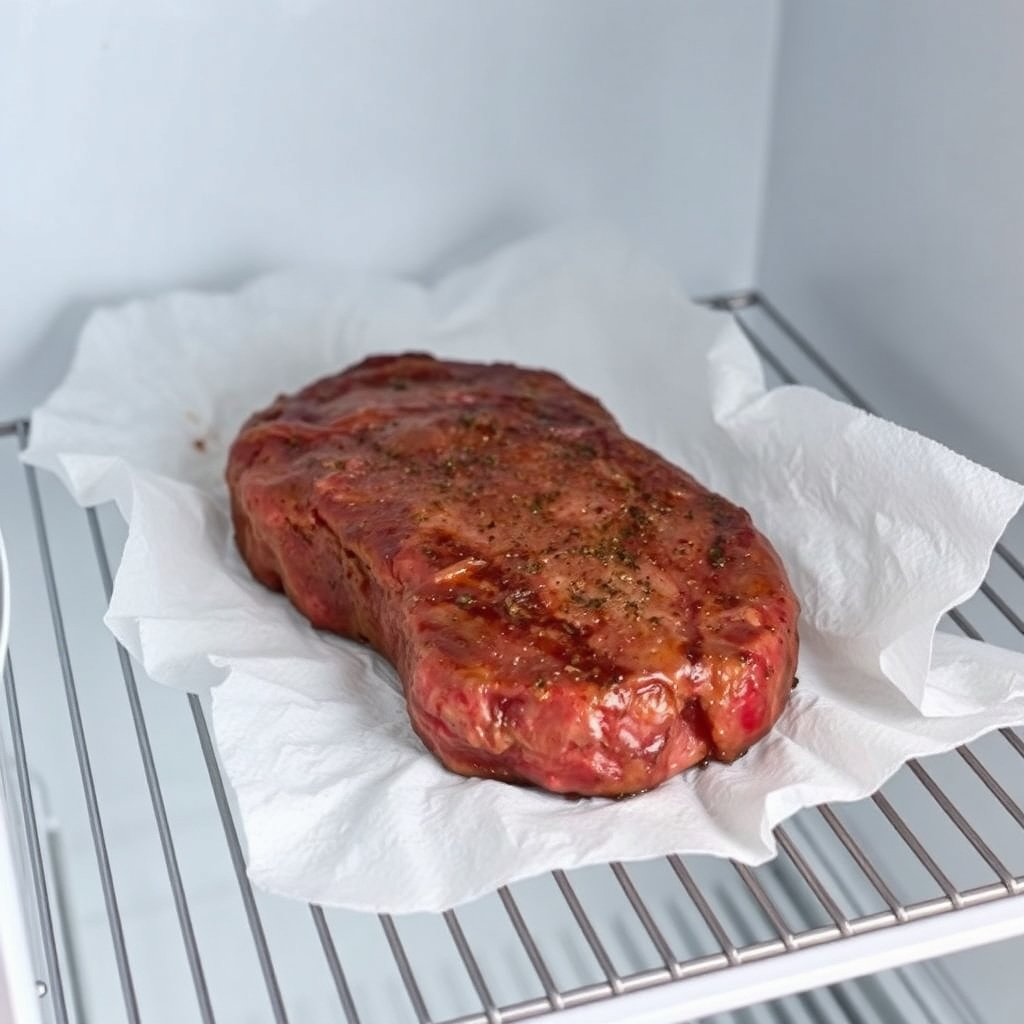
Refrigerator Thawing
Refrigerator thawing is the safest method but takes the longest—often overnight or up to 24 hours for thicker cuts. It keeps the steak at a consistent, safe temperature to prevent bacterial growth and preserve quality.
Place the steak on a dish or tray to catch any drips and allow air circulation. This method is ideal when you have advance time and want to maintain the best texture and flavor.
- Thaw in original packaging or sealed bag
- Place on dish to catch drips
- Allow 12 to 24 hours depending on thickness
- Maintain refrigerator temperature at 34-40°F
Cooking Without Thawing
Cooking steak directly from frozen is possible, particularly for thinner cuts. It may take roughly 50% longer to cook, and the exterior will brown first while the interior defrosts during cooking.
Use moderate heat and monitor closely to avoid overcooking the outside before the inside is done. This method is useful when time is extremely limited but may sacrifice some texture or flavor.
- Use moderate heat for even cooking
- Expect about 50% longer cooking time
- Suitable for thin steaks under 1 inch
- Not recommended for premium cuts
Safety Considerations for Thawing Steak
Avoid Room Temperature Thawing
Thawing steak at room temperature can quickly bring meat into the 'danger zone' between 40°F and 140°F, enabling rapid bacterial growth. This elevates the risk of foodborne illness.
Even if the steak’s surface feels cold, bacteria can multiply in outer layers. Always choose cold water or refrigerator thawing for safer handling.
- Never thaw steak on kitchen counters
- Beware of uneven thawing and bacteria growth
- Use cold-water or refrigerator methods instead
For more on this, see our related guide: How to Cook Tuna Steak Perfectly: 8 Easy Ways with Tips and Timing.
Handling and Storage
Once thawed, cook steak promptly—within a few hours. If thawed in cold water, cook immediately to prevent bacterial growth after removal from water.
Avoid refreezing thawed steak unless cooked first, to preserve texture and safety.
- Cook steak promptly after thawing
- Do not refreeze raw thawed steak
- Store thawed steak in refrigerator if not cooking immediately
Impact of Steak Thickness and Cut on Thawing Speed
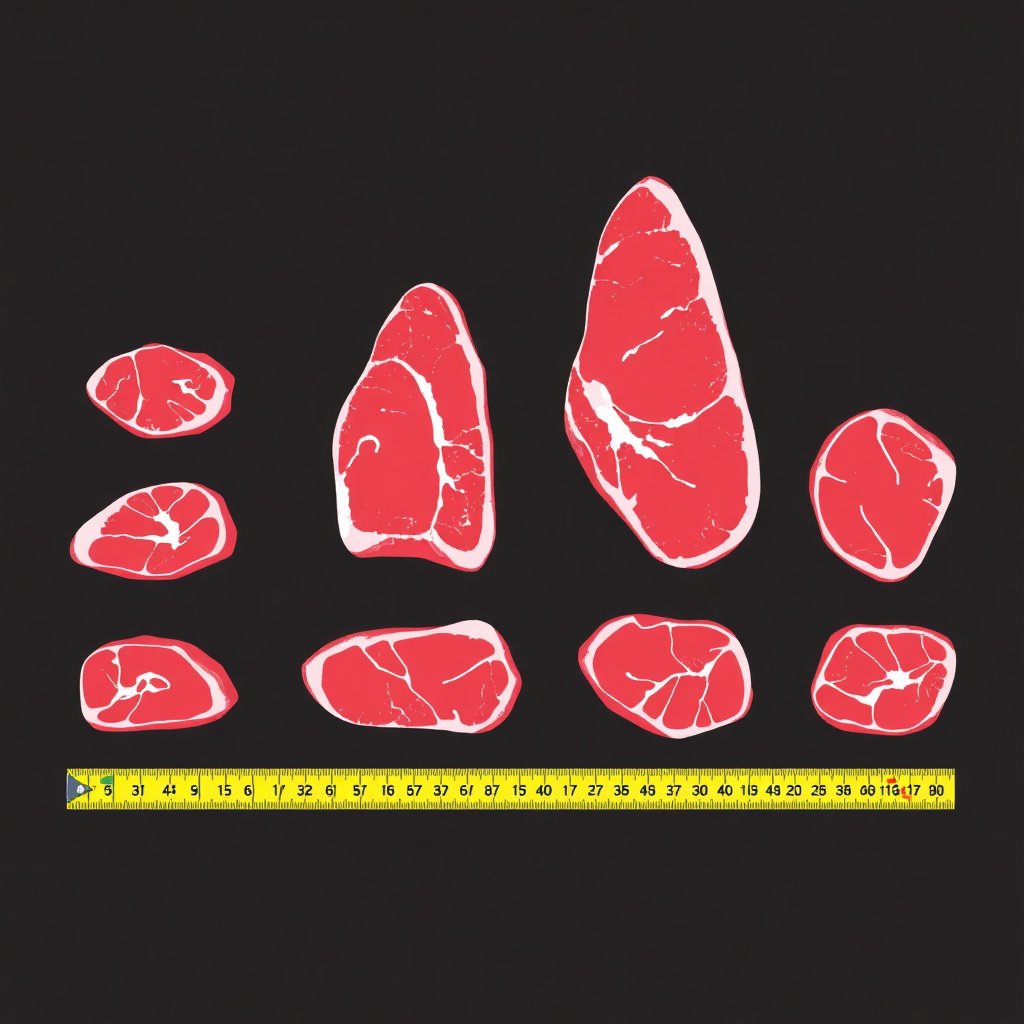
Thicker vs. Thinner Steaks
Thicker steaks take longer to thaw because of the greater mass and slower heat transfer. For example, a 2-inch thick ribeye can take up to two hours in cold water, while a thin flank steak under one inch may thaw in 30 minutes or less.
Adjust thawing times and method accordingly to prevent partially frozen centers or over-defrosted edges.
Differences Between Steak Cuts
Denser cuts like filet mignon and sirloin thaw more uniformly than heavily marbled cuts such as ribeye, which can retain cold spots among the fat deposits.
Lean cuts tend to thaw faster but may dry out quicker if left out too long after thawing.
Preserving Steak Quality During Thawing
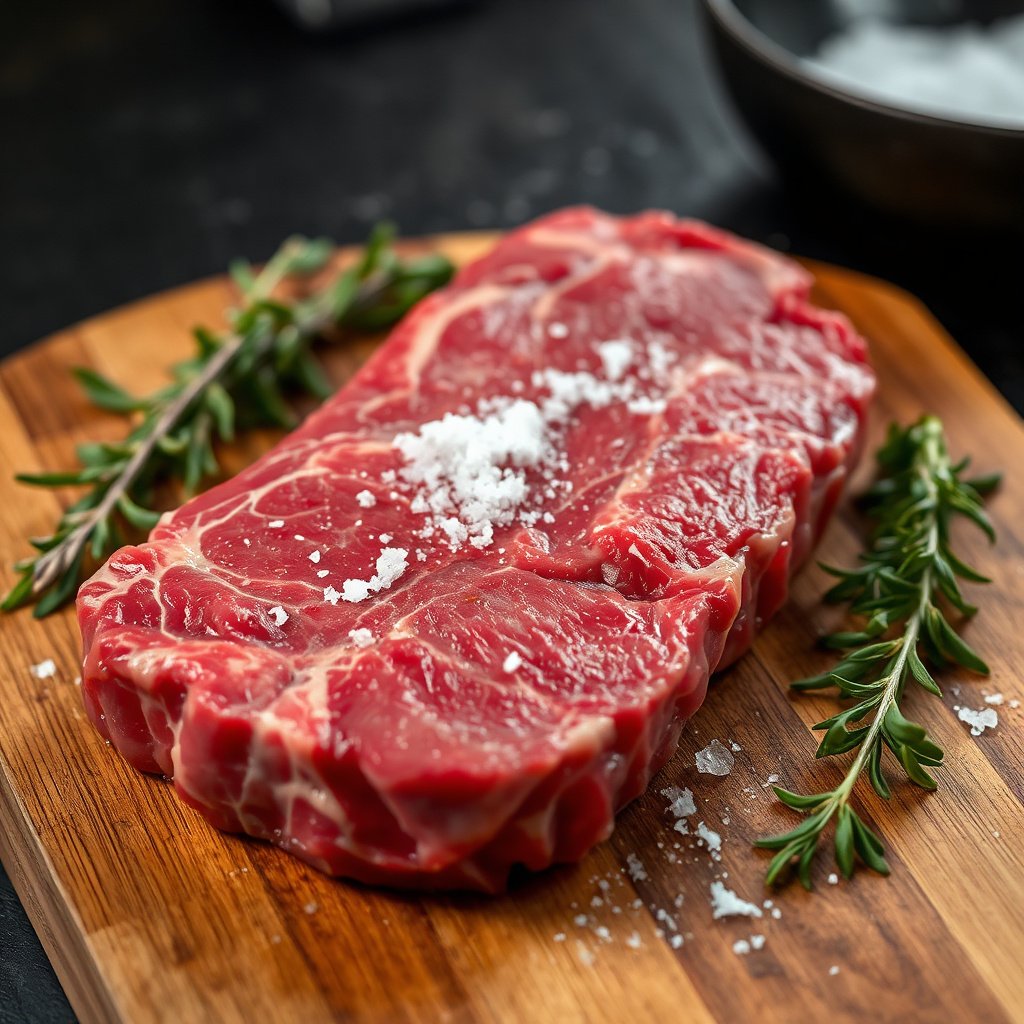
Preventing Moisture Loss
Thawing steak in a sealed bag reduces moisture loss and prevents freezer burn or exposure to airborne odors. Moisture retention keeps the steak juicy during cooking.
Avoid direct water contact without plastic wrapping to protect texture.
- Use airtight sealing methods for thawing
- Avoid punctured or damaged bags
- Minimize thawing duration to prevent drying
For more on this, see our related guide: How to Cook Steak Perfectly Every Time: Expert Tips and Methods.
Maintaining Flavor and Tenderness
Gentle thawing in cold water or refrigerator helps maintain flavor compounds and tenderness. Microwave thawing may cause uneven heat spots, which can degrade quality if not carefully managed.
Always season and rest steak after thawing before cooking for best results.
- Choose slow thawing for flavor preservation
- Handle steak gently after thawing
- Rest steak before cooking for tenderness
Tools and Accessories That Assist Fast Thawing
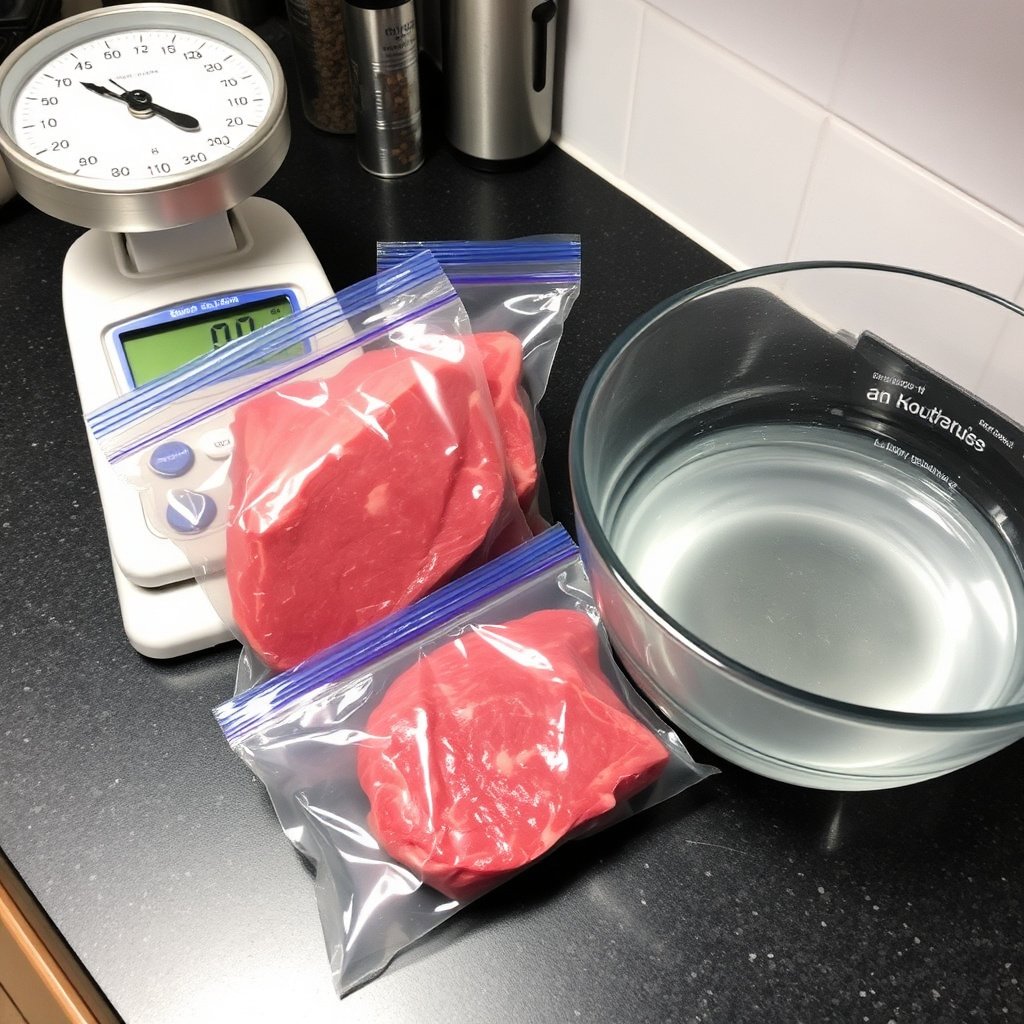
Using Resealable Bags and Bowls
High-quality resealable bags form an airtight barrier that prevents water seepage during a cold water thaw. A sturdy bowl or sink space allows full submersion and easy water changes.
These simple tools combine to speed thawing safely and with minimal mess.
- Use thick, leak-proof freezer bags
- Select a large enough basin for immersion
- Replace water efficiently for consistent temperature
For detailed safety information on thawing meat, refer to the USDA’s safe meat thawing guidelines. safe meat thawing guidelines.
Microwave and Defrost Accessories
Microwave defrost trays designed to distribute heat evenly can help prevent hot spots and partial cooking during quick thawing. Some come with built-in vents for steam release.
These accessories reduce guesswork with timing and improve microwave thaw consistency.
- Use microwave defrost tray or plate
- Follow manufacturer defrost instructions
- Avoid overheating edges with frequent checks
Comparison of Popular Steak Thawing Methods
This table summarizes key features of common steak thawing approaches, helping you choose the best method based on speed, safety, and quality.
| Method | Approximate Time | Safety Level | Effect on Steak Quality | Best For |
|---|---|---|---|---|
| Cold Water Bath | 30 to 60 minutes | High | Maintains juiciness and texture | Last-minute thawing |
| Microwave Defrosting | 5 to 10 minutes | Medium | Potential uneven thawing, risk of partial cooking | Ultra-fast thawing in emergencies |
| Refrigerator Thawing | 12 to 24 hours | Very High | Best preservation of flavor and texture | Planned thaw with time |
| Room Temperature Thawing | 1 to 2 hours | Low | Risk of bacterial growth and texture degradation | Not recommended |
| Cooking Frozen Steak | Varies; 50% longer cook time | Medium | Texture may be compromised | When no thaw time is available |
Frequently Asked Questions
Is it safe to thaw steak in warm water?
Thawing steak in warm or hot water is unsafe because it can quickly bring the meat into temperatures where bacteria multiply rapidly, increasing the risk of foodborne illness.
Can I refreeze a steak after thawing it quickly?
Refreezing raw steak after quick thawing is not recommended because it can degrade texture and increase bacterial risk. Cook first before freezing again if necessary.
How long can thawed steak stay in the fridge before cooking?
Once thawed in the refrigerator, steak should ideally be cooked within 3 to 5 days to maintain safety and quality.
Will thawing a steak in the microwave affect its taste?
Microwave thawing can cause uneven heating, potentially affecting taste and texture if parts start cooking prematurely. Careful monitoring helps minimize this effect.
Does the thickness of steak affect thawing time?
Yes, thicker steaks require longer thawing times because heat penetration takes more time to reach the center.
Key Takeaways
- Cold water bath is the fastest safe method to thaw steak quickly
- Microwave thawing requires close monitoring to avoid cooking edges
- Refrigerator thawing preserves quality best but needs planning
- Never thaw steak at room temperature due to safety risks
Conclusion
Choosing how to thaw a steak fast depends on balancing safe handling, preserving quality, and timing. The cold water bath method stands out as an effective compromise that allows quick thawing without sacrificing texture or promoting bacterial growth. Microwave thawing offers speed but requires vigilance to avoid uneven cooking, while refrigerator thawing remains the gold standard if you have the luxury of time.
If you’re short on time and need the best results, using the cold water bath method is recommended. For ultra-fast needs, microwave defrosting can suffice with careful attention. For steaks thicker than two inches or premium cuts like ribeye or filet mignon, more gentle thawing in the fridge keeps flavors intact. Avoid thawing at room temperature to limit health risks. Alternatives like cooking from frozen can be a last resort but may alter texture.
Once you’ve thawed your steak, cook it promptly and season correctly to maximize flavor and juiciness. Preparing ahead with refrigerator thawing remains ideal for preserving the integrity of steak. Implementing these practical thawing strategies will help you enjoy tender, delicious steaks with confidence and minimal wait.