How to Make Espresso at Home: A Step-by-Step Guide for Coffee Lovers
Making espresso at home is straightforward once you understand the right technique and equipment. With the right grind, tamp pressure, and machine settings, you can brew a rich, flavorful espresso shot that rivals your favorite café. The key lies in controlling variables like water temperature, extraction time, and coffee dose.
Many coffee enthusiasts want the convenience of café-style espresso without leaving their kitchen. Home espresso preparation lets you customize strength and flavor, saving money and avoiding daily trips to coffee shops. It also allows experimentation with beans and flavors, enhancing your appreciation of coffee’s complexity.
This article will walk you through the essential equipment choices, grinding and dosing recommendations, brewing techniques, and maintenance tips for making perfect espresso at home. Along the way, you’ll learn about different types of espresso machines and how to troubleshoot common issues for consistently satisfying results.
Choosing the Right Coffee Beans for Espresso
Roast Level and Bean Origin
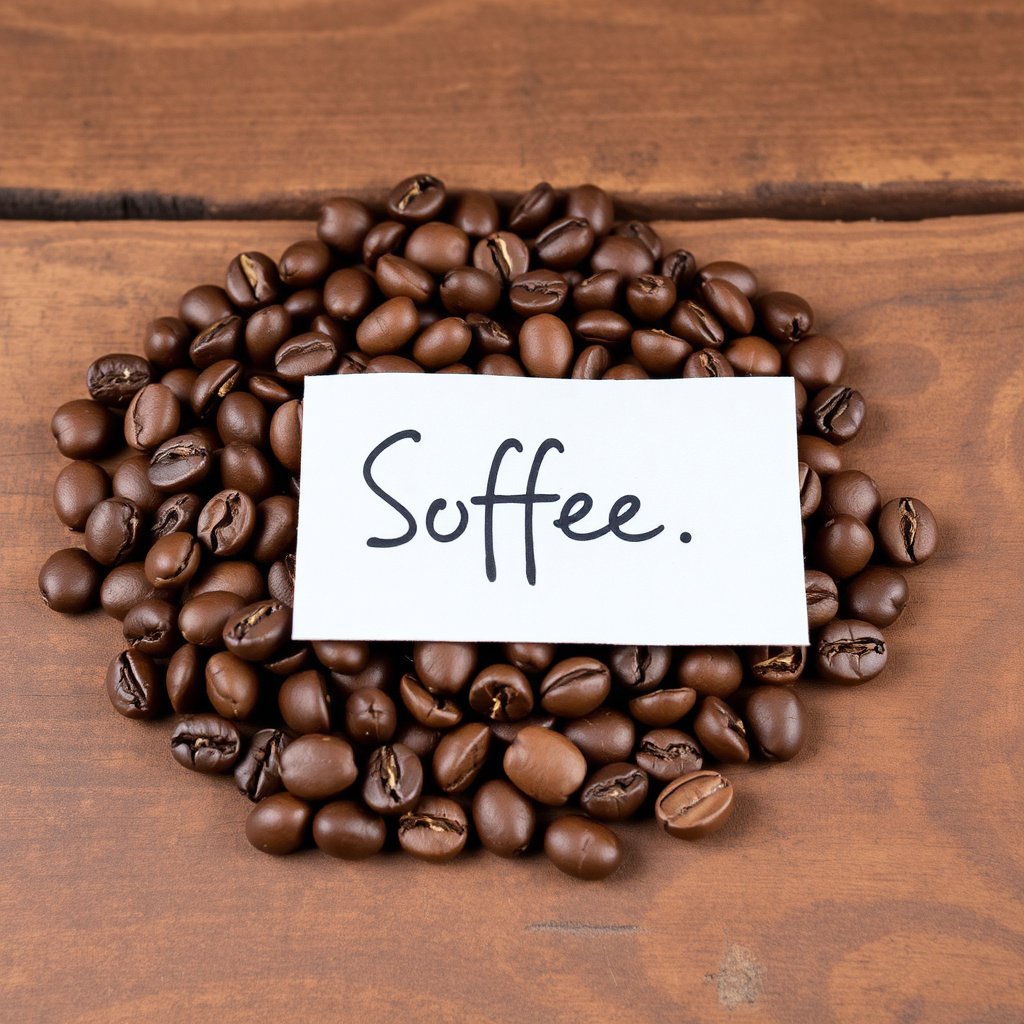
For espresso, medium to dark-roasted beans are typically preferred because they provide a balanced flavor profile with caramelized sugars and reduced acidity. Selecting beans from specific origins, such as Brazil or Colombia, can influence the taste, offering chocolatey or fruity notes.
Freshness is critical; coffee beans should ideally be used within two weeks of their roast date to ensure optimal flavor. Experimenting with different origins allows you to find a profile that suits your palate.
Storing and Grinding Beans Properly
Store beans in an airtight container in a cool, dark place to maintain freshness. Avoid refrigeration as moisture can affect bean quality. Grinding just before brewing preserves aromatic oils critical to espresso’s richness.
Use a burr grinder for consistent, fine grounds suitable for espresso extraction. Adjust grind size incrementally based on shot timing and taste to dial in your perfect espresso.
- Use airtight containers
- Grind immediately before brewing
- Avoid blade grinders
- Adjust grind size gradually
Selecting and Using the Best Espresso Machine for Home
Types of Home Espresso Machines
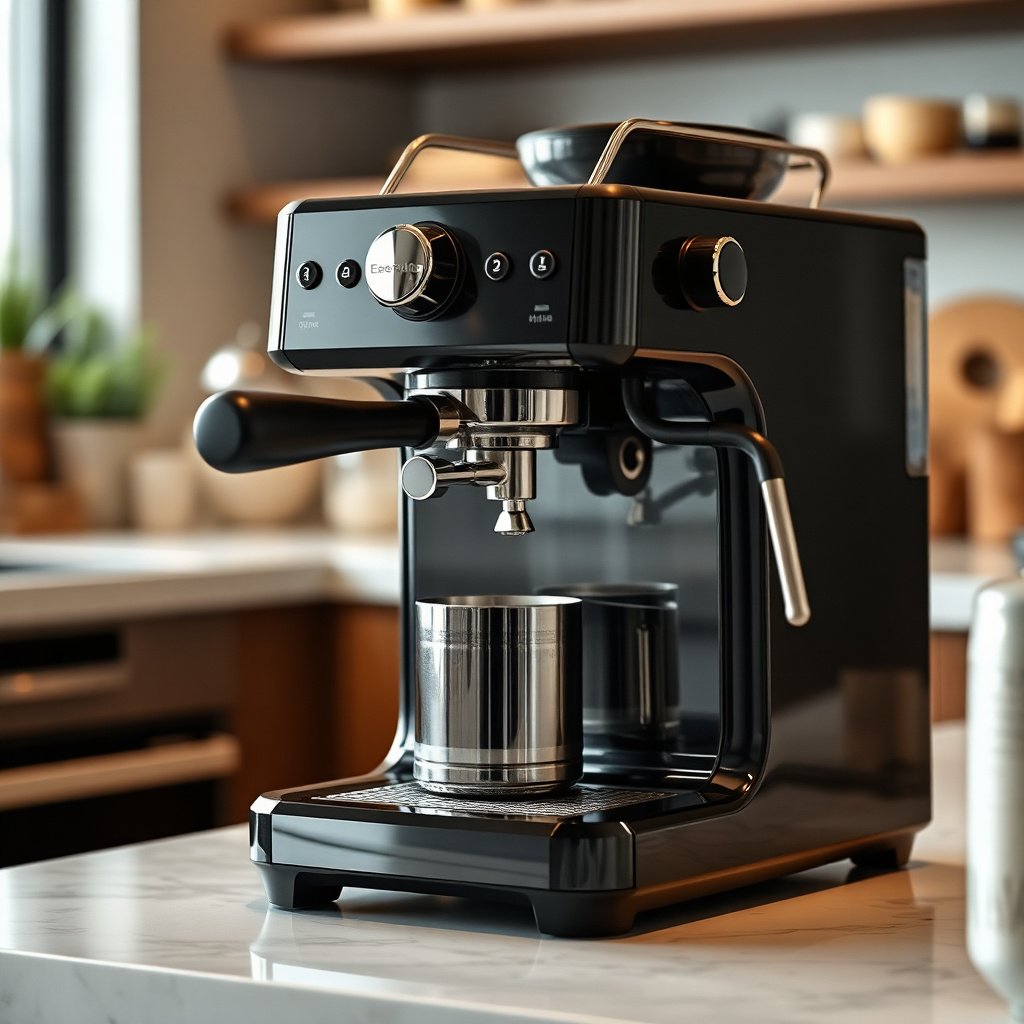
Home espresso machines vary widely, from manual lever models offering control over pressure to automatic and semi-automatic machines that simplify operation. Manual machines require more skill but can yield superior results when mastered.
Semi-automatic machines balance ease and control, making them a popular choice for enthusiasts. Automatic and super-automatic machines handle brewing at the touch of a button but often sacrifice customization possibilities.
- Manual – full control, skill needed
- Semi-automatic – customizable, user-friendly
- Automatic – hands-off, less control
- Super-automatic – fully automated espresso prep
For more on this, see our related guide: How to Make Chocolate Lava Cake: Simple Steps for Perfect Gooey Center.
Maintenance and Cleaning Tips
Regular cleaning ensures machine longevity and quality shots. Clean the portafilter, group head, and steam wand after every use to prevent buildup. Descale your machine periodically to avoid mineral deposits.
Use manufacturer-recommended cleaning products and follow maintenance schedules closely. Proper maintenance keeps water flow consistent and flavor uncompromised.
- Clean portafilter and group head after each use
- Purge steam wand regularly
- Descale monthly or as recommended
- Use appropriate cleaning agents
Grinding, Dosing, and Tamping for Perfect Espresso
Getting the Grind and Dose Right
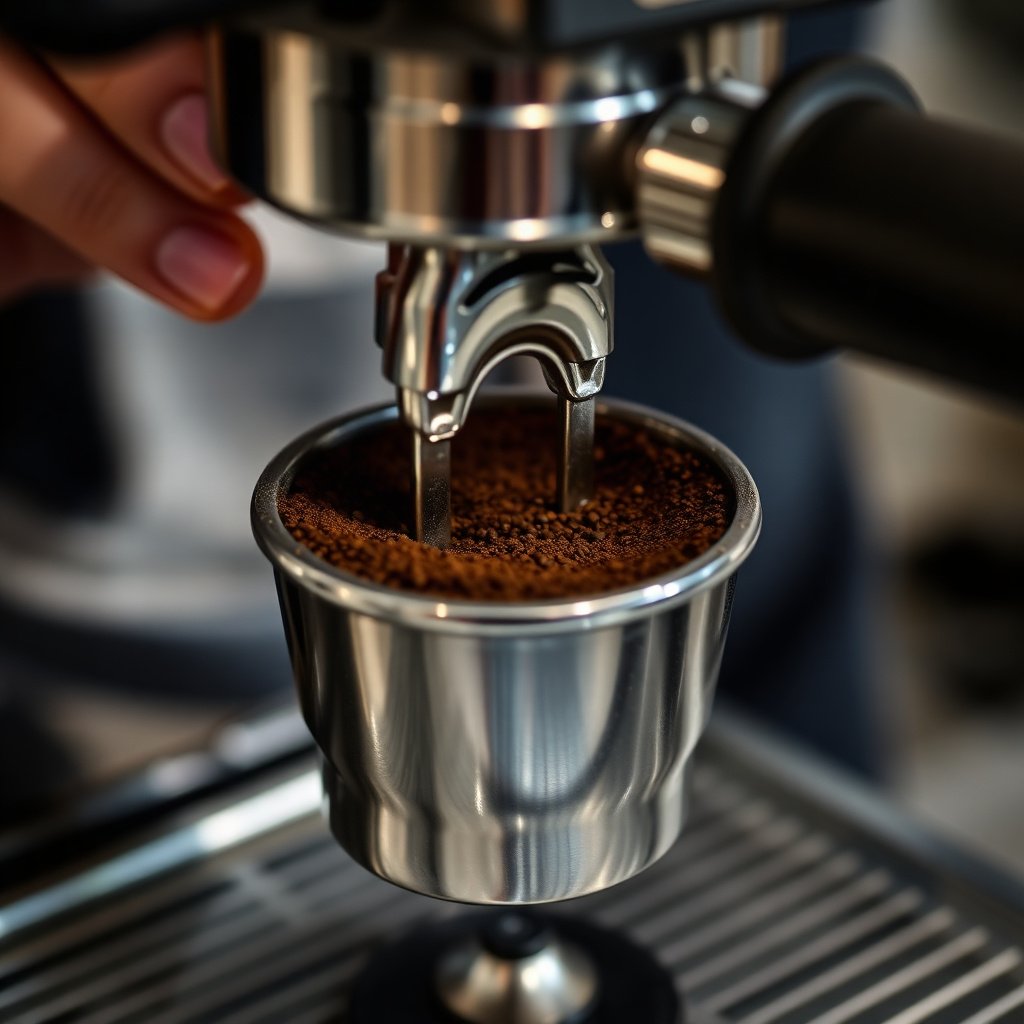
A fine and consistent grind is necessary for espresso extraction, generally finer than drip coffee. The dose is usually 18-20 grams for a double shot, but it may vary depending on the basket size and desired strength.
Use a precise scale when dosing coffee grounds to ensure consistency. Start with standard doses and adjust based on extraction times and flavor outcomes.
- Grind finer than drip coffee
- Measure dose with a scale
- 18-20 grams for doubles
- Adjust based on taste and timing
Effective Tamping Techniques
Tamping compresses the coffee grounds to create uniform resistance for even water flow. Aim for firm, level pressure around 30 pounds using a high-quality tamper sized to your portafilter.
Uneven tamping can cause channeling where water bypasses grounds, leading to weak or bitter espresso. Practice consistent tamping pressure and level surfaces for best results.
- Apply ~30 lbs of pressure
- Keep tamp level and even
- Use correct tamper size
- Avoid twisting during tamp
Mastering the Brewing Process
Water Temperature and Pressure Control
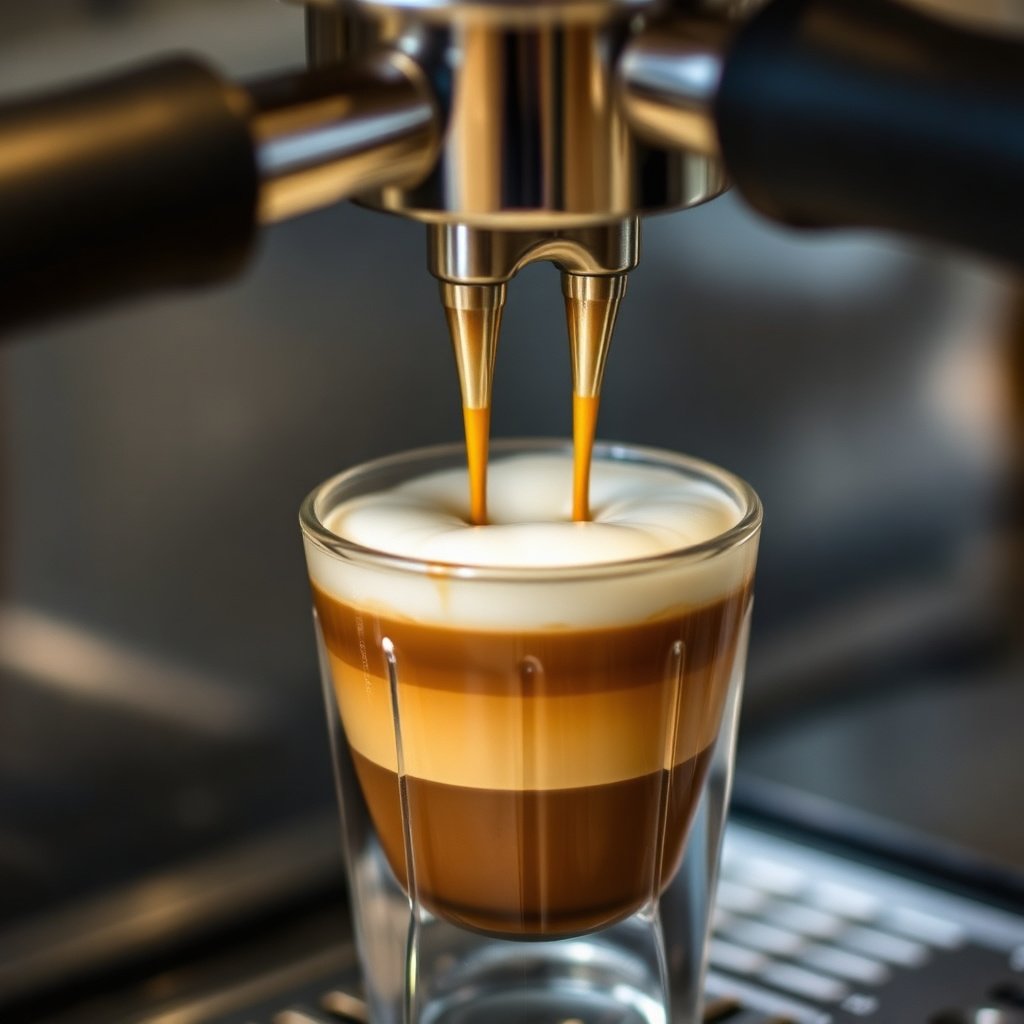
Optimal espresso brewing requires water heated between 195°F to 205°F (90-96°C) and stable pressure around 9 bars. Machines with PID controllers provide precise temperature regulation, leading to improved flavor extraction.
Keeping temperature consistent prevents sour or burnt notes. Pressure fluctuations affect extraction uniformity, so a quality pump and well-maintained machine are essential.
For more on this, see our related guide: How to Make Tiramisu: Complete Steps and Tips for Perfect Results.
Extraction Time and Shot Volume
A classic espresso shot extracts in about 25-30 seconds yielding roughly 1 to 2 ounces of liquid. Extraction time directly influences taste; too short leads to under-extracted, sour flavors, while too long results in over-extracted bitterness.
Monitoring the shot with a timer and adjusting grind size or dose helps dial in the balance. Shot volume should align with espresso type—ristretto, normale, or lungo—for desired concentration.
- Aim for 25-30 second extraction
- Adjust grind or dose if timing is off
- Typical shot volume is 1-2 ounces
- Choose shot style to control strength
Enhancing and Customizing Your Espresso Experience
Adding Milk and Flavorings
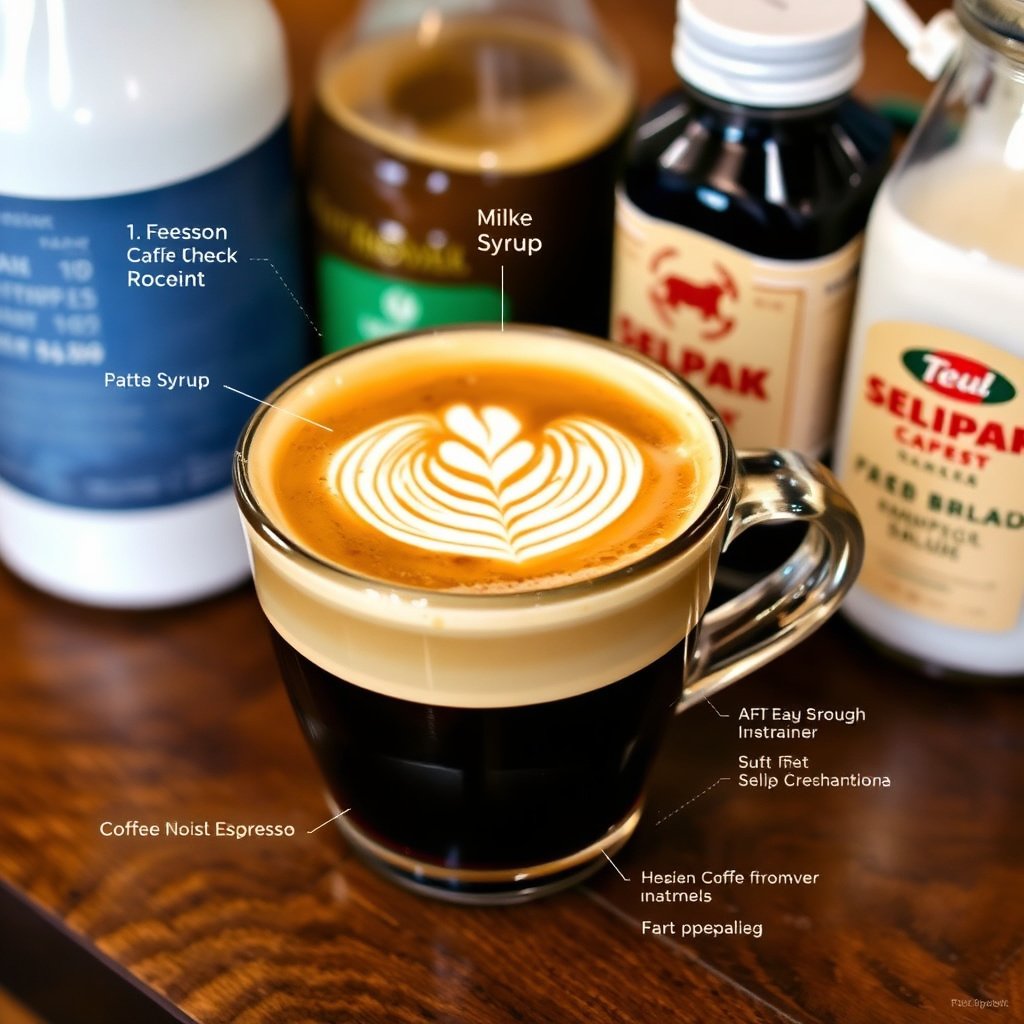
Experiment with steamed milk textures to create lattes, cappuccinos, or flat whites that complement your espresso. Quality frothing requires a good steam wand and fresh cold milk.
Incorporating flavored syrups, spices like cinnamon, or natural sweeteners can personalize your espresso drinks without overpowering the coffee’s core flavors.
- Use whole or fresh cold milk for frothing
- Practice steaming for microfoam
- Try vanilla or caramel syrups sparingly
- Experiment with spices like cinnamon
For more detailed historical and technical information about espresso, you can visit the espresso page on Wikipedia. espresso on Wikipedia.
Advanced Techniques and Tools
Beyond basics, tools like distribution tools help in leveling grounds before tamping to reduce channeling. Pre-infusion features on advanced machines gently soak grounds to improve extraction.
Practice advanced latte art or explore single-origin espresso to deepen your home barista skills. These techniques enrich the daily coffee routine with skill and creativity.
- Use distribution tools for leveling
- Employ pre-infusion in machines if available
- Try single-origin beans for complexity
- Practice latte art for presentation
Espresso Machine Category Comparison
Here’s a comparison of different home espresso machine types to help you identify which suits your skill level and budget.
| Category | Ease of Use | Control Level | Typical Price Range | Maintenance |
|---|---|---|---|---|
| Manual Lever | Difficult | High | $300-$1000 | High |
| Semi-Automatic | Moderate | Moderate to High | $400-$1500 | Moderate |
| Automatic | Easy | Low to Moderate | $500-$2000 | Low to Moderate |
| Super-Automatic | Very Easy | Low | $800-$3500 | Low |
Frequently Asked Questions
What grind size is best for making espresso at home?
A fine grind slightly finer than sand is ideal for espresso. Burr grinders provide the consistency needed for even extraction and better flavor.
How long should an espresso shot take to extract?
A good espresso shot typically extracts between 25 to 30 seconds. Shorter or longer extractions can result in sour or bitter flavors.
Can I use pre-ground coffee for espresso?
While possible, pre-ground coffee often loses freshness and flavor quickly. Grinding fresh beans just before brewing yields far superior espresso.
How often should I clean my espresso machine?
Cleaning daily after use and descaling monthly or per manufacturer guidance keeps espresso quality high and extends machine life.
What is the difference between a ristretto and a lungo shot?
Ristretto has a shorter extraction and less volume, making it stronger and more concentrated, while lungo is pulled longer, yielding a milder, larger shot.
Key Takeaways
- Use freshly roasted medium to dark beans ground finely for espresso
- Choose a machine matching your skills, from manual to super-automatic
- Consistent dosing, tamping, and extraction time shape espresso quality
- Regular cleaning and maintenance preserve machine performance
Conclusion
Deciding how to make espresso at home starts with understanding the balance between control and convenience. Each step from bean selection to brew time impacts the shot’s flavor and texture. By mastering grind size, dosing, tamping, and machine settings, you unlock a rewarding daily ritual that delivers café-quality espresso tailored to your preferences.
For beginners, semi-automatic machines paired with a burr grinder offer the best mix of usability and customization. Enthusiasts may prefer manual lever machines to refine their technique, while those seeking speed and simplicity might opt for super-automatic models. Tailoring your choice to your lifestyle and taste goals ensures the best investment in your home coffee setup.
If you're ready to start brewing, select freshly roasted beans and invest in a quality grinder. Focus on dialing in your grind and extraction times for consistent shots. Study maintenance routines and experiment with milk texturing or flavorings only once you have mastered the espresso basics. With patience and practice, making espresso at home becomes a satisfying craft that brightens every morning.